Showing posts sorted by date for query Tavistock. Sort by relevance Show all posts

Sunday, August 24, 2025

I had electric shock treatment in the 1960s. Now I want to know why

Annalisa Barbieri
Sat 23 August 2025 
THE GUARDIAN


Illustration: Alex Mellon/The Guardian


I am 83, and my life seems to have been mostly happy. But after a year at art college, I sort of disintegrated and was sent to a mental hospital after I had tried to kill myself several times. My best explanation is that life was too difficult and painful. But why?

In the hospital I had 15 electric shock treatments. After the first one I didn’t recognise my mum. I had a blinding headache, and the fear of never waking up was strong. I was given antipsychotic drugs and sedatives. I caused a lot of worry to my parents, but I couldn’t “pull myself together”. Looking back, I see myself as a caring person who helped the confused and unhappy ladies who were locked away in that massive old mental hospital, where, in a way, I felt at home.

Afterwards, I decided to go to Italy, where I recovered gradually and stopped the medication. I started teaching English and enjoyed it.

Since then, I have lived a full and in many ways successful life. But the question is, what happened to me?

People make seemingly random decisions all the time, but when we look back they had more purpose than they seemed to and were often informed by our environment. You were courageous, and still are for writing to me and thinking about this difficult time in your life, which must have been traumatic. And like all trauma, it’s stuck in your memory as snapshots, which you are now trying to make sense of.

Trauma memories aren’t laid down like regular memories in the brain. You can learn more about this by listening to the podcast I did on this subject with Dr Joanne Stubley, a consultant medical psychotherapist who leads the trauma service for adults at the Tavistock and Portman NHS trust in England. I showed her your letter and we were both curious about what led up to your breakdown. Mental health issues were not always dealt with well in the early 1960s, and the landscape back then was, as Stubley describes it: “power-based and misogynistic”. Things aren’t perfect now, but there’s certainly more understanding.

We also wondered what was happening around that time for you? What led to life being so difficult? Young people don’t have breakdowns and attempt suicide in a vacuum.


Even in the psychiatric hospital you were looking after others. No wonder you’re now thinking, ‘What about me?’

“You showed great resilience moving to Italy,” said Stubley. “You had the capacity to get yourself up and away [from a place where difficult things happened] to live a life where you were giving to others, teaching English.”

Even in the psychiatric hospital, you said you were looking after others. No wonder you’re thinking, “What about me? Who was thinking of me?” It’s not unusual to have these questions as we age and realise we have more years behind us than ahead. “You seem to have great courage and capacity to ask yourself these questions,” said Stubley. “That sense you have of, ‘What happened to me? What really went on here?’ is impressive.”

One of the hallmarks of trauma is feeling alone in a situation, of being disempowered. A way to process it is to understand what happened. I wondered if you might try to find out if any of your medical notes from this time still exist.

Stubley also suggested “starting to have conversations. It doesn’t have to be formal therapy. It could be with a good friend, a counsellor, anyone who would be able to offer you the space to explore and tell your life story so you may get more of an understanding of it. Are there any relatives alive from that time who you could talk to?”

I thought it was interesting you made a geographical move, and to a place where English isn’t routinely spoken. You really left your old self behind, but now it’s time to integrate the two. You might also find this Guardian article interesting.

• Every week, Annalisa Barbieri addresses a personal problem sent in by a reader. If you would like advice from Annalisa, please send your problem to ask.annalisa@theguardian.com. Annalisa regrets she cannot enter into personal correspondence. Submissions are subject to our terms and conditions. The latest series of Annalisa’s podcast is available here.


Saturday, August 09, 2025

‘The ceasefire never took effect inside Iran’


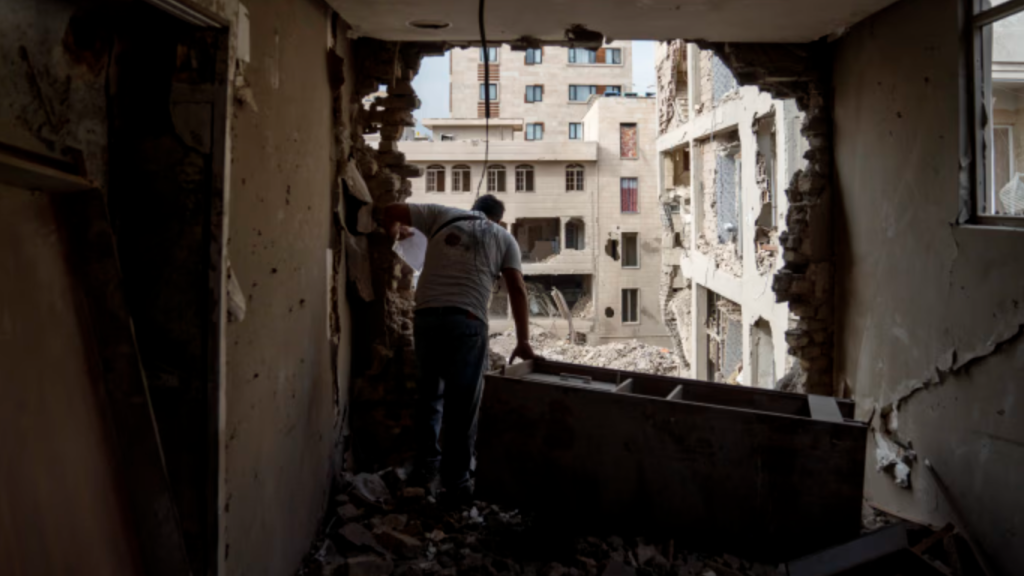
Damage Israeli strike on Tehran

A version of this interview was first published at Alternative Viewpoint.

Nasrin Parvaz became a civil rights activist after the rise of the Islamic regime in 1979. For this, she was arrested in 1982 and imprisoned, enduring eight years of torture. On being released, Parvaz again took up political activism.

She was later forced to flee to Britain in 1993 as a refugee, where she continued her activism, speaking out against different kinds of oppression in Iran and elsewhere. Having acquired the skills to write about her life and create fiction at the Freedom from Torture writing workshop, Parvaz has gone on to become a prolific writer and poet.1

Speaking to Farooq Sulehria, Parvaz discussed the fallout of the recent US-Israeli war on Iran and the Islamic regime’s response.

US President Donald Trump said on July 23 that the US might yet again attack Iran? Do you think Washington is likely to do so?

It depends on what they want from the regime and if the regime is willing to accept this or not. For example, if the regime resists a request for them to step down and reform their leadership then yes, the US may once again attack.

In January 1979, the US asked the Shah to leave the country and a month later escorted [Ayatollah Ruhollah] Khomeini into Iran. Of course, Western governments decided this without letting any journalists into their meeting. The people of the world did not know what the West had decided for Iran.

Today, once again it is the same. We do not know what the Western governments’ plans are. Only in fifty years time will the West release their papers with evidence of what they decided in 2025 for Iran and why they started illegally bombing the country.

Israel and the US have not been ignorant of the regime chanting “Death to Israel, Death to America” for the past 46 years; they are not only hearing it for the first time now. 

One of the reasons the West needs to change the regime at this particular moment is that they are afraid of people rising up in Iran as much as the regime is. Any change brought about by the people in Iran would inspire others in the region to stand up for their rights against Western-installed and backed regimes in their countries.

Israeli-US bombings are designed to kill people’s revolutionary spirit as much as they are designed to destabilise the regime. This is done by assassinating the regime’s personnel, so people cannot find any reason to rise up against a new regime. 

It is like how the West asked [former dictator Bashar al-]Assad to leave Syria and replaced him with another criminal who was on the US’s wanted list.

Some on the left, both inside and outside of Iran, opposed regime change while not supporting the Ayatollahs.

Yes, fortunately many leftists opposed regime change because we know what it means. Regime changes only benefit the West and those at the top of the organisations. They bring nothing but misery for citizens.

Iran has experienced two regime changes: first, in 1953 when Britain and the US removed [Prime Minister Mohammad] Mosaddegh in a coup and brought back the Shah, who had fled from Iran; second, in 1979.

The West is now publicly promoting the monarchy in order to have an alternative for another governmental regime change in Iran. The Shah's son [Reza Pahlavi] praised the bombs landing in Iran that killed civilians.

[Pahlavi] has no interest in the wellbeing of innocent Iranians, just like the Islamic regime, the Israeli government and Trump.

Now that Washington and Tel Aviv have failed to effect regime change, how do you assess the situation? Can we say the failure of the US-Israeli plan is a good thing?

The US and Israel’s plans are not finished. A coup is presently taking place at a brutally slow pace. This is a regime change.

Israel also has not finished its attacks and is assassinating more regime personnel. They use drones to explode apartments, houses and cars where regime members are present.

But with the death of each criminal, more innocent people who live in neighbouring buildings and streets are killed. Everyday people see fires and they know that it is Israel destroying the infrastructure of their society.

The regime says these are the result of gas faults or create other fictions to hide the truth. It does not want to show weakness. The West looks the other way, not reporting any of the killing in Iran.

The ceasefire never took effect inside Iran. Only Iran stopped bombing Israel.

Mainstream media are not reporting this, but one hears from Iranian sources about sabotage activities on an almost daily basis. Do you think Israel has changed its plan and that the war is not over?

The Iran-Israel conflict is not new. Israel has been undertaking military activities in Iran and sabotaging the regime for many years. They have hit nuclear sites and other places before.

To give just a few examples of Israeli sabotage before this round of attacks:

  • In 2024, Israel initiated a series of direct confrontations including in April that year, when the Israeli Air Force launched airstrikes targeting an air defence radar site at an airbase near Isfahan, in central Iran.
  • On February 14, 2024, attacks were carried out against nuclear facilities and natural gas pipelines, and nuclear scientists were killed.
  • In April 2024, an Israeli airstrike demolished the Iranian consulate in Damascus, Syria, killing 16 people. Iran retaliated with missile and drone attack on Israel.
  • On July 31, 2024, Hamas leader [Ismail] Haniyeh was assassinated by Israeli airstrikes during a visit to Tehran.
  • On October, 26, 2024, Israel attacked Iran, striking air defence systems and sites associated with its missile program.

Even now, Israel is still launching drones into Iran every day.

Do you think the Iranian regime is weak after the war? Or has it gained some popularity by defying the might of the US and Israel?

The regime is weak, because it has lost many of its top personnel.

The regime has not gained any popularity over the Israel-US attacks on Iran. It is not like the 1980s, when people supported the regime during the Iran-Iraq war before returning from the battlefields in death shrouds.

People were already against the regime before the Israel-US attacks and there were many uprisings in Iran. This war did not make people support the regime.

Before the Israeli bombings, another uprising was beginning to form in Iran. Truck drivers in more than 163 towns had been on strike for three weeks. More than 40 of them have been arrested.

It was one of the biggest workers’ strikes in Iran to date. Their strike could have led to a national uprising because of a lack of food distribution, especially in bakeries that are essential to local people that had been affected.

During the last few days, despite Israeli operations inside Iran, people have come out of the shock of being bombed and have started demonstrating and picketing against the regime.

There is news of increased repression within Iran, with dissidents being imprisoned and receiving harsh punishments. What does this indicate? Does it show that the regime has found some renewed legitimacy after the war and is using this to silence dissidents?

Arrests and executions are a part of life in Iran; this struggle continues. There are prisoners who have been behind bars for 25 years.

However, during the bombings the number of arrests was much higher than normal. Thousands of people have been arrested. Prisoners who had been in prison for years were executed with the justification that they were Israeli spies.

War has always been an excuse to suppress people. More than 5000 prisoners were executed during the Iran-Iraq war in 1988. Fifty prisoners were taken from the wing I was in and they never came back.

Afghans have been expelled in their hundreds of thousands. Iran otherwise champions the cause of Muslims. How are Iranians inside reacting to the expulsion of Afghans?

It is not only Western governments, such as Britain, which use immigrants as a scapegoat. The Islamic regime also blames poverty, lack of jobs, water shortages and electricity failures on Afghan refugees. Just like in Britain, some people in Iran believe the lies of the government and have become racist, turning against innocent people from Afghanistan.

Even before Israel attacked Iran, the regime had already created an anti-immigrant climate, where Afghans faced regular police violence and discrimination. 

In 2024 the regime ordered all undocumented Afghans to return to their country. In May 2025 the regime ordered mass deportations of more than 4 million immigrants. They gathered and deported them like slaves.

Afghans born in Iran with valid visas have been deported. More than one million refugees were deported in 2025. Many of them were born and raised in Iran during the past four decades. Many of these people are totally integrated into Iran society. They have been ripped away from their lives and friends.

The Iranian regime is uprooting Afghan people from their homes and communities. Children who were born in Iran are taken out of their schools and the only environment they grew up in to be deported to Afghanistan. 

People have had their homes raided simply for being of Afghan origin. They have been arrested and forcibly returned to Afghanistan.

Some Afghans, who were searched and arrested in the street, were not allowed to go home to pack their things. Some could not receive their rental deposits back after leaving. They were just put on a bus and taken to the border. Many arrived in Afghanistan with no money, food or shelter.

Women, girls, activists and journalists who have been deported face high risk of human rights violations at the hands of the Taliban. Severe restrictions on women and girls await them. Girls are very upset about not having the right to continue their studies.

Afghans have the lowest class status in Iran. The regime justifies its attack on Afghans by accusing them of collaborating with Mossad to carry out internal terrorist attacks in Iran. Yet Israel assassinated top officials whose addresses would have been inaccessible to Afghans.

Afghans are paid less than Iranian workers. Most of the recently built buildings in Iran, especially in Tehran, were built by Afghans.

However some people have been brainwashed by the regime into blaming Afghans for their own financial woes and treating them badly. 

For years Afghans have had no right to go to certain towns or areas. They have experienced terrifying discrimination, humiliation, ill-treatment and injustice from the regime and some of its citizens. Many have faced violence, detention, and abuse.

It is not only Israel that displaces Palestinians from their homes. The Iranian regime is doing the same with Afghans; the difference is that, unlike Israel, the Islamic regime does not drop bombs on them.

After Israel’s attacks, the regime was like a wounded animal that struck out in anger and deported more than half a million Afghans in mere weeks. This is the largest forced return in recent memory.

Israel’s bombings increased anti-Afghan xenophobia in Iran. Poverty and the current anti-immigrant policies have killed some people’s empathy. Unfortunately, not many people support Afghans. They believe regime propaganda that Afghans are Israeli spies.

I have seen clips on social media showing Afghans detained in prisons without water and food while waiting to be deported. They have to care for babies without essentials such as baby food.

Some local people brought baby milk, nappies, bread and water for them. They tried to pass these things to the locked up Afghans underneath the door of their cages.

Many of these people will end up in Afghanistan carrying painful memories of state racism and an uncertain future. They have left behind everything they built and must start over with nothing but courage and hope.

Afghan women are being sent back to a system that hates women for being women. Single women are denied shelter as they lack a male guardian. They are being deported to hell.

Everyone deserves safety and dignity, no matter where they are from. Collective expulsion is illegal. Yet it is deliberate state policy. No access to asylum. No due process.

The fact that a European regime such as Israel can treat people in Palestine as it does, is why the Islamic regime can create this terror without condemnation.

Western governments handed power to the Taliban in 2021, which caused more Afghans to seek asylum in surrounding countries. Thousands of women and children fled to Iran as refugees.

Europe has said in the past that Afghans will be safe in Iran, and that they should seek protection regionally. As we can see, they are not safe at all in the hands of the Islamic regime or the Taliban.

Thanks to the Western governments that restored the Taliban in Afghanistan, half the population — that is women — essentially live in prisons.

Afghan women must have the right of refuge based on gender apartheid. But gender-based apartheid is not recognised anywhere, especially in Iran, a country that practises gender apartheid. Women are at risk in Afghanistan and should not be deported there, but no one cares.

Women in Western countries have to open their eyes to what their governments have done to women in Afghanistan. They should outstretch their hands towards Afghan women and try to guarantee refugee rights for women living under gender apartheid.

The Western governments that installed the Taliban in power owe the Afghan people. They should give humanitarian visas and safe passage to Afghan women and their families out of Iran in order to save them from the Taliban.

Why does the Iranian regime express concern for Palestinians in the name of Islam, but not Afghans. Do people in Iran point out these double standards?

I do not believe that the Islamic regime is worried for Palestinians. When they say Palestine, what they really mean is Hamas. They say they support Palestinians, but they only support Hamas. 

Some people in Iran do not know the truth and believe what the regime says. They think the regime is supporting Palestinians.

Since people in Iran have been kept poor, some accuse the regime of giving their money to Palestinians and hold a grudge towards Palestinian people. Some people do not see the regime violating their rights and instead blame other people as directed by the regime.

Assad’s regime is gone. In Lebanon, Hezbollah has been weakened. Tehran’s influence is declining in Iraq, according to some analysts. How will the shifting regional situation determine the regime's future?

The West has been trying to reshape the Middle East for a long time. Western governments have been preparing to attack Iran for many years.

Just as the lies told to justify the Iraq war were exposed, the same will be the case with this unlawful attack on Iran. Israel has been telling the world that Iran will have a nuclear bomb in a few months since 2012, yet for some reason now was the right time to attack Iran.

We cannot ignore people and their desires in 2025. We are not living in 1953, when the West changed Iran’s history with a coup.

The Iranian population, especially women, are educated and trying to change the country for good, rather than for what the West wants. People deserve a better life rather than seeing child labour or homeless children every time they leave their home. People want to get rid of unemployment and gain the right to have unemployment benefits and more rights that improve their lives.

I hope the West does not succeed in replacing the regime with a puppet. I hope people determine the future of their own country.

China and Russia did not lend any meaningful support to Tehran during the Israel-US war on Iran, not even diplomatic support of any consequence. Why?

These governments exploit other countries as much as they exploit their own people. Both Russia and China have been using up Iran’s resources.

They do not care about what is happening to the people in the country. They do not care what will happen to the regime, as long as they secure their profits.

The help they will give the regime will be to open their doors to fleeing regime members when they are forced to run from angry Iranian citizens, so that they can drink tea and wine with Assad.

A section of the left declared the Ayatollah’s regime as a bastion of anti-imperialism during the US-Israeli war on Iran. How do you respond to leftist efforts to brand Iran’s theocratic regime as anti-imperial?

It does not matter how a person sees itself. The thing that matters is what they do rather than what they say.

These people are pro-regime, like the Tudeh party that acted against the people and sided with the regime because of its slogans, “Death to America, Death to Israel.” The regime also had another slogan against Russia, but as time passed they realised it was profitable to lean on Russia instead.

These parties see themselves as leftists, but they always act like right-wing organisations. For me, a leftist party would stand with the people, not with those in power.

Unfortunately, some European parties that call themselves leftist, support the Islamic regime because of its slogans against the US and Israel. They refuse to stand with the Iranians who have been oppressed by the regime for the past 46 years. They are used to standing with institutional power.

During the 2022 Woman Life Freedom movement, some of these leftist parties did not support the people’s struggle against the regime. Some of them were so disillusioned that they said this movement must be organised by the US. They stood with the regime while school girls were arrested, raped and their bodies were dumped in the street.

  • 1

    Her publications include One Woman’s Struggle in Iran: A Prison Memoir, which won the Women’s Issues category at the 2019 International Book Awards, and The Secret Letters from X to A (Victorina Press, 2018). Her prison memoir has been published in Spanish and German, with forthcoming translations into Turkish and Kurdish by Aram Yayinevi in 2025. The translator for these editions, Mahmut Yamalak, has been imprisoned in Turkey for 31 years, serving a life sentence. 

    Additionally, her novel The Secret Letters from X to A is set to be published in Turkish by Aram Yayinevi in 2025. Her latest novel, Coffee, received a long-list nomination for The Bath Novel Award in 2023. Furthermore, her poems and short stories have been featured in several anthologies, such as Songs of Freedom—A Poetry Anthology by Ten Iranian and Afghan Women Poets (Afsana Press, 2024). Her works have also appeared in prominent publications, including The GuardianThe Morning StarLBC, and Huck, among others.

    Parvaz has also translated poems from Farsi into English, which have been published in Modern Poetry in Translation and various other anthologies. Additionally, she published a novel in Farsi about the 1988 massacre of prisoners in Iran, of which she was an eyewitness. Furthermore, her paintings have been accepted for inclusion in exhibitions at numerous galleries, including Sotheby’s and OXO Tower Wharf.

    She pursued a degree in psychology and later obtained a master’s degree in international relations. Following this, she completed a postgraduate diploma in applied systemic theory at the Tavistock and Portman NHS Foundation Trust, where she collaborated with a team of family therapists. She is a member of Exiled Writers Ink (EWI) and the Society of Authors (SOA). 

    Most recently, she spoke about her experiences at a TEDx event in April 2025. For further information, please visit Nasrin Parvaz official website.

Sunday, December 15, 2024

UK
Labour LGBT+ group voices ‘deep concern’ over Wes Streeting’s ban on puberty blockers
13 December, 2024 
Left Foot Forward


Streeting has said the blockers present ‘an unacceptable safety risk for children and young people


LGBT+ Labour has expressed ‘deep concern’ about the health secretary Wes Streeting’s indefinite ban of puberty blockers for the treatment of gender dysphoria.

The party’s LGBTQ group has said that prohibiting the use of blockers, which have been in use since the 1980s, “will have a detrimental impact on the mental health of young trans people”.

In an open letter to the health and social care secretary, LGBT+ Labour said that puberty blockers “represent an important medication” for many children and young people as part of their gender transition.

The medication, known scientifically as Gonadotrophin-releasing hormone analogues, work to stop the rise in sex hormones – oestrogen and testosterone – at the onset of puberty.

In a statement, Wes Streeting said “children’s healthcare must always be evidence-led”.

Streeting noted that “The independent expert, Commission on Human Medicines, found that the current prescribing and care pathway for gender dysphoria and incongruence presents an unacceptable safety risk for children and young people.”

He added: “Dr Cass’ review also raised safety concerns around the lack of evidence for these medical treatments . We need to act with caution and care when it comes to this vulnerable group of young people, and follow the expert advice.”

LGBT+ Labour said it believes in evidence-based policy making and welcomes the commitment that NHS England will carry out a clinical trial on the effectiveness of puberty blockers next year.

However, it said it is concerned about the lack of information on these clinical trials.

They said that trans adolescents must now be provided with further resources elsewhere to support them.

Streeting said: “We are working with NHS England to open new gender identity services, so people can access holistic health and wellbeing support they need.

“We are setting up a clinical trial into the use of puberty blockers next year, to establish a clear evidence base for the use of this medicine.”

Georgia Meadows, who is the National Trans Officer for LGBT+ Labour, has written her own separate letter, stating on social media that she had been “completely and utterly ignored” by LGBT+ Labour and that their open letter was “shockingly poor”.

Meadows has called on Streeting to reverse his decision, and “commit to, at least, a temporary ban along with a swift and comprehensive clinical trial to affirm the internationally understood safety of the drugs”.

Puberty blockers for the treatment of gender incongruence and dysphoria in under 18s were initially banned on a temporary basis in May 2024 after the Cass Review found there was insufficient evidence to show they were safe.

The legislation has now been updated to make the order indefinite. It will next be reviewed in 2027.

Olivia Barber is a reporter at Left Foot Forward


NHS puberty blockers ban: Fresh party trans row as LGBT+ Labour sounds alarm


Photo: Mareks Perkons/Shutterstock

Labour’s stance on puberty blockers has sparked a row in the party, with the party’s LGBT+ group expressing “deep concerns” at the move to permanently ban them for children.

LGBT+ Labour itself has also come under fire though from its own trans officer for not challenging the Health Secretary more. Gender-critical activists within the party welcomed the announcement, however.

Health Secretary Wes Streeting announced yesterday that a ban on puberty blockers for under-18s will be made permanent.

The Department of Health and Social Care said that the decision was made following advice from independent expert advice that claimed there was an “unacceptable safety risk in the continued prescription of puberty blockers to children”.

Streeting said: “Children’s healthcare must always be evidence-led. The independent expert Commission on Human Medicines found that the current prescribing and care pathway for gender dysphoria and incongruence presents and unacceptable safety risk for children and young people.

“We need to act with caution and care when it comes to this vulnerable group of young people and follow the expert advice.

“We are working with NHS England to open new gender identity services, so people can access holistic health and wellbeing support they need. We are setting up a clinical trial into the use of puberty blockers next year, to establish a clear evidence base for the use of this medicine.”

READ MORE: New Labour MP embroiled in trans rights row

However, the move has been criticised by LGBT+ activists and organisations, including LGBT+ Labour, which said the ban would “have a detrimental impact on the mental health of young trans people”.


In an open letter to the Health Secretary, LGBT+ Labour said: “Puberty blockers represent an important medication for many children and young people with gender dysphoria both in the UK and the rest of the world, as part of their gender transition. Trans adolescents must now be offered further resources elsewhere to support them.”

LGBT+ Labour welcomed the news of a clinical trial on their effectiveness, to begin next year, but called for greater information about the nature and scale of the trials.

The organisation’s response to yesterday’s announcement has itself sparked controversy, however, with the national trans officer for LGBT+ Labour Georgia Meadows taking to social media to describe their comments as “shockingly poor”.

“LGB Labour have completely lost the confidence of the trans community,” Meadows wrote.

They claimed to have been “ignored” in the process of drafting the statement, posting online the version they had suggested they should make.

LabourList has approached LGBT+ Labour for comment.

Ban ‘flies in the face of Labour’s manifesto’

Labour For Trans Rights condemned the decision by the Health Secretary and said that it amounts to a breach of a manifesto commitment to trans people.

In a statement, the group said: “This move disregards the urgent needs of vulnerable young people and flies in the face of Labour’s manifesto commitment to ‘remove indignities for trans people who deserve recognition and acceptance’.

“The indefinite nature of this ban creates an environment of fear and uncertainty, which is already taking a toll on the mental health of trans youth.

“Trans lives are not a political battleground. We urge the Labour leadership to listen to its membership, to the trans community, and to change course.”

‘Wes Streeting has shown himself as the adult in the room’

The decision has received some praise from others within the Labour Party, including the Labour Women’s Declaration Working Group.

They said: “Wes Streeting has consistently shown himself as the adult in the room on this topic. His commendation of those of us who have spoken out for years about the harms to children and to women’s rights was moving to hear.

“Our welcome of the decision is shared by the majority of the PLP, by Labour members and by the general public. The Cass Review concluded that there is no evidence of their safety or efficacy. Those like Labour for Trans Rights who are still opposing the ban are now the outliers.”

NHS prescriptions of puberty blockers to children at gender identity clinics ended in March, with a government ban following in May, restricting NHS provision to within clinical trials.


Labour bans puberty blockers for under-18s in attack on trans+ healthcare


Transphobes seized on the Cass Review when it was published in April


Protesters on Trans Pride marching through central London in July 2023
 (Picture: Guy Smallman)

By Judy Cox
Wednesday 11 December 2024  
SOCIALIST WORKER Issue 2935


The Labour government has indefinitely banned puberty blockers for trans+ young people under the age of 18.

Health secretary Wes Streeting announced on Wednesday that he would make existing “emergency measures” banning the sale and supply of puberty blockers indefinite.

NHS bosses announced in March that children would no longer be prescribed puberty blockers at gender identity clinics.

The then Tory government claimed it was in the “best interests of the child”—using a transphobic dog whistle of “protecting the children”.

In April, Dr Hilary Cass published her review in trans+ children’s healthcare, which opened the door to further attacks.

The crux of the report’s case rested on studies into puberty blockers being “poor quality”. Such medication, which is reversible, puts on hold the largely irreversible and sometimes distressing physical changes of puberty.

Cass painted a fantasy view of medics handing out puberty blockers to children like sweats and dismissed a vast number of studies that show their benefit.

The announcement came days after a shocking new report found trans+ people are being refused vital hormone treatment or having treatment suddenly withdrawn.

The report was carried out by the Bureau of Investigative Journalism. Trans+ people and NHS staff told the report that doctors are increasingly unlikely to prescribe crucial treatment—and others are withdrawing prescriptions without consultation or warning.

More doctors are turning down people who need hormone replacement therapy as part of their transition.

Some doctors blame a lack of funding. This funding crisis is combining with a wider roll back of gender affirming health care since the publication of the Cass Review.

Socialist Worker argued in April that the Cass Review would lead to more attacks on trans+ people.

Doctors now fear that they are no longer allowed to prescribe Hormone Replacement Therapy (HRT) and are “genuinely scared” of doing something wrong if they prescribe hormone treatments.

Duncan, a GP for Sussex Gender Service, explained that the Cass Review was supposed to be a review of children’s gender services. But it made recommendations for people up to 25. This has left GPs confused and intimidated. “Some staff don’t care about our community”, Duncan said.

“And they can get away with it because they’re emboldened by the rhetoric in society and politics. And I think to be fair they are beleaguered and already overstretched.”

A trans woman, known as Emily, told the report that her life changed with a text message from her GP practice. The HRT which allowed Emily to live her life had been stopped. The text told Emily the GP was unable to “safely support ongoing prescribing or monitoring” of the “specialist drug”.

Emily would have to go private to get her HRT—an option she could not afford. Other trans people are being forced to source the drugs they need from unlicensed suppliers on the internet.

A young trans man, Elijah, told the investigators that he relied on testosterone prescribed by his GP. But when he moved house, he registered with a new doctor who decided to stop his treatment.

Investigators spoke to trans+ people who had had their prescriptions refused even when it had been recommended by a specialist. Others had their prescription cancelled when it had been prescribed for years. The Tavistock and Portman gender clinic said refusals to provide HRT were a “frequent occurrence”.

Kamilla Kamaruddin is a GP who works at the East of England Gender Service. She said, “We are seeing more and GPs refusing to prescribe on the basis that they don’t have the expertise. If a GP didn’t know how to treat a heart condition, they’d ask a cardiologist. They would get advice and guidance but for some GPs this doesn’t seem to apply to trans people.”


Monday, December 09, 2024

Puberty blockers: Can a drug trial solve one of medicine's most controversial debates?

Deborah Cohen
BBC
G


It is among the most delicate and controversial challenges in modern medicine - how to determine whether the benefits of puberty blockers (or drugs that delay puberty) outweigh the potential harms.

This question came to the fore in June 2023 when NHS England proposed that in the future, these drugs would only be prescribed to children questioning their gender as part of clinical research.

Since then, a new government has arrived in Westminster and Health Secretary Wes Streeting has said he is committed to "setting up a clinical trial" to establish the evidence on puberty blockers. The National Institute for Health and Care Research is expected to confirm soon that funding is in place for a trial.

The dilemma that remains is, how will such a trial work?

Eighteen months since the announcement there is still a lack of consensus around how the trial should be conducted. It will also need to be approved by a committee of experts who have to decide, among other things, whether what's being tested might cause undue physical or psychological harm.

But there is a second unanswered question that some, but by no means all, scientists have that is more pressing than the first: is it right to perform this particular trial on children and young people at all?


A rapid rise in referrals


When the Gender and Identity Development Service (GIDS) was established at London's Tavistock Clinic in 1989, it was the only NHS specialist gender clinic for children in England, and those referred there were typically offered psychological and social support.

Over the last 10 years, however, there has been a rapid increase in referrals - with the greatest increase being people registered female at birth. In a separate development, around the same time the approach of typically offering psychological and social support moved to one of onward referrals to services that prescribed hormone drugs, such as puberty blockers.

Known scientifically as gonadotropin-releasing hormone (GnRH) analogues, puberty blockers work on the brain to stop the rise in sex hormones - oestrogen and testosterone - that accompany puberty. For years, they were prescribed to young patients with gender dysphoria (those who feel their gender identity is different from their biological sex). But in March 2024, NHS England stopped the routine prescribing of puberty blockers to under 18s, as part of an overhaul of children's gender identity services.

NHS England said in a policy statement: "There is not enough evidence to support the safety or clinical effectiveness of PSH [puberty suppressing hormones] to make the treatment routinely available at this time."

The ban was later tightened to apply to private clinics as well.

PA
Dr Hilary Cass published her final report in April 2024

In April 2024, a review of gender identity services for children and young people, led by Dr Hilary Cass, a past president of the Royal College of Paediatrics and Child Health, published its final report, which called out the "field of gender care" for not taking a cautious and careful approach.

She also reported that the change in practice at GIDS away from one primarily relying on psychological and social support was largely based on a single study that looked at the effect of medical interventions such as puberty blockers on a very narrowly defined group of children and there was a lack of follow up in the longer term.

Elsewhere, some other countries were re-examining puberty blockers too. Scotland paused the use of them while Finland, Sweden, France, Norway, and Denmark have all re-evaluated their positions on medical intervention for under 18s - including puberty blockers - to differing degrees. In other places there is still support for the use of puberty blockers.

In medicine, when there is genuine uncertainty as to whether the benefits of a treatment outweigh the harms - called equipoise - some ethicists argue there's a moral obligation to scientifically study such treatments. But there are some from across the debate who don't think there is equipoise in this case.

The ethical dilemma at the heart of the trial


The BBC has learned details about the arguments going on around the concept of a trial and how it could look. Some argue that there is already evidence that puberty blockers can help with mental health, and that in light of this it would be unethical to perform a trial at all because this would mean some young people experiencing gender distress would not be given them.

The World Professional Association of Transgender Health (WPATH) has expressed their concern about the trial for this reason. They support the use of puberty blockers, cross-sex hormones and surgery. WPATH, who have faced increasing criticism of their guidelines from some clinicians, say that it is ethically problematic to make participation in a trial the only way to access a type of care that is "evidence based, widely recognised as medically necessary, and often reported as lifesaving."

Meanwhile other clinicians believe there is no good evidence that puberty blockers can help with mental health at all. They also point to research that questions the negative impact that the drugs might have on brain development among teenagers, as well as evidence around the negative impact on bone density.

Dr Louise Irvine is a GP and co-chair of the Clinical Advisory Network on Sex and Gender which says it is cautious about using medical pathways in gender dysphoric children. She says: "Given that puberty blockers by definition disrupt a crucial natural phase of human development, the anticipated benefits must be tangible and significant to justify the risk to children.

"In pushing ahead with a puberty blockers trial, we are concerned that political interests are being prioritised over clinical, ethical and scientific concerns, and over the health and wellbeing of children."

The NHS adult gender services holds data that tracks 9,000 young people from the youth service. Some argue that this should be scrutinised before any trial goes ahead as it could provide evidence on, among other things, the potential risks of taking puberty blockers.

But there is a third view held by some others, including Gordon Guyatt, a professor at McMaster University in Canada, who points out that randomised trials are done in "life-threatening stuff all the time" where no-one can be sure of the long-term effects of a treatment. In his view it would be "unethical not to do it".

"With only low quality evidence, people's philosophies, their attitudes or their politics, will continue to dominate the discussion," he argues. "If we do not generate better evidence, the destructive, polarised debate will continue."


- Dr Cass found the existing research in the field was poor quality and that there was not a reliable enough evidence base to base clinical decisions on. Young people involved in many of the existing studies may have also had interventions including psychological support and other medical treatments and so it was not always possible to disentangle the effect of each different treatment.


- When it comes to suppressing puberty by using drugs, the rationale for doing so "remains unclear", Dr Cass said. One of the original reasons given was to allow time to think by delaying the onset of puberty. But the evidence suggests the vast majority who start on puberty blockers go on to take cross-sex hormones - oestrogen or testosterone. It is not clear why but one theory, the Cass report suggests, is that puberty blockers may, in their own right, change the "trajectory" of gender identity development.


  • - Clinicians "are unable to determine with any certainty" which young people "will go on to have an enduring trans identity", Dr Cass wrote. In other words, there's a lack of clarity about which young people might benefit in the long term and which may be harmed overall by the process.


How the trial could look


Recruitment for the trial is due to start in 2025, months later than originally anticipated. Young people will likely be referred after a full assessment by specialist clinicians. A lot is still to be determined, including how many participants there will be.

Ultimately the scientists running the trials will need to establish whether people who get an intervention are better off than those who do not. In this case, do the puberty blocking drugs and their effect make the young people better off?

"Better off" in this instance includes the extent to which a young person's mental health may be improved if they are happy with their body. Quality of life is determined by various factors including self-confidence and self-esteem. As well as getting the personal views from the young people and parents, the trial could measure actual real life changes, such as time spent in education and time spent with family and friends.

But there are potential harms to study too, such as the possibility of reduced bone density. Some scientists suggest examining the impact on learning using a form of IQ test.

Normal brain development is influenced by both puberty and chronological age, which usually act in tandem during adolescence. It's not clear how this is affected when puberty is suppressed. Brain scans are one way of understanding any effect.

Some scientists believe it may be possible to simply randomly assign trial participants into two groups where one gets puberty blockers, the other gets a placebo and nobody is aware which group they're in.

But others believe a placebo group is impossible. They say the placebo group would go through puberty, realise they weren't on puberty blockers and potentially drop out of the trial or even find other ways to obtain puberty blockers. Either scenario would reduce the validity of the results.

Professor Gordon Guyatt and others have outlined a potential trial where the group of patients not receiving drugs would be made up entirely of children who are keen to socially transition, such as by changing how they dress and altering their name and pronouns. Researchers could then monitor the difference between the groups.

A second possibility is that both trial groups are given puberty blockers but one group gets them after a delay, during which time they receive psychological and emotional support. This would help researchers determine, among other things, whether their gender-related distress subsides during that delay while receiving the support.

Alongside this there would be a "matched" control group that doesn't take a placebo or puberty blockers, whether for health reasons or because they don't want to, that get similar tests and scans.


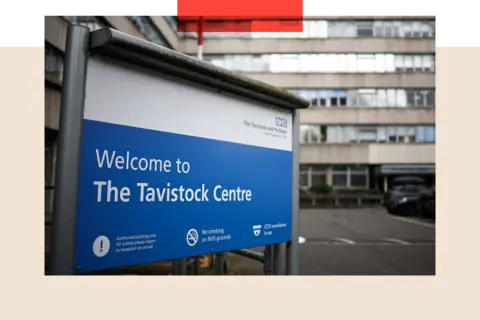
The Gender and Identity Development Service (GIDS) was established at London’s Tavistock Clinic in 1989


Puberty occurs in stages when different bodily changes occur. A third proposal could involve a second group being given drugs at a later stage in puberty than the first.

This would allow researchers to explore when the right time to give puberty blockers might be. For example, it would enable the researchers to see if starting the drugs early improves wellbeing by reducing gender-specific body changes. They would also be able to see whether starting the drugs earlier has a greater negative impact on bone density and brain development.

Children referred to GIDS also experienced higher rates of anxiety, depression, eating disorders, and autism compared to the general child population. Trial participants would continue to receive treatment related to these conditions but - so we know any differences in the results from the groups are down to the drug - they will need to be balanced for the above conditions.

All these considerations demonstrate the complexity of trying to obtain evidence in this area that is reliable and definitive.

What parents say


Many parents are watching closely to see how it will play out. Annabel (not her real name) is one of them. She is part of the Bayswater Group, a collection of parents with children who are questioning their gender who say they are "wary of medical solutions to gender dysphoria". She began looking into puberty blockers when her own daughter began questioning her gender in her early teens, an option put on the table by GIDS.

Ultimately her daughter decided not to take them. Annabel was not convinced there was enough evidence to show they were beneficial and she was unsure what it would mean for her daughter's long-term physical and psychological health.

Today, she still has unanswered questions - including some further ones around the trial. "A big concern for me is will this new trial, if it gets approval, give us the evidence that we want? Or will we end up with more weak data that Dr Cass said undermined decision making in this area?"

Natacha Kennedy, a lecturer at Goldsmiths, University of London who researches transgender issues, has examined the results of a survey of 97 parents of young people with gender-related distress that took place following the puberty blockers ban. She believes that puberty blockers should be an option available for young people questioning their gender and that many will not accept being part of a placebo group in a trial.

"These parents are desperate and if [they] get to a trial and it turns out their child is not being given the actual puberty blockers, then there is no point in them being there," she says.

"There may be some parents who would… find another way [to obtain the drugs]."

Whatever trial format is settled on, more scrutiny will follow. And there will no doubt be fierce debate about the merits of the trial and what it can tell us, as many scientists around the world are watching to see what happens in the UK.

But inevitably, there will be a long wait to fully understand the longer term effects on physical and mental health of those who take puberty blockers - and the long-term effects on those with gender-related distress who don't. Nor do we know how many people detransition, though the Cass report says, "there is suggestion that numbers are increasing".

"We really need to have long-term follow up," argues Annabel. "Can a child possibly understand what that means to their fertility and a loss of sexual function and what that will mean for their future life?"

For now, she and the scores of parents, carers and young people, can only watch and wait for the trial to begin and for its verdict - and what that means for whether puberty blockers will be prescribed to children once again in the future.


Deborah Cohen is a former BBC Newsnight health correspondent and is a Visiting Senior Fellow at LSE Health.

Top image: Getty

Saturday, November 30, 2024

UK

Assisted dying bill: How many Labour MPs voted for, against or didn’t vote


Photo: House of Commons

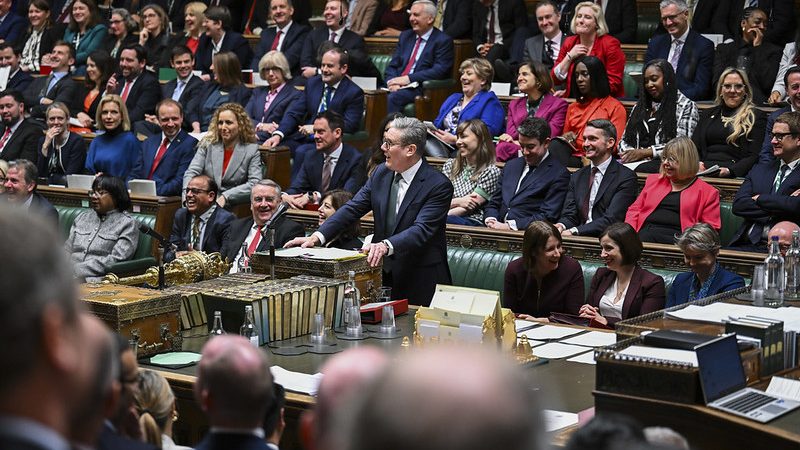
MPs have given their backing to Kim Leadbeater’s assisted dying bill at its second reading, with 330 MPs voting in favour of the motion after a morning of emotional debate in the House of Commons.

A total of 234 Labour MPs voted in favour of the motion, with 147 against and 22 not voting.

The bill would allow terminally ill people with a life expectancy of less than six months to receive assistance in ending their life.


How every MP voted on the Assisted Dying Bill

Yesterday
LEFT FOOT FORWARD


MPs have voted for the Assisted Dying Bill with a substantial majority


MPs voted this afternoon on the second reading of The Terminally Ill Adults (End of Life) Bill. The Bill seeks to legalise assisted dying by allowing adults who are terminally ill with less than six months to live take their own life at the time of their choosing.

The Bill has sparked intense discussion in Westminster. As MPs were given a free vote (they weren’t instructed how to vote by party whips), each MP has been deciding independently whether to support the legislation.

Supporters of the legislation argue that it will allow people who are terminally ill and in pain to have the freedom to end their life at the time of their choosing, and reduce their suffering. Opponents have argued that there are insufficient safeguards in place and it could lead to people being coerced into taking their own life.

The Bill passed its second reading in the Commons, with 330 MPs voting in favour and 275 MPs voting against. As a result, the legislation will now continue its journey through parliament.

The breakdown of MPs’ votes by party was as follows:Alliance: 0 for, 1 against, 0 did not vote
Conservative: 23 for, 93 against, 3 did not vote
Democratic Unionist Party: 0 for, 5 against, 0 did not vote
Green Party: 4 for, 0 against, 0 did not vote
Independent: 1 for, 14 against, 0 did not vote
Labour: 236 for, 148 against, 18 did not vote
Liberal Democrat: 61 for, 11 against, 0 did not vote
Plaid Cymru: 3 for, 1 against, 0 did not vote
Reform UK: 3 for, 2 against, 0 did not vote
Scottish National Party: 0 for, 0 against, 9 did not vote
Social Democratic and Labour Party: 1 for, 0 against, 1 did not vote
Traditional Unionist Voice: 0 for, 1 against, 0 did not vote
Ulster Unionist Party: 0 for, 1 against, 0 did not vote

45 MPs did not vote on the Bill. Many of them will have intentionally abstained – including the majority of Tory MPs missing from the list. Others may have been ‘paired’ – a mechanism used by MPs when they cannot attend a vote in the House of Commons where an MP from another party who would have voted differently to them agrees not to vote, or otherwise did not attend for health or other reasons.

In addition, the speaker of the House of Commons does not participate in votes, and MPs from Sinn Fein do not take their seats in parliament.

Below is a fill list of how every MP voted on the second reading of the Assisted Dying Bill.
MPs who voted for the Bill
Stephen Kinnock Labour Aberafan Maesteg
Connor Rand Labour Altrincham and Sale West
Mark Tami Labour Alyn and Deeside
Linsey Farnsworth Labour Amber Valley
Lee Anderson Reform UK Ashfield
Laura Kyrke-Smith Labour Aylesbury
Elaine Stewart Labour Ayr, Carrick and Cumnock
Claire Hughes Labour Bangor Aberconwy
Dan Jarvis Labour Barnsley North
Luke Murphy Labour Basingstoke
Jo White Labour Bassetlaw
Wera Hobhouse Liberal Democrat Bath
Alison McGovern Labour Birkenhead
Jess Phillips Labour Birmingham Yardley
Lorraine Beavers Labour Blackpool North and Fleetwood
Chris Webb Labour Blackpool South
Natalie Fleet Labour Bolsover
Kirith Entwistle Labour Bolton North East
Phil Brickell Labour Bolton West
Peter Dowd Labour Bootle
Richard Tice Reform UK Boston and Skegness
Tom Hayes Labour Bournemouth East
Peter Swallow Labour Bracknell
David Chadwick Liberal Democrat Brecon, Radnor and Cwm Tawe
Ruth Cadbury Labour Brentford and Isleworth
Chris Elmore Labour Bridgend
Ashley Fox Conservative Bridgwater
Chris Ward Labour Brighton Kemptown and Peacehaven
Siân Berry Green Party Brighton Pavilion
Carla Denyer Green Party Bristol Central
Kerry McCarthy Labour Bristol East
Damien Egan Labour Bristol North East
Karin Smyth Labour Bristol South
Callum Anderson Labour Buckingham and Bletchley
Oliver Ryan Labour Burnley
Jacob Collier Labour Burton and Uttoxeter
Christian Wakeford Labour Bury South
Peter Prinsley Labour Bury St Edmunds and Stowmarket
Perran Moon Labour Camborne and Redruth
Daniel Zeichner Labour Cambridge
Jo Stevens Labour Cardiff East
Anna McMorrin Labour Cardiff North
Alex Barros-Curtis Labour Cardiff West
Bobby Dean Liberal Democrat Carshalton and Wallington
Alan Gemmell Labour Central Ayrshire
Mel Stride Conservative Central Devon
Ben Lake Plaid Cymru Ceredigion Preseli
Tristan Osborne Labour Chatham and Aylesford
Marie Goldman Liberal Democrat Chelmsford
Max Wilkinson Liberal Democrat Cheltenham
Sarah Green Liberal Democrat Chesham and Amersham
Samantha Dixon Labour Chester North and Neston
Aphra Brandreth Conservative Chester South and Eddisbury
Toby Perkins Labour Chesterfield
Jess Brown-Fuller Liberal Democrat Chichester
Sarah Gibson Liberal Democrat Chippenham
Rachel Blake Labour Cities of London and Westminster
Becky Gittins Labour Clwyd East
Gill German Labour Clwyd North
Pam Cox Labour Colchester
Paul Davies Labour Colne Valley
Sarah Russell Labour Congleton
Lee Barron Labour Corby and East Northamptonshire
Emma Foody Labour Cramlington and Killingworth
Connor Naismith Labour Crewe and Nantwich
Natasha Irons Labour Croydon East
Chris Philp Conservative Croydon South
Sarah Jones Labour Croydon West
Jim Dickson Labour Dartford
Baggy Shanker Labour Derby South
John Whitby Labour Derbyshire Dales
Olly Glover Liberal Democrat Didcot and Wantage
Lee Pitcher Labour Doncaster East and the Isle of Axholme
Ed Miliband Labour Doncaster North
Chris Coghlan Liberal Democrat Dorking and Horley
Mike Tapp Labour Dover and Deal
Sonia Kumar Labour Dudley
Graeme Downie Labour Dunfermline and Dollar
Alex Mayer Labour Dunstable and Leighton Buzzard
Liz Saville Roberts Plaid Cymru Dwyfor Meirionnydd
James Murray Labour Ealing North
Deirdre Costigan Labour Ealing Southall
Yuan Yang Labour Earley and Woodley
Joani Reid Labour East Kilbride and Strathaven
Tom Rutland Labour East Worthing and Shoreham
Josh Babarinde Liberal Democrat Eastbourne
Liz Jarvis Liberal Democrat Eastleigh
Chris Murray Labour Edinburgh East and Musselburgh
Tracy Gilbert Labour Edinburgh North and Leith
Christine Jardine Liberal Democrat Edinburgh West
Clive Efford Labour Eltham and Chislehurst
Charlotte Cane Liberal Democrat Ely and East Cambridgeshire
Helen Maguire Liberal Democrat Epsom and Ewell
Adam Thompson Labour Erewash
Steve Race Labour Exeter
Euan Stainbank Labour Falkirk
Claire Hazelgrove Labour Filton and Bradley Stoke
Sarah Sackman Labour Finchley and Golders Green
Tony Vaughan Labour Folkestone and Hythe
Matt Bishop Labour Forest of Dean
Colum Eastwood Social Democratic & Labour Party Foyle
Anna Sabine Liberal Democrat Frome and East Somerset
Andrew Snowden Conservative Fylde
Mark Ferguson Labour Gateshead Central and Whickham
Michael Payne Labour Gedling
Maureen Burke Labour Glasgow North East
Sarah Dyke Liberal Democrat Glastonbury and Somerton
Jeremy Hunt Conservative Godalming and Ash
David Davis Conservative Goole and Pocklington
Caroline Dinenage Conservative Gosport
Tonia Antoniazzi Labour Gower
Melanie Onn Labour Great Grimsby and Cleethorpes
Rupert Lowe Reform UK Great Yarmouth
Matthew Pennycook Labour Greenwich and Woolwich
Zöe Franklin Liberal Democrat Guildford
Alex Ballinger Labour Halesowen
Kate Dearden Labour Halifax
Andy Slaughter Labour Hammersmith and Chiswick
Tulip Siddiq Labour Hampstead and Highgate
Chris Vince Labour Harlow
Victoria Collins Liberal Democrat Harpenden and Berkhamsted
Tom Gordon Liberal Democrat Harrogate and Knaresborough
Jonathan Brash Labour Hartlepool
Helena Dollimore Labour Hastings and Rye
John McDonnell Independent Hayes and Harlington
Lisa Smart Liberal Democrat Hazel Grove
David Taylor Labour Hemel Hempstead
Freddie van Mierlo Liberal Democrat Henley and Thame
Josh Dean Labour Hertford and Stortford
Oliver Dowden Conservative Hertsmere
Joe Morris Labour Hexham
Jon Pearce Labour High Peak
Luke Evans Conservative Hinckley and Bosworth
Alistair Strathern Labour Hitchin
Keir Starmer Labour Holborn and St Pancras
Richard Foord Liberal Democrat Honiton and Sidmouth
Catherine West Labour Hornsey and Friern Barnet
John Milne Liberal Democrat Horsham
Peter Kyle Labour Hove and Portslade
Harpreet Uppal Labour Huddersfield
Jas Athwal Labour Ilford South
Emily Thornberry Labour Islington South and Finsbury
Kate Osborne Labour Jarrow and Gateshead East
Joe Powell Labour Kensington and Bayswater
Rosie Wrighting Labour Kettering
Karl Turner Labour Kingston upon Hull East
Diana Johnson Labour Kingston upon Hull North and Cottingham
Emma Hardy Labour Kingston upon Hull West and Haltemprice
Fabian Hamilton Labour Leeds North East
Katie White Labour Leeds North West
Hilary Benn Labour Leeds South
Mark Sewards Labour Leeds South West and Morley
Rachel Reeves Labour Leeds West and Pudsey
Liz Kendall Labour Leicester West
Jo Platt Labour Leigh and Atherton
James MacCleary Liberal Democrat Lewes
Janet Daby Labour Lewisham East
Calvin Bailey Labour Leyton and Wanstead
Dave Robertson Labour Lichfield
Hamish Falconer Labour Lincoln
Maria Eagle Labour Liverpool Garston
Kim Johnson Labour Liverpool Riverside
Paula Barker Labour Liverpool Wavertree
Gregor Poynton Labour Livingston
Jeevun Sandher Labour Loughborough
Victoria Atkins Conservative Louth and Horncastle
Rachel Hopkins Labour Luton South and South Bedfordshire
Tim Roca Labour Macclesfield
Joshua Reynolds Liberal Democrat Maidenhead
Josh Simons Labour Makerfield
Lucy Powell Labour Manchester Central
Jeff Smith Labour Manchester Withington
Steve Yemm Labour Mansfield
Brian Mathew Liberal Democrat Melksham and Devizes
Gerald Jones Labour Merthyr Tydfil and Aberdare
Henry Tufnell Labour Mid and South Pembrokeshire
Andrew Cooper Labour Mid Cheshire
Vikki Slade Liberal Democrat Mid Dorset and North Poole
Susan Murray Liberal Democrat Mid Dunbartonshire
Peter Bedford Conservative Mid Leicestershire
George Freeman Conservative Mid Norfolk
Alison Bennett Liberal Democrat Mid Sussex
Luke Myer Labour Middlesbrough South and East Cleveland
Kirsty McNeill Labour Midlothian
Emily Darlington Labour Milton Keynes Central
Chris Curtis Labour Milton Keynes North
Catherine Fookes Labour Monmouthshire
Steve Witherden Labour Montgomeryshire and Glyndŵr
Lizzi Collinge Labour Morecambe and Lunesdale
Pamela Nash Labour Motherwell, Wishaw and Carluke
Lee Dillon Liberal Democrat Newbury
Jessica Morden Labour Newport East
Martin Wrigley Liberal Democrat Newton Abbot
Irene Campbell Labour North Ayrshire and Arran
Ben Maguire Liberal Democrat North Cornwall
Ian Roome Liberal Democrat North Devon
Luke Akehurst Labour North Durham
Louise Jones Labour North East Derbyshire
Wendy Chamberlain Liberal Democrat North East Fife
Alex Brewer Liberal Democrat North East Hampshire
Chris Hinchliff Labour North East Hertfordshire
Dan Norris Labour North East Somerset and Hanham
Ellie Chowns Green Party North Herefordshire
Steff Aquarone Liberal Democrat North Norfolk
Helen Morgan Liberal Democrat North Shropshire
Sadik Al-Hassan Labour North Somerset
Rachel Taylor Labour North Warwickshire and Bedworth
Sam Carling Labour North West Cambridgeshire
Kit Malthouse Conservative North West Hampshire
Amanda Hack Labour North West Leicestershire
James Wild Conservative North West Norfolk
Lucy Rigby Labour Northampton North
Alice Macdonald Labour Norwich North
Clive Lewis Labour Norwich South
Nadia Whittome Labour Nottingham East
Alex Norris Labour Nottingham North and Kimberley
Lilian Greenwood Labour Nottingham South
Jodie Gosling Labour Nuneaton
Alistair Carmichael Liberal Democrat Orkney and Shetland
Jade Botterill Labour Ossett and Denby Dale
Layla Moran Liberal Democrat Oxford West and Abingdon
Miatta Fahnbulleh Labour Peckham
Jonathan Hinder Labour Pendle and Clitheroe
Marie Tidball Labour Penistone and Stocksbridge
Markus Campbell-Savours Labour Penrith and Solway
Fred Thomas Labour Plymouth Moor View
Luke Pollard Labour Plymouth Sutton and Devonport
Yvette Cooper Labour Pontefract, Castleford and Knottingley
Alex Davies-Jones Labour Pontypridd
Neil Duncan-Jordan Labour Poole
Amanda Martin Labour Portsmouth North
Stephen Morgan Labour Portsmouth South
Georgia Gould Labour Queen’s Park and Maida Vale
John Healey Labour Rawmarsh and Conisbrough
Anna Turley Labour Redcar
Chris Bloore Labour Redditch
Rishi Sunak Conservative Richmond and Northallerton
Lauren Edwards Labour Rochester and Strood
Andy MacNae Labour Rossendale and Darwen
Jake Richards Labour Rother Valley
Sarah Champion Labour Rotherham
John Slinger Labour Rugby
Alicia Kearns Conservative Rutland and Stamford
Alison Hume Labour Scarborough and Whitby
Nicholas Dakin Labour Scunthorpe
Bill Esterson Labour Sefton Central
Keir Mather Labour Selby
Laura Trott Conservative Sevenoaks
Olivia Blake Labour Sheffield Hallam
Louise Haigh Labour Sheffield Heeley
Clive Betts Labour Sheffield South East
Michelle Welsh Labour Sherwood Forest
Julia Buckley Labour Shrewsbury
Kevin McKenna Labour Sittingbourne and Sheppey
Neil Shastri-Hurst Conservative Solihull West and Shirley
Pippa Heylings Liberal Democrat South Cambridgeshire
Roz Savage Liberal Democrat South Cotswolds
Samantha Niblett Labour South Derbyshire
Caroline Voaden Liberal Democrat South Devon
Lloyd Hatton Labour South Dorset
Anna Gelderd Labour South East Cornwall
Paul Foster Labour South Ribble
James Cartlidge Conservative South Suffolk
Terry Jermy Labour South West Norfolk
David Burton-Sampson Labour Southend West and Leigh
Kim Leadbeater Labour Spen Valley
Daisy Cooper Liberal Democrat St Albans
Noah Law Labour St Austell and Newquay
Andrew George Liberal Democrat St Ives
Ian Sollom Liberal Democrat St Neots and Mid Cambridgeshire
Leigh Ingham Labour Stafford
Kevin Bonavia Labour Stevenage
Chris Kane Labour Stirling and Strathallan
Gareth Snell Labour Stoke-on-Trent Central
Cat Eccles Labour Stourbridge
Manuela Perteghella Liberal Democrat Stratford-on-Avon
Steve Reed Labour Streatham and Croydon North
Andrew Western Labour Stretford and Urmston
Simon Opher Labour Stroud
Jenny Riddell-Carpenter Labour Suffolk Coastal
Lewis Atkinson Labour Sunderland Central
Al Pinkerton Liberal Democrat Surrey Heath
Luke Taylor Liberal Democrat Sutton and Cheam
Andrew Mitchell Conservative Sutton Coldfield
Torsten Bell Labour Swansea West
Will Stone Labour Swindon North
Heidi Alexander Labour Swindon South
Sarah Edwards Labour Tamworth
Shaun Davies Labour Telford
Cameron Thomas Liberal Democrat Tewkesbury
Kevin Hollinrake Conservative Thirsk and Malton
Claire Young Liberal Democrat Thornbury and Yate
Rachel Gilmour Liberal Democrat Tiverton and Minehead
Steve Darling Liberal Democrat Torbay
Jayne Kirkham Labour Truro and Falmouth
Mike Martin Liberal Democrat Tunbridge Wells
Alan Campbell Labour Tynemouth
Danny Beales Labour Uxbridge and South Ruislip
Kanishka Narayan Labour Vale of Glamorgan
Simon Lightwood Labour Wakefield and Rothwell
Angela Eagle Labour Wallasey
Stella Creasy Labour Walthamstow
Charlotte Nichols Labour Warrington North
Sarah Hall Labour Warrington South
Matt Western Labour Warwick and Leamington
Sharon Hodgson Labour Washington and Gateshead South
Matt Turmaine Labour Watford
Adrian Ramsay Green Party Waveney Valley
Gen Kitchen Labour Wellingborough and Rushden
Tessa Munt Liberal Democrat Wells and Mendip Hills
Andrew Lewin Labour Welwyn Hatfield
Sarah Coombes Labour West Bromwich
Edward Morello Liberal Democrat West Dorset
Dan Aldridge Labour Weston-super-Mare
Josh MacAlister Labour Whitehaven and Workington
Lisa Nandy Labour Wigan
Danny Chambers Liberal Democrat Winchester
Charlie Maynard Liberal Democrat Witney
Will Forster Liberal Democrat Woking
Clive Jones Liberal Democrat Wokingham
Pat McFadden Labour Wolverhampton South East
Warinder Juss Labour Wolverhampton West
Michael Wheeler Labour Worsley and Eccles
Beccy Cooper Labour Worthing West
Andrew Ranger Labour Wrexham
Emma Reynolds Labour Wycombe
Mark Garnier Conservative Wyre Forest
Adam Dance Liberal Democrat Yeovil
Llinos Medi Plaid Cymru Ynys Môn
Luke Charters Labour York Outer
Sarah Owen (Teller) Labour Luton North
Bambos Charalambous (Teller) Labour Southgate and Wood Green

MPs who voted against the Bill
Kenneth Stevenson Labour Airdrie and Shotts
Alex Baker Labour Aldershot
Wendy Morton Conservative Aldridge-Brownhills
Brian Leishman Labour Alloa and Grangemouth
Andrew Griffith Conservative Arundel and South Downs
Sojan Joseph Labour Ashford
Angela Rayner Labour Ashton-under-Lyne
Sean Woodcock Labour Banbury
Nesil Caliskan Labour Barking
Stephanie Peacock Labour Barnsley South
Michelle Scrogham Labour Barrow and Furness
Richard Holden Conservative Basildon and Billericay
Kirsteen Sullivan Labour Bathgate and Linlithgow
Marsha De Cordova Labour Battersea
Joy Morrissey Conservative Beaconsfield
Liam Conlon Labour Beckenham and Penge
Mohammad Yasin Labour Bedford
Gavin Robinson Democratic Unionist Party Belfast East
Neil Coyle Labour Bermondsey and Old Southwark
John Lamont Conservative Berwickshire, Roxburgh and Selkirk
Rushanara Ali Labour Bethnal Green and Stepney
Graham Stuart Conservative Beverley and Holderness
Kieran Mullan Conservative Bexhill and Battle
Daniel Francis Labour Bexleyheath and Crayford
Calum Miller Liberal Democrat Bicester and Woodstock
Preet Kaur Gill Labour Birmingham Edgbaston
Paulette Hamilton Labour Birmingham Erdington
Tahir Ali Labour Birmingham Hall Green and Moseley
Liam Byrne Labour Birmingham Hodge Hill and Solihull North
Shabana Mahmood Labour Birmingham Ladywood
Laurence Turner Labour Birmingham Northfield
Ayoub Khan Independent Birmingham Perry Barr
Sam Rushworth Labour Bishop Auckland
Adnan Hussain Independent Blackburn
Graham Stringer Labour Blackley and Middleton South
Liz Twist Labour Blaydon and Consett
Ian Lavery Labour Blyth and Ashington
Alison Griffiths Conservative Bognor Regis and Littlehampton
Yasmin Qureshi Labour Bolton South and Walkden
Imran Hussain Independent Bradford East
Naz Shah Labour Bradford West
James Cleverly Conservative Braintree
Dawn Butler Labour Brent East
Barry Gardiner Labour Brent West
Alex Burghart Conservative Brentwood and Ongar
Martin Vickers Conservative Brigg and Immingham
Darren Jones Labour Bristol North West
Jerome Mayhew Conservative Broadland and Fakenham
Peter Fortune Conservative Bromley and Biggin Hill
Bradley Thomas Conservative Bromsgrove
Lewis Cocking Conservative Broxbourne
Juliet Campbell Labour Broxtowe
James Frith Labour Bury North
Ann Davies Plaid Cymru Caerfyrddin
Chris Evans Labour Caerphilly
Jamie Stone Liberal Democrat Caithness, Sutherland and Easter Ross
Josh Newbury Labour Cannock Chase
Rosie Duffield Independent Canterbury
Stephen Doughty Labour Cardiff South and Penarth
Julie Minns Labour Carlisle
Rebecca Harris Conservative Castle Point
Patrick Spencer Conservative Central Suffolk and North Ipswich
Tom Morrison Liberal Democrat Cheadle
Ben Coleman Labour Chelsea and Fulham
Iain Duncan Smith Conservative Chingford and Woodford Green
Dan Tomlinson Labour Chipping Barnet
Christopher Chope Conservative Christchurch
Mary Kelly Foy Labour City of Durham
Nigel Farage Reform UK Clacton
Bell Ribeiro-Addy Labour Clapham and Brixton Hill
Frank McNally Labour Coatbridge and Bellshill
Mary Creagh Labour Coventry East
Taiwo Owatemi Labour Coventry North West
Zarah Sultana Independent Coventry South
Melanie Ward Labour Cowdenbeath and Kirkcaldy
Katrina Murray Labour Cumbernauld and Kirkintilloch
Margaret Mullane Labour Dagenham and Rainham
Lola McEvoy Labour Darlington
Stuart Andrew Conservative Daventry
Catherine Atkinson Labour Derby North
Iqbal Mohamed Independent Dewsbury and Batley
Sally Jameson Labour Doncaster Central
Nigel Huddleston Conservative Droitwich and Evesham
Helen Hayes Labour Dulwich and West Norwood
John Cooper Conservative Dumfries and Galloway
David Mundell Conservative Dumfriesshire, Clydesdale and Tweeddale
Rupa Huq Labour Ealing Central and Acton
Grahame Morris Labour Easington
Sammy Wilson Democratic Unionist Party East Antrim
Mims Davies Conservative East Grinstead and Uckfield
Stephen Timms Labour East Ham
Damian Hinds Conservative East Hampshire
Gregory Campbell Democratic Unionist Party East Londonderry
Blair McDougall Labour East Renfrewshire
Claire Coutinho Conservative East Surrey
Polly Billington Labour East Thanet
Danny Kruger Conservative East Wiltshire
Scott Arthur Labour Edinburgh South West
Kate Osamor Labour Edmonton and Winchmore Hill
Justin Madders Labour Ellesmere Port and Bromborough
Feryal Clark Labour Enfield North
Neil Hudson Conservative Epping Forest
Abena Oppong-Asare Labour Erith and Thamesmead
Monica Harding Liberal Democrat Esher and Walton
David Reed Conservative Exmouth and Exeter East
Suella Braverman Conservative Fareham and Waterlooville
Gregory Stafford Conservative Farnham and Bordon
Helen Whately Conservative Faversham and Mid Kent
Seema Malhotra Labour Feltham and Heston
Edward Leigh Conservative Gainsborough
Naushabah Khan Labour Gillingham and Rainham
John Grady Labour Glasgow East
Martin Rhodes Labour Glasgow North
Gordon McKee Labour Glasgow South
Zubir Ahmed Labour Glasgow South West
Patricia Ferguson Labour Glasgow West
Richard Baker Labour Glenrothes and Mid Fife
Alex McIntyre Labour Gloucester
Harriet Cross Conservative Gordon and Buchan
Gareth Davies Conservative Grantham and Bourne
Lauren Sullivan Labour Gravesham
Diane Abbott Labour Hackney North and Stoke Newington
Meg Hillier Labour Hackney South and Shoreditch
Paul Holmes Conservative Hamble Valley
Imogen Walker Labour Hamilton and Clyde Valley
Neil O’Brien Conservative Harborough, Oadby and Wigston
Bob Blackman Conservative Harrow East
Bernard Jenkin Conservative Harwich and North Essex
Alan Mak Conservative Havant
David Pinto-Duschinsky Labour Hendon
Jesse Norman Conservative Hereford and South Herefordshire
Roger Gale Conservative Herne Bay and Sandwich
Elsie Blundell Labour Heywood and Middleton North
Julia Lopez Conservative Hornchurch and Upminster
Bridget Phillipson Labour Houghton and Sunderland South
Ben Obese-Jecty Conservative Huntingdon
Sarah Smith Labour Hyndburn
Wes Streeting Labour Ilford North
Martin McCluskey Labour Inverclyde and Renfrewshire West
Angus MacDonald Liberal Democrat Inverness, Skye and West Ross-shire
Jack Abbott Labour Ipswich
Joe Robertson Conservative Isle of Wight East
Richard Quigley Labour Isle of Wight West
Jeremy Corbyn Independent Islington North
Robbie Moore Conservative Keighley and Ilkley
Jeremy Wright Conservative Kenilworth and Southam
Lillian Jones Labour Kilmarnock and Loudoun
Ed Davey Liberal Democrat Kingston and Surbiton
Emma Hardy Labour Kingston upon Hull West and Haltemprice
Anneliese Midgley Labour Knowsley
Sorcha Eastwood Alliance Lagan Valley
Richard Burgon Independent Leeds East
Shivani Raja Conservative Leicester East
Shockat Adam Independent Leicester South
Vicky Foxcroft Labour Lewisham North
Ian Byrne Independent Liverpool West Derby
Nia Griffith Labour Llanelli
Jess Asato Labour Lowestoft
Helen Grant Conservative Maidstone and Malling
John Whittingdale Conservative Maldon
Edward Argar Conservative Melton and Syston
Saqib Bhatti Conservative Meriden and Solihull East
Blake Stephenson Conservative Mid Bedfordshire
Greg Smith Conservative Mid Buckinghamshire
Jonathan Davies Labour Mid Derbyshire
Andy McDonald Labour Middlesbrough and Thornaby East
Siobhain McDonagh Labour Mitcham and Morden
Torcuil Crichton Labour Na h-Eileanan an Iar
Julian Lewis Conservative New Forest East
Desmond Swayne Conservative New Forest West
Robert Jenrick Conservative Newark
Chi Onwurah Labour Newcastle upon Tyne Central and West
Mary Glindon Labour Newcastle upon Tyne East and Wallsend
Catherine McKinnell Labour Newcastle upon Tyne North
Adam Jogee Labour Newcastle-under-Lyme
Ruth Jones Labour Newport West and Islwyn
Alan Strickland Labour Newton Aycliffe and Spennymoor
Jon Trickett Labour Normanton and Hemsworth
Jim Allister Traditional Unionist Voice North Antrim
Richard Fuller Conservative North Bedfordshire
Simon Hoare Conservative North Dorset
Alex Easton Independent North Down
Steve Barclay Conservative North East Cambridgeshire
David Smith Labour North Northumberland
Kemi Badenoch Conservative North West Essex
Mike Reader Labour Northampton South
Louie French Conservative Old Bexley and Sidcup
Jim McMahon Labour Oldham West, Chadderton and Royton
Gareth Bacon Conservative Orpington
Anneliese Dodds Labour Oxford East
Alison Taylor Labour Paisley and Renfrewshire North
Johanna Baxter Labour Paisley and Renfrewshire South
Andrew Pakes Labour Peterborough
Apsana Begum Independent Poplar and Limehouse
Mark Hendrick Labour Preston
Fleur Anderson Labour Putney
Mark Francois Conservative Rayleigh and Wickford
Matt Rodda Labour Reading Central
Olivia Bailey Labour Reading West and Mid Berkshire
Rebecca Paul Conservative Reigate
Maya Ellis Labour Ribble Valley
Sarah Olney Liberal Democrat Richmond Park
Paul Waugh Labour Rochdale
Andrew Rosindell Conservative Romford
David Simmonds Conservative Ruislip, Northwood and Pinner
Mike Amesbury Independent Runcorn and Helsby
Ben Spencer Conservative Runnymede and Weybridge
James Naish Labour Rushcliffe
Michael Shanks Labour Rutherglen
Rebecca Long Bailey Independent Salford
John Glen Conservative Salisbury
Gill Furniss Labour Sheffield Brightside and Hillsborough
Abtisam Mohamed Labour Sheffield Central
Anna Dixon Labour Shipley
Julian Smith Conservative Skipton and Ripon
Caroline Johnson Conservative Sleaford and North Hykeham
Tanmanjeet Singh Dhesi Labour Slough
Gurinder Singh Josan Labour Smethwick
Robin Swann Ulster Unionist Party South Antrim
James McMurdock Reform UK South Basildon and East Thurrock
John Hayes Conservative South Holland and The Deepings
Alberto Costa Conservative South Leicestershire
Ben Goldsborough Labour South Norfolk
Sarah Bool Conservative South Northamptonshire
Emma Lewell-Buck Labour South Shields
Stuart Anderson Conservative South Shropshire
Rebecca Smith Conservative South West Devon
Gagan Mohindra Conservative South West Hertfordshire
Andrew Murrison Conservative South West Wiltshire
Darren Paffey Labour Southampton Itchen
Satvir Kaur Labour Southampton Test
Bayo Alaba Labour Southend East and Rochford
Patrick Hurley Labour Southport
Lincoln Jopp Conservative Spelthorne
David Baines Labour St Helens North
Marie Rimmer Labour St Helens South and Whiston
Karen Bradley Conservative Staffordshire Moorlands
Jonathan Reynolds Labour Stalybridge and Hyde
Chris McDonald Labour Stockton North
Matt Vickers Conservative Stockton West
David Williams Labour Stoke-on-Trent North
Allison Gardner Labour Stoke-on-Trent South
Gavin Williamson Conservative Stone, Great Wyrley and Penkridge
Jim Shannon Democratic Unionist Party Strangford
Uma Kumaran Labour Stratford and Bow
Esther McVey Conservative Tatton
Gideon Amos Liberal Democrat Taunton and Wellington
Mark Pritchard Conservative The Wrekin
Jen Craft Labour Thurrock
Antonia Bance Labour Tipton and Wednesbury
Tom Tugendhat Conservative Tonbridge
Rosena Allin-Khan Labour Tooting
Nick Thomas-Symonds Labour Torfaen
Geoffrey Cox Conservative Torridge and Tavistock
David Lammy Labour Tottenham
Munira Wilson Liberal Democrat Twickenham
Carla Lockhart Democratic Unionist Party Upper Bann
Valerie Vaz Labour Walsall and Bloxwich
Katie Lam Conservative Weald of Kent
Andrew Bowie Conservative West Aberdeenshire and Kincardine
Douglas McAllister Labour West Dunbartonshire
James Asser Labour West Ham and Beckton
Ashley Dalton Labour West Lancashire
Nick Timothy Conservative West Suffolk
Tim Farron Liberal Democrat Westmorland and Lonsdale
Alec Shelbrooke Conservative Wetherby and Easingwold
Derek Twigg Labour Widnes and Halewood
Paul Kohler Liberal Democrat Wimbledon
Jack Rankin Conservative Windsor
Matthew Patrick Labour Wirral West
Priti Patel Conservative Witham
Sureena Brackenridge Labour Wolverhampton North East
Tom Collins Labour Worcester
Mike Kane Labour Wythenshawe and Sale East
Rachael Maskell Labour York Central
Florence Eshalomi (Teller) Labour Vauxhall and Camberwell Green
Harriett Baldwin (Teller) Conservative West Worcestershire

MPs with no vote recorded
Kirsty Blackman Scottish National Party Aberdeen North
Stephen Flynn Scottish National Party Aberdeen South
Seamus Logan Scottish National Party Aberdeenshire North and Moray East
Dave Doogan Scottish National Party Angus and Perthshire Glens
Stephen Gethins Scottish National Party Arbroath and Broughty Ferry
Brendan O’Hara Scottish National Party Argyll, Bute and South Lochaber
John Finucane Sinn Féin Belfast North
Claire Hanna Social Democratic & Labour Party Belfast South and Mid Down
Paul Maskey Sinn Féin Belfast West
Al Carns Labour Birmingham Selly Oak
Nick Smith Labour Blaenau Gwent and Rhymney
Jessica Toale Labour Bournemouth West
Judith Cummins Deputy Speaker Bradford South
Charlie Dewhirst Conservative Bridlington and The Wolds
Josh Fenton-Glynn Labour Calder Valley
Lindsay Hoyle Speaker Chorley
Peter Lamb Labour Crawley
Chris Law Scottish National Party Dundee Central
Ian Murray Labour Edinburgh South
Pat Cullen Sinn Féin Fermanagh and South Tyrone
Andrew Gwynne Labour Gorton and Denton
Gareth Thomas Labour Harrow West
Mike Wood Conservative Kingswinford and South Staffordshire
Cat Smith Labour Lancaster and Wyre
Alex Sobel Labour Leeds Central and Headingley
Ellie Reeves Labour Lewisham West and East Dulwich
Dan Carden Labour Liverpool Walton
Douglas Alexander Labour Lothian East
Afzal Khan Labour Manchester Rusholme
Cathal Mallaghan Sinn Féin Mid Ulster
Graham Leadbitter Scottish National Party Moray West, Nairn and Strathspey
Carolyn Harris Labour Neath and Swansea East
Dáire Hughes Sinn Féin Newry and Armagh
Geoffrey Clifton-Brown Conservative North Cotswolds
Debbie Abrahams Labour Oldham East and Saddleworth
Pete Wishart Scottish National Party Perth and Kinross-shire
Chris Bryant Labour Rhondda and Ogmore
Caroline Nokes Deputy Speaker Romsey and Southampton North
Chris Hazzard Sinn Féin South Down
Navendu Mishra Labour Stockport
Nusrat Ghani Deputy Speaker Sussex Weald
Órfhlaith Begley Sinn Féin West Tyrone


Chris Jarvis is head of strategy and development at Left Foot Forward


Assisted dying: ‘We should be proud of all MPs’ civil debate and serious reflection’


:

For all the speculation that the vote would be down to the wire, in the end the result was decisive. MPs, by a majority of 55, voted to back assisted dying, in stark contrast to another vote on the subject less than ten years ago.

For Labour, it was a vote that divided the party beyond traditional left-right splits, with everyone from ardent socialists to free-market thinkers walking almost hand in hand in their respective lobbies for the free vote in the Commons yesterday.

It was a split that was, and will be, evident at the Cabinet table, especially as the bill gets greater scrutiny.

While the Prime Minister and Chancellor both backed Kim Leadbeater’s bill, Health Secretary Wes Streeting and Justice Secretary Shabana Mahmood were vocal opponents against it.

One notable thing that united MPs of all parties, regardless of how they voted, was their respect for one another during such a sensitive debate.

The jeering and raucousness that we have come to expect from the Commons was, mostly, gone – instead replaced by respectful, thoughtful and considered contemplation of a bill of a nature of the scale of same-sex marriage, abortion and the abolition of the death penalty.

MPs spoke passionately for and against with deeply personal anecdotes, which left themselves and no doubt many in the chamber choked up.

Regardless of how you feel about the result, we should all be proud of our parliamentarians for treating the bill and the wider debate with the seriousness it deserves.

The debate on this issue should be held up as a gold standard that we should expect all our MPs to reach when debating any parliamentary matter.

LabourList had been tracking how Labour MPs were planning on voting today; by the time the vote came, roughly 160 were on our list as undecided or had not made their position public.

From a close look at the result, it is clear that a majority of those ended up voting to back the bill at second reading.

While many of those MPs will have their own reasons for that move, it appears to suggest a willingness, at least from the Labour benches, to carry on the conversation and debate without necessarily committing Parliament to passing this bill into law.

Any talk of the bill passing into law is premature, for the result only marks the beginning of a greater debate over whether assisted dying has a place in British society and, if so, what form it should take.

Many more hours of committee procedures, along with discussion in the House of Lords and eventually again in the Commons, and of course the media, are yet to come.

However, there is no denying the historic nature of yesterday’s vote – one that may not be matched for many years, if not decades, to come.


Why many disabled people oppose the Leadbeater Bill

NOVEMBER 26, 2024

Merry Cross surveys the Government’s latest attempts to cuts the benefits bill by bullying and explains disabled people’s opposition to the Assisted Dying Bill.

I wonder if the Parliamentary Labour Party has any idea of how many voters it has lost through its insistence on continuing the persecution of disabled people, which is so forensically documented in John Pring’s new book The Department: How a Violent Government Bureaucracy Killed Hundreds and Hid the Evidence.

The cuts to our eligibility for benefits as well as the value of them, started with a Labour Government decades ago and have been enthusiastically continued ever since. The results have been disastrous, not just for our physical and mental health, but for our families too. Add into that the reduction in our and our families’ spending power and its impact on the economy, the destruction of social care and the NHS and the absence of affordable, accessible housing and the obstacles to living, let alone living a dignified life, and these cuts have been multiplied many times. That is what being disabled means today, in one of the wealthiest countries on the planet.

Exactly how are we expected to find that holy grail of jobs, when there may be no-one available to help us get up and get ready to leave the house? How, when even if we and our families have managed that, do we get to a job when there is little or no accessible transport available? How do we hold down a job, even if it is working from home, when the medication we need may no longer be available from the NHS or we are unable to get appointments with our GPs?

Mr. Starmer, I am old enough to remember the first iteration of staff in Job Centres (which used to be the Social Security offices) who were there supposedly to help us find jobs. They knew zilch, nada, nothing at all about impairments or disability and were as useless as chocolate teapots then. Nothing has changed there and neither has the enthusiasm, or lack of it, amongst employers for offering us jobs. This has been massively exacerbated by the almost total destruction of the Access to Work scheme, which even 20 years ago wasn’t that great. Let’s face it, given that all the Government bullying to date hasn’t decreased the benefits bill, why tread the same path?

So, is it any surprise that many, many disabled people belonging to many different disability organisations are against the Assisted Dying Bill? Please don’t set too much store by Tom Shakespeare’s assertion that a “quiet majority are in favour of it” when he produces no evidence for that at all. Can you imagine how humiliating and terrifying it is to see a Government possibly preparing to spend money on ending our lives, rather than on helping us live with the dignity that those in favour of the Bill desire for the end of life?

Most disabled people are likely to have the greatest compassion for those who suffer and die perhaps in pain. But we contend that if they hadn’t witnessed, and then been subjected to the reduction in the quality, support for, and meaningfulness of our lives, perhaps they too would oppose the bill.

Our slogan is #AssistUsToLive.

Merry Cross has been a disability activist for fifty years and was among the first members of Disabled People Against Cuts, of which she also chaired a local branch for ten years.

Image: https://www.flickr.com/photos/lccr/2865509591. Creator: The Leadership Conference on Civil and Human Rights. Licence: Attribution-NonCommercial 2.0 Generic (CC BY-NC 2.0)

Assisted dying: Not the Church, not the state, I will decide my fate

NOVEMBER 25, 2024

By Joan Twelves

After Donald Trump’s recent presidential victory, a far-right tweet triumphantly declaring “Your body, My choice” went viral. This misogynistic phrase all too sadly sums up the debate over abortion rights in the US. But it’s also relevant to the current debate on assisted dying in the UK, which is set to be debated in Parliament this week.   

I’ve spent over 50 years campaigning for a woman’s right to choose whether and when she gives birth. I cannot separate that belief, either morally, philosophically or politically, from my belief that I – and all others – must have a right to choose whether and when I live or die.

As a former local councillor, my instincts are those of a politician, but, while it is politicians who are going to decide on whether I can have the right to die at a time of my choosing, my unflinching support for assisted dying is rooted in my lived experience.

Since my late teens I’ve suffered from Crohn’s disease, a condition that is agonising and incurable. I had extensive abdominal surgery in my twenties and again in my forties, resulting in the permanent removal of my bowel and much of my lower intestine. Despite occasional periods of remission, I have lived all of my adult life with intense pain, unpredictable (and potentially fatal) intestinal blockages, and all the problems associated with living with a stoma. When I was first ill, hardly anyone had heard of Crohn’s, and explaining what I was going through was nigh on impossible. I don’t do pity, and nor do I want to listen to others’ squeamishness about my bodily functions… So I rarely talk about it.

Crohn’s effectively stole the ‘90s and ‘00s from me – I had little energy, depression, brain fog, and only the barest interest in the politics which had been my life for the previous 20 years. When my late husband, Greg, become ill in the mid-‘00s it was a real struggle for me to care for him as I could barely care for myself.

New biological drugs gave me my life back in the early 2010s. But these wonder drugs, which I am still on, bring with them their own risks. Life expectancy for a woman with Crohn’s is nearly a decade less than the average. The biological and immunosuppressant drugs I have taken may be one of the reasons for that reduced life span. And, of course, Covid-19 loves to target those with weakened immunity, and the deadly threat of catching it has limited me to only the occasional trip into the outside world since 2020. Am I facing another lost decade?

The greatest risk to my life is intestinal blockage caused by the strictures and lesions of my several operations. Getting to hospital for morphine and rehydration is urgent, and even with morphine plus added steroids the pain will continue for several days, and I will be ill for some time afterwards.

Crohn’s isn’t my only ailment. Most of my body is creaking from the effects of 60 years of strong medications along with the wear and tear of age. In fact, these days when asked how I am, I usually respond with “Still here” or “How long have you got?” I officially have multiple chronic and complex comorbidities.

Chronic illness has defined most my adult life, but, just as I have tried not to let it limit what I can do, I have no intention of giving up yet. However, I know that one day the pain may become unbearable, and I want to be able to decide for myself that I don’t want any more of it, that I’m done.

Much of the debate over assisted dying has focused on the state of palliative care – something I know a bit about. Before Greg died of throat cancer at the age of 54, he used to call the palliative care people the ‘Death Squad’. He had already lost his voice, and he knew that the pain medication of offer would soon take away his personality and identity. For him that would have been a living death, as it would for me. We didn’t talk about assisted dying, but after over 30 years together we knew each other’s views. He wasn’t ready to die when he had a fatal arterial haemorrhage, but he had been told to ‘put his affairs in order’ – a chilling euphemism for saying it’s terminal.  

Palliative care works for some, but the arguments around assisted dying shouldn’t be a competition between improved palliative care and the right to die. In an advanced society, both should be available and both should be of equally high standard. Nobody should want to die because the palliative care isn’t good enough, or because hospices aren’t receiving the funding they need. On the other hand, nobody should be stopped from dying when they choose. Yes, robust protections must be in place to stop people being coerced into something they don’t want, but this risk isn’t a good enough excuse to deny those of us who truly want the right to choose when to die.

Think of it this way: would any supporter of abortion rights argue that it should be illegal while we wait for our gynae or maternity services to be improved? Similarly, should the risk of a young women being coerced into an abortion she doesn’t want mean that nobody else should be allowed to have one? The answer is clearly no and, much like abortion, assisted dying will continue to happen, so enshrining rights and protections into law will mean there can be proper safeguards to protect the vulnerable.

To me the argument of a ‘slippery slope’ is disingenuous. Did its advocates not notice the landslide at the height of the pandemic, when thousands were assisted to die without any choice? Again, legal safeguards and procedures are needed to protect medical staff as well as vulnerable patients.

Finally, MPs and many ministers may be struggling to come to a decision on this matter, but the UK public are crystal clear in their views. The latest YouGov poll shows substantial support for both the principle of assisted dying and the bill before Parliament. The study finds a super-majority of 73% in favour, with only 13% against, spanning all demographics and political parties.

Whatever our politicians decide, support for assisted dying isn’t going away. Although there are many sincere concerns about the proposals, there doesn’t seem to be anything that scrutiny during the passage of the bill and more investment in palliative care couldn’t fix. We must grasp this chance and ensure that dignity in death is a fundamental right down to the choice of the individual, not the state.

Joan Twelves is a Labour, trade union and community activist and former Labour Leader of Lambeth Council. This article originally appeared on her blog here.

Image: https://www.picpedia.org/chalkboard/a/assisted-dying.html License: Creative Commons 3 – CC BY-SA 3.0 Attribution: Alpha Stock Images – http://alphastockimages.com/ Original Author: Nick Youngson – link to – http://www.nyphotographic.com/