Sunday, May 24, 2026

Op-Ed: Recovering more metal from leach pads is mining’s quickest win
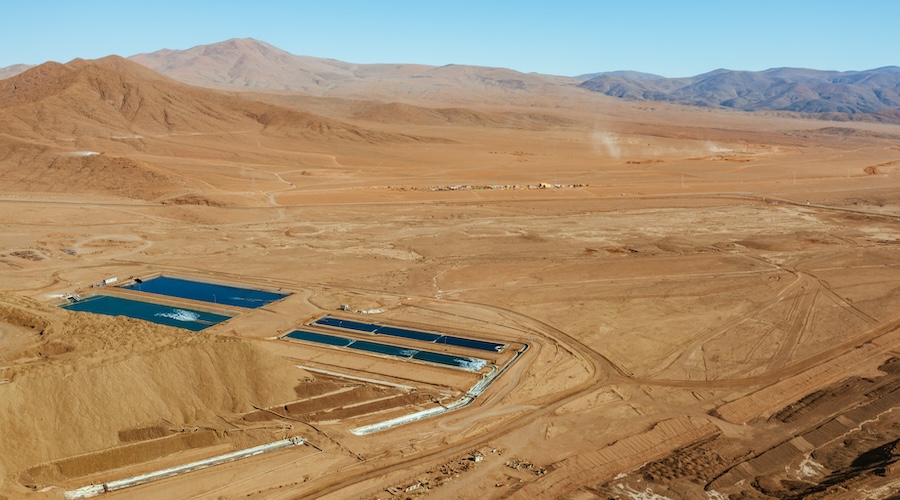

Leaching area in copper operation, Atacama, Chile. (Stock image by Jorge.)

Mining companies today are under intense pressure to increase their output of base, precious minerals as well as critical minerals, but bringing new production online is neither quick nor easy. 

The industry faces a structural squeeze: demand for copper, lithium and other critical minerals is rising faster than new projects can be permitted, financed and built. The International Energy Agency forecast supply gaps of 30% for copper and 40% for lithium by 2035 underscore the urgency, even before factoring in delays tied to permitting, construction and geopolitics. In that context, the most immediate gains may not come from new mines at all, but from extracting more value out of ore already stacked on leach pads.

The conventional route to higher production remains slow and capital intensive. Expansions require feasibility work, regulatory approvals and construction timelines that can stretch well beyond market cycles. By contrast, improving recovery within an existing footprint is one of the few levers operators can pull quickly. It does not replace long-term growth, but it can narrow the gap between supply and demand in the near term.

At the centre of that opportunity is a persistent inefficiency in heap leaching: uneven solution distribution. Variability across a pad—whether from slope, rock size, poor line spacing or pressure inconsistencies—creates wet and dry zones that limit how much metal is actually recovered. These are not marginal losses. Over time, they compound into meaningful production shortfalls that rarely show up clearly in headline metrics.

“The question is not whether solution is applied, but whether it is applied consistently across the entire pad for the full cycle,” operators focused on recovery performance often emphasize. “Without uniform distribution, large portions of the heap can be bypassed entirely.”

That inconsistency exposes one of the industry’s most costly assumptions—that metal missed in one lift will be recovered later. In practice, once fluid begins channeling through preferred pathways, subsequent applications tend to follow the same routes, leaving other zones under-leached. What appears to be delayed recovery is often permanent loss.

The implication is straightforward: recovery is not just a function of time, but of control. Precision irrigation systems that regulate pressure, flow and distribution across large pads offer a way to reduce variability and improve percolation. More uniform delivery allows solution to contact a greater portion of the ore body, increasing overall extraction while also reducing water use—an increasingly important consideration in water-constrained jurisdictions.

This is where operational discipline becomes as important as engineering. Mines that treat heap leaching as a controllable system—rather than a background process—tend to perform better. They invest in monitoring, automate where possible and focus on maintaining consistent conditions across the pad. The result is not just higher recovery, but more predictable outcomes.

The case for doing so is strengthened by broader industry pressures. Labour shortages are intensifying, with more than half of the US mining workforce projected to retire by 2029. That makes manual inspection and adjustment more difficult to sustain, particularly on large-scale operations. Automation and real-time visibility are no longer optional upgrades; they are becoming necessary tools to maintain performance.

What is often overlooked in discussions about future supply is how much metal is already within reach. The industry is rightly focused on new projects and critical mineral strategies, but it risks underestimating the volume that could be unlocked through better execution at existing sites. Incremental gains in recovery, applied across large operations, can translate into significant increases in output.

That is the core argument: the fastest production gains available to mining today are not buried in undeveloped deposits, but sitting in plain sight on current leach pads. Improving how those pads are managed will not solve the supply challenge on its own, but it offers a practical, immediate way to ease it.


** Tom Claridge is sales manager, Mining North, Netafim North America

Sinomine seeks $760 million for African lithium, copper projects


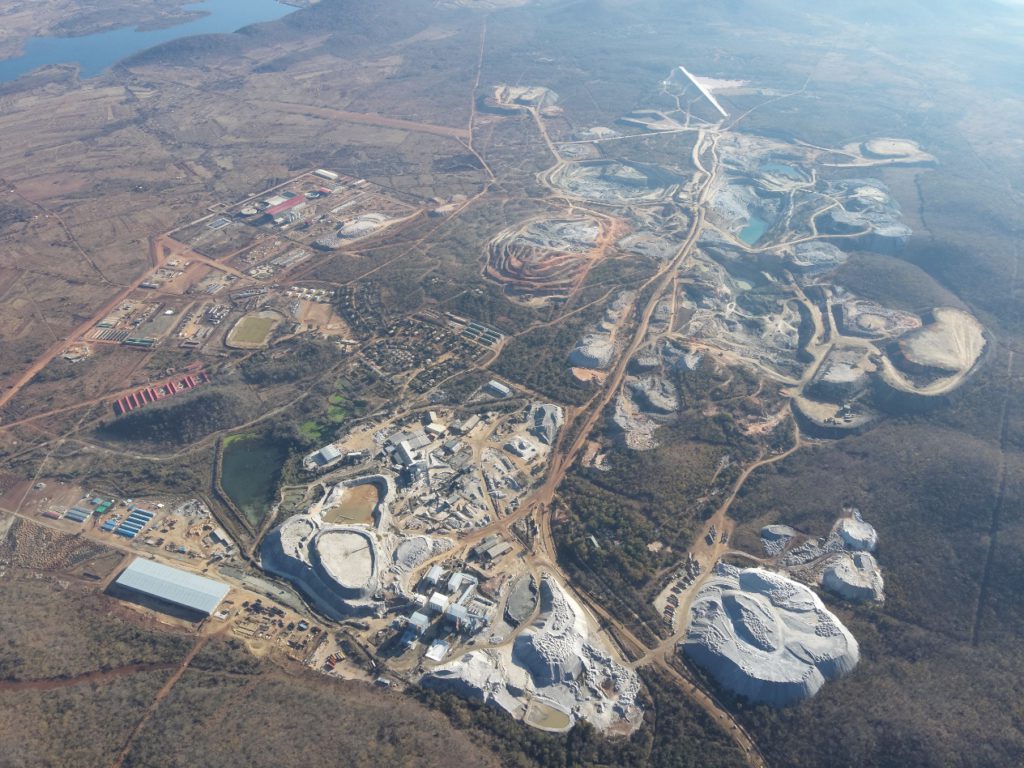
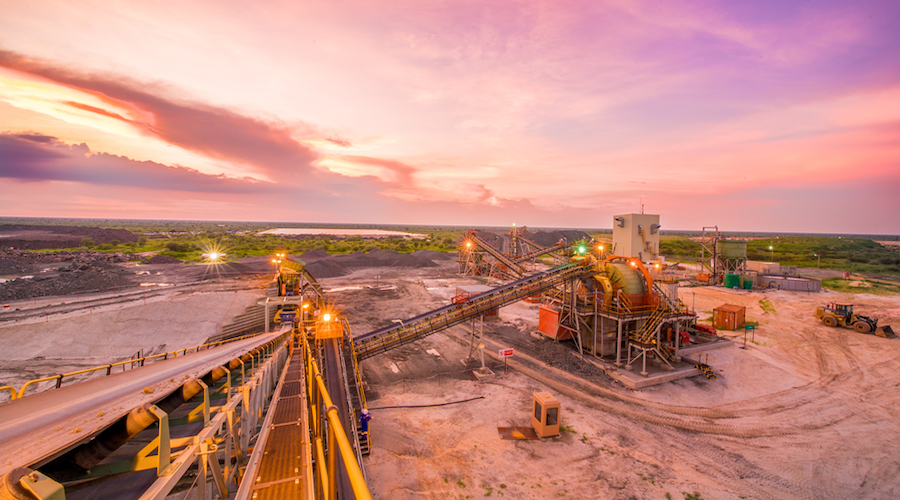
Bikita mine in Zimbabwe. Credit: Sinomine

China’s Sinomine Resource Group Co. is seeking as much as 5.2 billion yuan ($764 million) to fund projects in Africa, as it steps up investments in raw materials critical to the energy transition.

The company plans to raise capital through a private placement in China, with the proceeds used for its lithium sulfate plant in Zimbabwe, a copper mine in Zambia, a cesium and rubidium project in China’s Jiangxi province, and general cash flow improvements, according to a statement filed with the stock exchange on Tuesday.

Sinomine is among the Chinese companies that have invested heavily in Africa in recent years to secure raw materials for factories back home. The fundraising effort comes amid higher prices for lithium and copper, driven by supply concerns and strong demand expectations.

Zimbabwe recently unveiled export controls on lithium concentrate as part of its push to promote domestic refining of higher-value lithium sulfate. Sinomine’s local unit Bikita Minerals Ltd. has said it obtained approval to resume exports, adding that it will proceed with the planned construction of a $400 million sulfate facility.

The Chinese company said Tuesday it is increasing its total investment in Zambia’s Kitumba copper mine to speed up the project’s ramp-up. According to a separate filing, the mine is now expected to produce an average of about 38,000 tons of copper annually over 15 years.

(By Annie Lee)

Barrick intensifies Ebola screening at Kibali gold mine after Congo outbreak


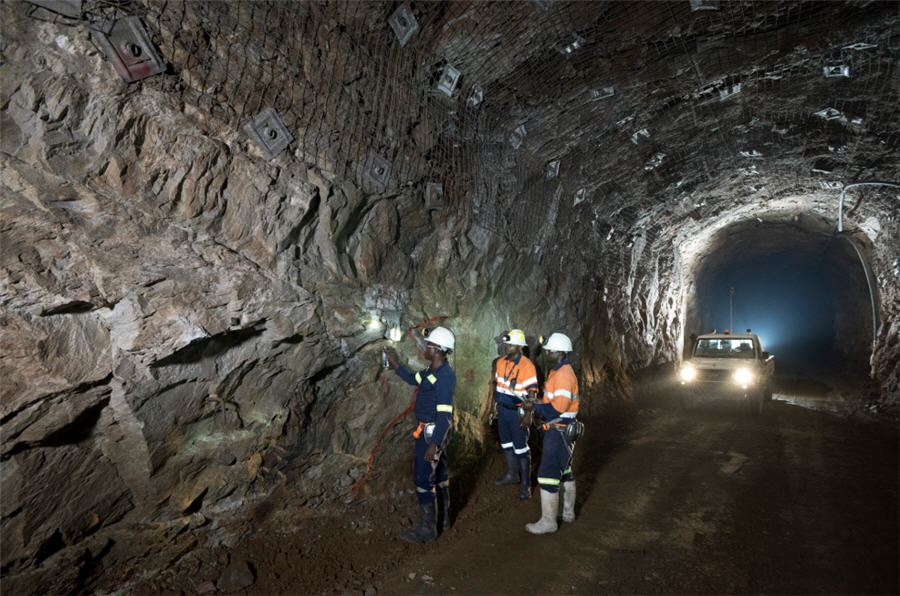
Underground at Kibali – Image courtesy of Randgold Resources

Barrick Mining has increased Ebola precautions at its Kibali gold mine in eastern Democratic Republic of Congo, with worker screenings and tracking measures after an outbreak in a neighbouring province, a spokesperson told Reuters on Tuesday.

Ebola, a deadly virus spread through bodily fluids, was detected in Congo’s Ituri province in early May but traced to late April. Officials have confirmed it has killed 131 people, saying the toll is likely to be higher.

At the Kibali gold mine, located in neighbouring Haut-Uele province, no workers have been affected, but a Barrick spokesperson said preventative measures were being implemented.

Specialists say the amount of mobility in eastern Congo’s mining and trading hubs, with frequent cross-border movement, makes containment a challenge.

Some Kibali workers originate from the affected province, a Barrick employee told Reuters, asking not to be named.

The person said Barrick’s response included daily temperature screenings and awareness campaigns.

In an emailed response, Toronto-headquartered Barrick said it requires its employees and contractors, around 7,600 in total, to declare where they are travelling from to help screen for potential cases.

It said it had begun a campaign to highlight the risks and explain the symptoms of Ebola at the weekend and that temperature screening, already begun, would be fully implemented by May 20.

Kibali, jointly owned by Barrick and AngloGold Ashanti with 45% each, and 10% by Congo state miner SOKIMO, is one of Africa’s largest gold mines.

Past Ebola outbreaks have had significant economic consequences. Epidemics in Congo between 2018 and 2020, and in West Africa between 2014 and 2016, killed thousands and disrupted trade, investment and mining operations across the region.

Kibali produced about 673,000 ounces of gold in 2025, with output expected between 600,000 and 688,000 ounces in 2026, according to annual reports.

(By Portia Crowe and Maxwell Akalaare Adombila; Editing by Veronica Brown, David Goodman and Barbara Lewis)


Military-backed intruders occupy huge cobalt deposit in Congo


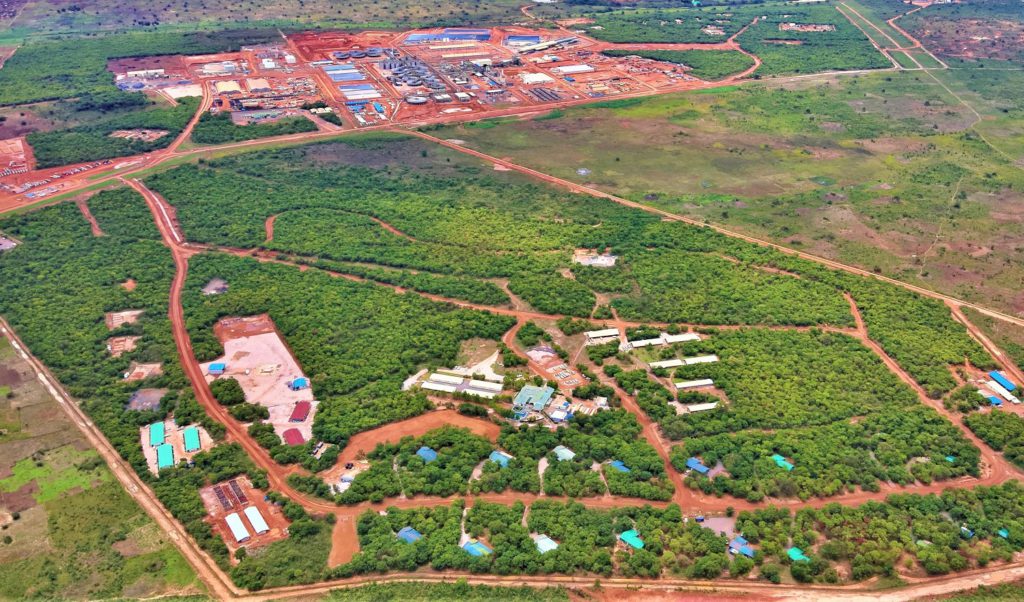
Metalkol operations in Congo. Credit: Eurasian Resources Group

In the heartland of the Democratic Republic of Congo’s mining industry, one of the world’s top cobalt producers says intruders have taken over a large part of its deposit and are exploiting the site on a near-industrial scale.

Around the city of Kolwezi, the earth holds seams of ore so rich in cobalt and copper that even the waste that’s contaminated the region over a century of mining contains billions of dollars of the metals. A single company holds the lucrative rights to reprocess more than 100 million tons of that waste, known in the industry as tailings.But recently, with prices for copper and cobalt soaring, staff at a Eurasian Resources Group subsidiary have watched as scores of laborers – protected by Congolese soldiers – have begun hauling the waste away by the truckload. It’s an incursion that ERG says is threatening the commercial viability of one of the world’s largest cobalt operations.

As Washington seeks to rein in China’s lead in Congo’s mining sector and politicians in Kinshasa take a more muscular approach to managing cobalt supply, comments from the company and correspondence seen by Bloomberg demonstrate how — far away from national capitals — mining investors are facing their own struggles in asserting their claims to the nation’s resources.

At the heart of the takeover is Fatou Ntete Etumba, a Congolese businessman who says the government has authorized his company to clean up a riverbed on ERG’s land, with the apparent backing of influential officials including an army general who’s under US sanctions. ERG says Etumba’s actions are illegal, and the nation’s mining ministry has stepped in to mediate.

Etumba didn’t respond to emails, messages and phone calls requesting comment.

The unfolding standoff inside the concession belonging to ERG’s Metalkol unit highlights the uneasy coexistence between international mining companies and the hundreds of thousands of Congolese citizens who also seek to earn a living from the country’s unrivaled mineral reserves. So-called artisanal miners routinely trespass on the outskirts of industrial mines, extracting metal in dangerous conditions.

But the events at Metalkol are of such a magnitude that ERG says its flagship asset in Congo could lose years of revenue if they continue unchecked, with its operating life potentially being cut by two-thirds. It says the tailings are being delivered to three Chinese-owned refineries nearby.

“This situation carries with it the known risks of illegal ASM,” ERG’s Africa division said in a statement to Bloomberg, referring to artisanal and small-scale mining.

Firm instructions

Congo’s uniquely rich geology has been a mixed blessing for the country’s population, very few of whom have shared in the benefits generated by an industry that’s been dogged by corruption scandals and environmental degradation. The rights to Metalkol’s tailings – which boast higher percentages of metal than most modern mines outside Congo – have been marked by controversy too.

ERG’s predecessor company – Eurasian Natural Resources Corp. – acquired them and other Congolese assets about a decade-and-a-half ago, triggering a bribery investigation in the UK that closed in 2023 due to “insufficient admissible evidence.”

Today, ERG models Metalkol as a commercially driven environmental rehabilitation initiative. Commissioned in 2018, the operation has become the world’s fourth-largest producer of cobalt, which is used in the car-making, electronics, aerospace and defense sectors. The company exports the battery metal under a quota set by Congo’s government, which also owns 10% of Metalkol.

But in February, the ERG subsidiary received a letter from Etumba stating that his company, Societe Cooperative Miniere Hosanna, was about to start its own remediation project inside Metalkol’s license.

Writing that Hosanna had a certificate from an agency within Congo’s environment ministry and “firm instructions” from Interior Minister Jacquemani Shabani, Etumba explained the little-known firm would imminently start dredging tailings to ensure the “ecological and social survival” of local communities. It planned to recover metal from the valuable waste to “contribute to national solidarity efforts” to support those living in Congo’s war-torn eastern region, he wrote.

The environment ministry declined to comment.

Soon after, Hosanna’s workers arrived at Metalkol’s concession, installing themselves in the river basin that holds more than 85% of the ERG unit’s remaining reserves.

Metalkol wrote to Shabani and Mines Minister Louis Watum in late February to protest Hosanna’s actions. The venture was the latest in a string of “invasion attempts by illegal miners,” Metalkol said.

Shabani responded on March 4, writing that his previous correspondence with Hosanna “hardly constituted authorization” for the operation. He told Bloomberg by email that his letter to Metalkol was “unequivocal” and his ministry “does not grant rights, let alone authorizations, to companies to carry out dredging and remediation.”

The government of Lualaba province – where Metalkol is located – told Bloomberg it “strongly supports” the national mines ministry’s intervention.

Nevertheless, Etumba’s company continued to expand its operations, and over recent weeks excavators and dump trucks have arrived to haul away the tailings, according to ERG. Congolese military personnel have blocked Metalkol staff from the area, ERG said.

The General Inspectorate of Mines — which falls under Watum’s ministry — told Bloomberg that it’s mediating between Metalkol and Hosanna and favors “a responsible and peaceful approach” to avoid the outbreak of insecurity, given the presence of artisanal miners and the local population. Hosanna is “not authorized to carry out the decontamination” of the river, it said.

Still, Hosanna has recently recruited artisanal miners who working around the clock to fill thousands of sacks with tailings, ERG told Bloomberg.

The section of the river basin being “targeted” by Hosanna holds around 45 million tons of tailings, according to ERG. If those volumes are removed, Metalkol’s lifespan as a major cobalt and copper supplier would be cut to three years, from about nine years, it said. ERG’s own production hasn’t been impacted yet, but those potentially lost years could ultimately see Metalkol miss out on sales in excess of $10 billion at current copper and cobalt prices.

Sanctioned general

Such operations are at the semi-industrial end of the broad spectrum of activity spanned by Congo’s artisanal mining sector, but Etumba’s project also stands out for his reliance on letters indicating backing from some powerful state officials.

In one, General Gabriel Amisi Kumba – the inspector general of Congo’s armed forces – wrote to Etumba commending his “initiative” and pressing government bodies including the country’s main intelligence agency and the military to “help accomplish this mission without hindrance.”

The US and EU sanctioned Amisi in 2016 over alleged involvement in human rights violations. Congo’s armed forces didn’t respond to a request for comment.

Some companies have privately complained to the authorities for years about illegal mining — ranging from diggers with spades to mechanized extraction — on their concessions. Kinshasa, meanwhile, is striving to bolster oversight of the informal sector, and plans to set up a new paramilitary unit to police the country’s mines.

Yet, even if the government does decide to expel Hosanna, it would be easier said than done now the firm and its workers have put down roots.

For now — under the watch of Congolese soldiers — Hosanna’s “illegal exploitation” is “getting worse day by day,” ERG said.

(By William Clowes)


AI rollout to boost metals-rich EM currencies, Barclays says


Stock image.

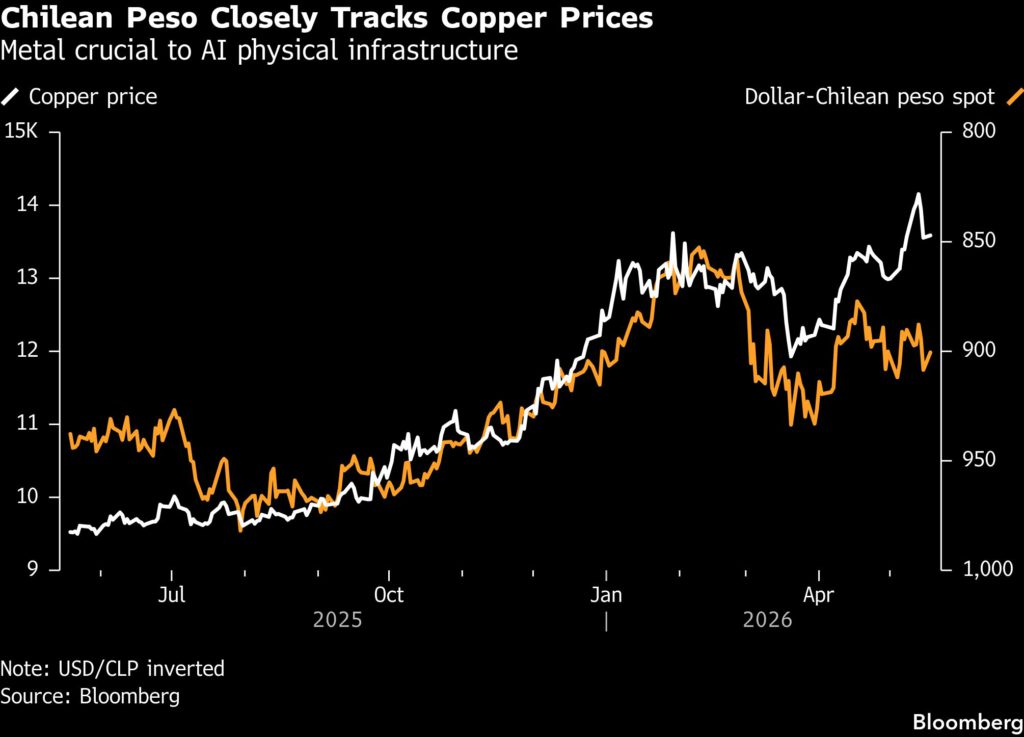
Currencies of emerging market nations that produce the metals and minerals key to artificial intelligence are set to get a boost in the coming years, according to Barclays Plc.

Chile, Peru, Brazil, Indonesia and China are among the developing nations that stand to benefit as the AI construction boom feeds into commodities prices, Barclays strategists wrote in their 2026 Equity Gilt Study, which analyzed the possible impact of AI and humanoid robotics.

Drawing a comparison with the China-led commodity boom in the early 2000s, those countries “should particularly benefit from this momentum, experiencing an increase in exports, improving terms of trade and rising investment,” they wrote.

Among the emerging markets cited in the report, Chile and Peru are big exporters of copper, which is critical for AI-related electrification due to its heavy use in power grids, transmission infrastructure and data center wiring. Indonesia is the top producer of nickel, a key input for the batteries and energy storage needed to support rising electricity demand from AI.

China, meanwhile, has a grip on rare earth magnets that are vital for chip-making equipment, data center infrastructure, robotics and many other areas.

(By Georgia Hall)


Trafigura-backed Terrafame studies producing scandium in Finland

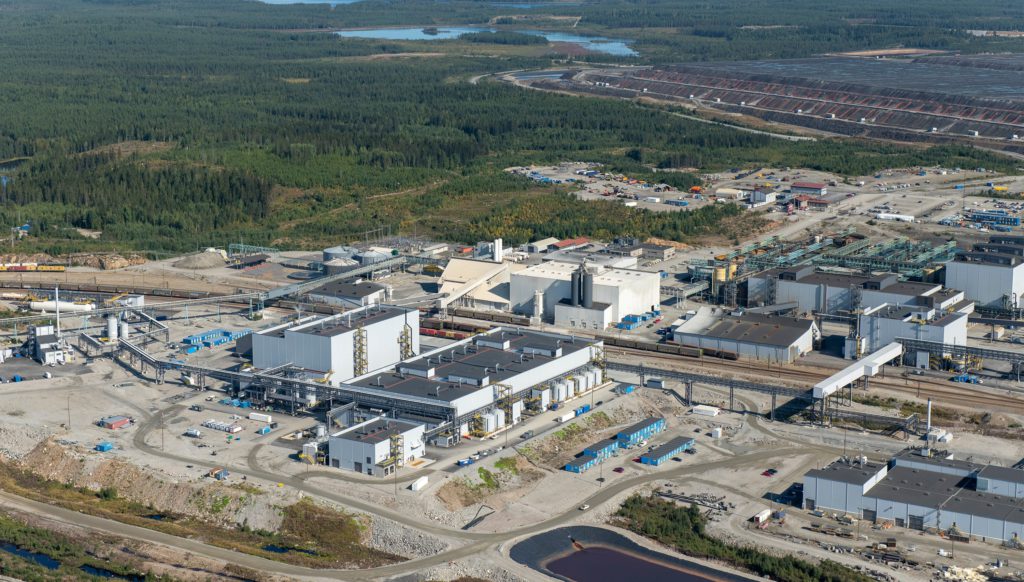
Terrafame’s battery chemicals plant. Credit: Terrafame

Metals firm Terrafame is studying starting producing scandium, a material used in sectors including defense, from its existing uranium operation in Finland, as Europe seeks to secure supplies of critical minerals.

The company, backed by trading house Trafigura Group, has begun a pre-feasibility study to assess obtaining the rare earth metal using a side stream at its uranium recovery plant, it said in a statement on Tuesday. Starting production would make Terrafame Europe’s sole producer of scandium, it said.

Rare earths are among the most critical raw materials on the planet — used in everything from iPhones and cars to data centers and MRI machines — and have been caught up in geopolitical tensions between the West and China, which maintains a chokehold over supplies. Scandium was one of the rare earths that Beijing last year restricted exports of in retaliation to US tariffs.

Terrafame said that about 85% of global scandium supply comes from China. The company said the targeted end-use for the scandium produced would be in high-performance aluminum alloys, where its properties allow lighter, stronger, and more durable components. It will also approach potential customers and look at opportunities regarding national strategic stockpiling initiatives.

“By exploring the recovery of scandium from Terrafame’s existing ore feed, we are utilizing the full value of our resources, while also addressing the need for domestic European supply of this critical metal,” Terrafame chief executive officer Antti Koulumies said in the statement.

Terrafame expects to complete the study by year-end and targets a final investment decision early 2027, with production then estimated to start after two years.

(By Annie Lee)

China sets new mining controls, to fast-track strategic reserve buildout

Adobe Stock image.

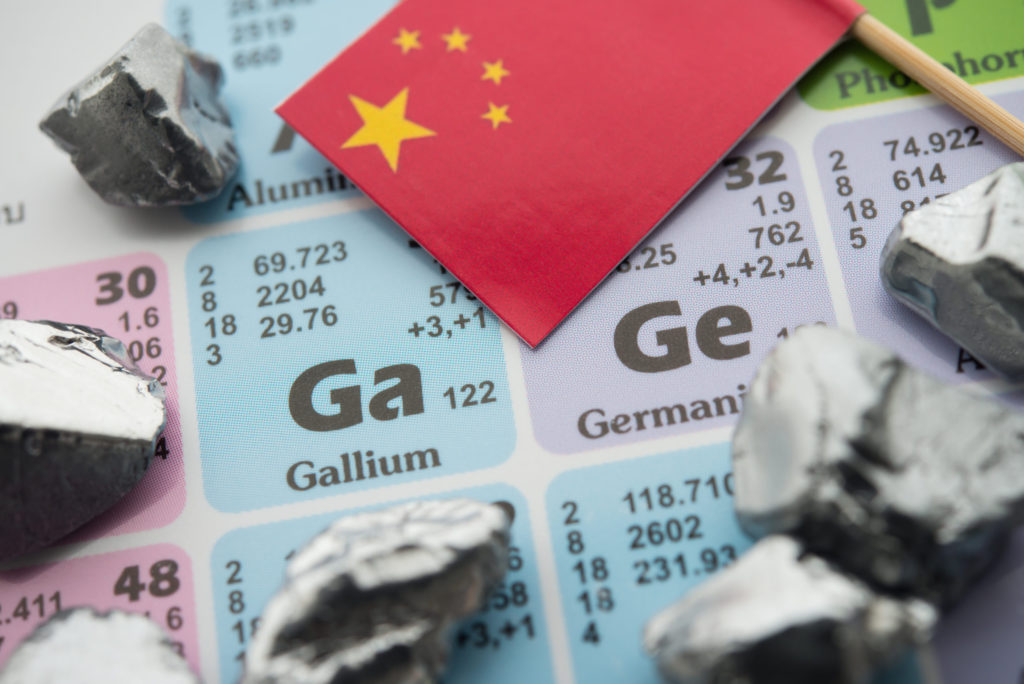
The Chinese government plans to impose mining controls on certain minerals to ensure its security of supply, in a move that could further enhance Beijing’s chokehold on the global flow of key resources.

Stricter rules including security reviews on foreign investments in the Chinese mining sector are set to take effect on June 15, according to a notification published by the official Xinhua news agency on Wednesday. It did not specify which minerals will be covered under these new measures.

The regulations are designed to “promote the rational development and utilization of mineral resources, strengthen the protection of its environment, advance the high-quality development of the mining industry, and safeguard China’s mineral resource security,” the government bulletin stated.

In addition to tighter mining controls, Beijing also intends to speed up its construction of strategic mineral reserve ​sites. A new rule has been set for mineral reserves to be kept at their source for a minimum of five years, with post-term reviews by State ​Council authorities to determine any extensions ​or adjustments.

Trump-Xi summit fallout

The announcement highlights the intensified global competition for minerals that are pivotal to the build-out of advanced technologies and defense applications.

China currently serves as the single-biggest source for many rare earth elements, for which it controls over 60% of the mined supply and nearly all of its processing.

For over two decades, the state has imposed strict controls on rare earths through annual production quotas, and last year leveraged its market dominance to limit their exports to retaliate against US tariffs. This led to prices of some minerals like yttrium to skyrocket, while also leaving many Western manufacturers severely short on supply.

The new rules come just days after the long-anticipated summit between Chinese leaders and US President Donald Trump. The issue of rare earth export controls and whether they would be eased became a hot topic, as shipments of minerals to America were still shown to be lagging, according to customs data.    


On Sunday, the White House put out a statement that Beijing had agreed to address concerns around shortages of rare earths such as yttrium as well as other critical minerals. 
The Chinese government, in light of setting the new mining controls, confirmed that both sides had discussed the issue and would study and resolve “each other’s reasonable and lawful concerns,” according to a statement cited by Reuters


Gem Diamonds’ large stones lift quarterly revenue

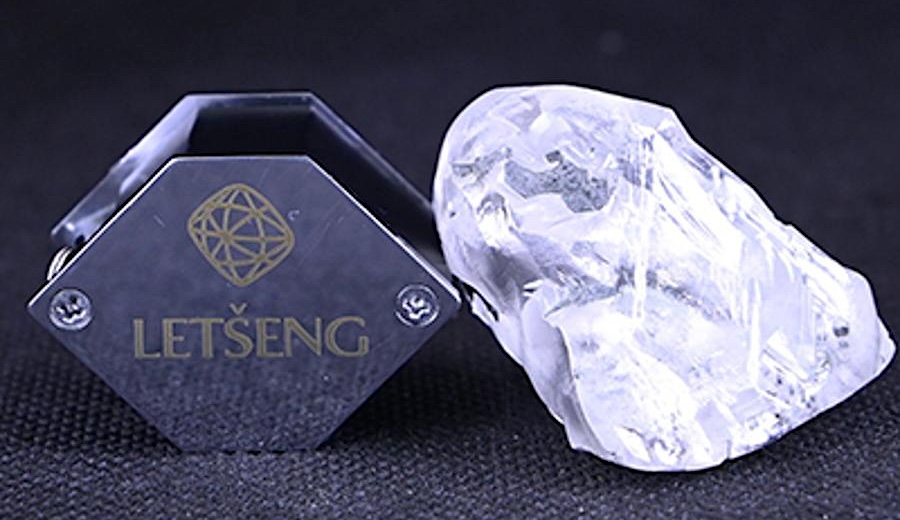
Letšeng diamond mine in Lesotho. (Image courtesy of Gem Diamonds.)

Gem Diamonds’ (LON: GEMD) posted $32.1 million in revenue for the quarter ended March 31, driven by sales of large high-value diamonds despite lower overall carat sales.

The Africa-focused miner said Wednesday its first export sale of the year totalled 16,727 carats at an average price of $1,501 per carat, up 17% from the previous quarter. 

Gem also sold an additional parcel of 10 diamonds larger than 10.8 carats, including a 191.82-carat Type IIa white diamond, generating $7 million in revenue during the period. The remaining production from that parcel will be sold in the second quarter.

“Large exceptional diamonds continue to underpin LetÅ¡eng’s value proposition,” the company said, highlighting that four stones sold for more than $1 million each and generated a combined $9.9 million in revenue.

The highest price achieved during the quarter was $32,908 per carat for a 52.24-carat white diamond. 

Further finds

Gem Diamond also recovered two stones larger than 100 carats during the period, including a 191.82-carat stone and a 100.71-carat faint yellow diamond scheduled for sale in the second quarter.

A 193.07ct Type II White diamond, recovered at Letšeng in January. (Image courtesy of Gem Diamonds.)

Production at the company’s flagship LetÅ¡eng mine in Lesotho was weighted toward the lower-grade Main Pipe, in line with the mine plan, reducing contribution from the higher-value Satellite Pipe. 

Ore treated slipped 3% quarter-on-quarter to 1.33 million tonnes, while carats recovered rose 3% to 21,605. Carats sold fell 21% to 16,727 because some production was deferred into the second quarter.

The results suggest Letšeng continues to benefit from demand for rare large diamonds even as the broader diamond sector faces weaker pricing and cautious consumer spending. Gem said all operational and financial metrics remain within its 2026 guidance.

US wants Ukraine to help ease restrictions on Belarus potash

IN COMPETITION WITH CANADA


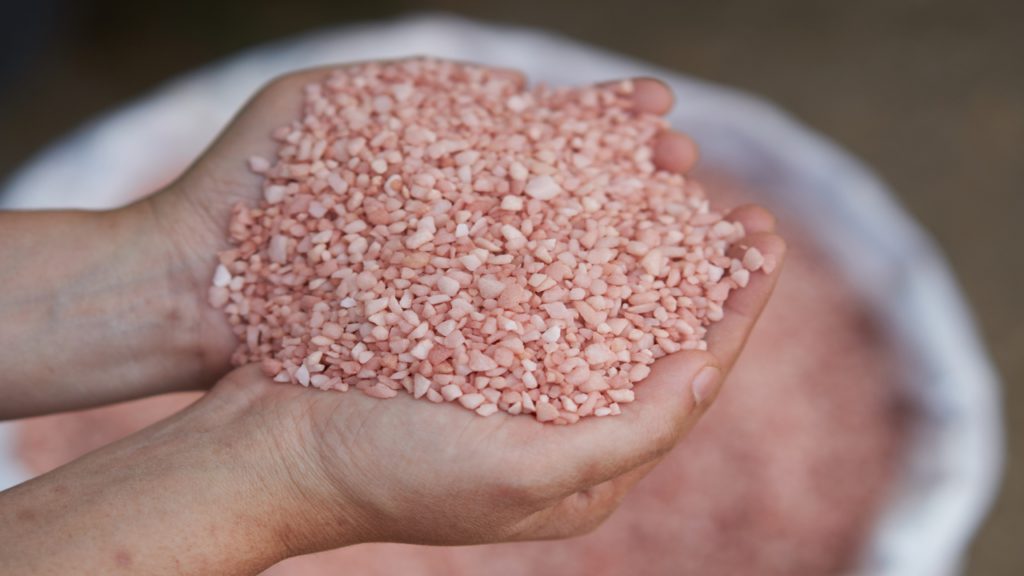
Potash is mined for its use in fertilizers. Stock image.

Te US is pushing Ukraine to ease restrictions on imports of potash fertilizers from Belarus and has asked Kyiv to make the case with European nations toh do so as well, according to people familiar with the matter.

Potash, the soil nutrient which is used to improve crop yields, was a major source of foreign-currency revenue for Belarus before western sanctions imposed over political repression and for aiding Moscow’s war against Ukraine stifled exports.

Washington has argued that dropping restrictions could help put some distance between Belarus and Russia and improve relations with Minsk, said the people, who spoke on condition of anonymity to discuss private discussions.

The US already lifted some of its own restrictions on fertilizers from Belarus earlier this year as part of a deal that saw hundreds of political prisoners released by the regime of President Alexander Lukashenko.

The administration Donald Trump has sought to rebuild ties with the authoritarian leader and a close ally of Russian President Vladimir Putin.

But without the lifting of European sanctions, the impact is limited by the fact that Belarus cannot use its traditional shipping routes via Baltic Sea terminals and will have to rely on Russian ports and railways instead. Countries such as Poland and Lithuania would be key for transit.

Ukraine Foreign Ministry didn’t respond to a request for comment.D

The US is ready for additional engagement with Belarus that advances its interests and will continue diplomatic efforts to free political prisoners, a State Department spokesperson said.

The US also made it clear to Lukashenko that this sanctions relief can’t be abused including to support Russia’s war in Ukraine, according to the spokesperson. The Belarusian president will have to demonstrate sustained improvement in his behavior and fulfil his pledges to end all politically-motivated arrests as sanctions can be reapplied at any time, the spokesperson said.

Lithuanian Foreign Minister Kestutis Budrys was reported as saying at a close-door ruling party meeting last week that his country and others in the region are starting to sense pressure from the US about the transit of potash.

When asked about the report from BNS newswire, the minister said that “the situation is changing a little; I can say that there’s additional activity from the US side.”

The office of Lithuania’s president sought to tone down the comments on Tuesday, saying that there was no pressure from the US but only theoretical discussions on the issue. Lithuania has no plans to change its transit ban for national security reasons and because doing so would run counter to EU sanctions, it said.

President Gitanas Nauseda said he’d support extending the sanctions next year because the Belarusian regime hasn’t changed its behavior and continues to assist Russia. Lukashenko allowed Moscow’s forces to invade Ukraine from Belarusian territory in 2022.

President Volodymyr Zelenskiy warned this month that Minsk risks getting dragged deeper into Moscow’s war and suggested — without providing any evidence — that Belarus could become a staging ground for renewed attacks.

Minsk announced on Monday that its armed forces would conduct snap nuclear exercises alongside Russian allies.


After the US sanctioned key supplier Belaruskali in 2021, Belarus redirected potash sales through Russia, increasing Lukashenko’s economic dependence on the Kremlin.


Washington’s move to lift sanctions may do little to weaken that link unless the EU lifts its ban. EU restrictions forbid the flow of Belarusian potash through Lithuania — once the key export hub for the fertilizer — to its seaport of Klaipeda.

There are no signs the EU is looking to ease its restrictions on Belarus, said the people.


Indonesia’s radical export experiment upends its commodity trade

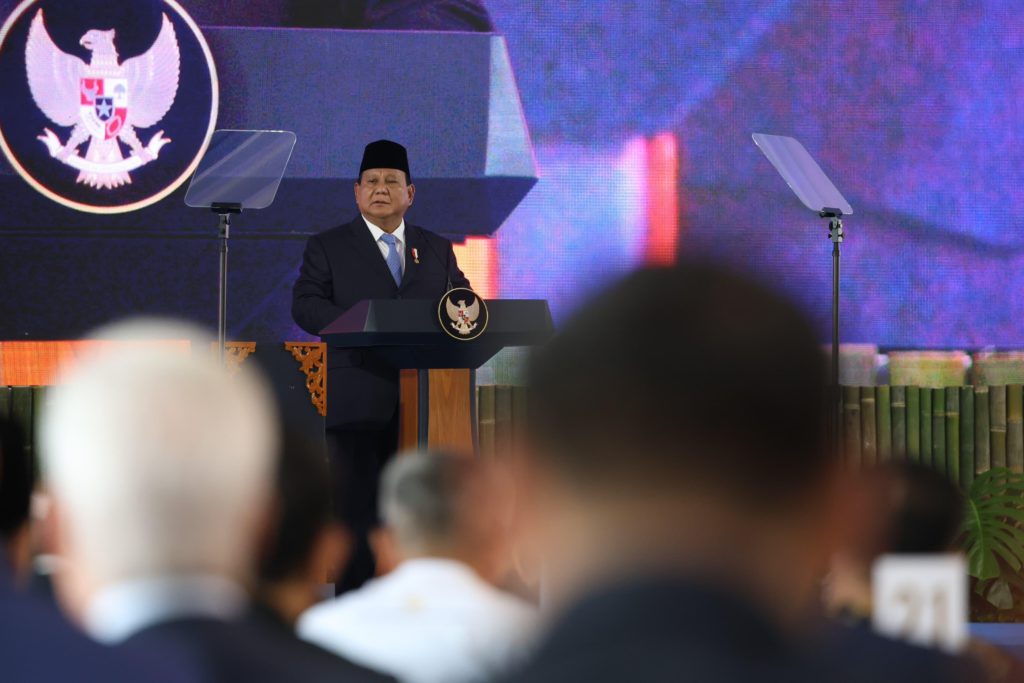
Indonesian president Prabowo Subianto. Credit: Prabowo Subianto via X

Indonesia’s radical plan to take control of key commodity exports has left the country’s coal miners, palm-oil producers and traders racing to understand details of a policy that throws into upheaval one of the country’s biggest industries.

Rumors of an unprecedented shake-up began circulating on Tuesday and sent shares in Indonesian miners and palm producers sliding. Traders and producers questioned whether President Prabowo Subianto would take such a step — extreme even for an administration has already sought to centralize state assets into a sovereign-wealth fund which answers to the president.

Then, during a speech to lawmakers on Wednesday, Prabowo announced that starting with palm oil, coal and ferroalloys, one of the world’s top commodity producers would require all shipments to go through a government-created company. The effort, he said, was intended to curb “under-invoicing and under-accounting” and to have a greater say in price.

“This is resource nationalism on steroids,” said Tom Price, senior commodities analyst at investment bank Panmure Liberum Ltd. “The policy will eventually retard mining investment in Indonesia. It’s a warning shot for nickel.”

Southeast Asia’s largest economy has introduced audacious export policies before, banning some metal ores in 2020 and 2023, for example, in order to encourage foreign investment in processing operations. It has occasionally stepped in to protect domestic consumers too — during the last major energy crisis four years ago, Indonesia restricted both coal and palm oil exports.

Prabowo has also repeatedly taken aim at foreign entities and the country’s wealthy, and has seized millions of hectares of plantations and mining operations since coming to power in 2024.

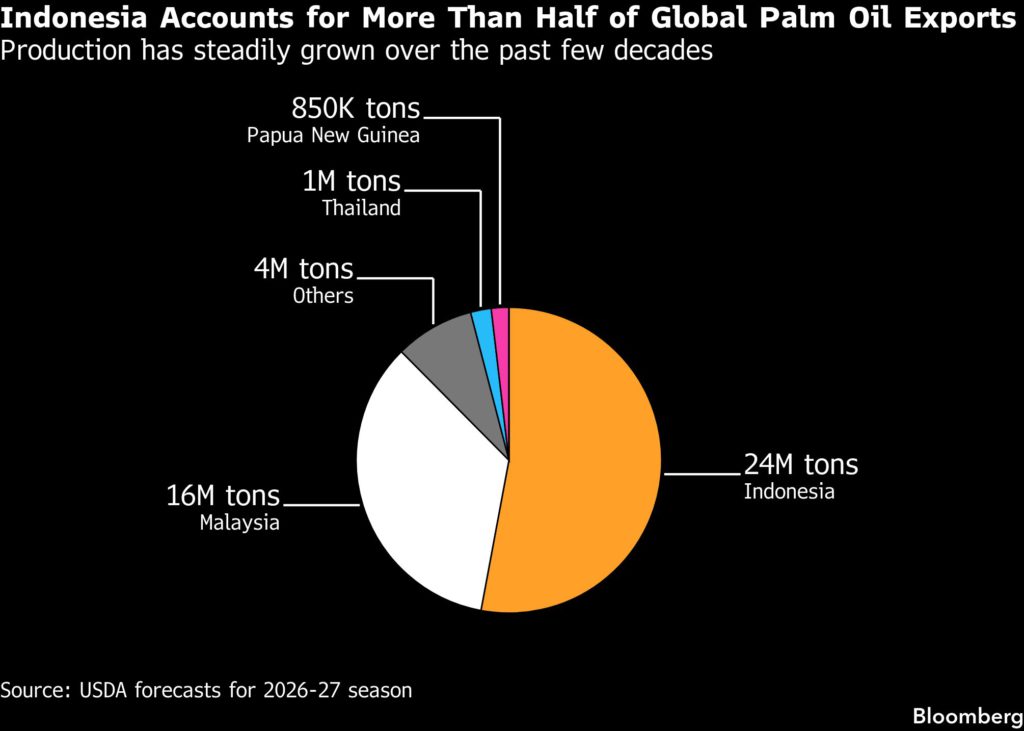
But Indonesia is the world’s largest producer and exporter of palm oil, the top seller of thermal coal and a dominant source of nickel, a vital battery material — ensuring the latest step to remake an entire industry comes with global ripple effects.

“If the exports are not managed properly, we may lose our export market,” said Eddy Martono, chairman of the Indonesian Palm Oil Association, known as Gapki.

Palm stocks fell on the announcement, with First Resources Ltd. sliding as much as 9.3% in Singapore, while Golden-Agri Resources Ltd. fell to a five-month low. MP Evans Group Plc and AEP Plantations Plc, which both have plantations in the country, fell more than 15%. Buyers of the vegetable oil, used for everything from fuel to ice cream, said the move would mean a restricted and opaque market, encouraging them to look elsewhere.

Just as large consumers like China periodically assert their clout, major producer nations have also sought to take greater control of their resources. Indonesia has long struggled to turn its natural wealth into sustained economic growth, in part because of trades routed outside the country to cut tax and maximize profit.

Outside command economies, however, few have sought a degree of export control akin to what Indonesia has announced.

“A state-linked sole export structure would be a major break from today’s market, shifting power from private traders — some already saying they may lose their jobs — toward a politically managed export channel, with echoes of Suharto-era gatekeeping instincts,” said Khor Yu Leng, an economist at Segi Enam Advisors in Singapore. “End users will be asking whether Indonesia remains a market-driven supplier or a politically mediated one.”

Traders at risk

Currently, Indonesia’s exports are handled by a mix of domestic and foreign commodity merchants who link disparate suppliers, customers and manage the risks involved in bringing them together. Much of the country’s production is also tied up in long-term contracts with foreign buyers.

The future of those deals — and of the work of commodity traders who have decades of experience in Indonesia, including from international heavyweights like Glencore Plc, Trafigura Group Pte Ltd. and Wilmar International Ltd. — is unclear. There has been no official communication to companies, according to producers reached by Bloomberg.

Some traders said the contracts may remain in place for now, explaining Wednesday’s relatively muted market reaction. They asked not to be named as they are not authorized to speak publicly.

Others said the market was already bracing for the next development. Exporters will be required to report their sales to Danantara, the fund set up by Prabowo, starting June 1, according to chief executive officer Rosan Roeslani.

Coordinating Economic Minister Airlangga Hartarto said Danantara would begin handling contracts, shipping and export-payment processes for strategic commodities from September.

Previous attempts to interfere with exports have been met by buyer strikes from China, a vital market. Last year Energy Minister Bahlil Lahadalia attempted to force foreign sellers to use a government coal price benchmark that Chinese traders saw as inflated, causing them to cease purchases until the government backtracked on the policy.

Indonesia has far greater clout in nickel and palm oil. Futures for the battery metal have rallied more than 30% over the past five months since the government announced plans to cut mining quotas to lift prices.

(By Eddie Spence and Anuradha Raghu)

Moody’s warns Indonesia commodity export plan a risk for miners, may distort market

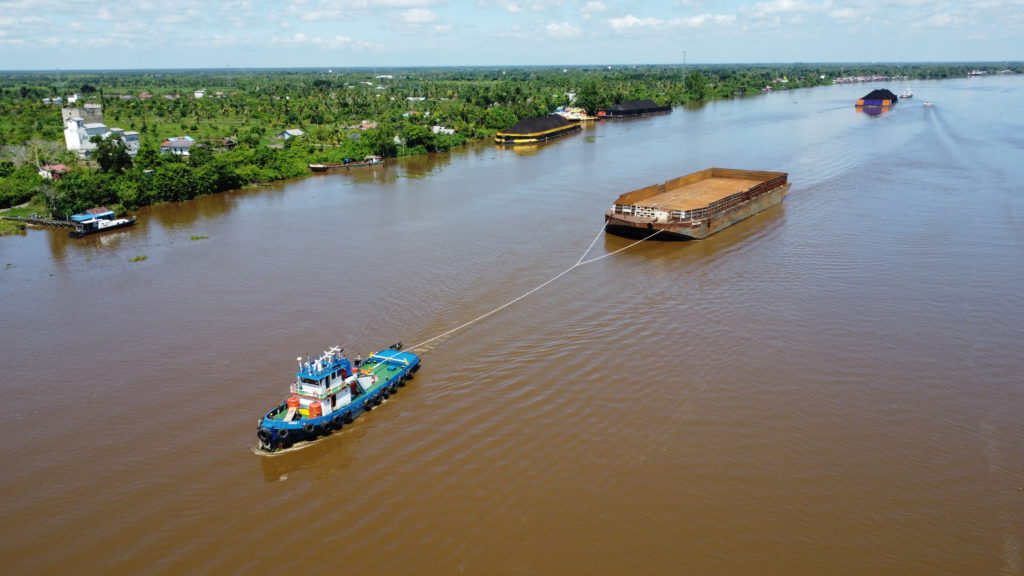
Aerial view of a tugboat pulling a barge filled with coal in the waters of South Kalimantan, Barito River. Stock image.

Moody’s Ratings said on Thursday that it views Indonesia’s centralization plan for commodity exports as credit negative for miners and the plan raises risks of market distortion.

It said the move could support foreign exchange inflows and the rupiah currency, but it may also weigh on investor sentiment on the broader policy environment.

(By Gayatri Suroyo and Ananda Teresia; Editing by Martin Petty)