This pro-Trump farce makes the case for a different kind of media
Dean Baker,
Common Dreams
December 24, 2025

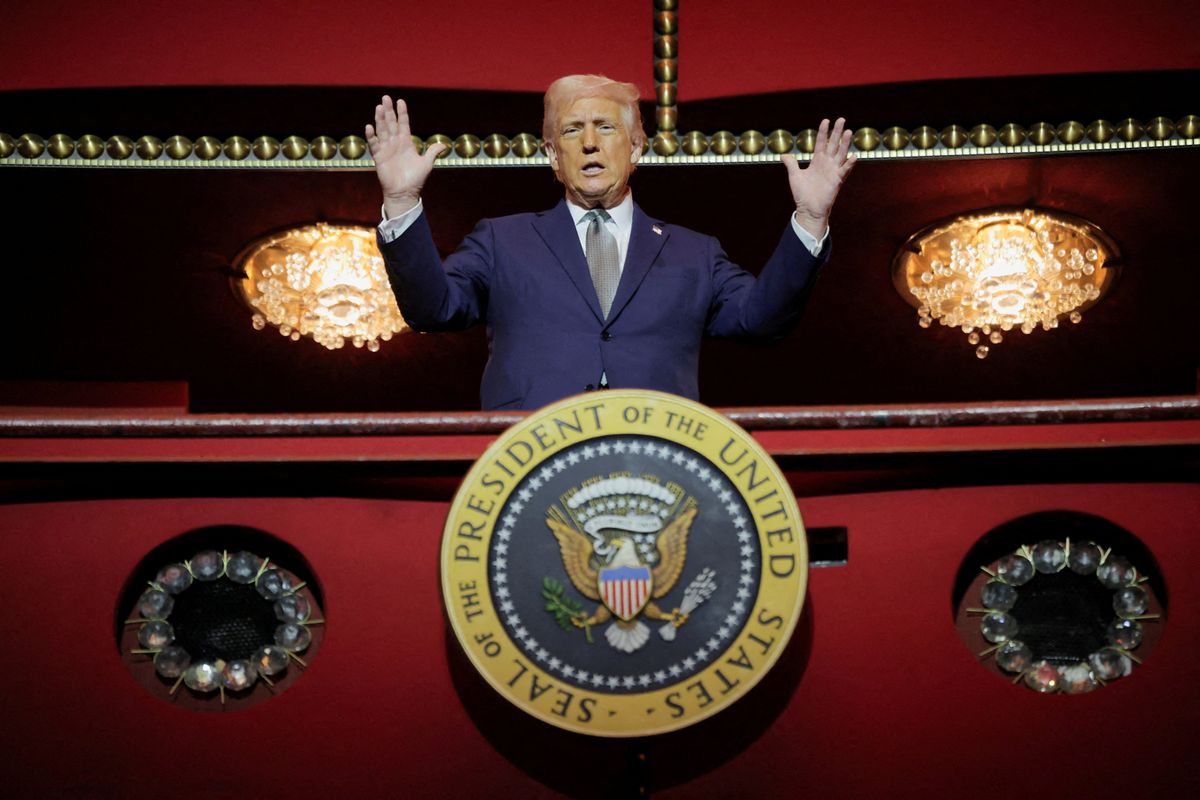
Donald Trump (Reuters)
If anyone doubted that the rich would use their control of the media to push their agenda and silence dissent, CBS removed it with its decision to censor the scheduled 60 Minutes broadcast on CECOT prison.
CECOT is the notorious maximum-security prison in El Salvador where President Donald Trump has sent a number of the people he has deported. There have been numerous accounts of torture and abusive treatment in the prison, which presumably would have been highlighted in the segment.
CBS, under its new ownership, decided that we shouldn’t see the 60 Minutes segment, or at least not the one its team had prepared for broadcast last night. Apparently, they were worried it would offend the Trump administration.
According to a leaked account, Bari Weiss, the right-wing zealot that the new ownership put in charge of CBS News, decided that the program could not air without an interview with Stephen Miller, Trump’s deporter-in-chief. The producers of the show had apparently already reached out to the White House, as is their standard practice, but the White House refused to comment, presumably choosing to instead attack the broadcast as unfair and unbalanced after it ran.
Weiss is insisting that the program include an interview with Miller, giving him an effective veto over when and if the program airs. If we ever do see the segment, it will likely include other edits to make it more Trump friendly.
There can be a tendency to exaggerate the courage and independence of the pre-Trump media, but news shows like 60 Minutes have done much great reporting over the years, breaking stories that the rich and powerful would prefer to see buried. This will no longer be the case.
I have been getting regular fundraising notices from Robert Reich, whom I greatly respect, complaining about the takeover of the media by rich Trumpers. Reich is right, but the moral of his story is that we have to increase taxes on the rich.
While taxing the rich more is something we should do, along with taking away the patent and copyright monopolies that make many of them rich, and corrupt bankruptcy laws that give us private equity billionaires, along with a few other changes, we have to go much further to get back impartial media.
The huge gaps in wealth and income create an enormous power imbalance, and plausible changes in tax policy will do little to rectify the situation. If Elon Musk’s fortune was cut in half to $200 billion, he would still have a ridiculous amount of political power. The same applies to the rest of the crew of billionaires.
If we want to get responsible media that does its job in reporting on the deeds and misdeeds of the rich and powerful, plausible reductions in inequality (and how do we get those?) will not be sufficient. We need to look to fundamentally restructure the media.
This is not as far-fetched a goal as it may sound. We will not get the current Congress, or even one with a Democratic majority in 2026, to take the lead in pushing for responsible media. But we can have initiatives at the state and local level to build up independent media that is not owned and controlled by the rich and very rich.
My preferred route is a system of individual tax credits, say $100 per person, to support the person’s favorite news outlet(s). This would be a credit, not a deduction, and fully refundable, so even the poorest person gets the same amount as Elon Musk. There could be different conditions attached to receiving the credit. In my view, the material supported should be freely available outside a paywall; but that’s something that could be decided by the state or local governments implementing the system.
The best model for those envisioning this system would be the charitable contribution tax deduction. The difference is that this would be a credit, with every person getting the same amount regardless of how much their income is.
We may already have a foot in the door on this. Katie Wilson, the newly elected progressive mayor of Seattle, is a big supporter of this system. She will have a full agenda as mayor, and faces a budget shortfall, but if stars align right, perhaps this system will be put in place.
Other states, like California and New York, have sought to support local media with a tax on Google and Meta, which have gobbled up much of the advertising revenue that had formerly supported news outlets. This money would then be used to subsidize subscriptions, an inferior approach in my view, but still a way to support independent media.
This system of individual tax credits may seem far away from the hundreds of millions or billions of dollars that support major news outlets like CBS or CNN. While it may be difficult to pay the multimillion-dollar salaries that top news anchors get through this system, it could support a huge amount of important journalism.
Many people will choose not to use their credits or use them to support slop or perhaps more right-wing MAGA screeds. But suppose 10 percent of the population, 25 million people, used their credits to support serious investigative reporting like what is done by outlets like ProPublica, the American Prospect, the New Republic, and on good days the New York Times.
That would provide $2.5 billion a year in revenue, roughly 100 times the budget of ProPublica. It could help to support hundreds of smaller outlets.
And even if most of this money goes to support local news outlets, they can band together to support national and international reporting. This has been the story of the Associated Press for 180 years.
The idea that a progressive stronghold, like Seattle, may adopt a modest proposal to support local news, may seem like chump change in a world where the mega rich tech oligarchs are throwing around billions to buy news outlets like cheap candy, but it is a hell of a lot more promising than whining. And it is not the only thing we can and should do to counter the corruption of the media by the Trump brigade.
It would be great to reform Section 230 so we don’t give Musk and Mark Zuckerberg special protections that news and print outlets don’t enjoy. Obviously, this will not happen with a Republican Congress and Trump in the White House, but we should at least highlight this utterly absurd subsidy that we give to these right-wing mega billionaires.
It would also be good if progressives stopped viewing it as gauche to file defamation lawsuits. That doesn’t mean absurd multibillion Trumpian lawsuits directed against every news outlet that criticizes someone, but it does mean suing to counter the damage of outright lies, such as the ones now being promoted against Minnesota Gov. Tim Walz.
I know the standard line is that we counter lies with more speech; but save that for the kindergarten class. When the right owns all the major news outlets and social media platforms, the idea that the truth will magically overcome their lies is not the sort of argument that can be taken seriously.
Anyhow, that is a longer story. But we do need to come up with ways to support independent media and not just complain about right-wing Trump sycophants taking over the media we have. My scheme is on the table. Let’s hear others.
December 24, 2025
Donald Trump (Reuters)
If anyone doubted that the rich would use their control of the media to push their agenda and silence dissent, CBS removed it with its decision to censor the scheduled 60 Minutes broadcast on CECOT prison.
CECOT is the notorious maximum-security prison in El Salvador where President Donald Trump has sent a number of the people he has deported. There have been numerous accounts of torture and abusive treatment in the prison, which presumably would have been highlighted in the segment.
CBS, under its new ownership, decided that we shouldn’t see the 60 Minutes segment, or at least not the one its team had prepared for broadcast last night. Apparently, they were worried it would offend the Trump administration.
According to a leaked account, Bari Weiss, the right-wing zealot that the new ownership put in charge of CBS News, decided that the program could not air without an interview with Stephen Miller, Trump’s deporter-in-chief. The producers of the show had apparently already reached out to the White House, as is their standard practice, but the White House refused to comment, presumably choosing to instead attack the broadcast as unfair and unbalanced after it ran.
Weiss is insisting that the program include an interview with Miller, giving him an effective veto over when and if the program airs. If we ever do see the segment, it will likely include other edits to make it more Trump friendly.
There can be a tendency to exaggerate the courage and independence of the pre-Trump media, but news shows like 60 Minutes have done much great reporting over the years, breaking stories that the rich and powerful would prefer to see buried. This will no longer be the case.
I have been getting regular fundraising notices from Robert Reich, whom I greatly respect, complaining about the takeover of the media by rich Trumpers. Reich is right, but the moral of his story is that we have to increase taxes on the rich.
While taxing the rich more is something we should do, along with taking away the patent and copyright monopolies that make many of them rich, and corrupt bankruptcy laws that give us private equity billionaires, along with a few other changes, we have to go much further to get back impartial media.
The huge gaps in wealth and income create an enormous power imbalance, and plausible changes in tax policy will do little to rectify the situation. If Elon Musk’s fortune was cut in half to $200 billion, he would still have a ridiculous amount of political power. The same applies to the rest of the crew of billionaires.
If we want to get responsible media that does its job in reporting on the deeds and misdeeds of the rich and powerful, plausible reductions in inequality (and how do we get those?) will not be sufficient. We need to look to fundamentally restructure the media.
This is not as far-fetched a goal as it may sound. We will not get the current Congress, or even one with a Democratic majority in 2026, to take the lead in pushing for responsible media. But we can have initiatives at the state and local level to build up independent media that is not owned and controlled by the rich and very rich.
My preferred route is a system of individual tax credits, say $100 per person, to support the person’s favorite news outlet(s). This would be a credit, not a deduction, and fully refundable, so even the poorest person gets the same amount as Elon Musk. There could be different conditions attached to receiving the credit. In my view, the material supported should be freely available outside a paywall; but that’s something that could be decided by the state or local governments implementing the system.
The best model for those envisioning this system would be the charitable contribution tax deduction. The difference is that this would be a credit, with every person getting the same amount regardless of how much their income is.
We may already have a foot in the door on this. Katie Wilson, the newly elected progressive mayor of Seattle, is a big supporter of this system. She will have a full agenda as mayor, and faces a budget shortfall, but if stars align right, perhaps this system will be put in place.
Other states, like California and New York, have sought to support local media with a tax on Google and Meta, which have gobbled up much of the advertising revenue that had formerly supported news outlets. This money would then be used to subsidize subscriptions, an inferior approach in my view, but still a way to support independent media.
This system of individual tax credits may seem far away from the hundreds of millions or billions of dollars that support major news outlets like CBS or CNN. While it may be difficult to pay the multimillion-dollar salaries that top news anchors get through this system, it could support a huge amount of important journalism.
Many people will choose not to use their credits or use them to support slop or perhaps more right-wing MAGA screeds. But suppose 10 percent of the population, 25 million people, used their credits to support serious investigative reporting like what is done by outlets like ProPublica, the American Prospect, the New Republic, and on good days the New York Times.
That would provide $2.5 billion a year in revenue, roughly 100 times the budget of ProPublica. It could help to support hundreds of smaller outlets.
And even if most of this money goes to support local news outlets, they can band together to support national and international reporting. This has been the story of the Associated Press for 180 years.
The idea that a progressive stronghold, like Seattle, may adopt a modest proposal to support local news, may seem like chump change in a world where the mega rich tech oligarchs are throwing around billions to buy news outlets like cheap candy, but it is a hell of a lot more promising than whining. And it is not the only thing we can and should do to counter the corruption of the media by the Trump brigade.
It would be great to reform Section 230 so we don’t give Musk and Mark Zuckerberg special protections that news and print outlets don’t enjoy. Obviously, this will not happen with a Republican Congress and Trump in the White House, but we should at least highlight this utterly absurd subsidy that we give to these right-wing mega billionaires.
It would also be good if progressives stopped viewing it as gauche to file defamation lawsuits. That doesn’t mean absurd multibillion Trumpian lawsuits directed against every news outlet that criticizes someone, but it does mean suing to counter the damage of outright lies, such as the ones now being promoted against Minnesota Gov. Tim Walz.
I know the standard line is that we counter lies with more speech; but save that for the kindergarten class. When the right owns all the major news outlets and social media platforms, the idea that the truth will magically overcome their lies is not the sort of argument that can be taken seriously.
Anyhow, that is a longer story. But we do need to come up with ways to support independent media and not just complain about right-wing Trump sycophants taking over the media we have. My scheme is on the table. Let’s hear others.
Dean Baker is the co-founder and the senior economist of the Center for Economic and Policy Research (CEPR). He is the author of several books, including "Getting Back to Full Employment: A Better bargain for Working People," "The End of Loser Liberalism: Making Markets Progressive," "The United States Since 1980," "Social Security: The Phony Crisis" (with Mark Weisbrot), and "The Conservative Nanny State: How the Wealthy Use the Government to Stay Rich and Get Richer." He also has a blog, "Beat the Press," where he discusses the media's coverage of economic issues.
Matthew Chapman
December 24, 2025
RAW STORY
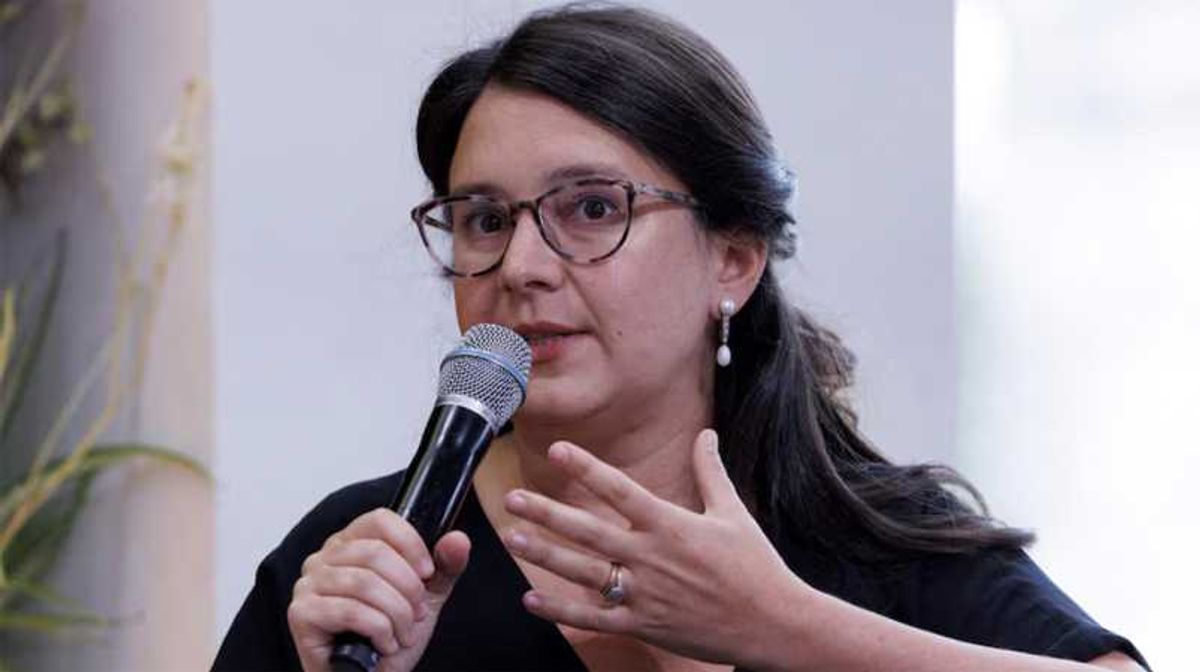
Bari Weiss (Photo via Michael Blake for Reuters)
CBS News' newly-appointed right-wing chief, Bari Weiss, doubled down in an email to staff on her decision to delay a "60 Minutes" investigation into the way migrants President Donald Trump has sent to the Salvadoran CECOT megaprison are being tortured, some without having any criminal record or violation of the law whatsoever.
Weiss, who founded The Free Press, was given control of CBS as part of a Trump administration-approved merger between the network's parent company, Paramount, and Skydance.
"Right now, the majority of Americans say they do not trust the press. It isn't because they're crazy," wrote Weiss in the email, obtained by Prem Thakker of Zeteo News. "To win back their trust, we have to work hard. Sometimes that means doing more legwork. Sometimes it means telling unexpected stories. Sometimes it means training our attention on topics that have been overlooked or misconstrued. And sometimes it means holding a piece about an important subject to make sure it is comprehensive and fair. In our upside-down moment, this may seem radical."
"Such editorial decisions can cause a firestorm, particularly on a slow news week," Weiss continued. "And the standards for fairness we are holding ourselves to, particularly on contentious subjects, will surely feel controversial to those used to doing things one way. But to fulfill our mission, it's necessary. No amount of outrage — whether from activist organizations or the White House — will derail us. We are not out to score points with one side of the political spectrum or to win followers on social media. We are out to inform the American public and to get the story right."
The email triggered a fresh wave of outrage on social media.
"Is that what Stephen Miller told her to say?" wrote attorney Brad Moss. "Bari has no educational background in journalism, nor has she ever done hard-hitting news beats. But ok," wrote Georgia-based constitutional law professor Anthony Michael Kreis.
Despite Weiss's efforts to keep the "60 Minutes" story under wraps, it has been leaked and posted online, after a Canadian broadcaster aired it apparently by mistake.


 A view of barbed wire surrounding a gate at the United Nations Organization Stabilization Mission in the Democratic Republic of the Congo (Monusco) base in Goma on 25 May 2025. © Kang-Chun Cheng / AFP

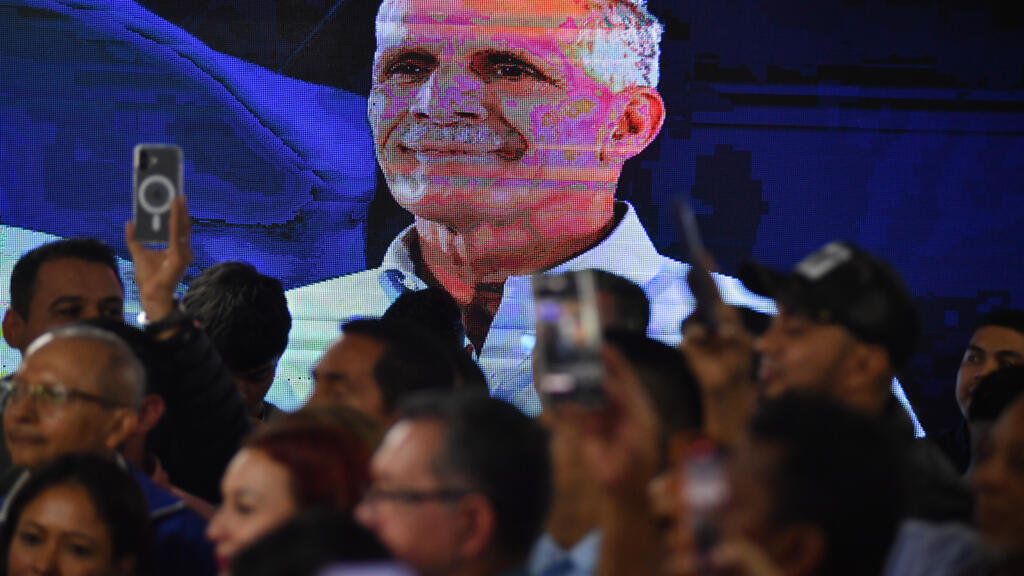
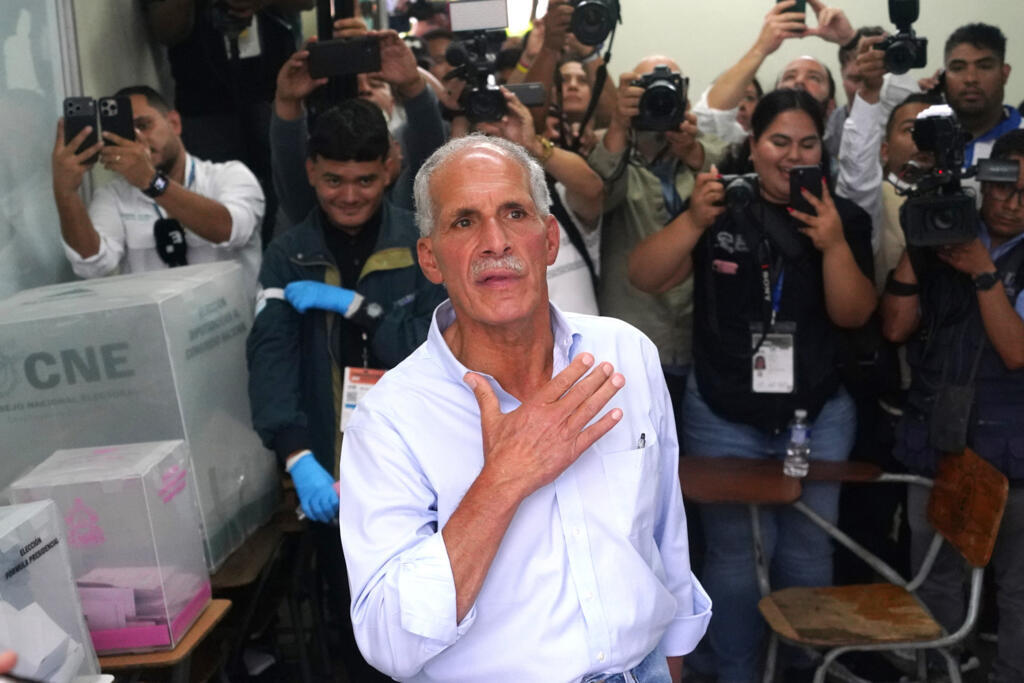
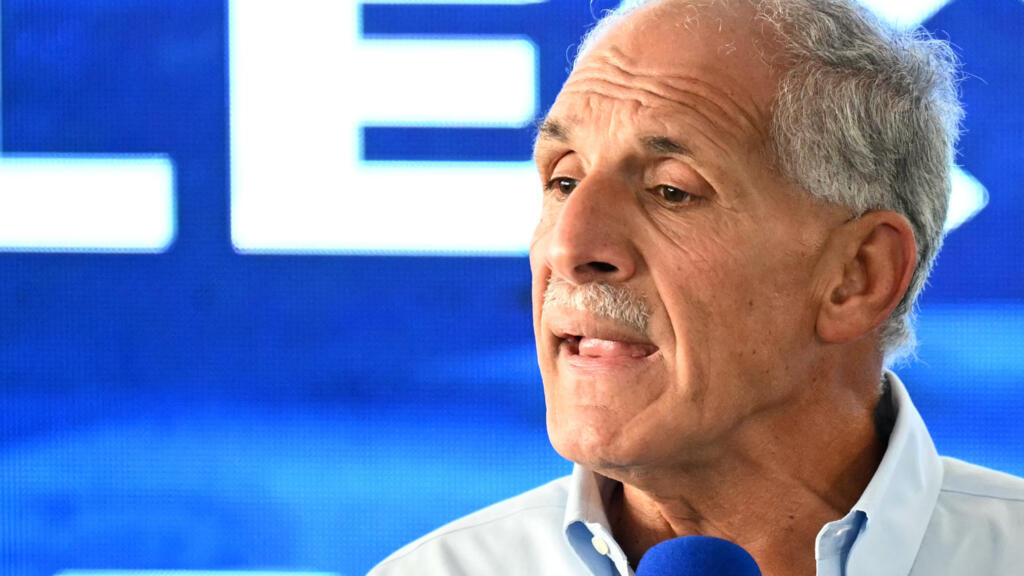 Honduras president-elect Nasry Asfura's business and political career has been clouded by allegations of graft, though he has never been prosecuted © Marvin RECINOS / AFP