UK
Labour’s animal welfare strategy – will it deliver?
JANUARY 2, 2026
Labour’s new animal welfare strategy has been widely welcomed by campaigners and organisations, but as always with this Government, the devil will be in the detail, reports Kevin Flack.
Firstly, the good news – it is to be steered through Parliament by Baroness Sue Hayman who has a genuine commitment in this area. Sadly the implementation won’t be down just to her but very much in the hands of the Government’s business managers who have a raft of legislation planned and, for those measures that cost money, the Treasury.
Defra (the Department for Environment, Food and Rural Affairs) describes the strategy as “a new integrated approach to bring about a generational step change and deliver sustainable and embedded improvements to animal welfare.” It says it will “work closely with relevant stakeholders – particularly industry bodies, businesses, enforcement bodies and animal welfare organisations – to deliver and embed lasting improvements that will have the greatest impact on animal welfare.” You can read the full document here.
Hunting has long been Labour’s animal welfare talisman, seen by the Tories and Reform as waging a class war on the countryside despite the scientific welfare reasons for introducing the ban. Regrettably, there were too many loopholes in the 2004 Hunting Act and hunters continued to ‘accidentally’ kill live quarry by using real fox scent when out ‘trailhunting.’ This ‘false alibi’, to coin the phrase of animal campaigner Jordi Casamitjana, is exposed in his definitive report on the issue.
I worked supporting the hunting ban under the Blair Government and I can honestly say we didn’t spot just how many ways the organised hunting fraternity could get round the ban. Naïve or what?
The new strategy includes a complete ban on this trailhunting, allowing hunts across the country to follow the New Forest Foxhounds in changing their pack to draghounds which follow the ‘clean boot’ of a runner, rather than the scent of a fox used in trailhunting. This has proved to be very popular, including with a local running club which now provide the ‘quarry’ for the chase. As draghounds are not trained to follow a fox’s scent, wild animals are not killed ‘accidentally’ by them.
This is to be welcomed wholeheartedly, and allows the pageantry of the hunt and the chance of working hounds at work to continue, for those who see it as an important part of their heritage. In fact, it is not an urban versus rural issue – the latest YouGov poll showed a 56% to 29% overall support for the ban on trailhunting with the figures only changing to 56-35 in rural areas.
The Labour Animal Welfare Society (LAWS) has highlighted these other planned improvements:
- Companion animals (pets)
• Reforming dog breeding to improve health and welfare and help end puppy farming.
• Consulting on a ban on electric shock collars for cats and dogs.
• Considering new licensing for domestic rescue and rehoming organisations. - Farmed animals
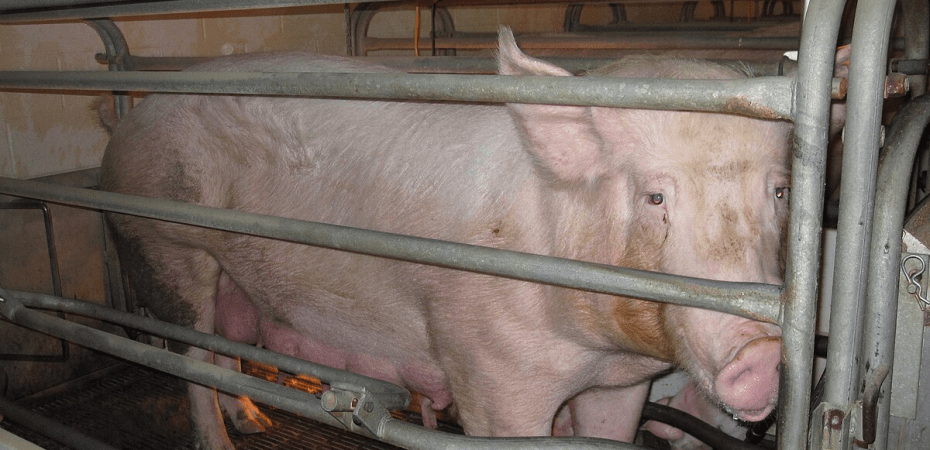
• Moving away from confinement systems including colony cages for laying hens and pig farrowing crates, with reforms expected to be taken forward via consultation.
• Tackling welfare concerns linked to carbon dioxide stunning of pigs.
• Introducing humane slaughter requirements for farmed fish.
• Promoting slow-growing meat chicken breeds. - Wild animals
• Committing to ban snare traps.
• Proposing a close season for hares to reduce shooting during the breeding season (this last point has, in fact, long been championed by Conservative anti-hunt campaigners).
There will also be a working group on the fur industry. LAWS, not an organisation known to compromise on animal welfare, has described these proposals as “making a historic difference for animals.”
However…
Now for the downside. Most of these measures are to be put out to consultation with Defra setting the target of the end of 2030 for delivery of the whole strategy.
I assume you’ve spotted what I have. At present the likelihood of Labour still being in Government by 2030 seems remote. And over the next five years a lot can happen to delay consultations and investigations, replace committed Government Ministers and indeed to change Defra’s priorities – floods and other ‘natural’ disasters caused by climate change being just one example.
One unexplained omission is the manifesto promise to ban imports from trophy hunting. This also falls under Defra’s remit (rather than Trade) and was a commitment under the last Tory Government going back to Michael Gove’s time at Defra. Eduado Goncalves, the key campaigner in this field, is reported as saying, “The delay is baffling. The government could simply announce a moratorium on trophy import licences, as a growing number of European and other countries have done.” It’s a real wasted opportunity.
On the issue of keeping wild animals in captivity, the Government states, “We will work with the sector to support owners in understanding how to care for the needs of their kept wild animals, continuing to improve animal welfare in zoos and aquariums and the welfare of privately kept primates.”
Good luck with that. As with any area of animal neglect, abuse or cruelty, it needs both legislation and, importantly, the resources to implement it. Indeed, legislation is useless without the funding for enforcement bodies such as the National Wildlife Crime Agency.
Demands from British farmers that all imported meat should come from farms with welfare standards at least as high as the UK’s are extremely reasonable. Remember the outcry about chlorinated chicken from the USA?
It would be churlish not to welcome the publication of this strategy. Or to question Sue Hayman’s determination to implement it – as she says, we have a duty to protect defenceless animals and the reforms “feel seismic”. It bodes well for those of us who try to read the political runes, that the strategy was announced in a quiet news cycle over the holiday season so it received some serious publicity. So let those of us who are concerned about pets, farm or wild animals respond when consultations are published and get the best possible outcome.
If the Labour Government wished, it could become a genuine world leader in animal welfare legislation – it is down to all of us, inside and outside the party, to ensure it does.
Kevin Flack is a member of the Labour Party in a rural constituency and longtime animal welfare campaigner.
Image: Farrowing Full Stall https://commons.wikimedia.org/wiki/File:2.1_FarrowingFullStall_%284098887317%29.jpg Source: 2.1 FarrowingFullStall. Author: Mercy For Animals MFA from Los Angeles, USA, licensed under the Creative Commons Attribution 2.0 Generic license.