Shock exit: Rio Tinto CEO Stausholm to step down
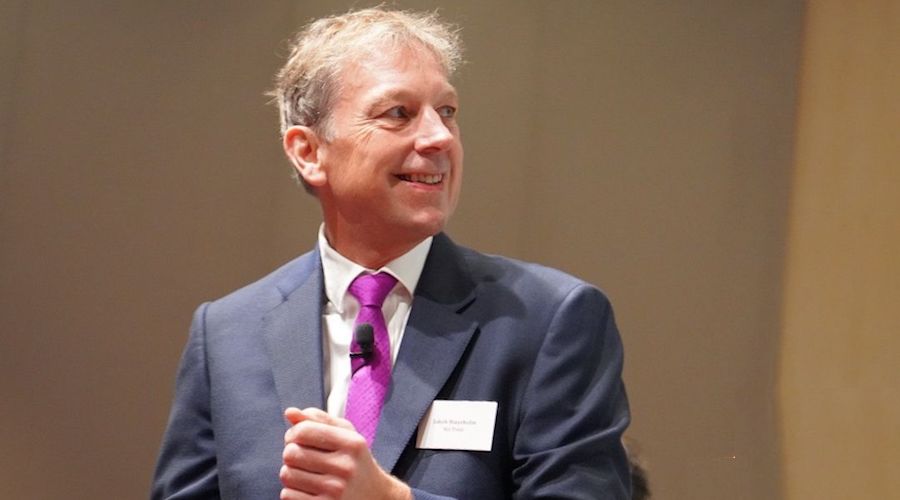
Rio Tinto (ASX, LON: RIO) announced on Thursday the unexpected exit of chief executive Jakob Stausholm later this year, ending a nearly five-year tenure marked by efforts to restore trust with stakeholders and expand into energy transition metals.

The company has already launched a search for his successor. Stausholm, who joined Rio in 2018 became CEO in 2021, took over after the controversial destruction of 46,000-year-old Aboriginal rock shelters in Western Australia. His predecessor, Jean-Sébastien Jacques, resigned following backlash from Indigenous groups and investors.
Stausholm said in a LinkedIn post it has been “an honour” to lead the mining giant and said he was proud of the progress made during his time in charge. “I will stay as chief executive while a successor is appointed through a rigorous process already underway,” he wrote “As this work progresses, it is business as usual”.
Rio Tinto did not give a reason for Stausholm’s departure. Internally, iron ore chief Simon Trott and chief commercial officer Bold Baatar are viewed as potential successors. Analysts had anticipated an external search, though Rio may face competition from BHP, whose CEO Mike Henry is also preparing to step down in the next year.
“This news comes as a big surprise, and in our view was not expected,” Berenberg analyst Richard Hatch said. “The company cited this as a ‘natural moment’ to appoint a successor, but it doesn’t feel that natural to us.”
BMO’s Alexander Pearce echoed the sentiment, calling the decision “somewhat of a surprise,” particularly given Stausholm’s relatively short tenure. Pearce credited him with strengthening Rio Tinto’s position in future-facing commodities such as aluminium, copper, and lithium, while also advancing its environmental, social, and governance (ESG) practices.
Investors reacted negatively to the news. The stock closed slightly lower in Sydney at just under A$119 per share. In London, it fell more sharply, down 1.4% to 4,579p near the close of trading, bringing the company’s market capitalization to $105.6 billion.
During his leadership, the Danish executive expanded Rio Tinto’s iron ore portfolio beyond its Pilbara base, securing approvals for the massive Simandou iron ore project in Guinea, set to begin production later this year. He also oversaw a $6.7 billion acquisition of Arcadium, and very recently a $900 million lithium joint venture with Chile’s state-owned Codelco.
Stausholm also navigated shareholder pressure, including a campaign led by Palliser Capital and over 100 other investors to reconsider Rio’s dual listing structure in London and Sydney. The move was ultimately rejected by shareholders earlier this month.
Rio Tinto chair Dominic Barton praised Stausholm, saying he “restored trust with key stakeholders, aligned our portfolio with the commodities where demand growth is strongest, built a diverse and talented management team, and set a compelling growth trajectory”.
Fortescue also sees top exit
The leadership shakeup coincided with another high-profile departure in the sector. Just an hour after Rio’s announcement, Fortescue (ASX: FMG) revealed that its energy chief Mark Hutchinson would step down. The 65-year-old will continue to serve as a senior adviser to the board, while chief operating officer Shelley Robertson will also retire.
Former Argentinean rugby captain Agustin Pichot will take over Fortescue’s growth and energy division, focusing on the company’s green energy strategy.
Argentina approves $2.5B Rio Tinto lithium mining project
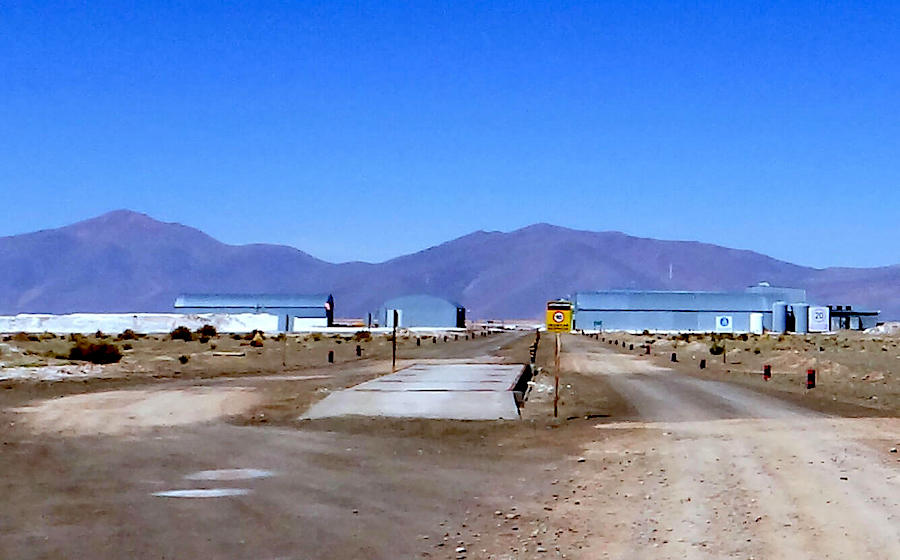
Argentina’s government on Tuesday approved a $2.5 billion lithium mining project by Anglo-Australian giant Rio Tinto, marking the first mining project under a new investment incentive regime.
The approval of Rio Tinto’s Rincon project, located in the northern Salta province, under the RIGI incentive scheme was announced by the country’s mining and energy coordination secretary Daniel Gonzalez at a conference in the capital Buenos Aires.
Argentina’s mining sector has expressed concerns over delays in approvals for seven projects submitted to the government since the RIGI program was launched nine months ago.
“We are grateful because there was strong anxiety over what was happening with the mining RIGIs,” the head of Argentina’s CAEM mining chamber, Roberto Cacciola, told the conference. “This was major news.”
President Javier Milei’s libertarian government is looking to boost the South American country’s mining sector to bring in much-needed foreign currency and maintain economic stability as the country faces painful inflation levels.
Argentina is the world’s No. 4 lithium supplier and together with Chile and Bolivia forms the so-called “lithium triangle” that holds the world’s largest reserves of the white metal used in electronics, electric vehicles and other key technologies.
The South American nation also exports gold and silver and has major copper projects in the pipeline, though none are currently producing.
Other firms that applied for mining projects under the RIGI program include China’s Ganfeng, Canada’s McEwen Copper and South Korea’s Posco.
Five of the projects are for lithium, while the remaining two are for gold and copper, respectively. However, only Rio Tinto’s project was approved as of Tuesday, despite a rule that a decision must be made in a maximum of 45 working days.
Industry sources said the government likely did not intend to cause delays, but it was facing complex approval processes involving various state departments and some companies may have rushed to apply at too early a stage to meet the criteria.
Reuters contacted several state agencies, but they did not immediately respond to requests for comment.
The RIGI framework is intended to provide tax and customs benefits, access to international arbitration in case of disputes and long-term stability plans.
Argentina exported $4.8 billion of minerals last year, largely gold, followed by shipments of silver and lithium.
(By Lucila Sigal; Editing by Brendan O’Boyle, Natalia Siniawski and Jamie Freed)
No comments:
Post a Comment