Led by China's Growth, Offshore Wind Capacity Will Hit 100 GW by 2026
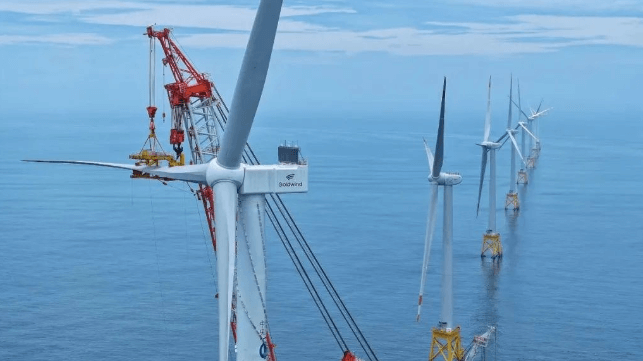
Despite uncertainties in the North American market, the global commissioned capacity of offshore wind is on course to surpass the 100 GW mark by mid-2026 as countries in Europe and Asia ramp up projects.
UK’s trade group RenewableUK is highlighting that with 27.3 GW of offshore wind capacity currently under construction, the world should expect to cross the 100 GW mark by the middle of next year, an indication of an industry witnessing “significant increase” despite the storm clouds of higher capex and changing trade policies. Going by the current growth rate, operational capacity could increase nearly threefold to 244 GW worldwide by the end of 2030.
The positive future growth projections follow a healthy increase in installed capacity over the past 12 months. According to RenewableUK’s latest EnergyPulse Insights Offshore Wind report, operational capacity increased by 14 percent over the period to reach 85.2 GW, up from 74.7 GW. While pacesetters like China and UK aggressively sustain investments, emerging markets like Indonesia, Chile, Guernsey, Bermuda, and Malta have contributed to an installed capacity increase over the last twelve months.
China's ring-fenced domestic market continues to dominate offshore wind with over half of all existing commissioned capacity at 42.9 GW. The UK comes second with 15.6 GW, followed by Germany with 9 GW and the Netherlands with 5.4 GW. Taiwan is now fifth with 3 GW, and Denmark is in sixth place with 2.7 GW.
While the UK has put offshore wind at the heart of its energy transition goals, the country is facing a confidence crisis with developers starting to develop cold feet on projects. Last month, Danish renewable energy giant Ørsted said it will discontinue the UK’s Hornsea 4 project citing increased costs and risks. Hornsea 4 was the company’s fourth gigawatt-scale project in the Hornsea zone with a capacity to generate 2.4 GW.
Going by Ørsted’s decision, RenewableUK is raising concerns that upcoming auctions could fail to attract interest from developers. Nearly 8.5 GW of UK offshore wind capacity, across 13 projects, is technically eligible for bidding in the next auction, Allocation Round 7, which opens this year. There are indications that developers might choose to stay away. A further 7.8 GW could become eligible if five other projects receive consent from the government before the auction, bringing the potential total to 16.3 GW.
To attract bidding, the UK government is considering relaxing the eligibility rules to allow fixed-bottom projects still in the planning system to participate in forthcoming allocation round, which if implemented could see total eligible capacity reach 25.6 GW.
For the UK, the continued rollout of offshore wind remains critical, considering the number of people working in the industry has risen from just over 32,000 two years ago to nearly 40,000 today, a 24 percent increase.
The EnergyPulse report shows that the total global portfolio of active offshore wind farms worldwide at any stage of development, from early planning to fully operational, now stands at 1,219 GW across 1,555 projects in 46 countries. China maintains leadership with 261 GW under development followed by the UK with 94.4 GW and the U.S with 77.8 GW.
“It’s great to see this significant increase in operational offshore wind capacity worldwide, as well as the healthy pipeline of future projects with new countries entering the market every year,” said Jane Cooper, RenewableUK’s Deputy Chief Executive.
In the case of the UK, and considering the upcoming auction round, Cooper is urging the government to put the right framework in place to maximize interest by ruling out zonal pricing, something that has the potential to deter investors and jeopardize the country’s targets of reaching 45 GW to 50 GW of offshore wind by 2030.
Safety Risks on the Rise as Global Offshore Wind Industry Grows
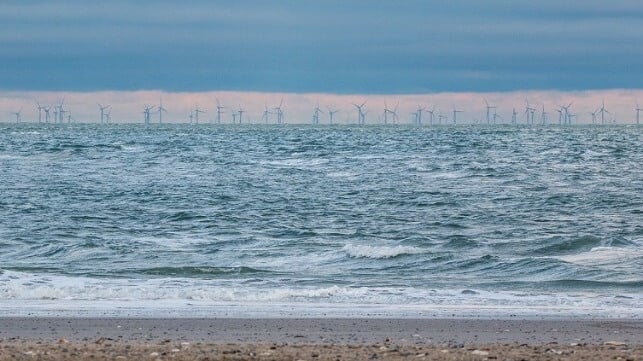
As the offshore wind sector across the world witnesses growth, there is a rise in safety concerns for personnel and vessels involved. Last week, the G+ Offshore Wind Health and Safety Organization released its 2024 incident report, revealing rising safety risks in the offshore wind industry.
The data contained in the report is compiled from G+ member companies, comprising lead operators and owners of offshore wind farms and original equipment manufacturers serving the sector. The reporting covered Asia, Europe, Australia and the U.S. A major highlight of the report, which is in its twelfth year, is the unprecedented growth for the industry in 2024, with 79 million work hours reported, representing a 27 percent increase from 2023.
However, this growth has also seen a rise in both the Total Recordable Injury Rate (TRIR), up 7 percent, and the Lost Time Injury Frequency (LTIF), which went up by 19 percent. Unfortunately, the industry recorded one fatality last year. The incident involved a worker fatally injured during the disassembly work on a monopile upending tool. The second worker was left hospitalized.
Notably, development sites saw the highest number of reported injuries, with a 75 percent increase year-on-year. The injury breakdown for the period include 99 lost work day injuries, 57 restricted work day injuries and 74 medical treatment injuries. Incidents tagged as high potential - having the greatest likelihood of causing serious harm regardless of actual consequence - were 245, representing 12 percent of all incidents.
Jack-up vessels/barges constituted a risky area for the industry, accounting for 14% of all injuries, with 92 incidents in 2024, up 42% from 2023. Other platforms that recorded significant increases in the number of injuries include the survey vessels, with 30 incidents from 12 in 2023, a rise of 150 percent. Cable installation vessels saw a 108 percent rise to 25 incidents, from 12 the previous year.
“The continued growth of the offshore wind sector is a testament to our industry’s commitment to the energy transition, but it also brings new and evolving risks. The increase in high potential incidents and the tragic fatality this year remind us that we must never be complacent,” said G+ Chair and Senior Vice President at Ørsted, Lisbeth Frømling.
No comments:
Post a Comment