Ship Recycling Convention Enters into Force with Uncertainty and Criticism
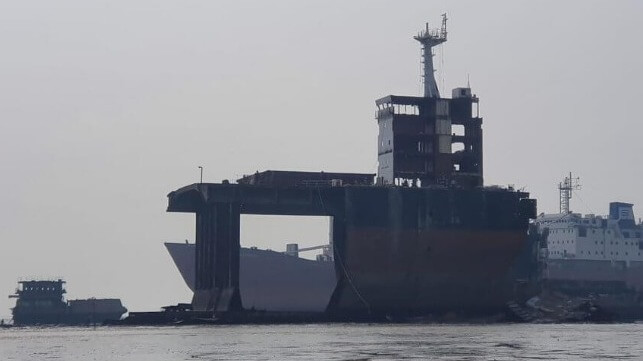
The long-awaited Hong Kong International Convention setting standards for the industry to dismantle end-of-life vessels has gone into force. It comes, however, amidst criticism that the agreement fails to address many key issues in safety and sustainability, and the concerns of beaching in ship recycling.
On June 26, the Hong Kong International Convention for the Safe and Environmentally Sound Recycling of Ships (HKC) entered into force two years after adoption by Bangladesh and Liberia triggered the effort which had been two decades in the making. The International Maritime Organization (IMO) and the shipping industry called the move a landmark step towards safer and greener ship recycling.
In essence, HKC is designed to ensure that the ship recycling industry operates safely and sustainably, aiming to protect both workers and the environment from the dangers posed by hazardous materials on ships. This will be achieved by ensuring that vessels over 500 gross tonnage maintain an Inventory of Hazardous Materials (IHM) throughout the process of dismantling ships for recycling.
Considering that about 500 ocean-going commercial vessels reach the end of their service life and undergo the process of shipbreaking annually, the industry is upbeat that the entry into force of the convention is bound to make shipping more sustainable.
This, however, is not the view of everyone. Critics are complaining of legal ambiguities in the regulation. Many are saying that the rules, which were drafted more than 15 years ago, need to be refined to remove uncertainties and reflect advancements.
The NGO Shipbreaking Platform is one of the vocal critics raising concerns that despite its entry into force, HKC could end up having little impact owing to the fact that it fails to address the environmental injustice and human rights violations that continue to overhang the shipping industry.
The Platform contends that HKC does not prevent the most dangerous and polluting form of shipbreaking that happens to be beaching in the tidal mudflats of South Asian countries like Bangladesh, India, and Pakistan. Apart from exposing workers to life-threatening risks, beaching remains a risk to fragile coastal ecosystems because it does not prevent hazardous materials such as oil sludge and heavy metal-laden paints from getting into coastal waters.
The clean shipbreaking advocate asserts that by failing to prohibit beaching, the HKC rubber stamps a practice that has long been banned in all major ship-owning countries.
China, the European Union, North America, and the United Arab Emirates have not only banned beaching but have gone beyond the dictates of the HKC by adopting a new regulation that also bans landing. That regulation also entered into force on June 26.
“The HKC does not set a roadmap for sustainable ship recycling, but will instead serve the interests of shipping companies that want to avoid paying the true cost of safe and environmentally sound end-of-life management. Tragically, it also risks to undercut efforts to level the playing field for responsible ship recyclers to compete,” said Ingvild Jenssen, NGO Shipbreaking Platform Executive Director & Founder.
HKC was adopted at a Diplomatic Conference held in Hong Kong in May 2009. The IMO contends that the convention addresses concerns about the working and environmental conditions in many of the world’s ship recycling facilities. This includes understanding that ships sold for scrapping may contain environmentally hazardous substances such as asbestos, heavy metals, hydrocarbons, ozone-depleting substances, and others. The fact that ships being sent for recycling will be required to carry an IHM and provide a Ship Recycling Plan is being touted as a significant intervention designed to make shipbreaking sustainable.
The NGO Shipbreaking Platform, however, remains critical of the HKC, asserting that it does not address the rampant cases of defective flag-state control in which cash buyers change the registry of vessels to flags with poor implementation of maritime law before sending them to South Asia beaches. It has fallen to others, such as the UAE, which in its rules created a provision to stop EU-registered ships from making a “pitstop” in the Middle East to avoid regulations before heading to the beaches of South Asia.
The convention also fails to impose binding labor and environmental protections, and lacks a downstream waste accountability, something that means ship owners can continue to operate with impunity.
According to the Platform, HKC should not be a substitute for existing, more robust legal instruments like the Basel Convention and the EU’s Ship Recycling Regulation, which restricts the global trade of hazardous waste and bans the dumping of toxic waste in developing countries.
ECSA Welcomes the Hong Kong Convention Entering into Force Globally
[By: International Chamber of Shipping]
The International Chamber of Shipping (ICS) and European Shipowners | ECSA welcome the Hong Kong International Convention for the Safe and Environmentally Sound Recycling of Ships (Hong Kong Convention) entering into force globally today.
The International Maritime Organization (IMO) adopted the Hong Kong Convention on the 15th May 2009. The aim of the Convention is to reduce risks to health, safety and the environment, ensuring that ships when being recycled after reaching the end of their operational lives, do not pose any unnecessary risk to human health and safety or the environment.
The International Chamber of Shipping and European Shipowners | ECSA have been advocating for the Hong Kong Convention to come into force since adoption at IMO to ensure international safe and sustainable ship recycling processes.
Thomas A. Kazakos, Secretary General of the International Chamber of Shipping, comments: “Today marks a welcome and historical development after two decades of work on the issue. At ICS we have long been championing for safe and sustainable ship recycling practices. Now that the Hong Kong Convention has entered into force we can look forward to even more progress in improving ship recycling around the world.
As the industry pushes forward on its decarbonisation journey the lifespan of the merchant fleet is likely to reduce, through global instruments such as the Hong Kong Convention we can progress, safely, efficiently and sustainably. A global industry needs global regulations.”
Sotiris Raptis, Secretary General, European Shipowners | ECSA adds: “The entry into force of the Hong Kong Convention is a milestone for our industry. It sends a strong signal that multilateral cooperation in IMO can and should continue to deliver. The global requirements entering into force today already represent significant progress for the sustainability of our industry. We now need to build on this foundation and further strengthen the Hong Kong Convention to raise the bar and continue to make meaningful progress towards safe and sustainable ship recycling practices. One global standard is essential to deliver environmentally sound and safe ship recycling and to ensure the competitiveness of European shipping”.
The products and services herein described in this press release are not endorsed by The Maritime Executive.
No comments:
Post a Comment