Report: Israel-Syria Talks Propose US Troop Deployment To Territory Israel Captured in Southern Syria
Al-Monitor reported on Tuesday that talks between Israel and Syria have included discussions on the possibility of US troops deploying to areas of southwestern Syria that Israel captured following the regime change that ousted former Syrian President Bashar al-Assad.
Immediately after Assad was overthrown in December 2024, Israel invaded southern Syria, capturing a buffer zone that was established in 1974 between the Israeli-occupied Golan Heights and the rest of Syria’s territory, including the Syrian side of Mount Hermon, and also took more territory in the Daraa and Quneitra Governorates.
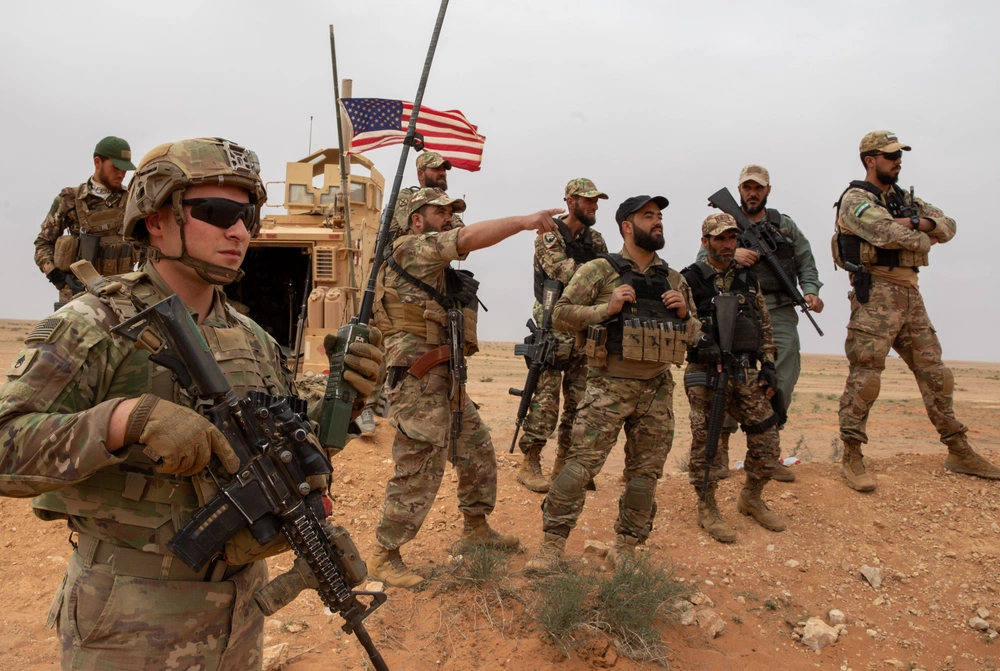
Sources told Al-Monitor that under a potential quasi-normalization/border deal, US troops could replace the Israeli presence on Mount Hermon, and Syrian government forces could be deployed to the buffer zone to prevent forces hostile to Israel from entering the areas.
The report said that the discussions have not included anything about the side of the Golan Heights that Israel has occupied since 1967 and annexed in 1981, a move not recognized by any other country until the Trump administration did so in 2019.
The US has been very friendly with the new Syrian government that’s led by Ahmed al-Sharaa, the founder of al-Qaeda in Syria, who rebranded in 2016 to gain international support. His group of jihadists, known as Hayat Tahrir al-Sham, led the offensive that ousted Assad, and he has become the country’s de facto president.
President Trump recently signed an executive order lifting the majority of US sanctions on Syria. In exchange, the US is hoping for some sort of deal between Israel and Syria. According to Al-Monitor, Israel now views the 1974 disengagement agreement, which established the buffer zone along the Israeli-occupied Golan Heights, as obsolete.
The US has been drawing down its number of troops in Syria, but it is planning to maintain a long-term military presence in the country. The US is expected to close its bases in northeastern Syria and keep fewer than 1,000 troops at its base at al-Tanf in the south, which is about 160 miles east of the Israeli-occupied areas of southwest Syria.
Dave DeCamp is the news editor of Antiwar.com, follow him on Twitter @decampdave
Israel Claims Iran Quds Force Operative Killed in Latest Attack on Lebanon
After talk of normalization of ties with Lebanon, subject to a bunch of unilateral demands, Israel is back to attacking Lebanon from both the air and on the ground, with troops crossing the border to attack and Israel carrying out airstrikes near the capital city of Beirut.
The Beirut strike hit the area of Sin el Fil, striking a car and killing the person within. The IDF issued a statement later Thursday claiming that the man was an operative for the Iranian Quds Force engaged in weapons smuggling to terrorist attack Israeli civilians.
As usual, there has been no confirmation of the identity of the person they killed and no evidence offered this was actually the case. Israel fairly regularly makes claims of weapons smuggling that there is little evidence to back up, and the IDF often posthumously promotes the people they kill into someone of import for their military. The strike hit a vehicle on the highway, killing one and wounding three. The IDF said they were targeting “weapons depots” in the area, before they came up with the Quds Force narrative.
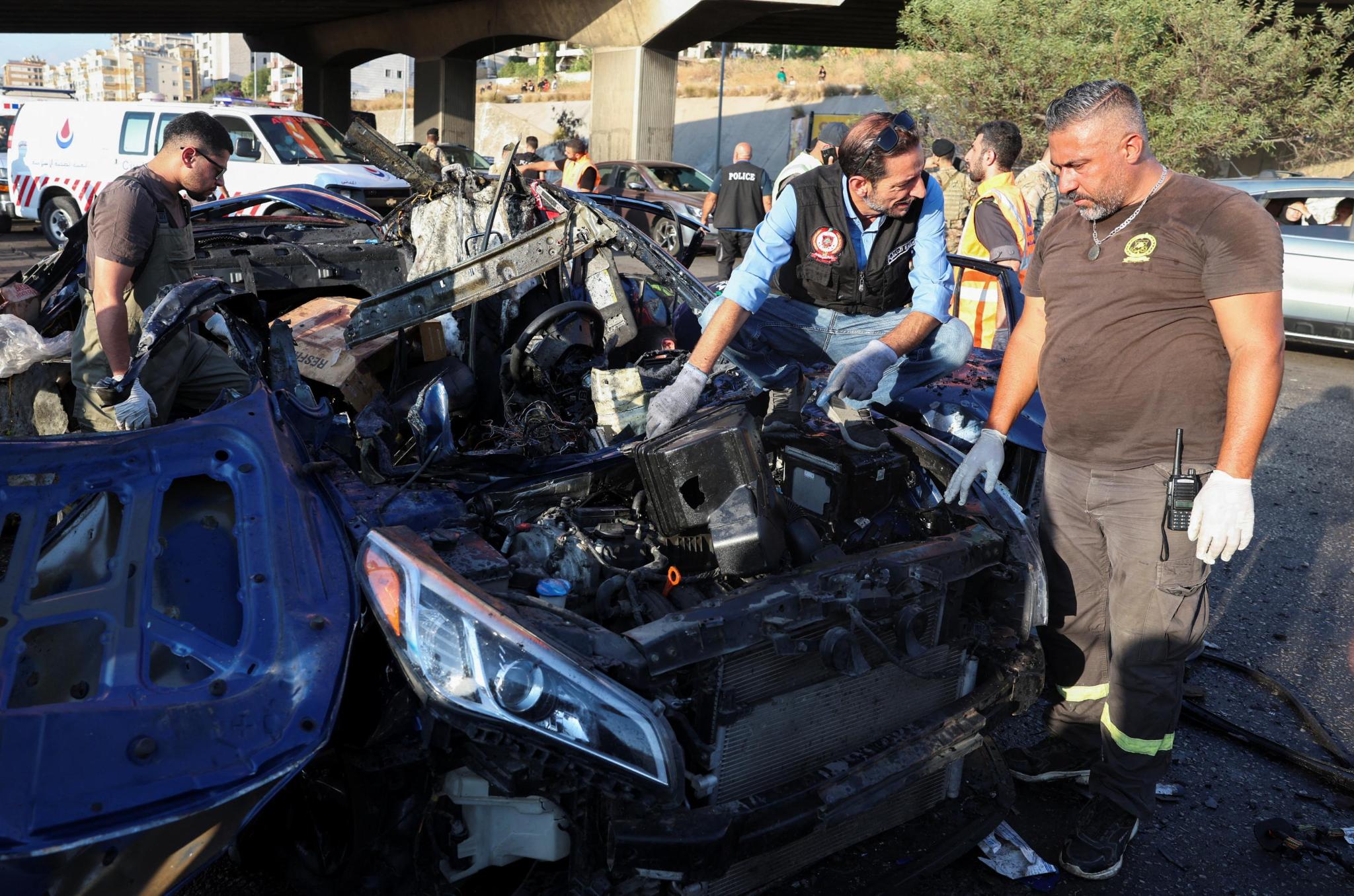
Aftermath of an Israeli strike near Beirut 7/3/25 | Image from Reuters
On the ground, Israeli troops invaded southern Lebanon yet again, crossing the border and marching into Kfar Kila, planting explosives inside on of the civilian homes they didn’t demolish during the occupation, and blew it up. They made no statement explaining this operation.
During the occupation that began after the ceasefire in November, IDF forces leveled a large number of buildings, including civilian homes, leaving many of the southernmost villages in Lebanon shells of destroyed buildings with a handful damaged but still standing. It seems that the damaged ones didn’t so much survive the war as they became the new primary targets for incursions.
Israeli troops continue to occupy five military outposts inside Lebanon, despite the ceasefire calling for a withdrawal from the area. The outposts were built after the ceasefire went into effect, and Israeli military officials have indicated their intention to keep them.
One of these outposts, near the city of Khiam, saw Israeli troops open fire from the hilltop outpost against Khiam. No injuries were reported from the attack, and no explanation was made as to why IDF troops just started shooting at a city.
No comments:
Post a Comment