Mali to sell $107M in gold from Barrick to fund mine restart
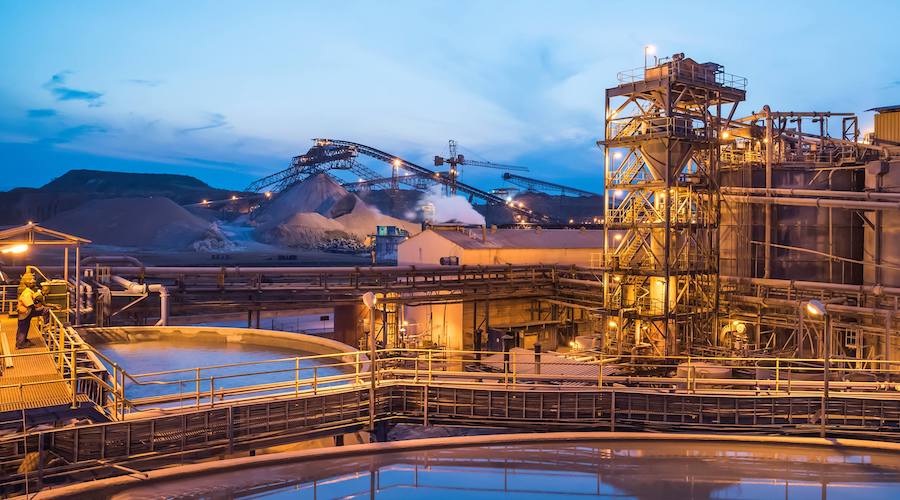
The court-appointed administrator of Barrick Mining’s (TSX: ABX; NYSE: B) Loulo-Gounkoto complex in Mali is reportedly planning to sell some of the gold from the mine site to fund an operation restart.

Citing multiple sources, Reuters said on Tuesday that Soumana Makadji, acting as temporary administrator of the mine operation, intends to sell one metric ton of the gold from the site’s storeroom.
Funds from the planned gold sale could be worth about $107 million and are expected to be used to finance operational expenses, including salaries, fuel and unpaid dues to contractors, the report said.
In addition, Reuters sources have indicated that Makadji has enlisted the state mining company’s chairman and former Loulo-Gounkoto executive Samba Toure to support the mines’ restart, and the plant has already resumed operations.
Battle for control
Loulo-Gounkoto represents one of Barrick’s most significant assets, accounting for about 15% of its total output up until its suspension this January.
The gold complex has become the subject of intense dispute between the Canadian miner and the Malian state for the past two and a half years following the introduction of a new mining code in 2023.
The situation escalated in late 2024 as Mali’s military-led government, which held a 20% in Loulo-Gounkoto, looked to stamp its authority by blocking Barrick’s gold exports, seizing its stockpiled production and detaining company staff. These actions eventually led to its suspension earlier this year.
Eyeing a restart of operations under its control, the Malian state asked the commercial court in Bamako to intervene in the dispute in May and place the gold mines under provisional administration. That request was met last month, with the court appointing Makadji as administrator for six months.
In late June, a Bloomberg report came out stating that Makadji wants to restart gold mining at Loulo-Gounkoto for its potential contributions to the Malian economy.
However, Reuters‘ report on Tuesday noted that challenges could surface given the scale of Loulo-Gounkoto and complexity of running the operation. “Even if production starts, we would need at least four months to get back to normal pace,” one of its sources said.
Barrick response
In response to the potential restart under Malian control, Barrick’s CEO Mark Bristow told Reuters that he will challenge the government’s moves in international courts.
“We will use every legal measure at our disposal to hold the state and the individuals involved accountable for these unlawful actions to protect our people and to defend our investments,” Bristow said, adding that Mali had not acted in good faith.
Bristow also expressed doubts about Mali’s ability to operate the gold mines. “We are concerned that such attempts will cause severe damage to the long-term prospects of the complex,” he said.
For the quarter ended December 2024, Loulo-Gounkoto’s all-in sustaining cost was about $100 million.
Barrick did not respond to MINING.COM’s request for comments at the time of writing.
Ghana launches task force to curb gold smuggling losses
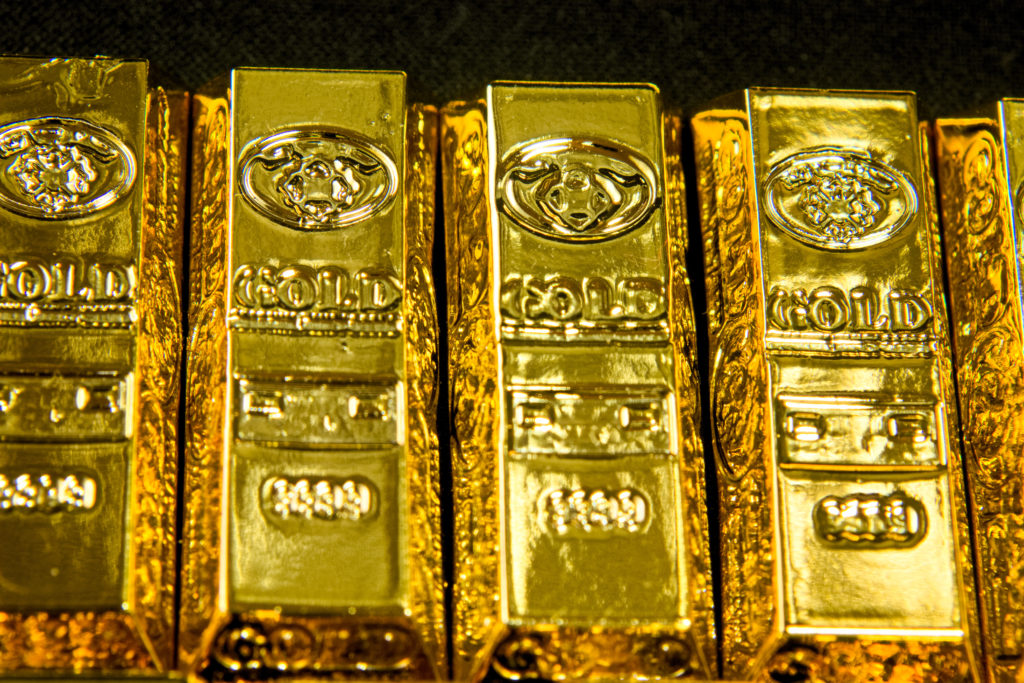
Ghana President John Dramani Mahama on Tuesday launched a task force backed by security forces to address illegal gold trading, as Africa’s top producer seeks to recover billions of dollars lost to smuggling.
The task force is Ghana’s first national anti-gold smuggling initiative. The government has previously launched efforts to sanitize artisanal mining but these were unsuccessful in curbing illegal extraction and preventing revenue losses that plague most African gold producers.
Ghana this year created the new gold board known as GoldBod to centralize gold trading. This has led to record official exports of 55.7 metric tonnes of gold valued at $5 billion in the first five months of 2025, Mahama said at the inauguration of the new task force.
“This is money that would not have come back to Ghana because traders would have taken it and kept the foreign exchange outside,” Mahama said.
To encourage public cooperation with the new anti-smuggling task force, which will involve both soldiers and police officers, informants will receive 10% of the value of gold seized as a result of their tips, Mahama said.
Ghana plans to implement a nationwide gold traceability system and transition to refined gold exports by 2026, Mahama added. The country will also seek to capture more value from gold through an assay laboratory, certified by the International Organization for Standardization to guarantee quality, and a specialized manufacturing hub.
West African governments are striving to capture more revenue from surging commodity prices. Military-led nations are adopting aggressive policies, including rewriting mining codes, seizing assets and renegotiating contracts, while democracies like Ghana and Ivory Coast are pursuing measured reforms through higher royalties and enhanced revenue-sharing deals.
Gold prices have jumped 25% this year to date, and peaked at $3,500 per ounce in April, according to Reuters data.
(By Emmanuel Bruce; Editing by Maxwell Akalaare Adombila, Robbie Corey-Boulet and Franklin Paul)
China’s PBOC keeps buying gold as reserves grow for eighth month
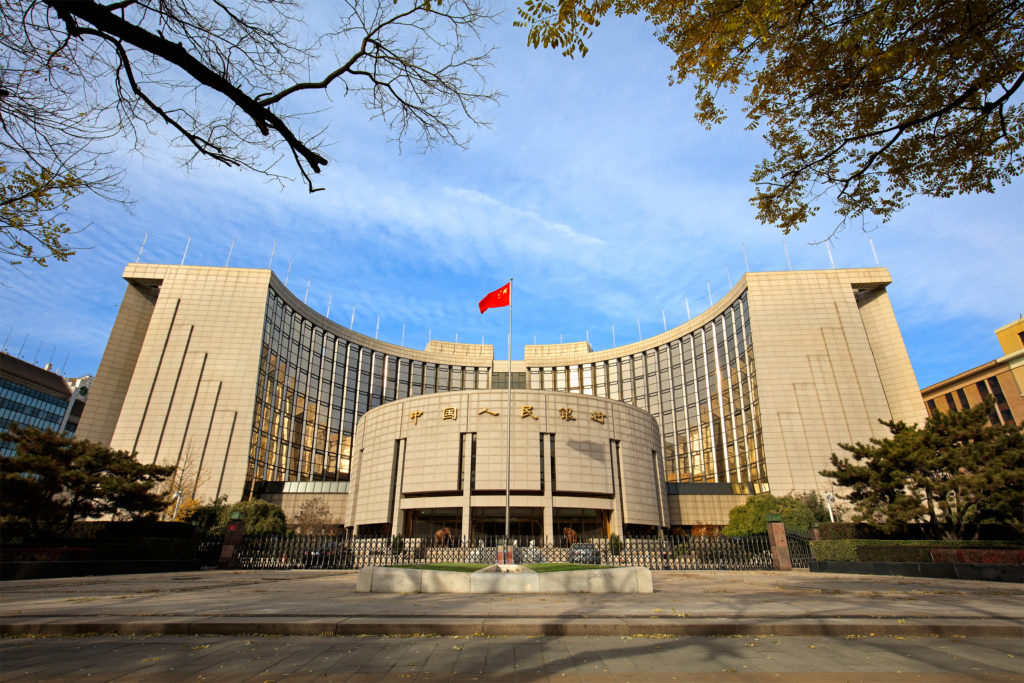
China added to its official gold reserves for an eighth straight month in June, as prices of the precious metal traded near a record high.
Bullion held by the People’s Bank of China rose by 70,000 troy ounces last month, according to data on Monday. Its gold reserves have climbed by 1.1 million troy ounces — or about 34.2 tons — since the current run of purchases began in November last year.
Gold has climbed more than a quarter year to date, underpinned by robust demand from global central banks, as well as safe-haven flows amid an escalating conflict in the Middle East and US President Donald Trump’s aggressive economic and trade agendas.
While the rally showed signs of cooling in June, with prices ending the month little changed, ongoing official-sector buying is likely to remain a strong support. Persistent concerns about the ballooning US fiscal deficit and a perceived weakening of the dollar are prompting some countries to rethink their reliance on US assets.
The PBOC has been among the most enthusiastic official buyers of gold in recent years as authorities have long sought to diversify their holdings from the dollar. The current run of purchases follows a six-month hiatus that ended an 18-month buying spree in 2024.
(By Sybilla Gross)
No comments:
Post a Comment