Mauritania’s role as a key transit hub for African migrants seeking passage to Europe has come into sharp focus, following renewed claims by the NGO Human Rights Watch of abuse by its security forces.
Issued on: 27/08/2025 - RFI

In a new report, Human Rights Watch (HRW) reveals that Mauritanian security forces have carried out "serious human rights violations" against migrants and asylum seekers – ranging from torture to rape – over the past five years.
Mauritania has become a key staging post for undocumented migrants from across Africa who risk the perilous Atlantic crossing from West Africa to Europe, with many aiming to reach Spain.
The NGO added that these abuses had been “exacerbated” by the European Union and by Spain, which continue to outsource elements of their migration management to Mauritania, including support for its border and migration control authorities.
The 142-page report documented violations committed between 2020 and early 2025 by Mauritania’s police, coastguard, navy, gendarmerie and army during border and migration operations.
The victims were largely migrants and asylum seekers from West and Central Africa "seeking to leave or transit the country".
Worst year for migrant deaths on Spanish maritime routes, NGO warns
'Catalogue of abuses'
"For years, Mauritanian authorities followed an abusive migration control playbook – sadly common across North Africa – by violating the rights of African migrants from other regions," said Lauren Seibert, an HRW researcher on refugee and migrant rights.
The report cites a catalogue of abuse including torture, rape, beatings, sexual harassment, arbitrary arrest and detention, theft and collective expulsions.
HRW did, however, note that Mauritania’s government has recently taken steps that "may improve protection for migrants and their rights".
It has urged the EU and Spain to put human rights and saving lives at the forefront of their cooperation with Mauritania.
Spain faces record surge in migrants reaching Canary Islands
Influx to Canary Islands
Thousands of people have died in recent years attempting the dangerous journey from North Africa to Spain, particularly when aiming for the Canary Islands off Africa’s northwest coast.
For its report, HRW interviewed 223 people, including more than 100 migrants and asylum seekers, and examined documentary evidence as well as visiting detention centres.
In total, it documented abuses against 77 migrants and asylum seekers – men, women and children – along with one Mauritanian national.
According to Spanish government figures, a record 46,843 people reached the Canary Islands by boat in 2024.
Arrivals slowed in 2025, with around 11,500 arrivals recorded between January and July.
Mauritania’s government has rejected many of the report’s findings, while the EU insists its partnership with the country is “solidly anchored” in respect for human rights.
(with newswires)
EU's and Spanish migration policies ‘exacerbate’ rights abuses in Mauritania - HRW report
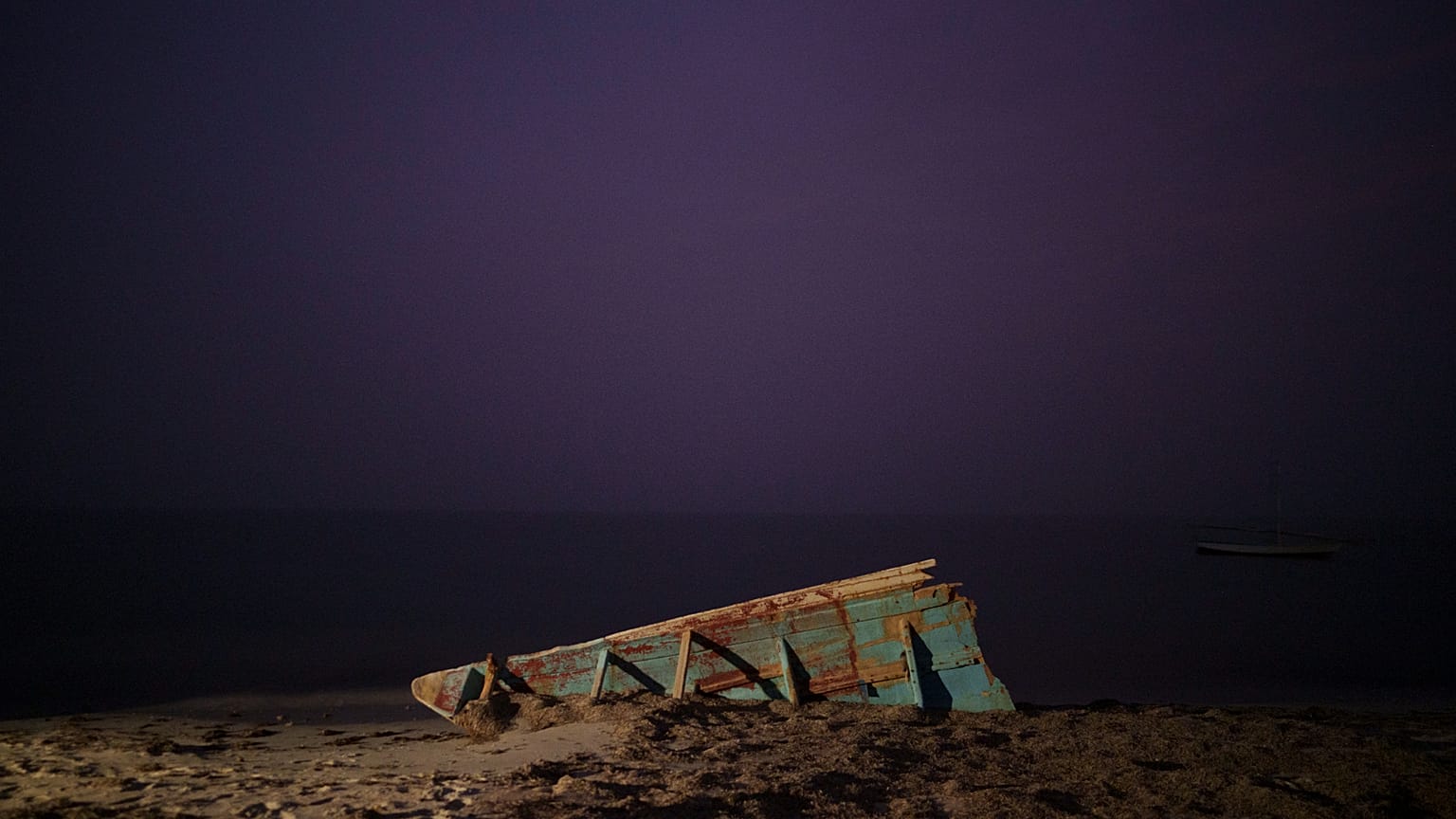
Human Rights Watch says EU's and Spain’s outsourcing of migration control to Mauritania has worsened abuses against asylum seekers, including torture, rape and mass expulsions. The report links these violations to a €210 million 2024 migration deal aimed at curbing departures to the Canary Islands.
Human rights abuses of asylum seekers in Mauritania have been exacerbated by the European Union and Spain, which are “continuing to outsource migration management” to the West African country, a report by Human Rights Watch published on Wednesday claimed.
The 142-page report documented violations to migrants and asylum seekers in Mauritania, including torture, rape, sexual harassment, arbitrary arrests, inhumane detention, extortion, theft, and mass expulsions, carried out mainly by Mauritania’s police, coast guard, army and navy.
“Dozens of people who had been held in Mauritania’s police-run migrant detention centres described inhumane conditions and treatment, including lack of food, poor sanitation, adolescent children at times detained with unrelated adults, and some beatings by guards,” the rights group said.
In March 2024, the EU and Spain signed a €210 million migration management agreement with Mauritania, to reduce departures from the West African coast, usually towards the Canary Islands.
Even though arrivals via the West African route decreased by 46% between January and July 2025 compared to the same period in 2024, according to EU border agency Frontex, Mauritania remains a major transit country for Africans trying to reach Europe.
But the investment by the EU and Spain to halt arrivals at the EU coasts is having a negative impact on the human rights of asylum seekers and migrants, Human Rights Watch claimed.
“The report also highlights the negative impacts of Mauritania’s interceptions and forced returns of migrant boats, supported by the EU and Spain, while search-and-rescue in the Atlantic remains insufficient, contributing to ongoing deaths,” the rights group alleged.
Euronews has approached the European Commission, the Spanish and Mauritanian government for comment.
The EU executive and Mauritania authorities did not respond at the time of publication, however, the Spanish ministry of interior told Euronews it “fully respects the work of Human Rights Watch, but it will not make any comment about the content of its report”.
“For years, Mauritanian authorities followed an abusive migration control playbook – sadly common across North Africa – by violating the rights of African migrants from other regions,” said Lauren Seibert, refugee and migrant rights researcher at Human Rights Watch.
However, the rights group acknowledged that a recent reform approved by the Mauritanian government represents a step in the right direction.
“Mauritania’s recent reforms show that a new approach is possible. The government should build on these efforts, scale up monitoring of security forces, and halt collective expulsions,” the expert said.
No comments:
Post a Comment