Spain’s housing crisis deepens: residents’ anger is rising

Copyright Euronews
By Valérie Gauriat
07/08/2025 -
Millions across Europe are being priced out of housing, with Spain at the heart of the crisis. Euronews’s international correspondent Valérie Gauriat reports from Barcelona, where skyrocketing rents and property speculation are pushing residents to the brink.
Since 2010, housing prices in the European Union have surged by over 50% on average, while rents have climbed by 26%. Spain is among the hardest-hit nations, with rents increasing by up to 80% in the past decade.
This is a crisis caused by a cocktail of scarce housing supply, inflated construction costs, the boom in short-term rentals, and foreign investor speculation.
“Barcelona is a city full of tourists. Rents are extortionate,” says Rosario Castelló, a longtime resident and member of the tenants’ union, Sindicat de Llogateres.
She faces eviction after her apartment block was purchased by Vandor Group, a subsidiary of British investment fund Patron Capital.
“I’ve lived in my flat for 26 years,” explains Rosario. “It’s where I raised my children, and where I have my clothing brand Pinku No Kuma,” she says showing the dresses she designs with her daughter.
“And Vandor wants to take my house away from me, along with everything I’ve achieved here,” she adds.
Rosario is the last of the building’s former tenants. All the other flats were turned into co-living spaces, rented to foreigners on short term leases.
“Vulture funds are massively buying entire buildings for speculation. And they’re throwing us all out,” storms Castelló. “It must stop.”
Despite her lease having expired, she refuses to leave and is in legal proceedings with the owner to which she still pays rent.
“They offered me a small fee to get me out,” she explains, “but rental prices are extortionate. I have nowhere to go.”
Across Barcelona, residents like Rosario are banding together. Supported by the Sindicat de Llogateres, they are fighting to avoid evictions and pressure public authorities to intervene.
“There is a total lack of protection for the right to housing,” exclaims Martina Ges Torra, another member of the tenants’ union. “We will collectively defend this right.”
The Spanish government is trying to curb the crisis. Measures include plans to remove 65,000 Airbnb listings, increase taxes on property purchases by non-EU nationals, and enforce rental caps.
“We have started to regulate the rise in rental prices,” says Barcelona’s Mayor, Jaume Collboni, noting an 8% price drop in Barcelona.
Another sweeping measure will eliminate all Airbnb apartments in the city by 2028, returning 10,000 homes to residential use.
“And in Catalonia, short-term rentals will be subject to the same price cap,” adds the mayor. “This means a huge drop in profitability for investment funds – it’s a deterrent.”
Jaume Collboni is leading the ‘Mayors for Housing Alliance’ initiative, involving 15 major European cities. They have presented the EU with a European Housing Action Plan urging Brussels to invest in affordable housing and exempt such spending from the limitations of state aid rules.
“The European Commission must act,” insists Collboni. “If citizens see that European institutions aren’t addressing a problem of such magnitude, it could trigger a crisis of legitimacy,” he says, concluding: “It’s not just a social issue. The future of the European project, and of democracy itself, are also at stake.”
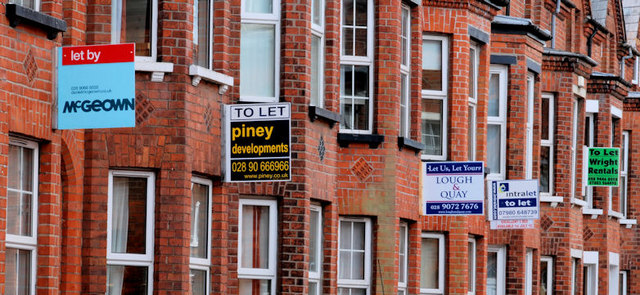
The government is being urged to act urgently to cap the cost of rents, following new research that shows tenants in Britain are now paying an average of £417 more per month compared to five years ago, a 44 percent increase that far outpaces wage growth.
Outside London, average monthly rents have climbed to £1,365, marking a 3.9 percent rise from this time last year. In the capital, rents have hit a record high of £2,712 per month. According to data from Rightmove, advertised rents for new tenancies in London have increased by 1.9 percent annually.
Ben Twomey, chief executive of Generation Rent, which advocates for tenants’ rights, warned that soaring rents are pushing people to the brink:
“Landlords often blame rising rents on demand being higher than the number of homes available, but it is now clear that high rents are here to stay, even as the number of renters looking for homes is falling.
“When so much of our income is swallowed up by landlords, it can mean that we can’t afford to heat our homes for the winter or feed ourselves properly.
“Some renters are staring down the barrel of debt and homelessness.
“The government can and must act urgently. We rightly have caps on essentials like energy and water bills, but we desperately need the same protection from the soaring rents that are pricing us out of our homes.”
Richard Lane, chief client officer at StepChange Debt Charity, shared similar concerns, noting how renters are disproportionately affected by financial strain:
“The majority of our clients struggling with debt are renters, with a third in the PRS (private rented sector). Our data shows that among StepChange clients, housing costs take up 37% of private renters’ incomes on average – compared to 29% among social renters and 27% among mortgage holders.
“When so much of your income goes on rent, it’s no wonder private renters are more exposed to debt and financial hardship.”

No comments:
Post a Comment