Germany urges Europe to stop China buying so much copper scrap
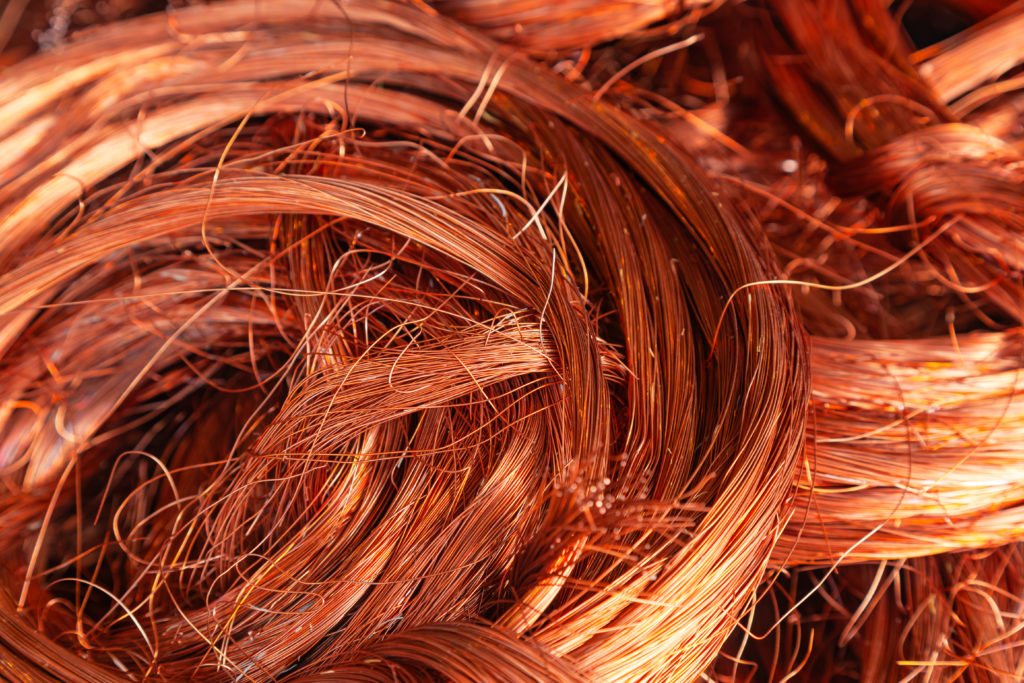
Europe needs to help its copper smelters by stemming “huge” flows of scrap metal to China, Germany’s Economy Minister Katherina Reiche said, potentially opening up a new front in trade tensions.

“The Chinese are buying copper scrap from the market in huge quantities,” Reiche said at a Siemens Energy AG event in Berlin on Monday. “Large German copper smelters are no longer getting any raw materials.”
The unease about shipping raw materials to China highlights a growing politicization of global commodities supplies, which has accelerated under US President Donald Trump’s protectionist agenda. Any European Union moves to stem supplies would add to trade issues — including China’s exports of electric vehicles — that have strained ties between Brussels and Beijing.
Reiche said there should be Europe-wide policies to ensure China cannot simply outbid European smelters to get scrap metal out of the region, without specifying what restrictions could be implemented. This topic should be part of a wider concept around resilience of European economies, she said.
China has boosted purchases of copper scrap over the past five years as its own smelters ramp up output and supplies of mined copper ore become more costly. But this year has seen an additional dynamic with China seeking supplies from many other countries after a collapse in direct scrap shipments from the US, typically the single biggest origin.
In the first seven months of the year, China took in about 204,000 tons of copper scrap from European Union nations, up 3.5% from a year earlier. Still, its supplies were still a relatively small part of China’s total imports, at about 15%.
Reiche also called for measures to promote mining of lithium and rare earths in Germany.
Codelco warns Chile’s copper output may stall at 5.5Mtpa
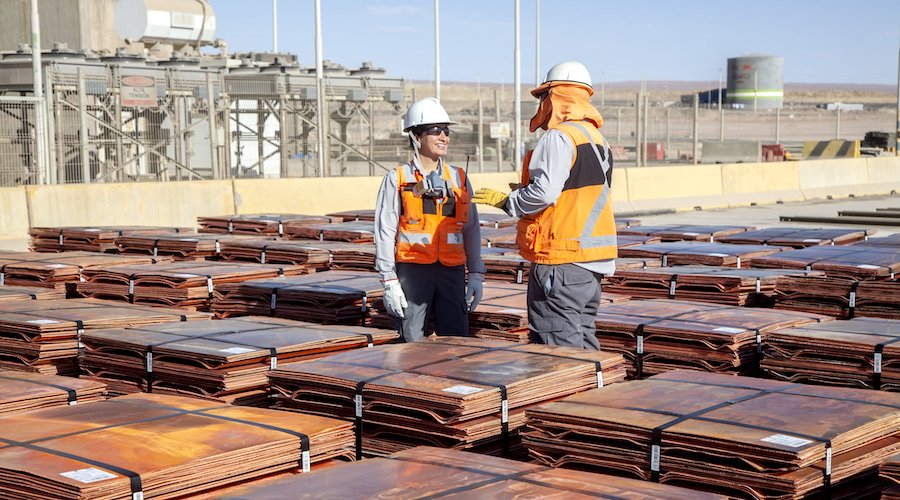
Chile’s state-owned copper giant Codelco is warning that national production could stagnate at about 5.5 million tonnes per year as the industry faces mounting challenges.
Chairman Máximo Pacheco said at the Ecos de la Minería summit in Santiago the sector faces “enormous difficulties,” citing deeper mining operations, falling ore grades and rising costs. Chile is the world’s top copper supplier, and a prolonged plateau in output could tighten global markets just as demand from the energy transition accelerates.
Despite the challenges, Pacheco said Codelco is pressing ahead with upgrades and new ventures. He confirmed the company remains committed to a lithium partnership with SQM in the Salar de Atacama. He also said an exploration agreement with BHP (ASX: BHP) for the Anillo copper project will be signed this week, while a joint mining plan with Anglo American (LON: AAL) could be finalized in the coming weeks.
SQM President Gina Ocqueteau told local paper La Tercera she is optimistic the deal with Codelco will be ratified before Chile’s next government takes office in March. She noted the partnership’s details could be finalized sooner but warned delays would postpone revenues needed for government projects.
Two hurdles remain before the lithium deal can be sealed: completion of an indigenous consultation process and approval from China’s antitrust regulator, SAMR. Ocqueteau said the consultation, led by state agency Corfo, is well advanced. On SAMR, she noted “good news and a growing sentiment” but acknowledged concerns in Beijing over global lithium supply.
Awaiting minister’s blessing
Chile’s Energy and Mining Minister Aurora Williams confirmed the special contract underpinning the SQM-Codelco venture has already cleared reviews by the Comptroller General and state copper agency Cochilco. “The only thing left for us to do is sign it,” she said.
The contract sets terms for exploration, exploitation, environmental safeguards and economic conditions. It is slated to give Codelco majority control of SQM’s lithium production in northern Chile. If approved, it would cement a landmark partnership in one of the world’s most strategic lithium assets.
Some presidential contenders have said they would review the deal or scrap it altogether if it does not come through before President Gabriel Boric leaves office, putting pressure on his administration to finalize the key pillar of its vow to boost the state’s role in lithium production.
No comments:
Post a Comment