Copyright AP Photo
By Diana Resnik
Published on 10/09/2025
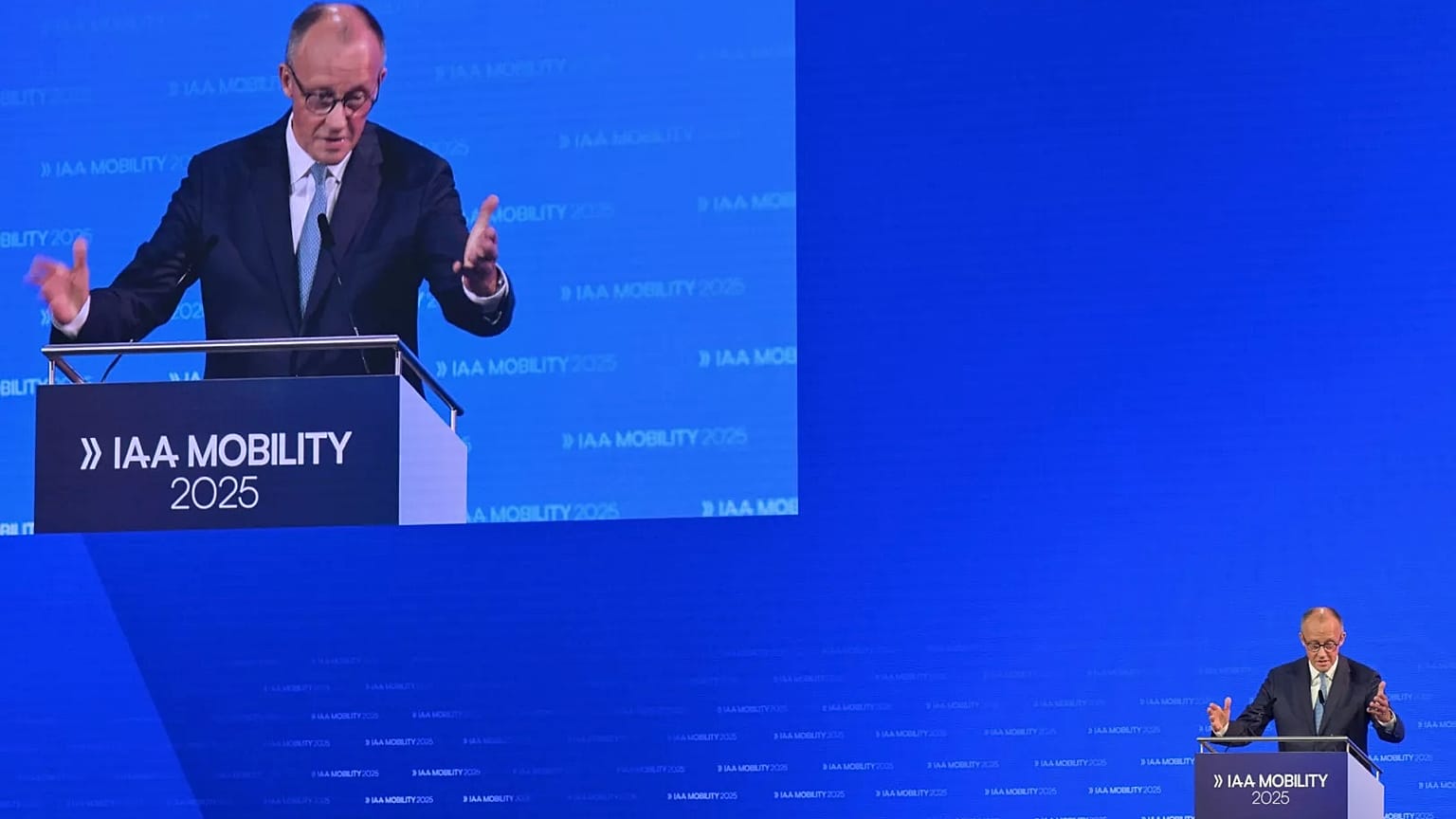
At the opening of the International Motor Show (IAA) in Munich, a trade expert spoke to Euronews about the challenges facing Germany's automotive sector and says political decisions are to blame.
The IAA Mobility international motor show kicked off in Munich with a spectacular display. A dazzling lineup of innovative car models was presented with dramatic lighting and music, setting the stage for what should have been a celebration of progress.
But behind the glitz and glamour, the German automotive industry is grappling with a deepening crisis.
On one front, fierce competition from China is threatening Germany's global market share. On the other, the United States is turning up the pressure with 15% tariffs on German vehicles. At home, political decisions are adding to the burden.
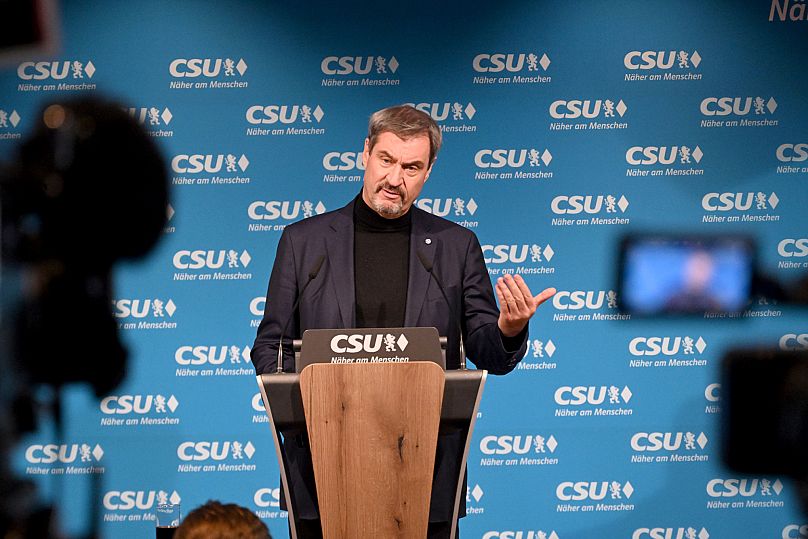
Bavarian Premier Markus Söder responded to the growing concerns with a sharp critique of the EU-wide ban on combustion engines, set to take effect in 2035.
German Chancellor Friedrich Merz has also entered the debate, calling for "greater flexibility in regulation."
But do these pressures spell disaster for Germany's auto industry?
"No," says foreign trade economist Dr. Martin Braml, author of "Free Trade is Finished".
Speaking to Euronews, the trade expert offers a clear analysis: the real reason behind the crisis lies elsewhere. Germany has "put obstacles in its own way."
How can Germany find its way out of a self-made dead end?
Braml stresses the need to first improve Germany's business location conditions.
"The state must set the framework," he told Euronews. "Key factors include wage costs, especially the rapidly rising ancillary wage costs such as social security contributions."
He also highlighted the heavy bureaucratic burden and extensive documentation requirements faced by companies. "Supply chain laws have ultimately placed obstacles in the way of businesses over recent years. This is an area we need to tackle," Braml said.
Another example of destructive economic policies is the approach to combustion engines. The EU plans to ban them in new cars by 2035. Bavarian Premier Markus Söder criticised this ban, calling a rapid CO2 reduction unrealistic. Söder warned that the ban will threaten hundreds of thousands of jobs.
According to a study by auditing firm EY, jobs in the German automotive industry fell by 6.7% year-on-year. Around 51,500 positions were cut within a single year, marking the steepest decline across the entire industrial sector.
Auto industry faces job losses amid policy debate
Foreign trade economist Dr Martin Braml also considers the political decision to ban combustion engines by 2035 unwise. He points out that about half of the vehicles Germany exports are pure combustion engine cars.
"Automakers are not making their profits in the electric sector," Braml said.
He further argued that climate policy should be driven by pricing mechanisms rather than regulatory mandates. "That would be a market-driven process, not a legal intervention. Whether new cars in 2033, 2035, or 2037 are predominantly electric vehicles will then reveal itself."
Braml added that US tariffs and competition from China are not the main problems facing the industry.
Related
US tariffs and rising competition from China
In addition to the shift towards electric vehicles, German automakers are confronted with US tariffs and growing competition from China. "That is, of course, a challenge," says Braml. One potential solution, he suggests, is to establish trade agreements with other countries.
Over the past 15 years, the European Commission has signed numerous trade deals — with Japan, South Korea, Vietnam, Singapore and Australia, among others, Braml notes. However, conducting trade has become increasingly difficult in recent years.
"It's because we have a missionary zeal to make the world a better place and try to regulate everything that has always bothered us in trade agreements," explained Braml.
Climate protection, environmental safeguards, labor standards, and even animal welfare chapters are now part of trade agreements. While these are all "noble goals," Braml warns that "if we apply the standards we have in Europe everywhere, we will end up only trading with ourselves."
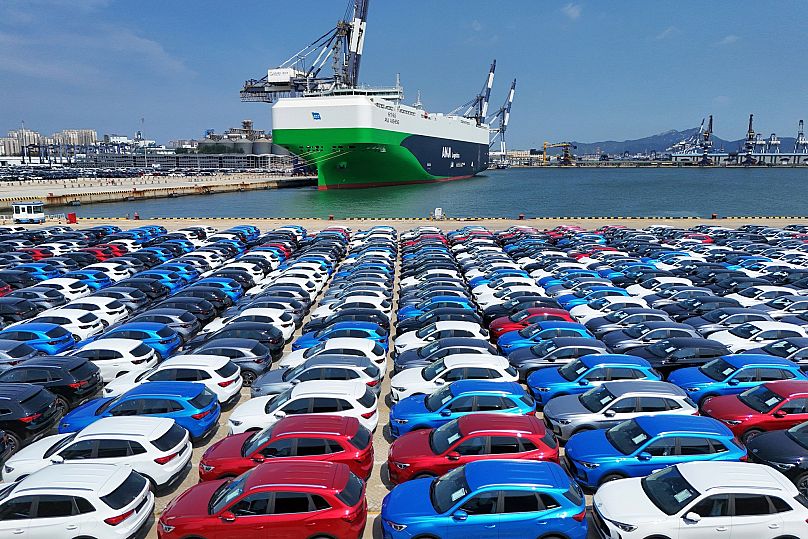
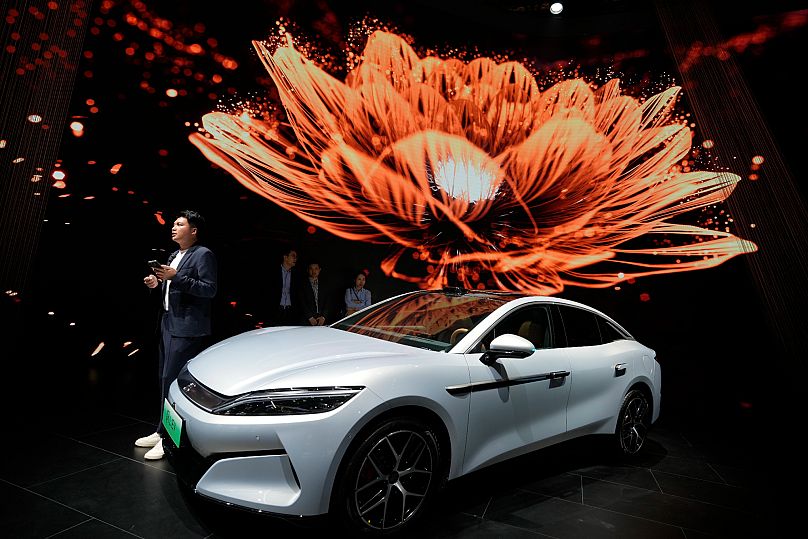
This approach gives the US and China a market advantage. Already, many German automakers watch with concern the breathtaking diversity of Chinese electric vehicle manufacturers. Alongside BYD, a wide range of brands such as Omoda, Gecko, GAC, and XPeng are showcased at the IAA in Munich.
Germany cannot yet compete with the variety of Chinese electric car models. However, economist Dr. Martin Braml doubts whether consumers actually want even more models.
"Chinese cars are still not very popular," Braml said. "Only about one in six Germans can imagine buying a Chinese car."
"BYD recently also scaled back production because sales are weakening, especially in newly opened export markets," Braml added.
German electric car exports soar amid job losses
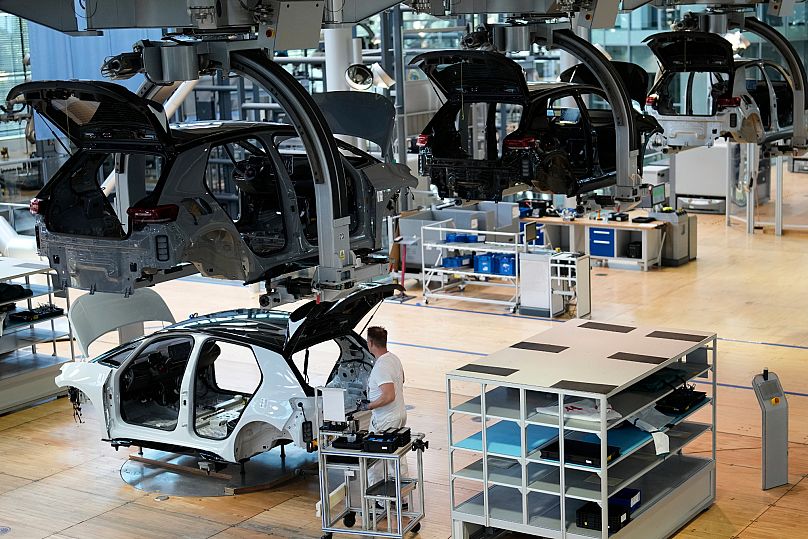
"At the same time, we see that Germany can produce very good electric cars," says Braml. "In 2023, Germany already had a trade surplus of €22 billion in electric vehicles. We export significantly more electric cars than we import, both in volume and value."
But if German electric car production is doing so well, how can the rapid job losses in the industry be explained?
"An electric car is less complex to manufacture and involves fewer production steps," Braml explains.
As more electric vehicles are built in the future, the industrial value creation in this sector will diminish.
"That means fewer workers will be needed," he says. “This is a structural challenge."
Could von der Leyen have negotiated better?
"The US tariffs are, of course, also a problem," says Braml. Until now, passenger cars could be imported relatively cheaply into the US with a tariff of 2.5%. But now, 15% tariffs apply, while tariffs on imports from the US to Europe have dropped to zero.
"In the end, it may be more profitable for automakers to shift production to the US and serve both markets—Europe and the US—from there," Braml explains.
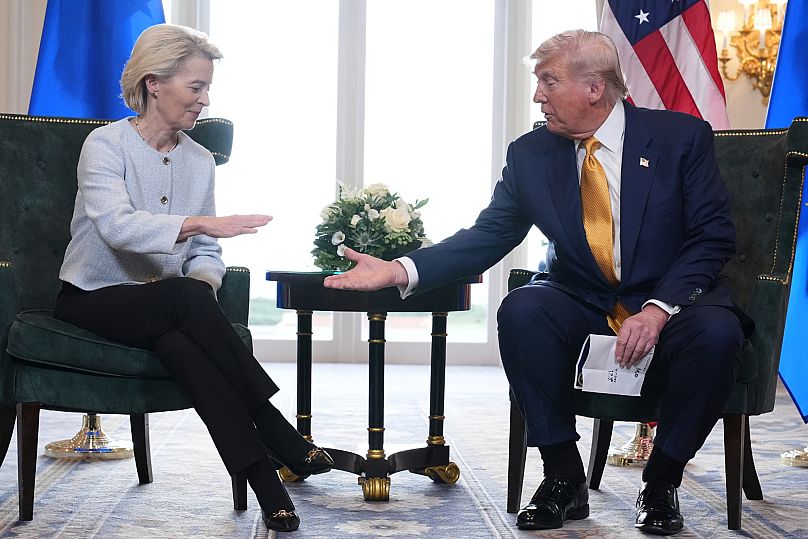
When European Commission President Ursula von der Leyen struck a tariff deal with US President Donald Trump in July, EU countries including Germany were shocked: the negotiations ended with a 15-to-zero tariff advantage for the US. "This outcome already reflects the current balance of power quite starkly," says Braml.
But the issue goes far beyond trade policy. "The EU didn't have to let itself be so easily pushed around," Braml argues.
Braml recalls how the EU responded firmly to US tariffs in 2018. When President Trump imposed tariffs on aluminium and steel during his first term, "the EU reacted with strength," Braml explains.
"We already had special tariffs under Trump in 2018 and back then the EU responded differently. They imposed counter-tariffs and showed the US that we could hurt them as well." According to Braml, Trump quickly became quite "tame," despite his public claims to the contrary.
However, circumstances have changed. Russia's full-scale invasion of Ukraine rages on right on Europe's doorstep, putting US security guarantees at risk. "In such a situation, a deal is indeed better than an escalating trade war that would divide the West," Braml believes.
However, the tariff asymmetry will not last in the long term, Braml says. Once the situation in Ukraine changes, Europe will seek to renegotiate, says the foreign trade economist. "For now, I fear this was the best deal that could be achieved."
Euronews exclusive: Mercedes CEO answers top three questions about car industry's future
Copyright Euronews
By Stefan Grobe
Published on 11/09/2025
As EU industry chief Stéphane Séjourné said recently in his stark warning, Europe's auto industry is "in mortal danger".
Stuttering sales, high energy prices, growing global competition and an uncertain regulatory and trade environment have plunged the sector into a spiralling crisis.
To address the most pressing challenges, EU Commission President Ursula von der Leyen will host senior automotive executives in Brussels on Friday for crash talks.
It's the third and final crisis meeting of its kind this year, part of what the Commission has billed the "Strategic Dialogue on the Future of the Automotive Industry."
But can crisis talks like this avert the catastrophe many industry figures have warned about, or is Europe's role in global car manufacturing over?
Euronews spoke to Ola Källenius, president of the European Automobile Manufacturers’ Association (ACEA) and CEO of Mercedes-Benz, who shared his thoughts on the three most important questions around the continent's automotive industry and its future.
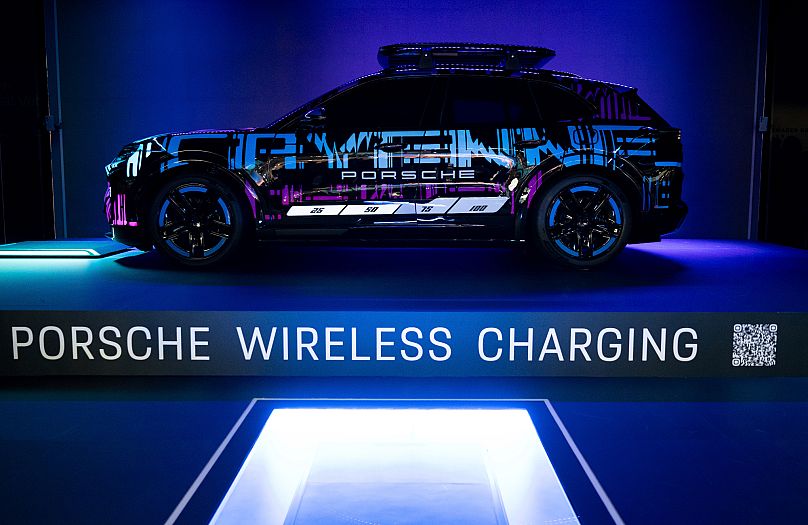
Euronews: Is the automotive industry asking for a reversal of EU emissions targets?
Ola Källenius: We are fully committed to the goal of zero emissions - but there is a better way to get there.
No one has a greater interest in the success of electric cars than the European automotive industry.
We, as manufacturers, have already poured hundreds of billions into investments and brought hundreds of zero-emission models to market.
However, the world has evolved, and policy and legislation need to evolve, too.
That’s why we are advocating for a pragmatic recalibration of the CO₂ reduction path.
This isn't about abandoning our goals, but rather aligning them with the current market realities, economic conditions, and geopolitical landscape.
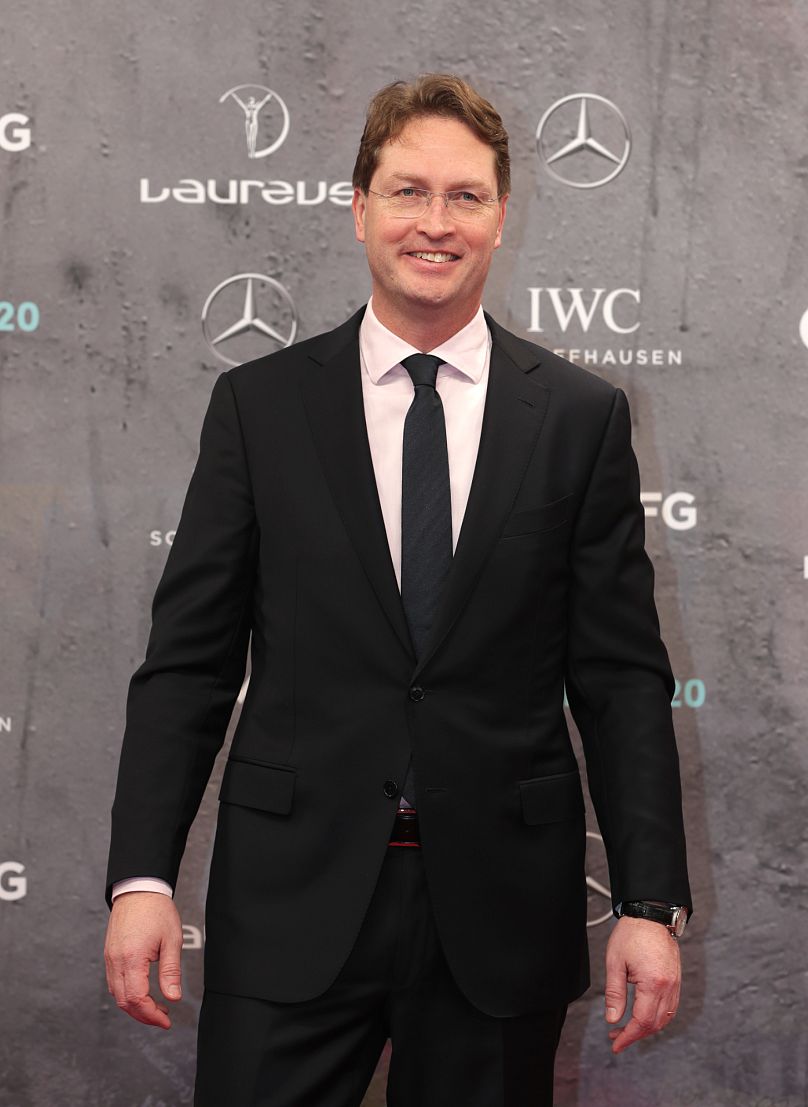
Euronews: What factors are slowing down the transition to green mobility?
Källenius: What we need in the current situation are strong enabling measures, including robust charging infrastructure, meaningful consumer incentives and significant upgrades to our energy grids.
Additionally, high electricity and energy costs must come down significantly, as they directly impact the attractiveness and accessibility of electric mobility for the average consumer.
These are not trivial issues; they are systemic challenges that require a concerted effort from policymakers, energy providers, and the industry to truly unlock the full potential of electric mobility. We are ready to do our part, but the ecosystem must evolve in parallel.
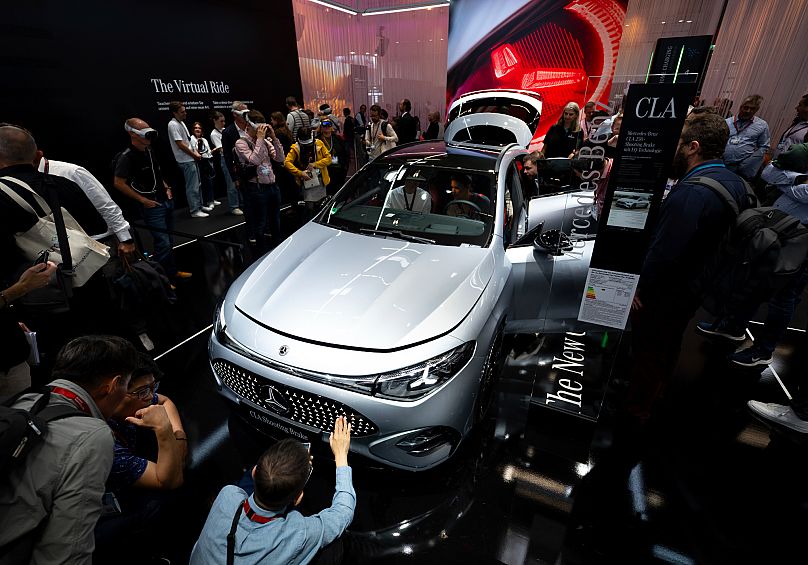
Euronews: What is necessary to ensure a successful transition to green mobility?
Källenius: It begins with a holistic and pragmatic EU strategy, one that looks beyond mere CO2 targets to the bigger picture.
We need simpler, more flexible regulation, cutting red tape, recalibrating targets realistically, long-term, consistent incentives to drive consumer adoption, as well as allowing for technology neutrality.
Ultimately, climate policy must be integrated with the wider EU goals of ensuring competitiveness, job creation and strategic autonomy.
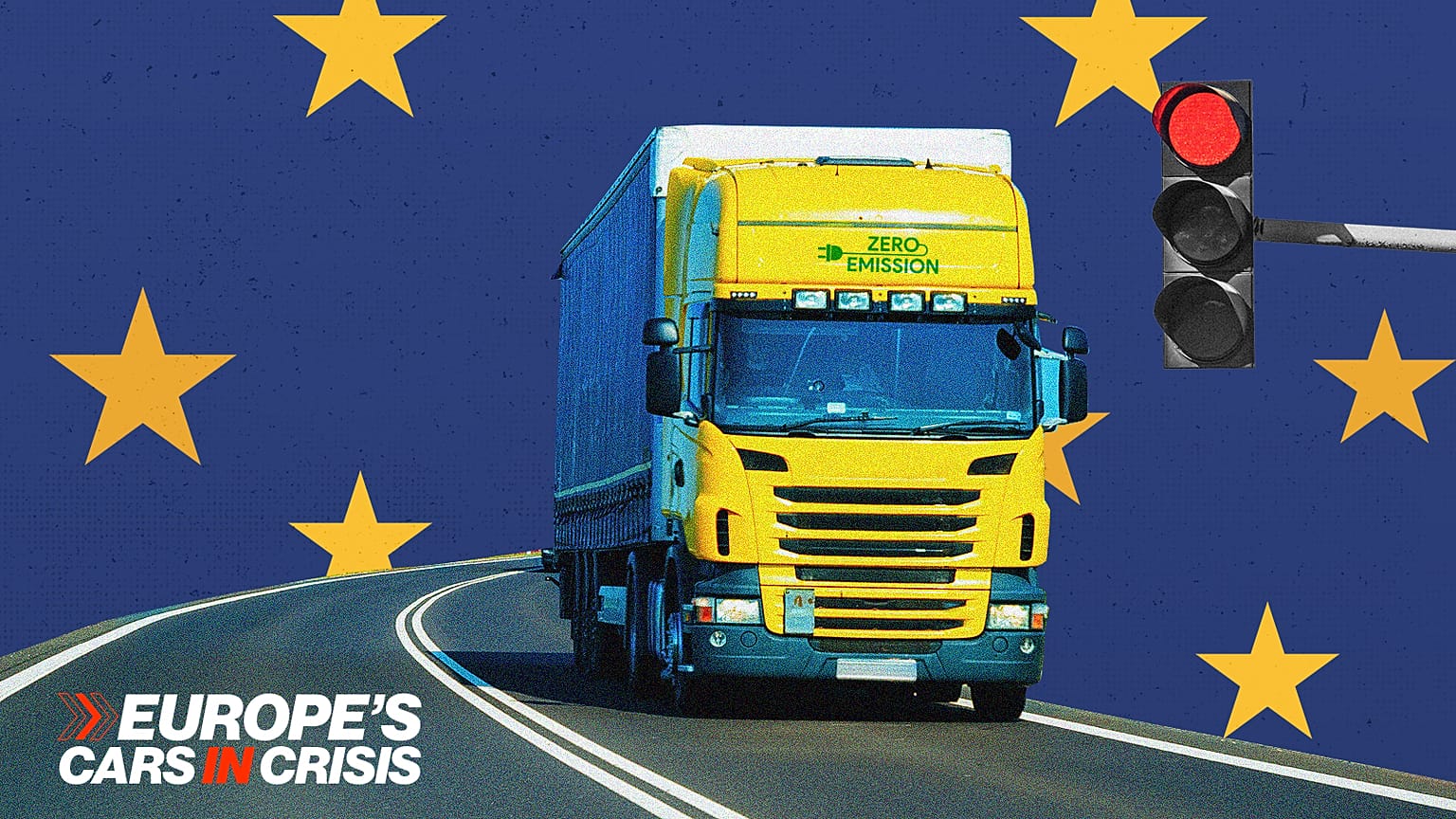
The EU's current regulatory path is setting Europe’s truck and bus makers up for failure, argues Christian Levin, the Chairman of the Commercial Vehicle Board of ACEA and CEO of Traton Group and Scania. He calls for concrete results from the Strategic Dialogue for the auto sector.
As Europe debates the future of its automotive industry, one fact must be front and centre: trucks and buses are the backbone of Europe’s economy. Every day, they deliver essential goods and services to hundreds of millions of citizens and businesses. They are also at the heart of our continent’s climate ambitions.
Our industry has already invested billions in zero-emission vehicles (ZEVs). Today, we can offer solutions for all transport needs.
Yet, despite the industry’s readiness, the current regulatory path ahead risks setting us up for failure. The reason is simple: most of the enabling conditions that would make this transition possible are not in place today.
Under the current 2030 CO2 targets, the market share of ZEVs must increase from about 3.5% today to at least 35% in less than five years. That tenfold leap would be ambitious under any circumstances, but it will be impossible without critical levels of infrastructure and coherent policies that really drive the transition.
Adequate grid connections remain challenging, competitive charging prices, CO2-based road user charges, and targeted incentives are either delayed or under immense political pressure. Even essential legislation, such as the Weights & Dimensions Directive, is still pending.
Concrete and urgent action needed from Strategic Dialogue
This is why the European Commission’s Strategic Dialogue must deliver concrete and urgent action for Europe’s commercial vehicle manufacturers. Our sector is already delivering vehicles. But if the other pieces of the puzzle do not fall into place, we will miss the 2030 targets. And let me be clear: This is not a failure of engineering; it’s a failure of policy.
Under Europe’s regulation framework, truck and bus makers are the only actors exposed to draconian non-compliance penalties, even though the success of the transition depends on so many others too: energy providers, infrastructure operators, shippers and transport operators and, most importantly, policymakers.
Without rapid improvements, we risk excessive fines for circumstances beyond our control. That is neither fair nor smart industrial strategy.
We are true global champions and market leaders in most regions worldwide. By stalling the transition, Europe not only risks its climate-neutrality goals, it is also undermining the global leadership of one of its most competitive industries.
We are therefore calling on the European Commission to act now and to:
- Fast-track the review of the HDV CO2 regulation, not in 2027, but now. This early review must make sure the interdependencies across the transport and logistics industry are fully reflected in the regulation.
- Conduct a robust assessment of the state of the enabling conditions for the sector and a realistic rollout across all Member States: from charging and hydrogen infrastructure to grid capacity, ZEV cost parity and targeted demand-side incentives.
- Work with us in dedicated workstreams focused on our industry’s transition, so that solutions can be tailored to the unique challenges we face, and Europe’s truck and bus makers can defend their global leadership.
We are fully committed to driving the climate-neutrality transition and pulling the road transport sector with us. But commitment alone won’t deliver results without supportive policies that match our urgency and realism.
The world is watching whether Europe can lead the way in sustainable transport while safeguarding its competitiveness. Let us prove that we can by making this Strategic Dialogue a turning point.
Christian Levin, is Chairman of the Commercial Vehicle Board of ACEA and CEO of Traton Group and Scania.

No comments:
Post a Comment