Restart of Huge Nuclear Power Plant Faces Backlash in Japan
- Local residents and anti-nuclear activists in Japan oppose the restart of one of the world’s biggest nuclear power plants.
- TEPCO has planned for years to restart the Kashiwazaki-Kariwa power plant in the Niigata prefecture.
- Since 2015, Japan has restarted 14 reactors, while 11 others are currently in the process of restart approval.
Local residents and anti-nuclear activists in Japan oppose the restart of one of the world’s biggest nuclear power plants and its operator’s plan to invest money in revitalizing the regional economy.
Tokyo Electric Power Company (TEPCO), which also operated the nuclear power plant in Fukushima prior to the 2011 disaster, has planned for years to restart the Kashiwazaki-Kariwa power plant in the Niigata prefecture.
But the company faces backlash over its restart plans and proposal from August this year to “contribute monetarily to vitalizing the regional economy,” and invest in projects to contribute to improving safety and security.
TEPCO’s monetary proposal is for the creation of a $667 million (100 billion yen) fund for the benefit of Niigata prefecture, Nikkei Asia reported last week.
Anti-nuclear activists have slammed the proposal as a “bribery” of the local residents to accept the restart of the Kashiwazaki-Kariwa plant.
“This is a big step forward for Tepco because they really want to restart the plant and the scale of the offer shows that,” Hajime Matsukubo, secretary general of the Tokyo-based Citizens’ Nuclear Information Centre, told This Week in Asia.
“But this is simply bribery,” Matsukubo added.
Opinion polls suggest that local residents are split on whether TEPCO should be allowed to restart the nuclear power plant.
In the wake of the Fukushima disaster in 2011, Japan closed all its nuclear power plants, and conducted rigorous safety checks and inspections.
Since 2015, Japan has restarted 14 reactors, while 11 others are currently in the process of restart approval.
Kashiwazaki-Kariwa has been offline since 2012, while the Nuclear Regulation Authority in 2021 barred the plant’s operator, TEPCO, from operating the facility due to safety breaches.
The regulator lifted the operational ban on Kashiwazaki-Kariwa in December 2023, paving the way for the restart.
But the restart still needs the approvals of the Niigata prefecture, the city of Kashiwazaki, and the village of Kariwa to resume operations.
In an address to a committee at the Niigata prefectural assembly this week, TEPCO president Tomoaki Kobayakawa said the operator aims to restart reactor No 6 and would consider decommissioning reactors No 1 and No 2.
The backlash against the restart of one of the biggest nuclear power plants in the world highlights Japan’s dilemma of how to ensure a stable energy supply while reducing emissions, as it has pledged. Restarting additional nuclear reactors would do the trick, but the country still faces negative public opinion and high concerns about safety, especially in the areas close to nuclear power plants.
Still, the share of fossil fuels in Japan’s power supply slumped to the lowest on record in the first half of 2025, as nuclear and solar electricity generation is growing.
Resource-poor Japan, a major importer of LNG, crude oil, and coal, saw its utility-scale electricity supply slump below 60% for the first time between January and June, according to data from clean energy think tank Ember cited by Reuters columnist Gavin Maguire.
At the same time, low-carbon electricity supply – nuclear and renewables – saw the highest level in more than a decade, as Japan is slowly re-opening some nuclear capacities after they were closed for safety checks following the Fukushima disaster in 2011.
As part of its decarbonization plans, Japan has made a U-turn in nuclear energy policy and plans to rely more on nuclear reactors for its power supply in the coming decades. The country looks to have 20% of its electricity supply coming from nuclear power by 2040, up from below 10% now.
Before the Fukushima meltdown in 2011, nuclear energy accounted for about 30% of Japan’s electricity mix.
By Charles Kennedy for Oilprice.com
New Guidance Provides Industry-First Roadmap For Nuclear-Powered Shipping

[By Lloyd's Register]
The new guidance promotes nuclear power as a reliable maritime energy source, addressing the complex regulatory, safety and economic challenges of its integration.
Lloyd’s Register (LR) has published Navigating Nuclear Energy in Maritime, a new guidance document providing the first roadmap for the safe and responsible use of nuclear technology in commercial shipping and offshore industries.
As the maritime sector accelerates its transition towards sustainable energy solutions, nuclear power has re-emerged as a viable solution to achieve net-zero ambitions.
The guidance, developed in partnership with Global Nuclear Security Partners (GNSP) and marine insurer NorthStandard, sets out the practical steps project teams must take – outlining regulatory, technical, operational and financial requirements for integrating nuclear technology, such as small modular reactors (SMRs), into maritime assets.
With no international regulatory framework yet in place, the document discusses the roles of key bodies, including the International Maritime Organization (IMO) and the International Atomic Energy Agency (IAEA), highlighting the importance of harmonising maritime and nuclear standards.
Topics covered include safety classification, environmental impact assessments, structural integrity, and the development of a robust nuclear safety case. Security measures are also addressed, with emphasis on physical and cyber protection systems, as well as insider threat mitigation.
Operational and financial aspects are thoroughly explored, including personnel qualifications, emergency response planning, and quality assurance throughout the project lifecycle. The document also examines insurance and reinsurance challenges, advocating for a predictable liability framework to support commercial viability.
Mark Tipping, LR’s?Global Power to X Director, said: “Nuclear energy has the potential to transform maritime, providing a scalable and zero-carbon energy source that can accelerate the industry’s energy transition. However, its adoption requires clarity, collaboration and trust across regulators, operators, insurers and wider society. This guidance offers a comprehensive starting point for stakeholders to navigate the risks and opportunities ahead.”
Nick Tomkinson, Senior Partner, Global Nuclear Security Partners, said: “Maritime nuclear will only succeed when safety, security and safeguards are considered together from the start. This guidance document helps first movers align maritime and nuclear frameworks, apply goal-based approaches where prescriptive rules are absent, and build the confidence required by regulators, insurers and the public. GNSP is proud to contribute to this important step for the sector.”
Helen Barden, Director - External Affairs at NorthStandard, added: “NorthStandard are proud to have been invited to contribute our expertise to the Navigating Nuclear Energy in Maritime guidance document. We collaborated with Lloyd’s Register to explore the insurance and reinsurance considerations for nuclear energy - particularly the interlink between classification and insurance, current P&I limitations around pooling nuclear risks and the importance of liability frameworks.
“We welcome the growing recognition that nuclear could play a meaningful role in the decarbonisation of shipping and we are proactively supporting the maritime industry when it comes to the insurance and regulatory challenges ahead.”
LR’s guidance builds on its industry-leading Fuel for Thought: Nuclear research programme and aims to fill a critical knowledge gap. It brings together decades of classification, safety and compliance expertise with specialist nuclear insight to provide an evidence-based framework for project teams at every stage of development.
The full guidance, Navigating Nuclear Energy in Maritime, is now available at: Navigating nuclear energy in maritime | LR
The products and services herein described in this press release are not endorsed by The Maritime Executive.
French nuclear group Orano is to stand trial in Paris over claims it failed to protect staff from a 2010 Al-Qaeda kidnapping near its uranium mine in Niger.
Issued on: 19/10/2025 - RFI

Fifteen years after one of France’s most harrowing hostage crises, a French court has ordered a trial for nuclear group Areva – now known as Orano – over allegations it underestimated the threat from Al-Qaeda in the Sahara.
The company is accused of failing to protect workers at its uranium mine in Niger, paving the way for a 2010 kidnapping that shocked France.
The Paris correctional court will examine charges of "involuntary injury through negligence or breach of safety obligations", according to judicial sources quoted by AFP on Sunday, confirming an earlier report by Le Parisien.
The referral order, dated 26 September, marks a new chapter in a case that has shadowed the French nuclear sector for more than a decade.
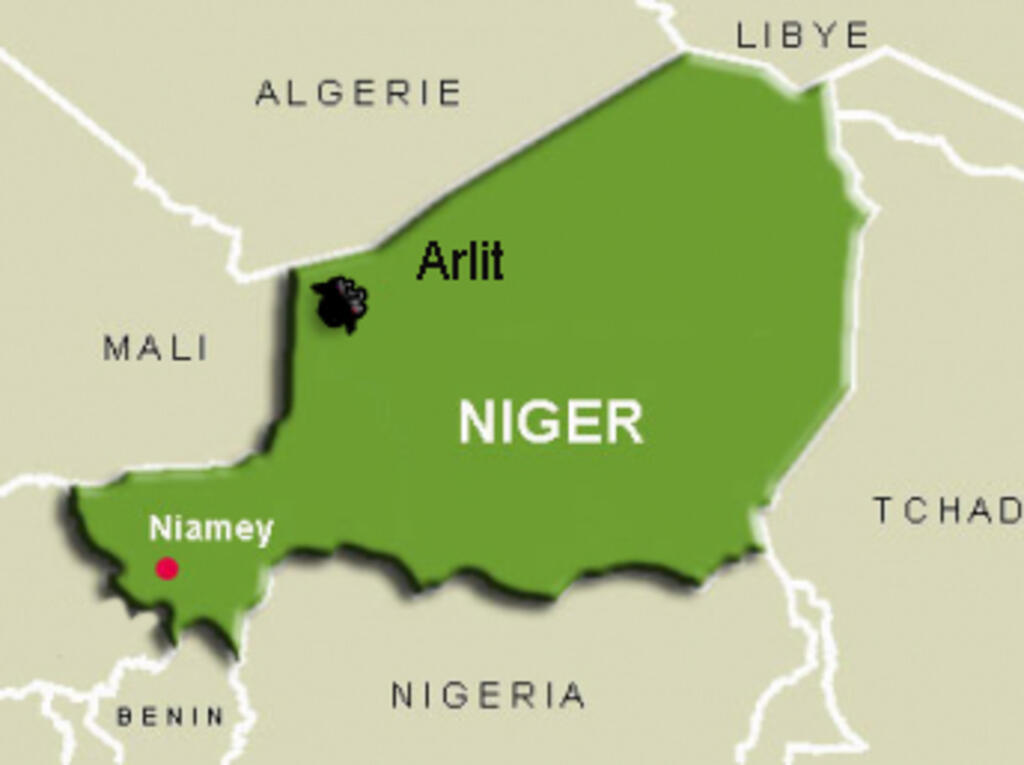
The charge relates to the kidnapping of five French nationals, a Malagash and a Togolese employee near Areva’s Arlit uranium site in northern Niger in September 2010.
All were working for the company or its subcontractors when armed men stormed their living quarters in the night of 15-16 September.
Françoise Larribe, who was unwell, was freed after five months along with her Madagascan and Togolese colleagues.
The remaining four hostages – including her husband Daniel Larribe and fellow workers Pierre Legrand, Marc Féret and Thierry Dol – endured 1,139 days in captivity before their release in October 2013.
Limited scope of the trial
While the trial order covers the charge of involuntary injury, judges dismissed a series of more serious terrorism-related accusations – including "kidnapping and unlawful confinement by an organised group and complicity in a terrorist enterprise" – in line with recommendations from France’s National Anti-Terrorism Prosecutor’s Office (Pnat).
The Pnat had also requested that no trial be held on the negligence charge and has appealed the decision to proceed, filed on 2 October, according to judicial sources speaking to AFP.
Areva’s lawyer, Marion Lambert-Barret, said the group would not comment.
But for survivors, the decision to hold a trial is a long-awaited step.
“It’s unacceptable that, despite numerous warnings, Areva failed to take serious measures to protect staff on its sites,” said Olivier Morice, lawyer for ex-hostage Pierre Legrand, who filed the original complaint in 2013.
Warnings ignored
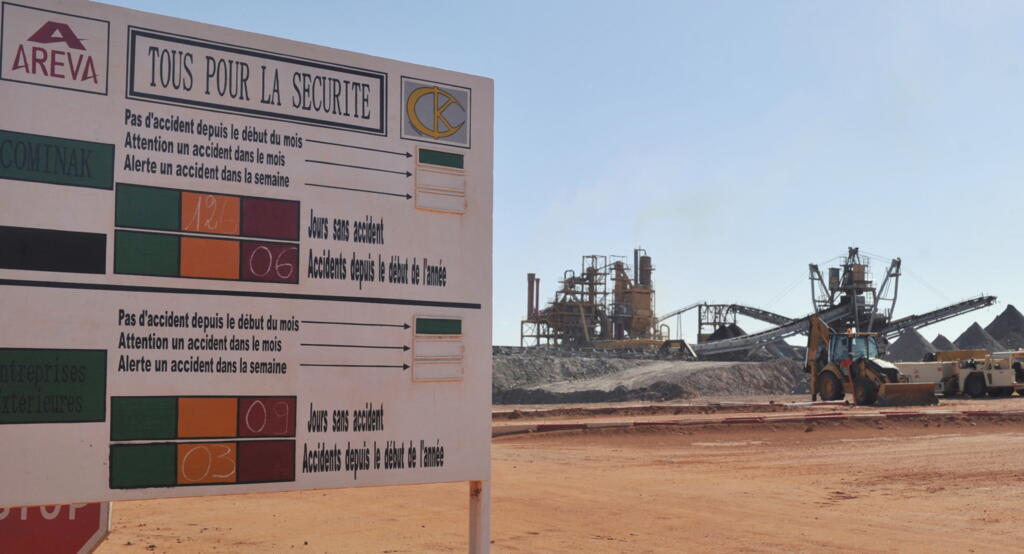
The investigation painted a troubling picture of security at Arlit, where around a hundred expatriates lived and worked.
The residential compound was reportedly unfenced and guarded only by unarmed Tuareg contractors. No alarm system or fallback base existed in case of attack.
Despite signing a security agreement with Niger’s government – which provided police and military protection for mining facilities and staff movements – the response on the night of the abductions was sluggish.
Police and gendarmes reportedly took more than 90 minutes to reach the scene.
As early as 2008, France’s defence attaché in Niamey had warned Areva about weak site security, noting the growing reach of Al-Qaeda in the Islamic Maghreb (AQIM), which was increasingly targeting Westerners and French interests in the Sahel.
Company denies wrongdoing
During questioning in June 2022, Orano’s legal director rejected any suggestion of negligence, insisting that “the protection of employees was a priority.”
The group argued that each of its subsidiaries and subcontractors also bore responsibility for the safety of their personnel.
According to the company, its overall security framework was solid, but local implementation fell short. Investigating judges, however, concluded that the firm had seriously underestimated the risk posed by AQIM, which had escalated attacks and kidnappings since 2009.
At the time, Areva was a flagship of French industry and one of Niger’s largest employers.
Its uranium operations were central to both the French energy supply and Niger’s fragile economy – but also made the company a high-profile target in a region where state control was already crumbling.
The judicial investigation began in 2013 under France’s anti-terrorism division. The forthcoming trial, though limited in scope, will finally allow a public examination of how one of France’s most prominent companies operated in a volatile region – and whether corporate complacency played a role in a tragedy that resonated far beyond the desert town of Arlit.
(With AFP)
No comments:
Post a Comment