The U.S. Farm System Can’t Stand on Its Own Anymore
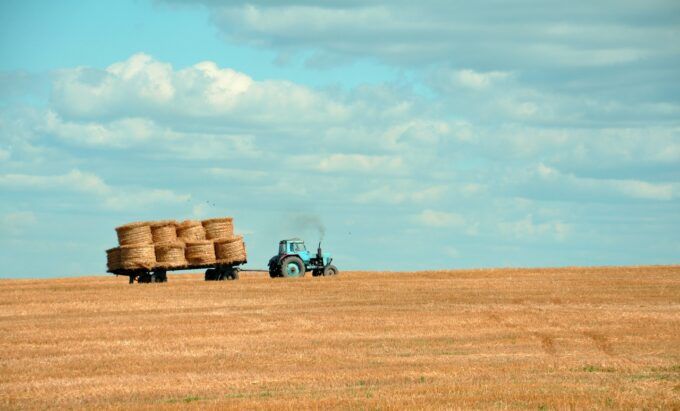
Image by Gozha Net.
Trump’s new $12 billion aid package is being described as relief for farmers caught in a tense trade relationship with China. The surface explanation hides the real issue. Federal policy damaged the farm economy and the government is sending money to cover the consequences, with $11 billion of the total set aside for one-time payments.
USDA will distribute the money through a new program designed to give the appearance of fresh policy even though the pattern is familiar. Trump rolled out a $12 billion bailout during the first China trade conflict. That effort expanded into tens of billions more when the standoff dragged on. Agencies labeled those payments temporary. Farmers adapted to them because they had no choice. A sector that relies on injections of this scale after a political choice is unable to function without federal intervention.
China has resumed buying soybeans, including the largest single batch in two years, and its recent purchases fit the pattern outlined in the existing trade agreement. The volumes are rising, the terms are being met, and nothing in the data suggests a breakdown in flows. A confident government would treat that as evidence of stabilization. Instead, Washington pushed out the aid announcement before the roundtable event even began. That rush implies how little trust remains in the current agricultural structure. Markets show movement, but the foundation is still cracked.
The break in that foundation came from Washington. The administration selected tariffs as a political weapon. China responded. Buyers in China and elsewhere turned to Argentina because they could. They had no incentive to wait for the United States to settle its internal fight. China bought heavily from Argentina during the fall season and returned to U.S. soybeans only when it suited its own agenda. The shift demonstrates how replaceable American producers have become. That loss of leverage shapes every part of the current crisis.
Farmers saw these patterns months before the administration acknowledged the damage. Many described the new bailout as payment for harm created in Washington. Some argued that the Treasury’s $20 billion currency swap with Javier Milei’s administration amounted to support for a competitor. Treasury officials insisted the swap was profitable. That argument failed to resonate with farmers who lost export markets, watched competitors gain ground, and then heard officials claim that the situation was under control. A government check cannot erase the memory of lost sales or stalled operations.
The system underneath all of this shows clear signs of collapse. Agriculture in the United States has reached a point where a single geopolitical dispute can trigger a multibillion-dollar stabilization effort. Cash has become the only tool officials reach for. A functioning approach to farm policy would rebuild soil capacity, water security, local processing, and regional markets. It would give small and mid-sized operations a path to stability. It would slow the consolidation that moves land, livestock, and power into the hands of the largest corporate operators. That work is not happening. USDA continues to distribute money because money is faster than reconstruction.
These repeated interventions have created a new reality. Agriculture depends on federal support to a degree that resembles nationalization. Fortune recently reported that nearly three quarters of this year’s growth in farm income came from government payments, with federal payouts nearing levels seen only in the 1980s farm crisis. Farmers plan their seasons around expected relief. Investors treat these programs as financial instruments. Politicians influence survival through eligibility criteria and payment formulas.
Most of the $12 billion will not land in the places the administration highlights. The largest producers will receive the largest payments because scale always captures the bulk of federal money. Small farms will receive smaller checks that soften the immediate pressure but do not create long-term viability. Many of those operations will still lose acreage, herds, and income. Consolidation will continue, and the landscape will tilt even further toward corporate dominance. News outlets will feature families who say the payment kept their farm open for another season. The quieter story will be the disappearance of operations that couldn’t withstand another year of instability.
The administration wants this moment to look like active governance. The presentation is polished and the messaging is confident. The underlying reality is harsher. A $12 billion payout arrives because earlier decisions shattered the leverage that once protected American farmers. The bailout represents an attempt to control the fallout rather than confront the cause.
A farm economy that requires bailouts on this scale after routine political disputes is a system that has lost the structural resilience it once had. The decline is slow enough to mask the scale of the damage and fast enough to destabilize the communities that depend on agriculture for their survival. Farmers are carrying the cost of choices they didn’t make and absorbing the impact of a system that continues to fail in every direction that matters.
No comments:
Post a Comment