FE
Ferrexpo halts Ukraine operations, furloughs staff after power grid attacks
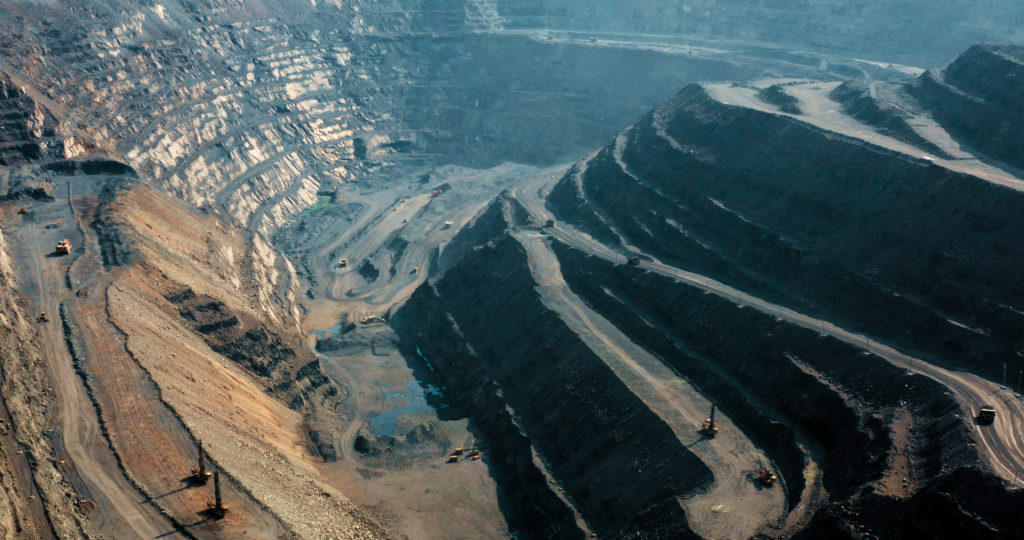
Ferrexpo said on Tuesday it has halted mining operations in Ukraine and furloughed part of its workforce after Russia’s renewed attacks on the country’s power network disrupted electricity supplies.

The suspension will remain in place until power can be provided consistently at required levels, the company said.
Ferrexpo added there were no fatalities or injuries among staff and that its assets were undamaged.
In November, the miner reported interruptions to production and exports after Russian drone and missile strikes hit regional power infrastructure, though limited operations continued using restored electricity and existing stocks of intermediary non-finished and finished iron ore products.
(By Aatrayee Chatterjee; Editing by Shilpi Majumdar and Sahal Muhammed)
BHP still has iron ore pricing power despite discounts, RBC says
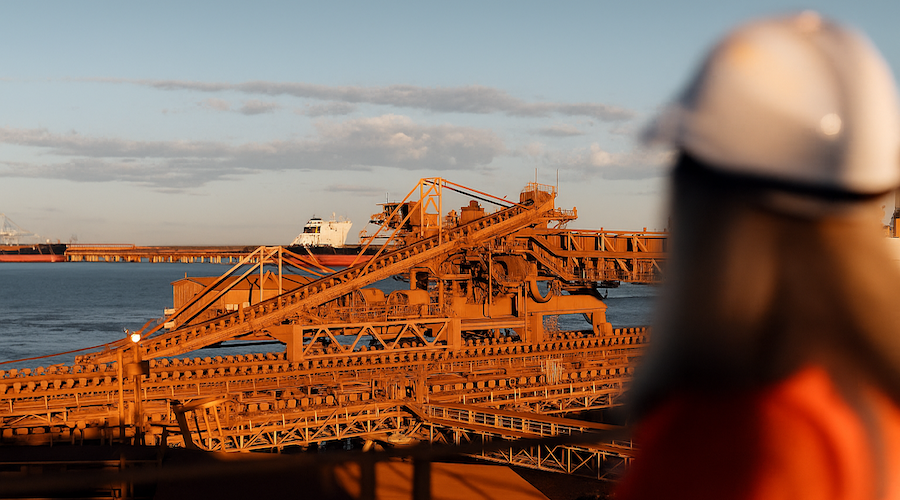
BHP Group’s iron ore discounts following Chinese pressure are “optical, temporary and economically bounded” and don’t reflect a decline in the mining giant’s pricing power, according to RBC Capital Markets.
The world’s largest mining company is deliberately absorbing the discounts to protect pricing, analyst Kaan Peker wrote in a research note, adding the real risk would be benchmark fragmentation. By holding the line on index structure, BHP is preserving long-term value, he said.
BHP has been in a months-long dispute with state-owned trader China Mineral Resources Group Co., which has sought to curb steels mills’ purchases from the miner as part of a broader effort to increase the country’s negotiating clout. BHP said on Tuesday it had seen some impact, and that it had responded by being more flexible with iron ore shipments.
The miner’s Jimblebar iron ore fines are trading at a discount of 9% to 10% to the index, and could see a floor of 12% to 15%, Peker wrote in the note dated Jan. 19. Mill productivity losses and substitution dynamics will limit further widening, he said. MAC fines are at a moderate discount around 4% to 7%, while Rio Tinto Group’s Pilbara Blend are around parity to a slight discount.
Iron ore futures on the Singapore Exchange fell 0.9% to $103.70 a ton at 10:57 a.m. local time, down for a sixth session. Futures on the Dalian Exchange and Shanghai steel contracts also declined.
(By Katharine Gemmell)
China receives first shipment of Simandou iron ore
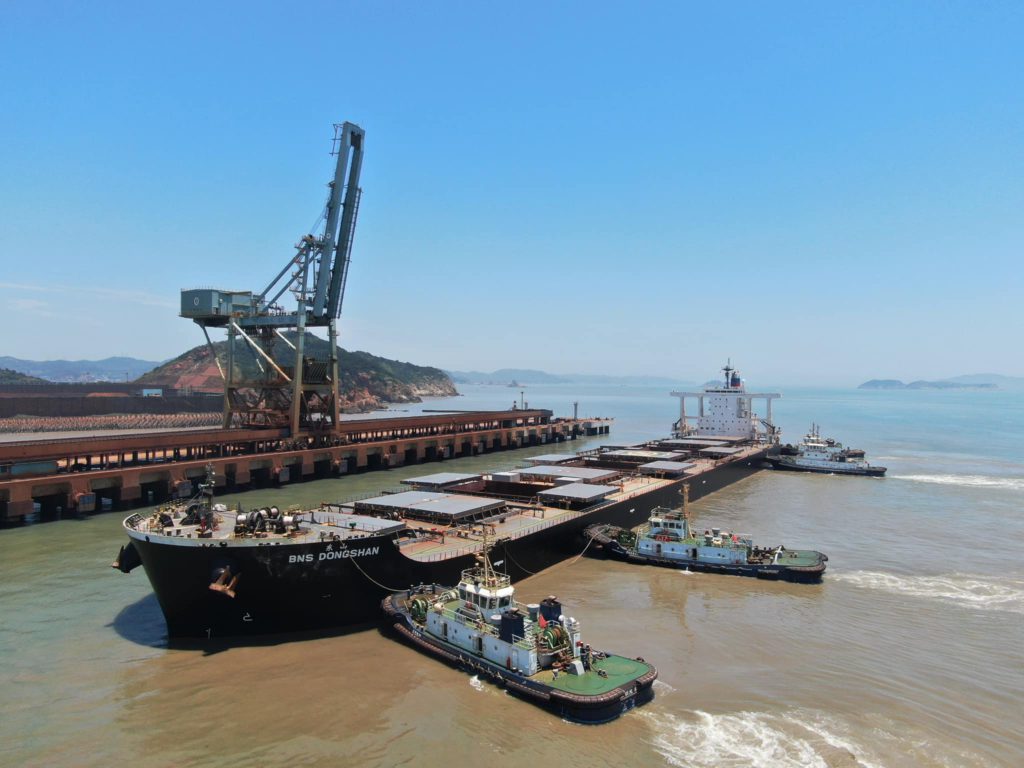
China, the world’s largest iron ore consumer, has received its first shipment of iron ore from the Simandou mine in Guinea in West Africa, in which Beijing has heavily invested to increase supply security.
China, which imports 80% of its iron ore from Australia and Brazil, has been attempting to diversify its supply by expanding domestic output and investing in overseas mines.
A vessel carrying nearly 200,000 metric tons of iron ore from Simandou arrived in Majishan port in East China’s Zhejiang province on January 17 after a 46-day voyage, China Baowu Steel Group, the world’s largest steel producer, said in a statement on its WeChat account on Saturday.
Simandou has a planned yearly production capacity of 120 million tons and is made up of four mining blocks that yield a high-grade ore that is 65% iron.
Investors in the four blocks include Rio Tinto, China-owned Chalco and Winning Consortium Simandou (WCS), a Singaporean-Chinese partnership. China Baowu is also a key shareholder in the project after completion of the transfer of shareholding rights by WCS.
Underlining how important the Simandou project is to Beijing, China’s Vice Premier Liu Guozhong attended the commissioning of the mine in Guinea in November.
A second Simandou iron ore shipment departed Guinea in late December, according to China Baowu’s statement.
Beijing set up China Mineral Resources Group in 2022 to centralize iron ore purchases and get better terms from miners.
(By Amy Lv, Ziyi Tang and Lewis Jackson; Editing by Tom Hogue)
No comments:
Post a Comment