Richest 1% have ‘blown through’ their carbon budget for 2026 in just 10 days - experts warn
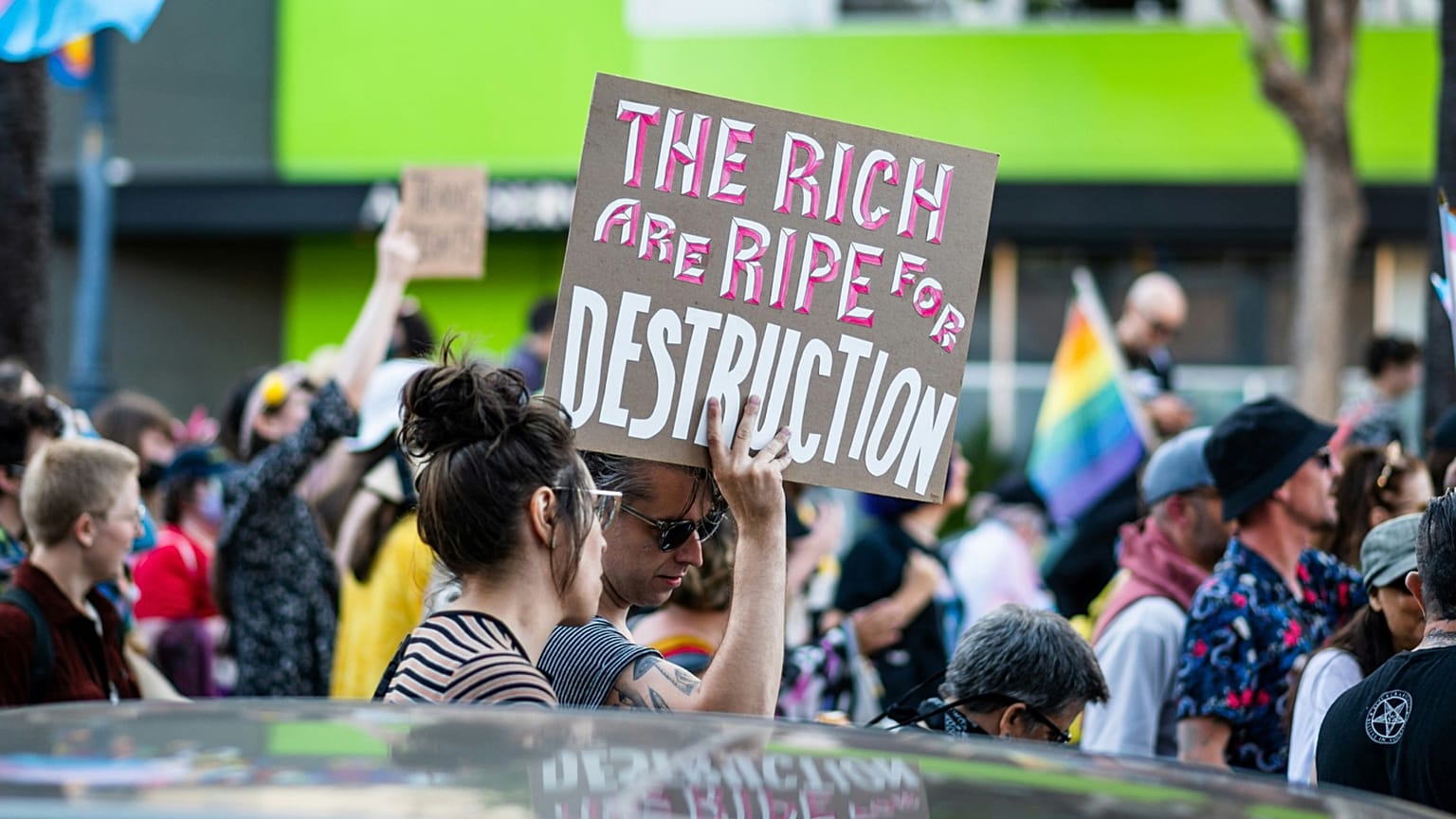
Governments are being pressured to ban carbon-intensive luxury items and tax fossil fuel profits to meet climate targets.
The super-rich are fuelling the climate crisis with “gross carbon recklessness” as calls for an increased wealth tax grow louder.
New analysis from Oxfam found that the richest one per cent have already exhausted their annual carbon budget just 10 days into 2026. This is where CO2 emissions exceed limits to keep the world within 1.5℃ of warming. It is often referred to as “Pollutocrat Day”.
Oxfam also found that the richest 0.01 per cent exceeded their carbon limit in the first 72 hours of the new year (3 January) – warning that the uber wealthy must slash their emissions by 97 per cent by 2030 to meet climate targets laid out by the legally-binding Paris Agreement.
How do the rich impact the climate?
While the super-rich have long been criticised for their reckless use of private jets and super-yachts, the analysis found that their lifestyle isn’t the only issue. The wealthiest individuals and corporations also hold disproportionate power and influence, with many investing in the world’s most polluting industries.
For example, the number of lobbyists fromfossil fuel companies attending the recent COP30 summit in Brazil last year was more than any delegation apart from the host nation, with a staggering 1,600 attendees.
“The immense power and wealth of super-rich individuals and corporations have also allowed them to wield unjust influence over policymaking and water down climate negotiations,” says Oxfam’s Climate Policy Lead Nafkote Dabi.
The NGOs’ research found that each billionaire carries, on average, an investment portfolio in companies that will produce 1.9 million tonnes of CO2 a year, which it says will “further lock the world into climate breakdown”.
The emissions of the richest one per cent generated in one year alone will cause an estimated 1.3 million heat-related deaths by the end of the century and trigger “significant economic damage” to low and lower-middle-income countries, according to its analysis. Oxfam predicts these losses could total up to $44 trillion (around €37 trillion) by 2050.
Calls for a wealth tax
Oxfam is now calling on governments to slash the emissions of the super-rich and make rich polluters pay through increased taxes on income and wealth.
A “Rich Polluter Profits Tax” on 585 oil, gas and coal companies could raise up to $400 billion (around €343.5 billion) in its first year. Oxfam says this is equivalent to the cost of climate damages in the Global South, which is disproportionately affected by climate damage.
It is also urging for a ban or punitive tax on “carbon-intensive luxury items” such as super-yachts and private jets. The carbon footprint of a super-rich European, accumulated from nearly a week of using these fuel-guzzling modes of transport, matches the lifetime carbon footprint of someone in the world’s poorest one per cent.
“Time and time again, the research shows that governments have a very clear and simple route to drastically slash carbon emissions and tackle inequality: by targeting the richest polluters,” Dabi adds.
“By cracking down on the gross carbon recklessness of the super-rich, global leaders have an opportunity to put the world back on track for climate targets and unlock net benefits for people and the planet.”

No comments:
Post a Comment