CU
Striking workers disrupt access to Chile’s Escondida, Zaldivar copper mines
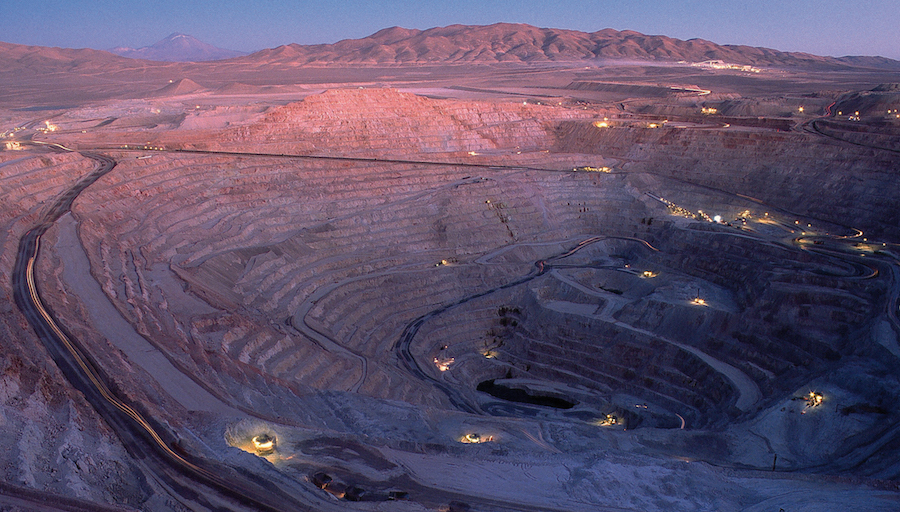
Striking contract workers are disrupting a critical route that provides access to Chile’s Escondida and Zaldivar copper mines, causing issues with shift changes and intermittent vehicle traffic, global miner BHP said on Friday.

The workers, who are employed by contractor Finning and have been on strike since the beginning of the month, have launched intermittent blocks in the La Negra industrial sector and on the road leading to BHP’s Escondida mine and Antofagasta Minerals’ Zaldivar mine.
BHP confirmed that the roadblocks were affecting vehicle traffic and shift changes at its Escondida mine.
“Our company has been affected for four days by a third-party conflict. The blockades on the mining route have led to intermittent vehicle traffic to and from our operations, with delays in shift changes,” said Pablo Pisani, Vice President of Corporate Affairs and Communications for Escondida-BHP, in a statement.
“We urgently call on the authorities and all involved parties to resolve this situation so that we can carry out our activities under appropriate conditions,” he added.
Union sources had previously told Reuters the disruption of the “mining route,” the access road that connects the northern city of Antofagasta with mining sites.
Members of Union 2 of the machinery contractor Finning, which provides services to various mining companies, began their work stoppage after their contract negotiations failed, and in the last four days, temporary blockades have been increasing.
Antofagasta Minerals did not respond to a request for comment.
(By Fabian Cambero; Editing by Cassandra Garrison)
Rising copper prices help Freeport-McMoRan offset Grasberg production dip
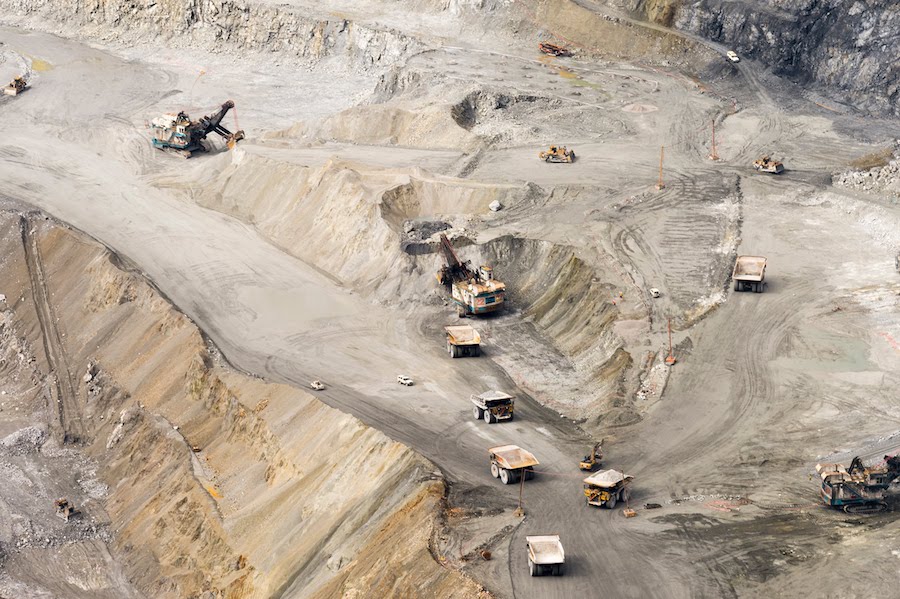
Copper miner Freeport-McMoRan reported a better-than-expected fourth-quarter profit on Thursday, as higher copper and gold prices offset a production drop after an accident at Indonesia’s Grasberg mine killed seven workers last September.
The world’s largest publicly traded copper producer said it expects about 85% of production at Grasberg – the world’s biggest gold mine and second-biggest copper mine – to be back online by the second half of the year.
“The Grasberg incident was humbling, but our team has risen to the challenge and is dedicated to safely and sustainably restoring our operations,” CEO Kathleen Quirk told an investor conference call.
Freeport cut its 2026 production outlook by 50 million pounds to 3.4 billion pounds due in part to the Grasberg incident. The company also introduced a 2028 production outlook below what some analysts had expected.
The company’s shares fell 1.2% to $59.82 in midday trading in New York.
Copper demand on the rise
Growth in the artificial intelligence and defense sectors is expected to boost global copper demand 50% by 2040, a positive harbinger for Freeport and other copper producers.
The Phoenix-based company said it expects its US copper production to rise 8% this year due in part to output from its leach assets, which extract the red metal from piles of waste rock.
By the end of the decade, Freeport aims to be producing 800 million pounds annually of copper in the US via leaching. That is roughly the size of a new mine’s output, yet at lower cost and with fewer regulatory issues.
The surging global demand for copper has sparked a buyout frenzy across the industry, with Anglo American and Teck Resources finalizing a $53 billion merger and Rio Tinto in early talks to buy Glencore.
Quirk told Reuters last month that Freeport would focus on developing existing assets to grow, not M&A.
Results beat expectations
For the quarter, Freeport posted a profit of $406 million, or 28 cents per share, compared to $274 million, or 19 cents per share, in the year-ago period.
Excluding one-time items, Freeport earned 47 cents per share. By that measure, analysts expected earnings of 29 cents per share, according to IBES data from LSEG.
Freeport’s copper production in the quarter was down 38.5% to 640 million recoverable pounds from a year earlier, while gold production was down about 85% to 65,000 recoverable ounces.
Copper prices gained more than 40% last year, driven largely by shortage fears amid rampant growth from the artificial intelligence and defense sectors.
Gold prices rose 64% last year due to its perceived status as a safe store of value during economic and political instability.
(By Ernest Scheyder and Tanay Dhumal; Editing by Devika Syamnath and Nia Williams)
No comments:
Post a Comment