Ørsted Completes Turbine Installation at 920 MW Taiwan Offshore Wind Project
Ørsted has completed the installation of all wind turbines at its 920 MW Greater Changhua 2b and 4 offshore wind farms off the coast of Taiwan, concluding the project’s wind turbine build-out within a single installation season. The milestone positions the project among the most significant offshore wind developments in the Asia-Pacific region to date.
The wind farms, located 35 to 60 kilometers offshore Changhua County, consist of 66 Siemens Gamesa SG 14-236 turbines, each rated at 14 MW. Offshore construction began in February 2025, with turbine installation starting in April 2025 and carried out using Cadeler’s Wind Maker installation vessel.
First power was achieved in July 2025, and the project has been supplying renewable electricity to Taiwan’s grid since then. Full commercial operations are expected in the third quarter of 2026.
Greater Changhua 2b and 4 is the first offshore wind project in the Asia-Pacific region to deliver power under a corporate power purchase agreement (PPA), signed in 2020 with an undisclosed corporate offtaker. The project highlights the growing role of corporate PPAs in underwriting large-scale offshore wind developments beyond Europe.
Ørsted said completing a 920 MW turbine installation campaign in a single season was a notable achievement, given the limited weather windows and challenging marine conditions in the Taiwan Strait. According to the company, the installation phase required tight coordination across marine logistics, offshore construction, and safety management.
The project has set several industry firsts, both regionally and globally. It is the first offshore wind development in the Asia-Pacific to deploy suction bucket jacket foundations at scale, avoiding pile driving and keeping underwater noise levels close to natural background conditions during installation.
It is also the first offshore wind project worldwide to install 14 MW turbines equipped with 115-meter blades, currently the largest blades deployed offshore. Ørsted completed installation of all 66 turbines in 275 days.
Safety performance was another focal point during construction. Ørsted reported approximately 131,576 offshore working hours during the turbine installation campaign with zero lost-time injuries.
With turbine installation complete, the project has moved into the commissioning phase. Current activities include wind turbine commissioning, electrical system testing, and final offshore cable works. These steps are required before the project can reach full commercial operation in Q3 2026.
Greater Changhua 2b and 4 forms part of Ørsted’s historically large construction pipeline, which totals 8.1 GW globally. The project further cements Taiwan’s position as the leading offshore wind market in Asia and a strategic growth region for European offshore wind developers.
By Charles Kennedy for Oilprice.com
Vattenfall Finalizes Investment for Germany’s Largest Offshore Wind Project
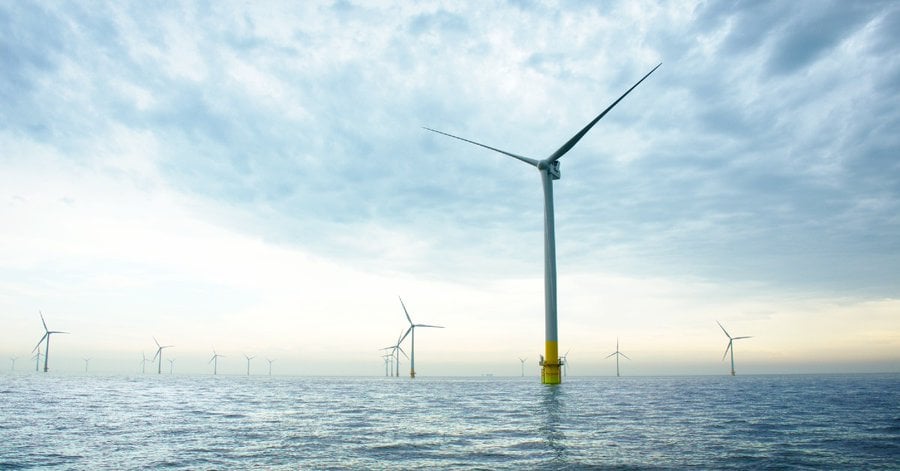
Offshore wind energy developer Vattenfall confirmed that it is moving forward with the Nordlicht offshore wind cluster. With construction due to start later this year, the two-phase project will become the largest wind project for Germany and a key contributor as the country struggles to accelerate development in the offshore wind energy sector.
The permit issued by the Federal Maritime and Hydrographic Agency (BSH) has become irrevocable, making the final step to move forward with the project. Vattenfall had announced in March 2025 that it had made the investment decision for the project, conditional on the receipt of the necessary permits. The company agreed to repurchase the shares in the Nordlicht cluster that BASF acquired in 2024. At the same time, BASF secured access to a long-term supply of renewable electricity, as part of the agreement. The companies said the agreement would secure renewable power for BASF’s chemical production in Europe at a time when such additional supply will be needed.
The Nordlicht wind cluster will be located just over 50 miles north of Borkum in the German region of the North Sea. The company reports monopile installation for Nordlicht I is expected to begin in the third quarter of this year, and when completed, the 980 MW project will be the largest capacity offshore wind farm in Germany. The second phase will add a further 630 MW. Nordlicht II should begin construction in 2027, and both wind farms are expected to be operational in 2028, adding over 1.6 GW to Germany’s energy supply. Electricity production is expected to total around 6 TWh annually.
Catrin Jung, Senior Vice President, Head of Business Area Wind for Vattenfall, called this a “defining moment” for the project. “This project is about more than building offshore wind capacity – it’s about strengthening Europe’s competitiveness and reducing reliance on fossil fuels. By producing clean electricity locally, we help create a more resilient energy system,” said Jung.
The decision to move forward on the project comes as Germany, like other Northern European countries, has experienced reduced interest in future projects due to the challenges and economic pressures on the industry.
Despite having a target to reach 30 GW by 2030, Germany has been stuck at around 1,600 installed wind turbines since late 2024. It currently has a capacity of approximately 9.2 GW installed. While it has grown from just over 7 GW in 2021, future projects have been delayed. In August 2025, Germany received no bids in its latest allocation round, prompting the government to say it would have to adjust the strategy. It scaled back its plan for offshore-wind auctions in 2026 to between 2.5 and 5 GW, from an original plan for 6 GW. The next allocation was expected to proceed in February, with further rounds planned for mid-year.
Despite similar economic challenges in the Netherlands, Vattenfall highlights that it is moving forward with another large-scale project. Together with Copenhagen Infrastructure Partners, the company has received an irrevocable permit for the Zeevonk wind farm, which will have an installed capacity of 2 GW. It is also designed to produce green hydrogen in a key development for the Dutch industry.
The project will be built in phases and is now delayed to a target completion of 2032.

No comments:
Post a Comment