11 faith groups accuse Trump administration of violating court order while spying on churches
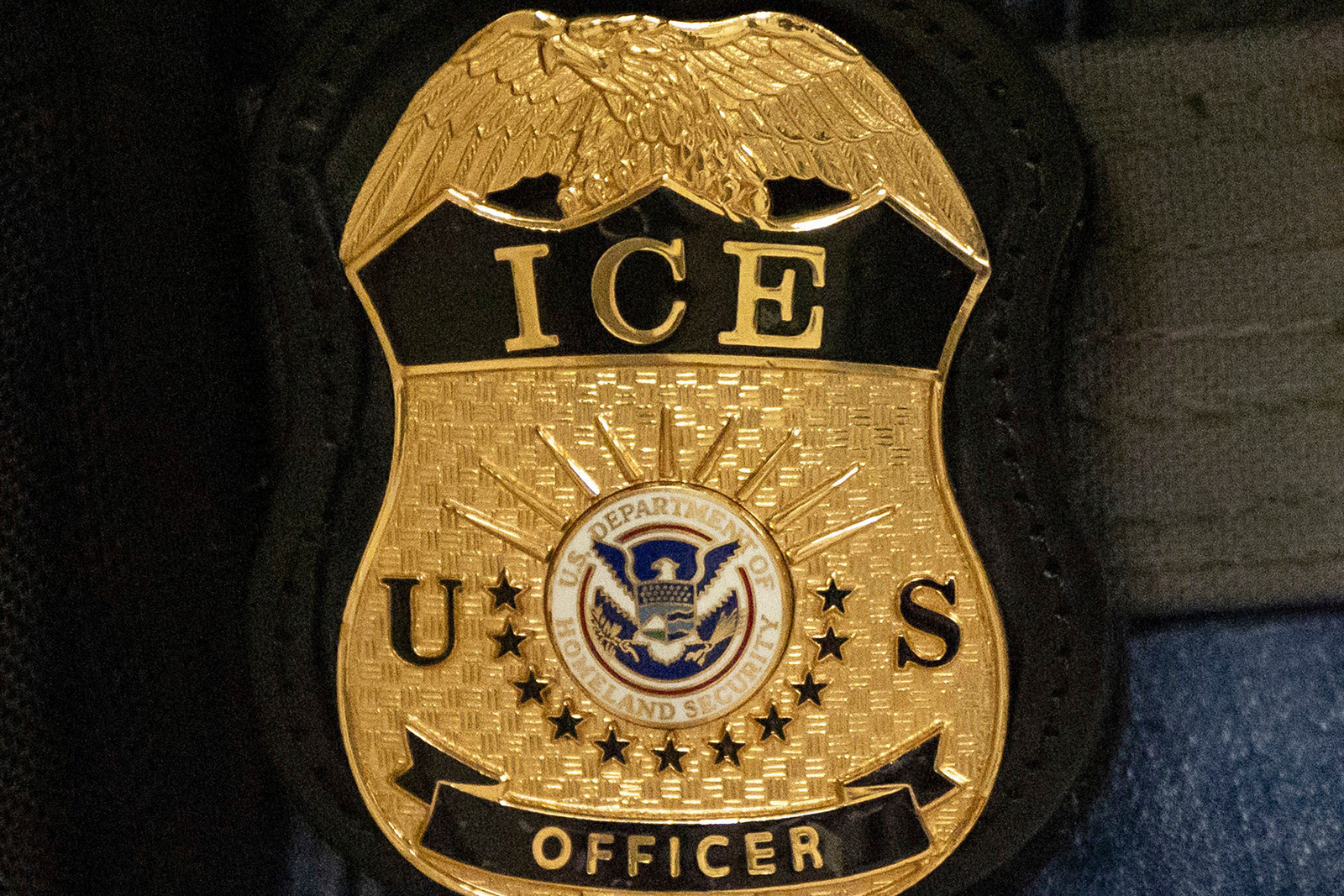
(RNS) — Faith groups suing President Donald Trump’s administration filed a motion Thursday (Aug. 20) alleging the Department of Homeland Security committed “multiple egregious violations” of a court order that largely barred warrantless surveillance at their churches.
The motion, filed on behalf of the 11 religious plaintiffs, also asked the court to issue an order showing why DHS shouldn’t be held in contempt.
“Given the blatant and repeated nature of Defendants’ violations, the harm to fundamental rights of religion and expressive association, and the threat of future similar violations, Plaintiffs also respectfully request the Court’s expedited consideration of this motion,” the filing reads.
The religious plaintiffs — which include denominations such as American Baptist Churches USA and several regional bodies of the Evangelical Lutheran Church in America — sued the administration last July challenging the government’s decision to rescind the “sensitive locations” policy that had previously discouraged immigration raids at locations such schools, hospitals and churches. A federal judge eventually issued a 62-page injunction in February temporarily barring warrantless investigations on the grounds of churches involved in the case — except in “exigent” circumstances.
But last week, documents filed in a separate case detailed DHS surveillance operations in five churches in the Midwest, including a church subject to the injunction.
Skye Perryman, head of Democracy Forward, one of the groups representing the faith organizations, accused DHS agents in a statement of invading “churches and other places of sanctuary, terrorizing the people who seek refuge and respite within them.”
“It is clear that the government will stop at nothing — including at church doors — in its campaign to stoke fear in communities across the country, so we are asking the court to hold them accountable for this intrusion,” Perryman said of the case, which is known as New England Synod, Evangelical Lutheran Church in America v. Department of Homeland Security.
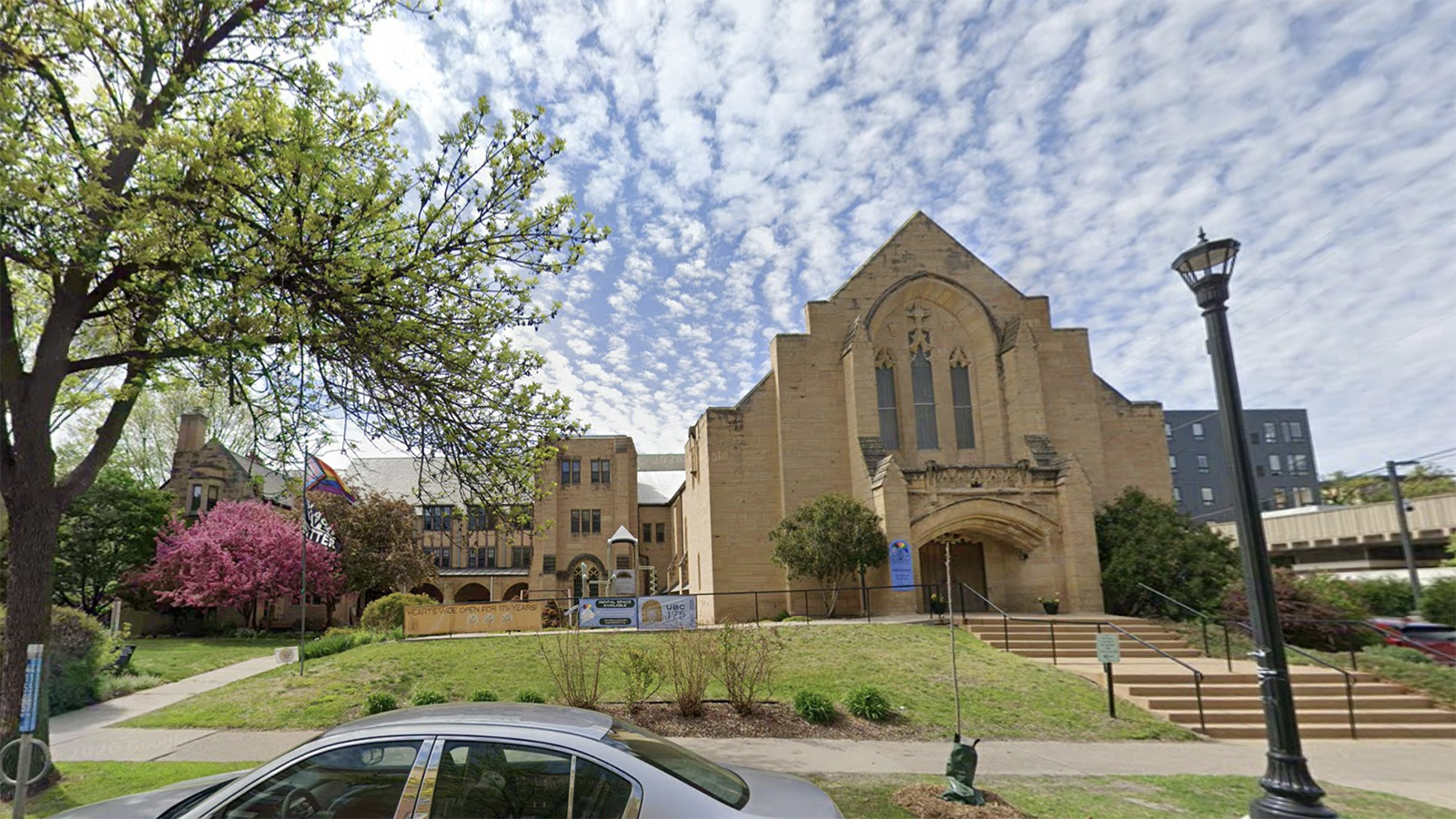
University Baptist Church in Minneapolis, Minn. (Image courtesy of Google Maps)
Several of the surveillance operations described in the documents, including an instance where an undercover DHS agent entered a church for at least two hours, took place at University Baptist Church in Minneapolis, Minnesota. The church is affiliated with two groups that are plaintiffs in the case: American Baptist Churches USA and the Alliance of Baptists.
The new motion accuses federal agents of “repeatedly violat(ing) the preliminary injunction at University Baptist Church in Minneapolis” despite signs posted around the church building declaring “these Premises are a Protected Area Pursuant to Federal Court Order in New England Synod v. Department of Homeland Security.”
The motion also claims the plaintiff’s lawyers spoke with lawyers for DHS about the surveillance, and that the government’s legal team insisted the activities do not quality as “immigration enforcement actions” largely barred by the court order.
But lawyers for the faith groups rejected that argument, alleging “DHS has wholly failed to explain under what authority ICE agents even could undertake investigations into crimes having no connection to the immigration laws.” They further alleged DHS did not take “any steps to consider the preliminary injunction before it took action at University Baptist Church and to ensure that its actions at the church were compliant with the order. It certainly has not suggested that it did.”
As a result, the motion contends, “the argument DHS offers now may reflect merely a post-hoc effort by DHS to escape the consequences of its conduct rather than its considered interpretation of the order.”
A DHS spokesperson told RNS on Monday the agency would not comment on the filings, saying in a statement that “DHS does not comment on the existence or status of specific on-going investigations, nor on investigative methods.” The spokesperson referred further inquiries to the U.S. Attorney for the District of Minnesota, who did not respond to questions from Religion News Service.
The case is one of four similar ongoing lawsuits regarding the sensitive locations policy that more than 50 religious denominations, regional denominational bodies, faith-based organizations and individual houses of worship have filed against the government since Trump began his second term. In addition to New England Synod v. DHS, several regional Quaker groups, a Sikh temple and the Cooperative Baptist Fellowship won a similar preliminary injunction last year in a separate lawsuit. The latter injunction was appealed, but a federal appeals court unanimously agreed on Tuesday to the leave the injunction in place.
DHS, probing anti-ICE activists, spied on at least five Midwest churches, court records indicate
(RNS) — Church leaders were outraged and vowed to continue their advocacy for immigrants.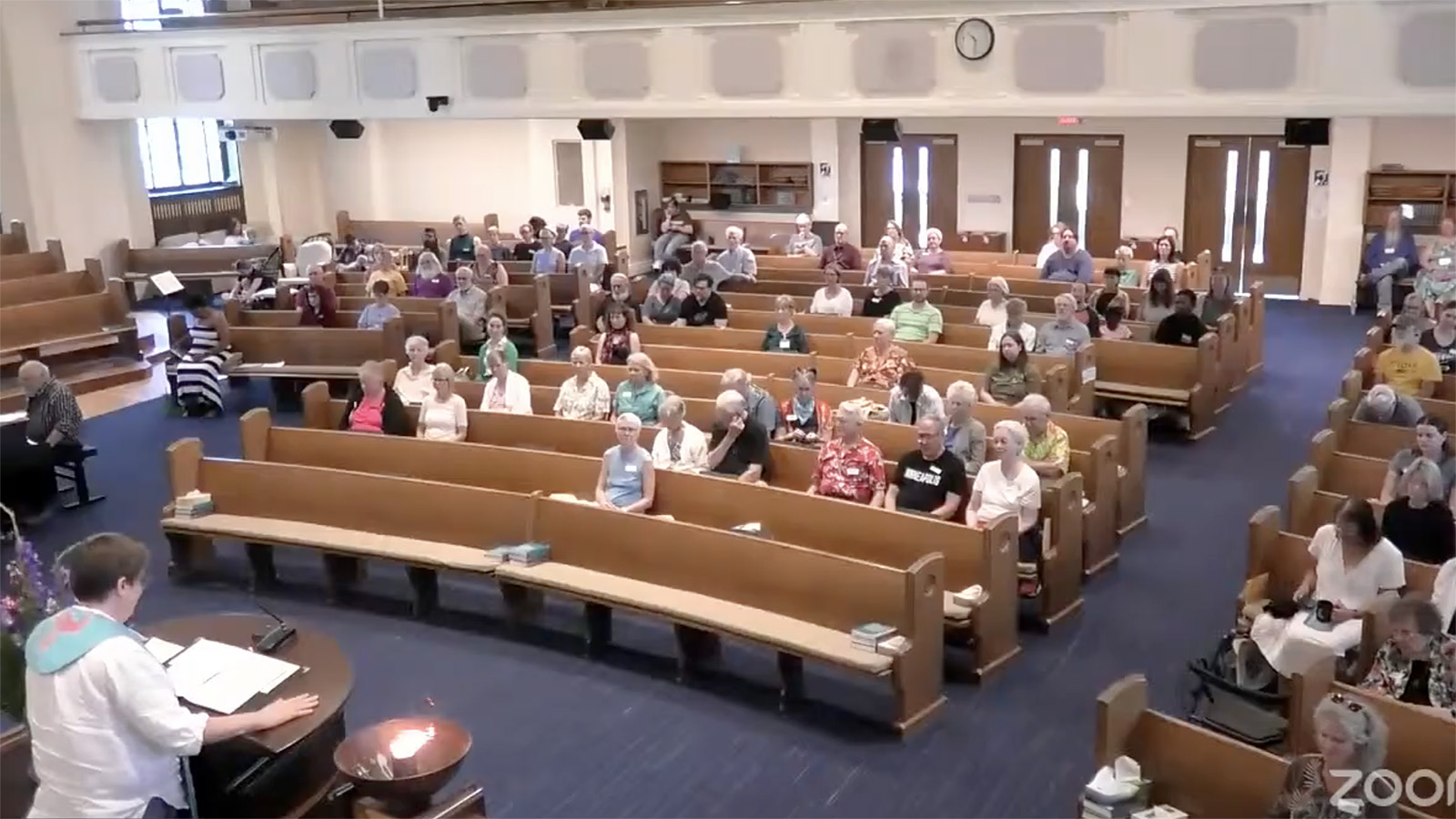 The Rev. Jen Crow, bottom left, speaks at First Universalist Church of Minneapolis on Sunday, Aug. 16, 2026. (Video screen grab)
(RNS) — About halfway through the service at First Universalist Church of Minneapolis on Sunday, Aug. 16, the Rev. Jen Crow delivered the news: Recent court filings, she said, revealed that U.S. Department of Homeland Security agents had spied on churches, including First Universalist, as part of a broader investigation into activists opposing the work of Immigration and Customs Enforcement.
“We know what the work of the church is,” Crow said, referring to the church’s efforts to push back against President Donald Trump’s mass deportation campaign. She spoke from a pulpit positioned next to a flickering open flame burning in a chalice, a symbol of Unitarian Universalism.
“Our spiritual practice grounds us in that work,” the pastor said, adding, “Amen.”
In response, the congregation burst into applause.
It was a defiant moment, capping more than a year of rising tensions between federal immigration officials and religious communities in the Twin Cities. Since January, when thousands of federal agents arrived in the area as part of a targeted mass deportation campaign known as “Operation Metro Surge,” faith-led groups have joined others in resisting the government’s efforts — be it through protests in the streets or even a religious freedom lawsuit demanding the government allow faith leaders access to immigrant detainees.
The latest source of friction centers on federal court filings that emerged last week, which state that DHS agents, as part of an investigation referred to as Operation Puppet Master, surveilled five churches in Minnesota and Michigan since December, with agents often operating both outside and inside church buildings. The documents, part of a federal case stemming from June charges against 15 immigration-enforcement protesters (none of them church officials), appear to be DHS’s own internal investigation records. The filings describe agents investigating events hosted by the churches, which appear to be organized by outside liberal activist groups, and the revelations are already raising questions about whether DHS may have violated a court injunction barring warrantless investigations on the grounds of some churches — except in “exigent” circumstances.

People participate in a singing vigil that started at San Pablo — St. Paul Lutheran Church, Sunday, Jan. 11, 2026, in Minneapolis. (RNS photo/Jack Jenkins)
According to court documents, one of the five churches surveilled was University Baptist Church in Minneapolis, which is affiliated with both the American Baptist Churches in the USA and the Alliance of Baptists. The two denominations are among more than 50 faith groups that have filed four separate lawsuits challenging the Trump administration’s decision to rescind an internal policy discouraging immigration enforcement activities at “sensitive locations” such as schools, hospitals and churches.
In February, the judge overseeing the lawsuit that includes American Baptist Churches in the USA and the Alliance of Baptists as plaintiffs, issued an injunction barring DHS from conducting “warrantless enforcement actions—absent exigent circumstances” inside and around the churches involved in the suit. In March, University Baptist Church hung up signs that declared federal agents are not permitted on the premises and even cited the specific order, according to a signed declaration from Jean Lubke, who served as the church president until June 30.
The testimony was submitted Aug. 14 as part of the Minnesota conspiracy case. But according to other court filings released last week, an undercover DHS agent attended a Mixed Martial Arts class in May, which was organized by a liberal group called “Left Jab” and held in the gymnasium of University Baptist Church. The agent had a hidden audio recording device that apparently fell to the floor “due to the physicality of the event,” and the DHS official only noticed it missing after leaving the gymnasium. The agent returned minutes later to retrieve the device from the gym floor, according to the court filing.
In the case of First Universalist, documents describe an undercover agent attending a “How to Stop ICE and Build a Revolution” event in December 2025. Held at the church, the event was led by Sunrise Movement, a liberal activist organization that, as the federal filing notes, was described by leaders at the meeting as a “nonviolent, direct-action group.”
The documents also describe an undercover agent attending an April meeting of the activist group Direct Action Minnesota that was held at St. John the Evangelist, an Episcopal Church in St. Paul, and collecting license plate information of vehicles parked in a nearby parking lot — seemingly irrespective of whether the owners of the cars were confirmed to be attendees of the meeting.
In addition, two churches affiliated with the Evangelical Lutheran Church in America — one in Minnesota and another in Ann Arbor, Michigan — were listed in the documents as subject to surveillance.
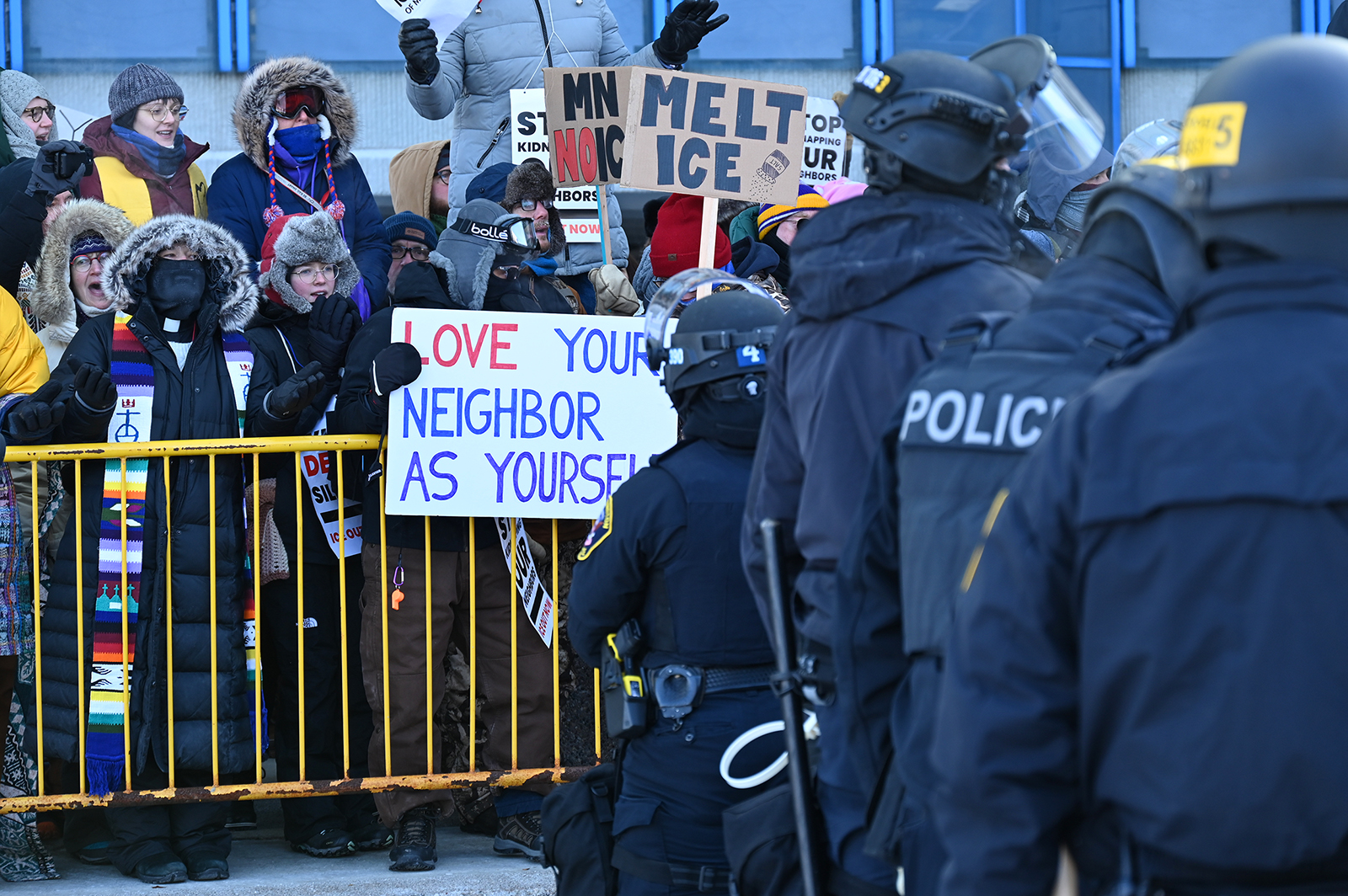
Faith leaders demonstrate against ICE tactics, in the departures area of Terminal 1 of the Minneapolis–Saint Paul International Airport, Friday, Jan. 23, 2026, in St. Paul, Minn. (RNS photo/Jack Jenkins)
A DHS spokesperson would not comment on the filings. “DHS does not comment on the existence or status of specific on-going investigations, nor on investigative methods,” the spokesperson said. DHS referred further inquiries to the U.S. Attorney for the District of Minnesota, which did not immediately respond to questions from RNS.
Whether Minnesota faith communities surveilled by federal agents will challenge the government in court remains to be seen, but some are already voicing outrage — and vowing to continue their advocacy for immigrants.
Rev. Crow, First Universalist’s pastor, spoke at a press conference on Tuesday alongside some of the 15 plaintiffs in the Minnesota conspiracy case. Flanked by some of her church board members, she called on fellow Minnesotans and people of faith to “say no to political surveillance and intimidation.”
In a statement, the Rev. Cody J. Sanders, University Baptist Church’s interim pastor, wrote that the church didn’t know about the surveillance until the court filings and pledged that the congregation “will continue to insist that solidarity with our most vulnerable neighbors is the way that we best follow the ways of Jesus in the world.”
“We should, as a society, agree that sacred places and the many and varied community activities taking place within them should not become targets of government infiltration,” the statement read. “Yet we know that many churches like University Baptist Church and our sibling congregations around the country have become a threat to those in power when we care for our neighbors, provide safe spaces for our community members to gather in peace, and strive together toward justice.”
Both Sanders and Crow noted government surveillance of religious communities has occurred before, pointing to widely publicized surveillance of mosques conducted by the New York Police Department and other law enforcement groups after the Sept. 11, 2001, terrorist attacks in the city. The U.S. government also conducted surveillance and used informants to investigate the Sanctuary Movement in the 1980s, when churches housed immigrants on their grounds in defiance of federal law.
In an interview, Crow said when she heard reports about her church being surveilled she was “disappointed, but not surprised.” She suggested government surveillance may simply be a risk people of faith like herself take by advocating for immigrant rights under the Trump administration, saying, “I’m always disappointed in the ways that our government doesn’t live up to the principles it espouses.”
The pastor also told RNS she considers the surveillance to be ironic, arguing her church has been public about its activism and has “never been shy about what we believe in and what our faith is.”
“We don’t hide the fact that we care about our neighbors,” she said. “We don’t hide the fact that we’re not afraid. There’s nothing that the government’s going to do that’s going to make us to scared to care for our neighbors.”
(RNS) — About halfway through the service at First Universalist Church of Minneapolis on Sunday, Aug. 16, the Rev. Jen Crow delivered the news: Recent court filings, she said, revealed that U.S. Department of Homeland Security agents had spied on churches, including First Universalist, as part of a broader investigation into activists opposing the work of Immigration and Customs Enforcement.
“We know what the work of the church is,” Crow said, referring to the church’s efforts to push back against President Donald Trump’s mass deportation campaign. She spoke from a pulpit positioned next to a flickering open flame burning in a chalice, a symbol of Unitarian Universalism.
“Our spiritual practice grounds us in that work,” the pastor said, adding, “Amen.”
In response, the congregation burst into applause.
It was a defiant moment, capping more than a year of rising tensions between federal immigration officials and religious communities in the Twin Cities. Since January, when thousands of federal agents arrived in the area as part of a targeted mass deportation campaign known as “Operation Metro Surge,” faith-led groups have joined others in resisting the government’s efforts — be it through protests in the streets or even a religious freedom lawsuit demanding the government allow faith leaders access to immigrant detainees.
The latest source of friction centers on federal court filings that emerged last week, which state that DHS agents, as part of an investigation referred to as Operation Puppet Master, surveilled five churches in Minnesota and Michigan since December, with agents often operating both outside and inside church buildings. The documents, part of a federal case stemming from June charges against 15 immigration-enforcement protesters (none of them church officials), appear to be DHS’s own internal investigation records. The filings describe agents investigating events hosted by the churches, which appear to be organized by outside liberal activist groups, and the revelations are already raising questions about whether DHS may have violated a court injunction barring warrantless investigations on the grounds of some churches — except in “exigent” circumstances.
People participate in a singing vigil that started at San Pablo — St. Paul Lutheran Church, Sunday, Jan. 11, 2026, in Minneapolis. (RNS photo/Jack Jenkins)
According to court documents, one of the five churches surveilled was University Baptist Church in Minneapolis, which is affiliated with both the American Baptist Churches in the USA and the Alliance of Baptists. The two denominations are among more than 50 faith groups that have filed four separate lawsuits challenging the Trump administration’s decision to rescind an internal policy discouraging immigration enforcement activities at “sensitive locations” such as schools, hospitals and churches.
In February, the judge overseeing the lawsuit that includes American Baptist Churches in the USA and the Alliance of Baptists as plaintiffs, issued an injunction barring DHS from conducting “warrantless enforcement actions—absent exigent circumstances” inside and around the churches involved in the suit. In March, University Baptist Church hung up signs that declared federal agents are not permitted on the premises and even cited the specific order, according to a signed declaration from Jean Lubke, who served as the church president until June 30.
The testimony was submitted Aug. 14 as part of the Minnesota conspiracy case. But according to other court filings released last week, an undercover DHS agent attended a Mixed Martial Arts class in May, which was organized by a liberal group called “Left Jab” and held in the gymnasium of University Baptist Church. The agent had a hidden audio recording device that apparently fell to the floor “due to the physicality of the event,” and the DHS official only noticed it missing after leaving the gymnasium. The agent returned minutes later to retrieve the device from the gym floor, according to the court filing.
In the case of First Universalist, documents describe an undercover agent attending a “How to Stop ICE and Build a Revolution” event in December 2025. Held at the church, the event was led by Sunrise Movement, a liberal activist organization that, as the federal filing notes, was described by leaders at the meeting as a “nonviolent, direct-action group.”
The documents also describe an undercover agent attending an April meeting of the activist group Direct Action Minnesota that was held at St. John the Evangelist, an Episcopal Church in St. Paul, and collecting license plate information of vehicles parked in a nearby parking lot — seemingly irrespective of whether the owners of the cars were confirmed to be attendees of the meeting.
In addition, two churches affiliated with the Evangelical Lutheran Church in America — one in Minnesota and another in Ann Arbor, Michigan — were listed in the documents as subject to surveillance.
Faith leaders demonstrate against ICE tactics, in the departures area of Terminal 1 of the Minneapolis–Saint Paul International Airport, Friday, Jan. 23, 2026, in St. Paul, Minn. (RNS photo/Jack Jenkins)
A DHS spokesperson would not comment on the filings. “DHS does not comment on the existence or status of specific on-going investigations, nor on investigative methods,” the spokesperson said. DHS referred further inquiries to the U.S. Attorney for the District of Minnesota, which did not immediately respond to questions from RNS.
Whether Minnesota faith communities surveilled by federal agents will challenge the government in court remains to be seen, but some are already voicing outrage — and vowing to continue their advocacy for immigrants.
Rev. Crow, First Universalist’s pastor, spoke at a press conference on Tuesday alongside some of the 15 plaintiffs in the Minnesota conspiracy case. Flanked by some of her church board members, she called on fellow Minnesotans and people of faith to “say no to political surveillance and intimidation.”
In a statement, the Rev. Cody J. Sanders, University Baptist Church’s interim pastor, wrote that the church didn’t know about the surveillance until the court filings and pledged that the congregation “will continue to insist that solidarity with our most vulnerable neighbors is the way that we best follow the ways of Jesus in the world.”
“We should, as a society, agree that sacred places and the many and varied community activities taking place within them should not become targets of government infiltration,” the statement read. “Yet we know that many churches like University Baptist Church and our sibling congregations around the country have become a threat to those in power when we care for our neighbors, provide safe spaces for our community members to gather in peace, and strive together toward justice.”
Both Sanders and Crow noted government surveillance of religious communities has occurred before, pointing to widely publicized surveillance of mosques conducted by the New York Police Department and other law enforcement groups after the Sept. 11, 2001, terrorist attacks in the city. The U.S. government also conducted surveillance and used informants to investigate the Sanctuary Movement in the 1980s, when churches housed immigrants on their grounds in defiance of federal law.
In an interview, Crow said when she heard reports about her church being surveilled she was “disappointed, but not surprised.” She suggested government surveillance may simply be a risk people of faith like herself take by advocating for immigrant rights under the Trump administration, saying, “I’m always disappointed in the ways that our government doesn’t live up to the principles it espouses.”
The pastor also told RNS she considers the surveillance to be ironic, arguing her church has been public about its activism and has “never been shy about what we believe in and what our faith is.”
“We don’t hide the fact that we care about our neighbors,” she said. “We don’t hide the fact that we’re not afraid. There’s nothing that the government’s going to do that’s going to make us to scared to care for our neighbors.”


No comments:
Post a Comment