Spanish archaeologists find 4,400-year-old tomb in Egypt with original colours intact
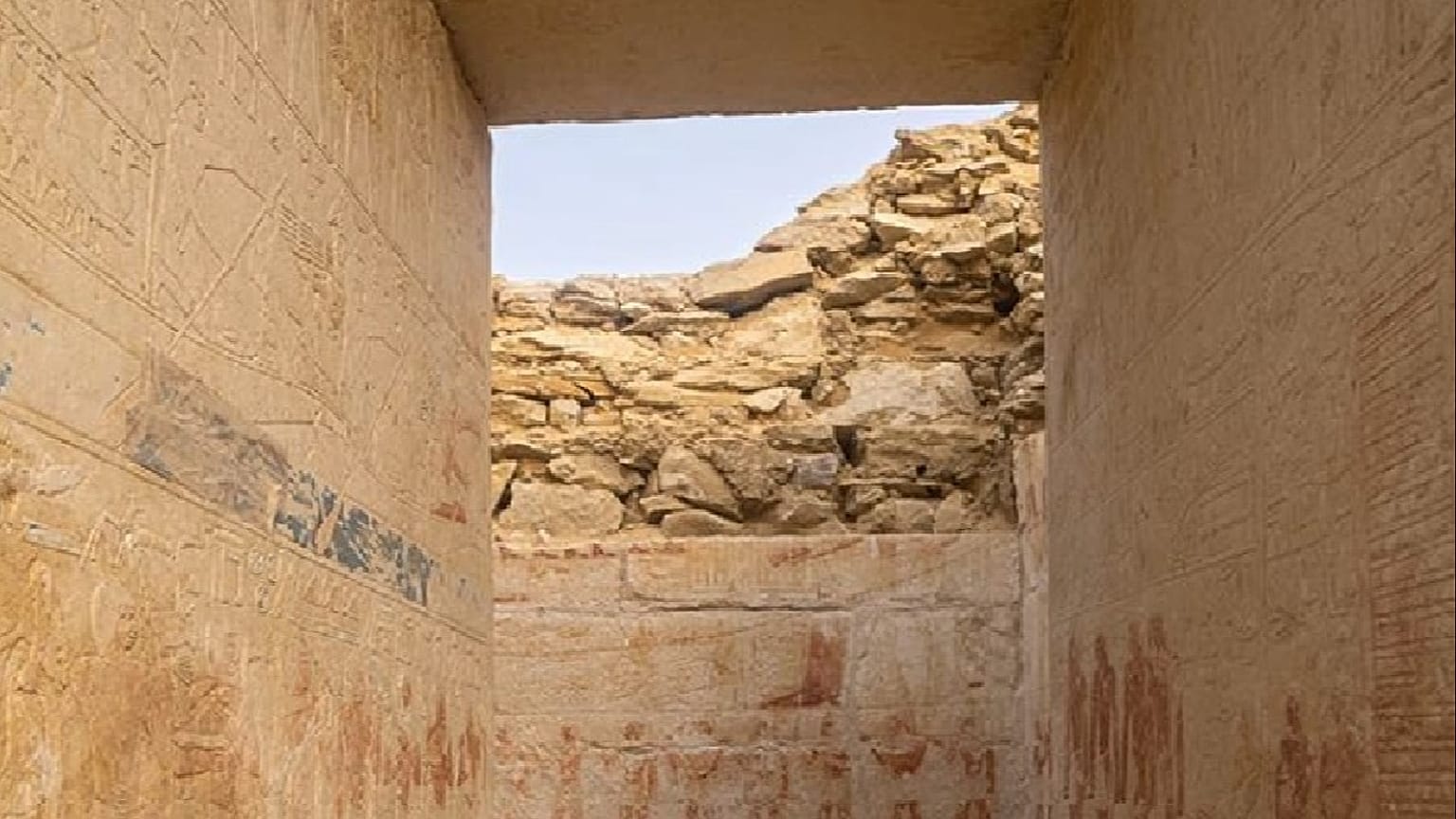
A Spanish-Egyptian archaeological team has unearthed at Saqqara an exceptional late Fifth Dynasty tomb with two funerary chapels and reliefs of farming scenes and offering processions that still retain their original colours.
A Spanish-Egyptian archaeological mission led by Spanish Egyptologist Josep Cervelló has uncovered an "intriguing and beautiful" tomb dating from the late Fifth Dynasty of Egypt’s Old Kingdom (2494–2345 BC) in the necropolis of Saqqara, southwest of Cairo.
The find was made during this summer’s excavations, directed by the Autonomous University of Barcelona (UAB) and Egypt’s Supreme Council of Antiquities. It is an exceptional mastaba with two funerary chapels, commissioned by Yunmen, a senior official of Pharaoh Djedkare Isesi, who also ordered that his father, Iti, a lower-ranking official, be buried there.
Egypt’s Ministry of Tourism and Antiquities confirmed that the tomb dates from the end of the Fifth Dynasty, during the reign of Djedkare Isesi, and is located in the Mariette necropolis, north of Saqqara. According to the statement, it contains "two funerary chapels belonging to two high officials, Younmin and his father, Ity".
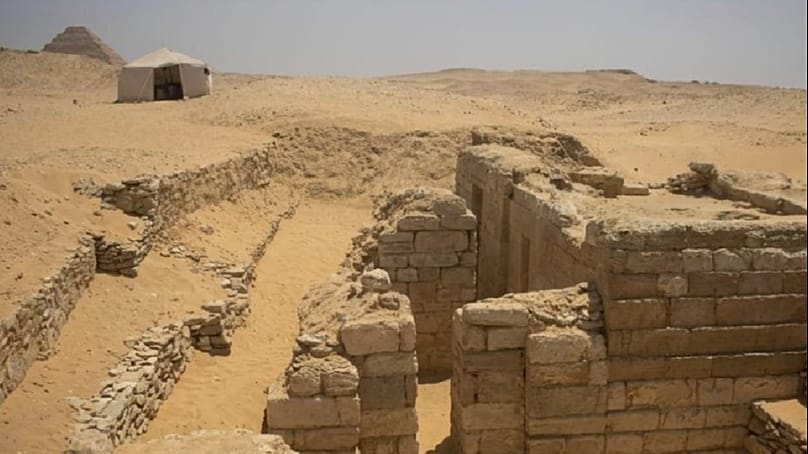
According to the UAB, the tomb has shed light on figures of great historical, social and cultural interest. For the archaeological team, the discovery also came as a surprise because of the monument’s richness and beauty.
the most notable features are a high-quality architrave and funerary texts tailored to the personality and offices of its owner. The Egyptian ministry also highlights the exceptional state of preservation of the scenes and reliefs, which depict "agricultural activities and processions with offerings", and notes that many of them "have retained their original colours".
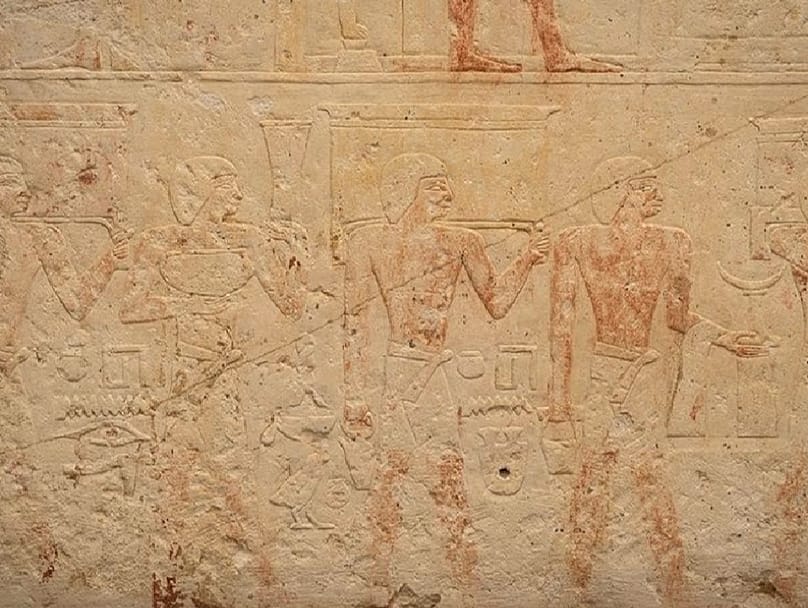
The decoration also includes depictions of donkeys and other animals. According to the Egyptian authorities, the discovery "provides new and valuable information about the architecture, art and administrative life of ancient Egypt at the end of the Fifth Dynasty".
The excavation sheds light on daily life in the Saqqara necropolis
As well as its historical and scientific value, the mastaba stands out for its beauty. Archaeologists believe that the double tomb may reflect the social rise of Yunmen, the son of a provincial official who went on to hold a senior position in the central administration and wished to share his funerary fate with his father.
The area has been known since the nineteenth-century excavations of Auguste Mariette, but it had never been studied and documented in depth. The research sought to reconstruct the topography of Saqqara and to understand the necropolis as a living space, where ancient Egyptians brought offerings and worked continually on the construction of funerary monuments.
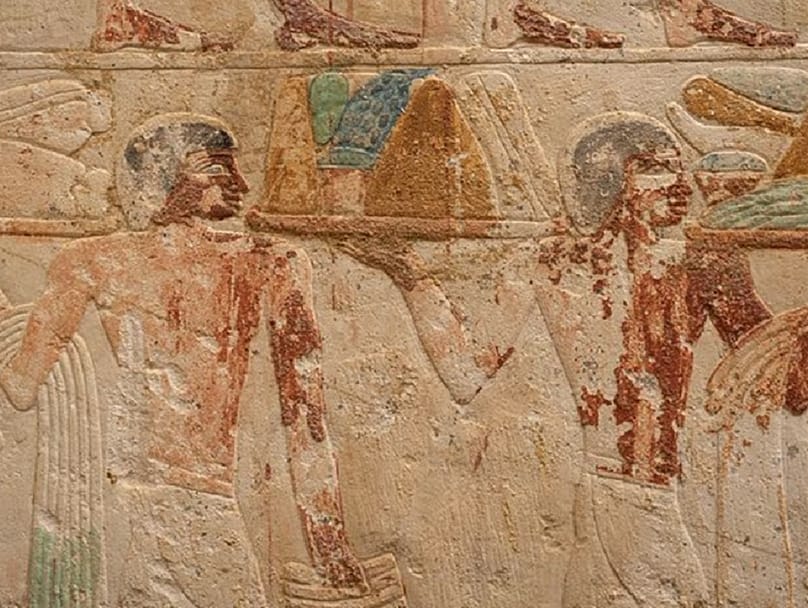
The aim is to understand how the necropolis was organised and functioned, from its streets and squares to the movement of people and the rituals of worship. The analysis of maps and the reconstruction of the layout led the team to a previously unknown mastaba and to traces of two more nearby, which they hope to excavate in future seasons.
No comments:
Post a Comment