Thursday, January 22, 2026


Donald Trump's latest visa ban hits African countries hard
DW

A decision by the US government to suspend visa procedures for numerous countries, including African ones, has come into effect. Experts say it is part of Donald Trump's strategy of portraying immigrants as a threat.

Trump's migration policy has affected numerous African countries, including those considered friendly to the US
Image: Olga Yastremska/Pond5 Images/IMAGO

The US is further tightening its immigration policy, following a decision by Donald Trump's administration to suspend the processing of immigration visas for applicants from 75 nations, a third of which are African.

Some of the affected African countries include Egypt, Ethiopia, Tanzania, Uganda, Somalia, Sudan, and South Sudan. In West Africa, Ghana, Cameroon, Cote d'Ivoire, Gambia, Liberia, Togo, Nigeria, Sierra Leone, and Senegal also face US visa restrictions.

The visa ban took effect on January 21, 2026, and applies to individuals seeking to live and work permanently in the US.

With this step, Washington claims to be putting an end to the alleged "abuse of the immigration system by people who want to enrich themselves at the expense of the US."

"President Trump has made it clear that immigrants must be financially independent and not be a financial burden on Americans," Phillip Assis, a spokesman for the State Department and director of the Africa Regional Media Hub in Johannesburg, told DW.

Are only wealthy immigrants welcome?

"The State Department is currently conducting a comprehensive review of all policies, regulations, and guidelines to ensure that immigrants from these high-risk countries do not claim social benefits in the United States and do not become dependent on government assistance," Assis said, adding that tourist visas are not affected.

The duration of the suspension is unclear. But according to Assis, nationals of the affected countries can continue to submit their visa applications.

However, during the suspension period, these nationals would not be granted immigration visas.

"Other visas, such as those for tourists, athletes and their families, and media representatives traveling to the United States for the FIFA World Cup, are not affected," he added.

The US will host the World Cup in 2026 with Mexico and Canada. In addition, Los Angeles is set to host the 2028 Olympic Games. The US is promoting the games as moments that can unify humanity.


At the same time, Trump is continuing the policy he began last November of "permanently stopping migration from low-income and middle-income countries.

In December, the US government suspended immigration applications for citizens of 18 countries and imposed entry bans on citizens of seven countries. Some of the affected countries, such as Mali and Burkina Faso, responded with similar restrictions on US citizens entering their countries.


Nationalism shapes Trump's MAGA movement

"We must not forget that Trump campaigned under the slogan 'Make America Great Again' (MAGA) and that nationalism and self-sufficiency are central features of this movement," Fredson Guilengue, a political scientist at the Rosa Luxemburg Foundation's South Africa office, said.

He explained that the MAGA movement emphasized protecting US workers and taxpayers. "It's about gaining more support within their own movement, as immigrants are portrayed by the current administration and Trump as a threat to American society," Guilengue told DW.
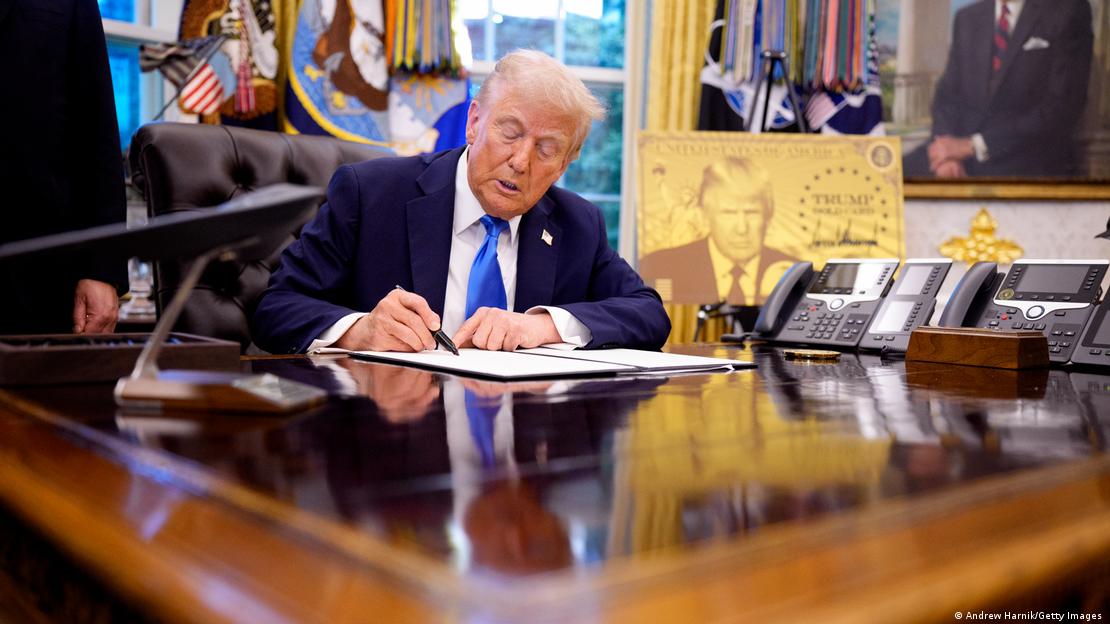

In December 2025, President Trump signed the 'Trump Gold Card' executive order — a quick path to permanent residence in the US upon payment of $1 million (€920,000).
Image: Andrew Harnik/Getty Images

Experts see the US migration policy as a setback for long-standing relations between the two continents. "For Senegal, the impact will be severe. Plans to study, work, or reunite families will be blocked. This decision sends the wrong signal and requires a diplomatic response and decisive advocacy," according to Boubacar Seye, president of the non-governmental organization Horizon Sans Frontieres, which advocates for the rights of migrants from its base in Dakar.

"The argument of 'overstaying' [one's visa] is greatly exaggerated," Seye stressed, referring to an alleged concern of the US government regarding immigration. "It punishes an entire population group because of the behavior of a minority [...] This justification is mainly used to tighten restrictive migration policies."

Nevertheless, the US is a country that offers opportunities on many levels, even for people without qualifications, Seye added.

"Visa restrictions are dangerous for all young people, whether from Latin America or even Europe, but especially for us in the Sahel and for the countries affected," Ahmedou Ould Abdallah, former Mauritanian foreign minister and UN ambassador, who now heads the Centre 4S research institute, told DW.

Is Trump targeting the Sahel Alliance?


The US visa regulations appear to be particularly aimed at the countries that make up the Sahel Alliance, according to Ould Abdallah. "This is not good news for the youth of these countries, who are generally not politicized and where there have been no elections to find out who they will or will not vote for," he said.

He added that the policy does not seem sensible for African countries.
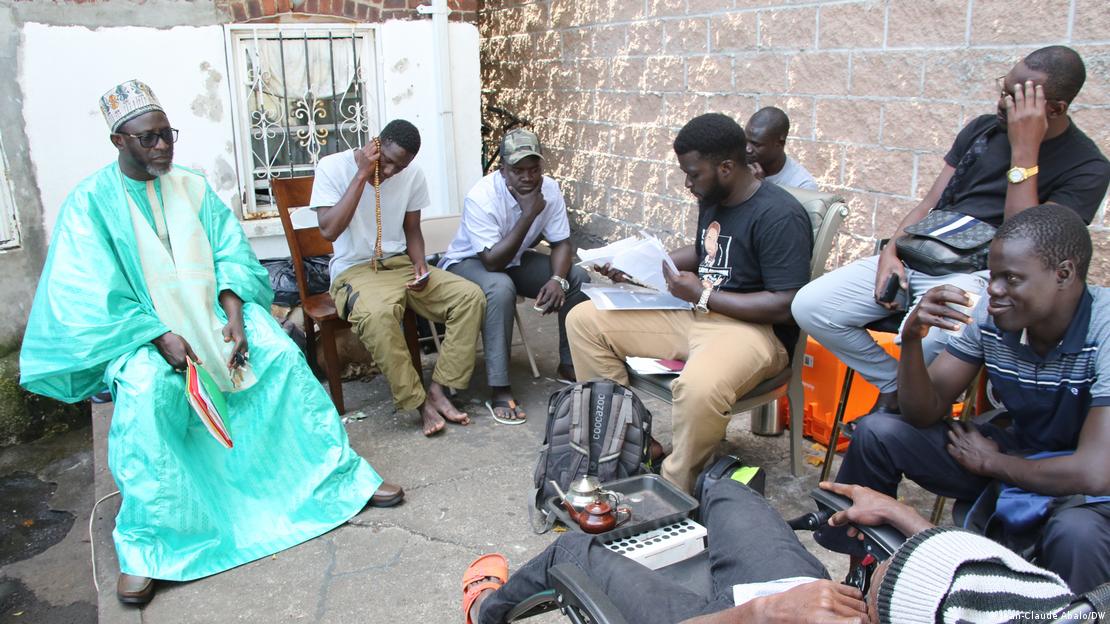
Many migrants from West Africa are not welcome to stay permanently in the US under the new Trump immigration policy
Image: Jean-Claude Abalo/DW

Emigration is not about hiding from political difficulties, he explained, "it's more about having more freedom to work, be successful, and compete on a level playing field without being attributed to a religious, tribal, regional or family affiliation."

The Democratic Republic of Congo is also affected by the visa ban. Fred Bauma, executive director of the Ebuteli research institute in Kinshasa, finds this contradictory. "It is not only in [the DR] Congo that we observe this paradox," Bauma said. "There are other countries that are rich in resources and coveted by the United States, but which find themselves excluded from any movement," he told DW.

Bauma cited Angola as an example of a resource-rich nation subject to some US visa restrictions. "It [Angola] is a central part of US strategy in the southern African region due to the Lobito corridor infrastructure project."


He added that such a strategy reinforces the idea that the race for resources is more critical than cooperation with states. "This is obviously a dangerous and unfavorable perspective for countries in the Global South that want to go beyond the simple exchange of goods."

But cultural identity politics also play a role, according to Guilengue. "These restrictions signal a desire to preserve 'American culture' by allowing fewer and fewer people with different identities to come to America and settle there." Guilengue calls this "exclusionary populism."

The result is that people suffer from exclusion. According to him, immigrants do not represent an economic burden. But instead, they contribute to economic growth and society. "It is not true that suspending the 75 countries [from entering the US] will protect the American economy. It could have the opposite effect."

This article was originally written in German.

Edited by: Chrispin Mwakideu

Martina Schwikowski Author for the Africa desk
The Bright Side: Researchers to test whether deep-sea rocks produce ‘dark oxygen’

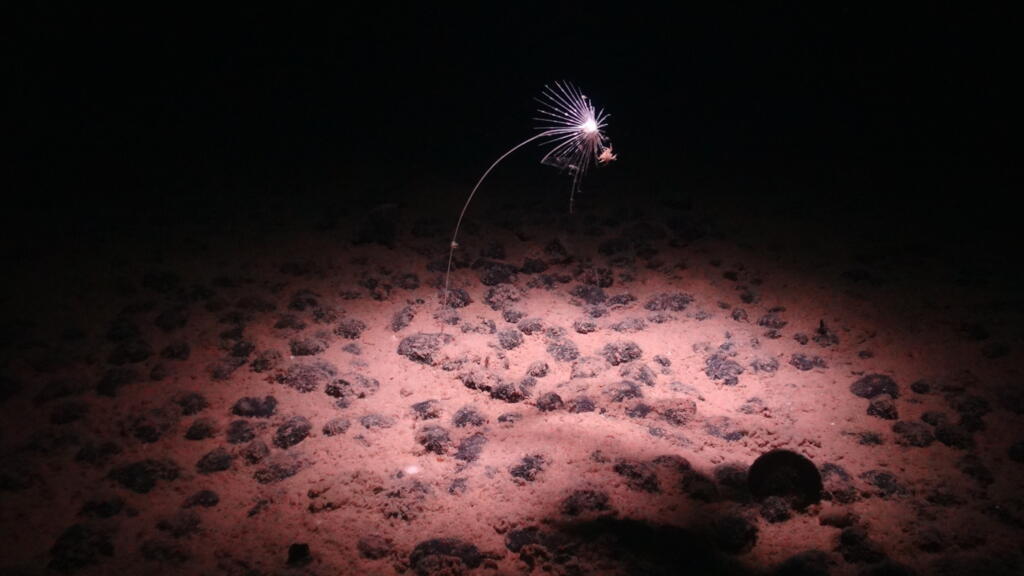
A group of scientists will later this year deploy deep-sea landers to test whether metallic rocks on the ocean floor do in fact produce oxygen. The claim, made in 2024 by British marine ecologist Andrew Sweetman, has been criticised by the deep-sea mining industry, which wants to harvest the nodules to extract precious metals for car batteries and other products.


Issued on: 20/01/2026 
By: FRANCE 24

Could something be creating oxygen in the total darkness at the bottom of the ocean? 
© Handout, National Oceanography Centre, Smartex project (NERC), AFP file photo

A team of scientists announced Tuesday they have developed new deep-sea landers specifically to test their contentious discovery that metallic rocks at the bottom of the ocean are producing "dark oxygen".

If a previously unknown source of oxygen has always been lurking in Earth's depths, it would represent a remarkable revelation that would call into question long-held assumptions about the origins of life on our planet.

But the deep-sea mining industry – which is keen to extract precious metals from these potato-sized polymetallic nodules – and some researchers have expressed doubts about the claim.

So British marine ecologist Andrew Sweetman, who led the 2024 research that revealed the possible existence of dark oxygen, is planning a new underwater expedition in the coming months.

If these potato-sized polymetallic nodules do produce oxygen, it would be a remarkable revelation. © Scottish Association for Marine Science (SAMS), AFP


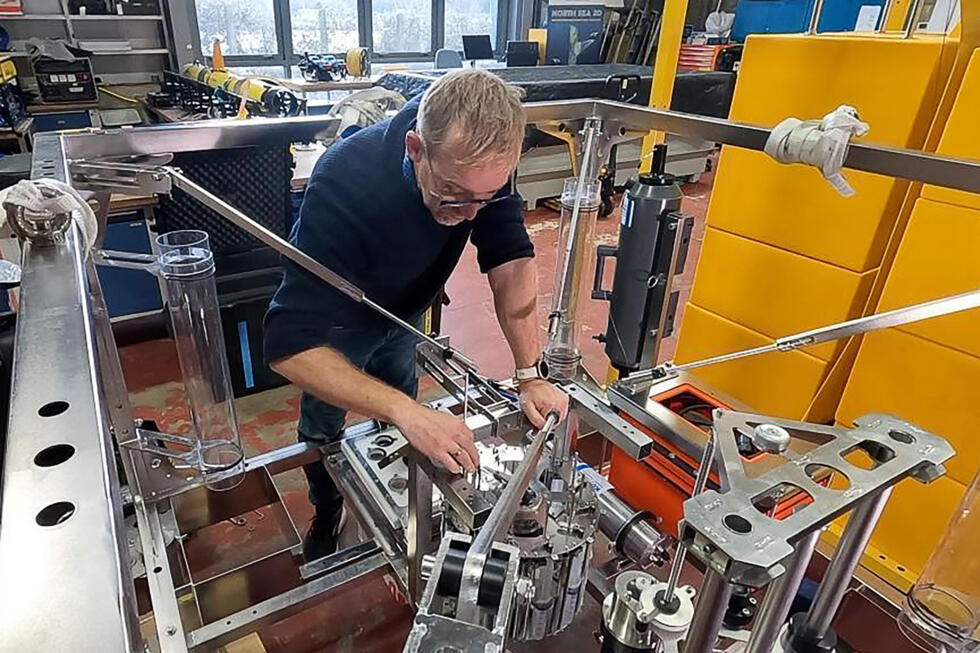
At a press conference on Tuesday, Sweetman and his team unveiled two new landers capable of diving to a depth of 11 kilometres with the aim of finding out how the nodules could be creating oxygen.

Unlike previous missions, these landers will have sensors specifically designed to "measure seafloor respiration", Sweetman explained.

They can withstand 1,200 times the pressure on Earth's surface and more resemble space exploration equipment, a statement said.

The landers will be launched from a research ship in the Clarion-Clipperton Zone, a vast region between Hawaii and Mexico.

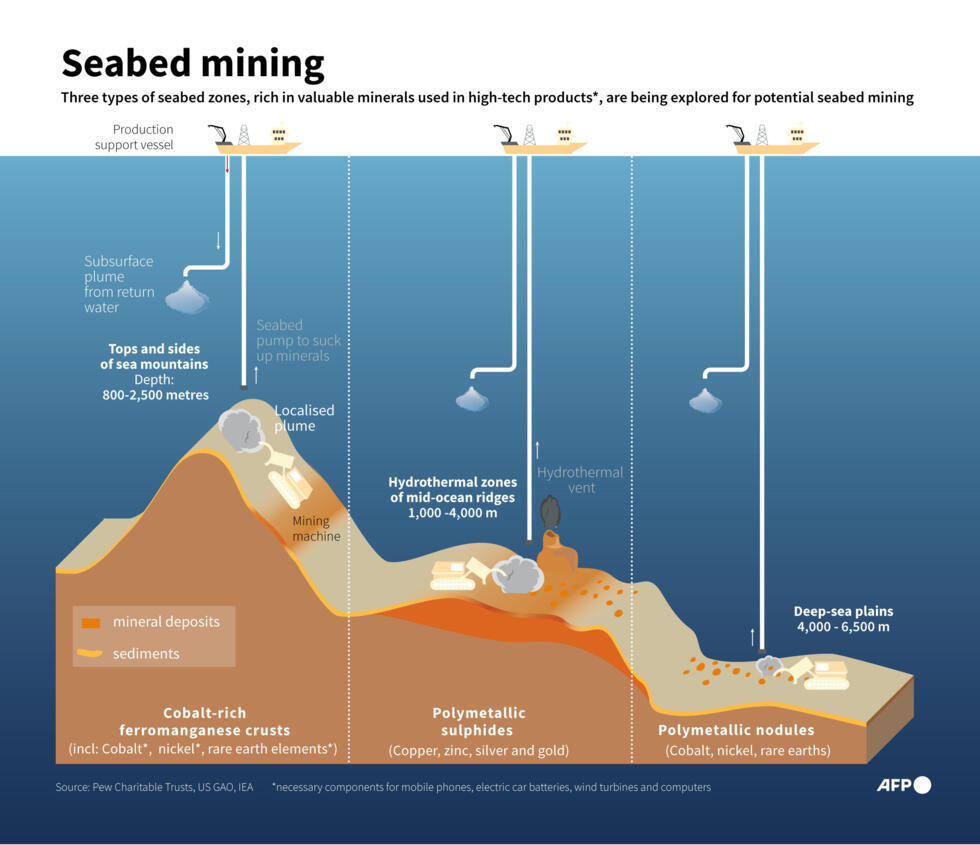
Mining companies have plans to start harvesting the nodules, which contain valuable metals used in electric car batteries and other tech.

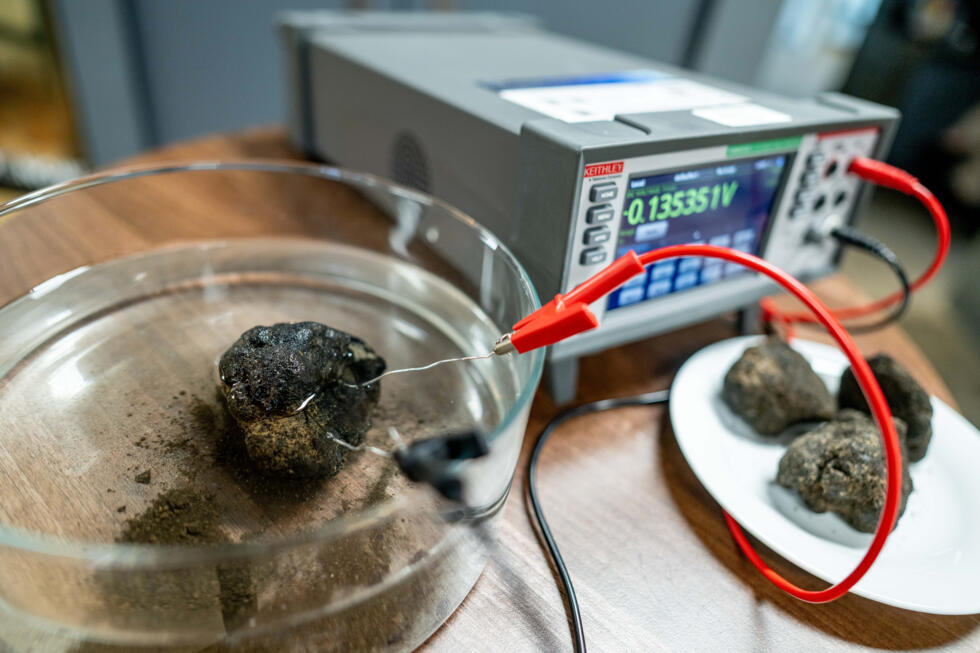
The scientists believe that the nodules give off enough electric charge to split seawater into hydrogen and oxygen, a process known as electrolysis.
Underwater gold rush?

Sweetman also used the press conference to push back against criticism of his 2024 study.

Some researchers have suggested that the oxygen was not coming from the nodules, but instead were just air bubbles trapped in the measuring instruments.

"We've used these instruments over the last 20 years and every time we've deployed them, we've never had bubbles," Sweetman said, adding that the team conducted tests to rule out such a possibility.
The nodules are right at the bottom of the ocean.
 © Jonathan Walter, Paz Pizarro, Laurence Saubadu, AFP file

The debate comes as companies and nations battle over proposed rules regulating the new and potentially environmentally destructive deep-sea mining industry.

Sweetman's 2024 study was partly funded by a Canadian deep-sea mining firm, The Metals Company, which has since sharply criticised his research.

"If commercial mining goes ahead then there will be quite widespread impacts," Sweetman said, adding that "these nodules are home to a variety of diverse fauna".

But the scientist emphasised it is "not our intention" to find something to stop deep-sea mining.

He instead wants to gather as much information as possible to "minimise the impacts as much as possible" if mining does go ahead.

Matthias Haeckel, a biogeochemist at Germany's GEOMAR Helmholtz Centre for Ocean Research, told AFP that his own research did "not show any hint towards oxygen production" from the nodules.

British marine ecologist Andrew Sweetman's hypothesis has been met with some resistance. © Scottish Association for Marine Science (SAMS), AFP

But he said Sweetman will "join our cruise at the end of this year, where we plan to compare our methods".

For the new research funded by the Japanese Nippon Foundation, Sweetman and his team plan to spend May on a research ship in the Clarion-Clipperton Zone.

"We'll be able to confirm dark oxygen production within 24 to 48 hours after the landers come up," he said.

The world will probably not know the results until the ship returns in June – and further experiments back on dry land could take months, Sweetman added.

(FRANCE 24 with AFP)
HOPE IS ETERNAL

Myanmar junta 'can't last forever': Military in 'worse position now' than ever before

Issued on: 20/01/2026 
FRANCE24

Catherine Viette welcomes Kim Aris, son of Nobel Peace Prize laureate Aung San Suu Kyi, who bears witness to the fraught political landscape of Myanmar five years after the 2021 military coup. Mr. Aris sounds the alarm on the deteriorating condition of his ailing mother who remains imprisoned and whose whereabouts are unknown. He offers a scathing critique of the "sham election" and the contradictions between the junta’s claims of legitimacy and civilians on-going resistance to brutal oppression, political violence and civil conflict.

Video by: Catherine VIETTE

ANOTHER DAY ANOTHER WAR CRIME

Israel used white phosphorus widely in southern Lebanon, study finds


Issued on: 14/01/2026 
FRANCE24

VIDEO- 11:38


An investigation by open-source researcher Ahmad Baydoun highlights Israel's use of white phosphorus munitions during the recent conflict with Hezbollah in southern Lebanon between October 2023 and November 2024. Although not explicitly prohibited by international law, the use of white phosphorus is regulated as an incendiary weapon, and its use in densely populated areas is banned.

Ahmad Baydoun is an open source intelligence (OSINT) researcher at Delft University of Technology in the Netherlands. The study he led mapped 248 Israeli strikes across southern Lebanon by geolocating photos and videos and gathering accounts from residents.

The findings, released in an interactive map in October 2025, allow residents to check whether their land or homes have been affected.

The study found that a significant proportion of these white phosphorus strikes hit civilian and agricultural areas.

Baydoun told our team:

"According to my research, 91 percent of white phosphorus strikes took place before Israeli forces entered southern Lebanon in October 2024, which contradicts the official Israeli version. Furthermore, 39 percent of all phosphorus strikes we documented took place over civilian areas, 16 percent over agricultural land, and only 44 percent in uninhabited areas or areas far from residents.”

Read our full story in the article below:

'I am not a criminal': Uganda opposition leader Bobi Wine hits back from hiding

Ugandan opposition leader Bobi Wine on Wednesday insisted that he was "not a criminal" while still in hiding after escaping what he said was a police raid on his home ahead of last week's presidential election. The country's army chief Muhoozi Kainerugaba – and the son of re-elected President Yoweri Museveni – threatened on Tuesday to hunt down and kill Wine, accusing him of being a "terrorist".


Issued on: 21/01/2026 
By: FRANCE 24

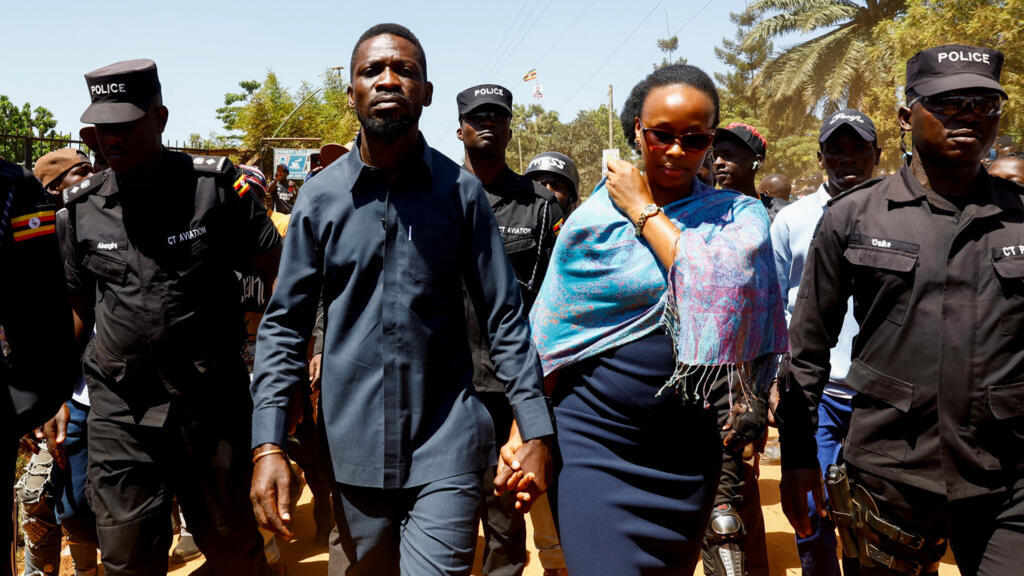
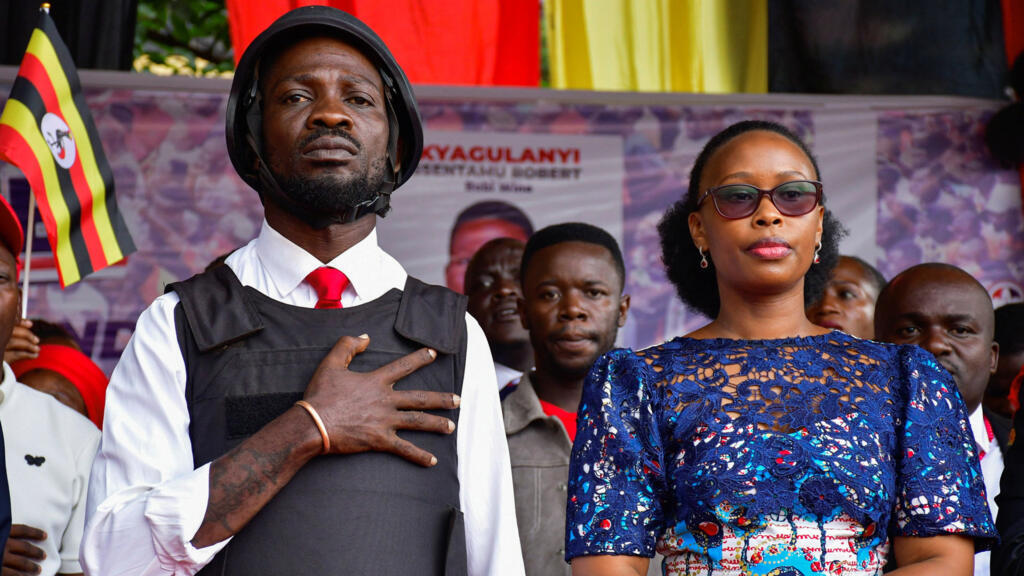
Ugandan presidential candidate Robert Kyagulanyi, also known as Bobi Wine, with his wife Barbara Kyagulanyi in Kasangati town near Kampala, Uganda, on January 15, 2026. © Thomas Mukoya, Reuters

Uganda's opposition leader Bobi Wine said on Wednesday he was "not a criminal" after going into hiding following last week's election in which President Yoweri Museveni won a seventh term.

Wine, 43, a former singer turned politician who was arrested ahead of Uganda's last election in 2021, said on Saturday that he had escaped a police raid on his home. His whereabouts have been unknown since then.

READ MORE Ugandan opposition denounces army raid on party leader Bobi Wine

He had denounced last Thursday's presidential election as "blatant theft".

In a phone interview, Wine said he was constantly on the move but was being "housed and protected by the common people".

Responding to a threat by Uganda's army chief and Museveni's son Muhoozi Kainerugaba, he said: "I'm not a criminal."

"I'm a presidential candidate and it's not a crime to run against his father," Wine – whose real name is Robert Kyagulanyi – said.

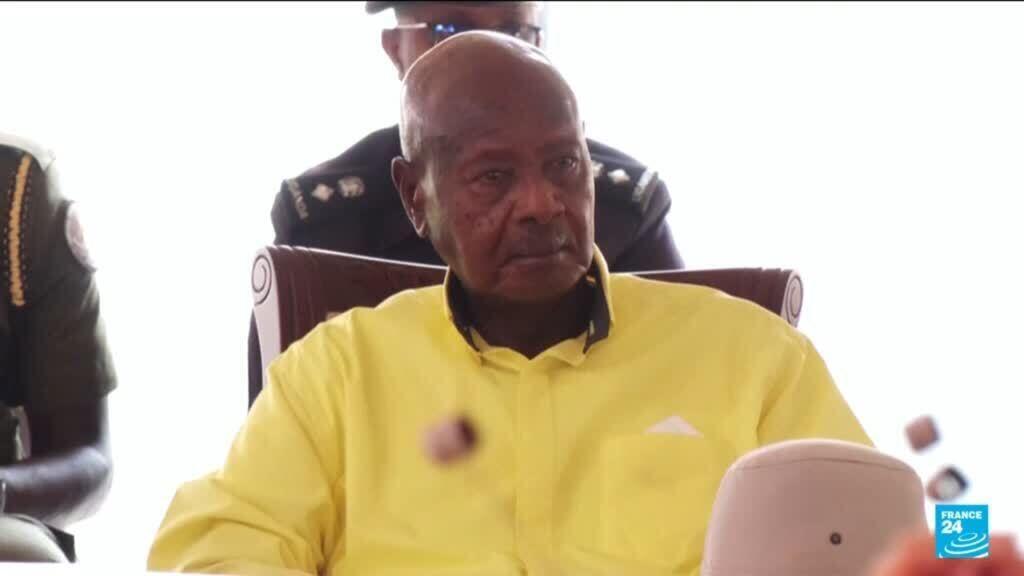
Uganda: Africa’s longest-serving leader, Yoweri Museveni, seeks to extend 40-year rule
© France 24
02:08


On Tuesday, Kainerugaba, 51, who has made no secret of his desire to succeed his father, threatened in a post on X to hunt down and kill Wine.

"We have killed 22 NUP terrorists since last week," Kainerugaba wrote, referring to the opposition National Unity Platform led by Wine, who came second in the ballot.

"I'm praying the 23rd is Kabobi," he added, using his nickname for the opposition leader.

In a separate post, Kainerugaba called on Wine to give himself up.

"I am giving him exactly 48 hours to surrender himself to the Police," Kainerugaba wrote. "If he doesn't we will treat him as an outlaw/rebel and handle him accordingly."

Police spokesperson Kituma Rusoke said on ​Monday night that Wine was not being sought.

Asked about the future for his party, Wine said he did not have a firm plan.

"In a dictatorship, you don't draw a strategy, but you respond to the kind of oppression," he said.

Last week's ballot was marred by violence and an internet shutdown, while African observers said arrests and abductions had "instilled fear".

Museveni, 81, who won a landslide with 72 percent of the vote, has said the opposition are "terrorists" who had tried to use violence to overturn results.

(FRANCE 24 with AFP and Reuters)

Ugandan opponent Bobi Wine receives threats from President Museveni's son


Uganda's army chief, who is also the son of long-serving president Yoweri Museveni, said he wants opposition leader Bobi Wine dead, days after Wine claimed he had been forced into hiding. Wine already survived many attacks on his life since entering politics.


Issued on: 20/01/2026 - RFI

Ugandan presidential candidate Robert Kyagulanyi, also known as Bobi Wine, of the National Unity Platform (NUP), often wears a bulletproof jacket at his campaign rallies, like here in Kampala, Uganda, on 12 January, 2026. REUTERS - Abubaker Lubowa

General Muhoozi Kainerugaba's comments come after his father, President Yoweri Museveni won an seventh term following general elections on Thursday that was widely criticised by poll observers and rights groups.

The embattled opposition, led by 43-year-old Bobi Wine, real name Robert Kyagulanyi, says they faced violence and intimidation ahead of the vote, with international bodies also accusing the government of "brutal repression".

"We have killed 22 NUP terrorists since last week. I'm praying the 23rd is Kabobi," Kainerugaba posted on social media X late Monday night, referring to Wine and his National Unity Platform (NUP) party.

"As for Kabobi, the permanent loser, I'm giving him exactly 48 hours to surrender himself to the Police. If he doesn't we will treat him as an outlaw/rebel and handle him accordingly," he added in a separate post on X.


Ordeal

The east African country's veteran leader Yoweri Museveni, 81, was declared the landslide winner of the January 15 poll with 71.6 percent of the vote against his opponent Bobi Wine with 24.

Wine, the pop star-turned-politician, and his party, the National Unity Platform (NUP) have rejected the results, alleging widespread irregularities including ballot stuffing, enforced disappearance of polling agents and intimidation by security forces.

Wine's whereabouts remain unknown after he said on Saturday he had escaped a police raid on his home, where his wife remains under apparent house arrest. He says he is in hiding.


Wine criticised Kainerugaba's "threats to kill me" on his own social media and demanded the military vacate the his compound, adding: "My wife and people are not safe."

He also appeared on NTV Uganda on Monday night and accused police of vandalising his home and said leaving his residence would free him "to speak to the world," still not disclosing his location.

The opposition leader had already faced arrest and torture in the run-up to the 2021 election, when he first ran for president.
Growing role

Over 100 members of Uganda's biggest opposition party have also been charged with various offences including unlawful assembly related to violence around last week's election, according to court documents and an opposition official.

In the run-up to polls last week, Kainerugaba, infamous for his colourful tweets and regular threats to behead Wine, was unusually silent on social media, but since his father's win he has returned to posting frequently, often late at night.

It has been said on several occasions that Museveni wants his son to succeed him.
Israeli strike kills three journalists in Gaza, civil defence agency says

Three journalists were killed by an Israeli strike in Gaza on Wednesday, the Palestinian territory's civil defence agency said. Israel has been the biggest killer of journalists for three years running, Reporters Without Borders data shows, with the country's forces killing 220 media professionals since the war in Gaza began.


Issued on: 21/01/2026 
By: FRANCE 24

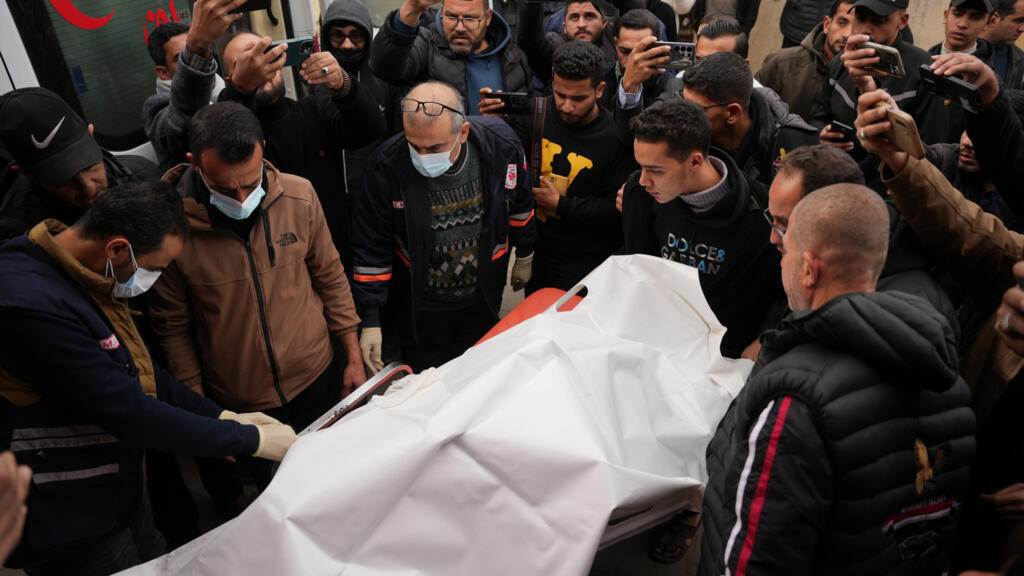
People carry the body of the Palestinian photographer Anas Ghneim, who was killed in an Israeli strike on a vehicle on January 21, 2026. © Abdel Kareem Hana, AP
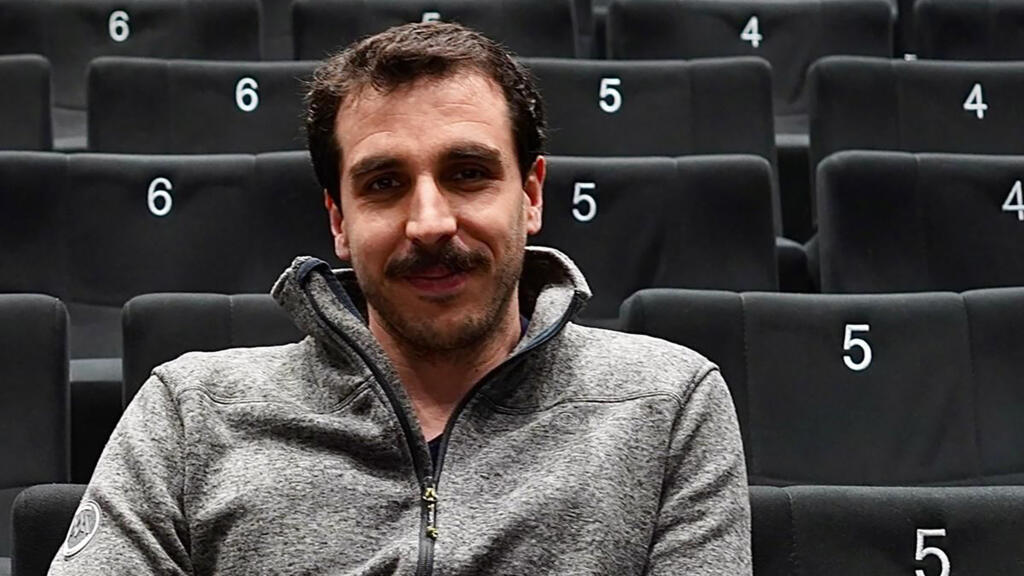

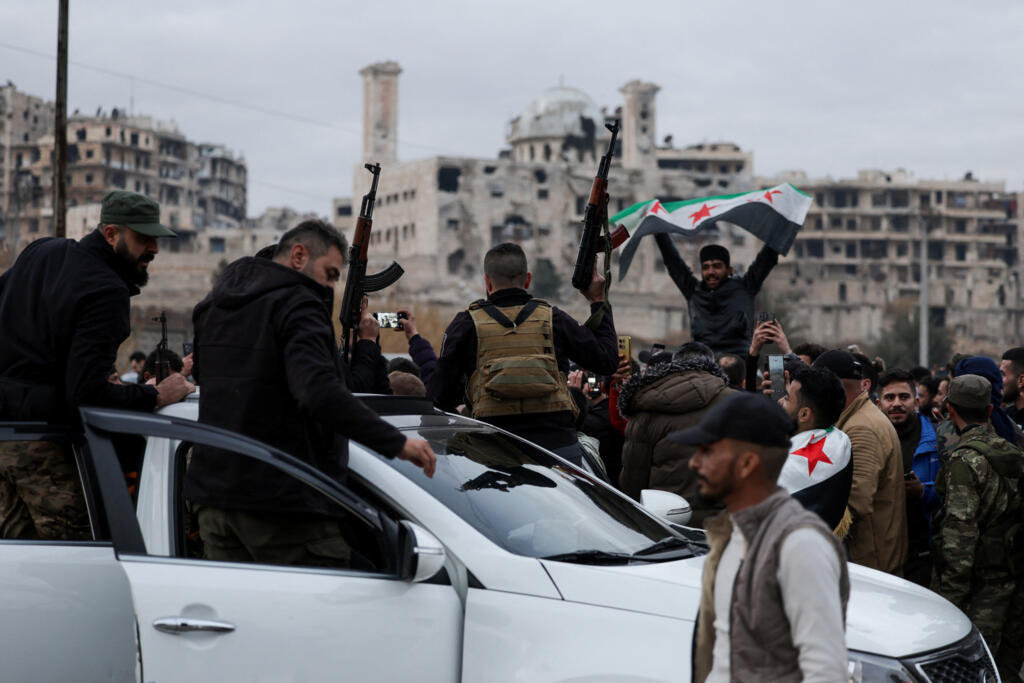
An Israeli strike in the centre of Gaza killed three journalists on Wednesday, including a freelancer who regularly contributed for AFP, the Palestinian territory's civil defence agency said, despite the ceasefire between Israel and Hamas.

In a statement, the civil defence said "the bodies of the three journalists killed in an Israeli air strike in the Al-Zahra area southwest of Gaza City were transported to Al-Aqsa Martyrs Hospital in Deir al-Balah".

It named the dead as Mohammed Salah Qashta, Abdul Raouf Shaat and Anas Ghneim.

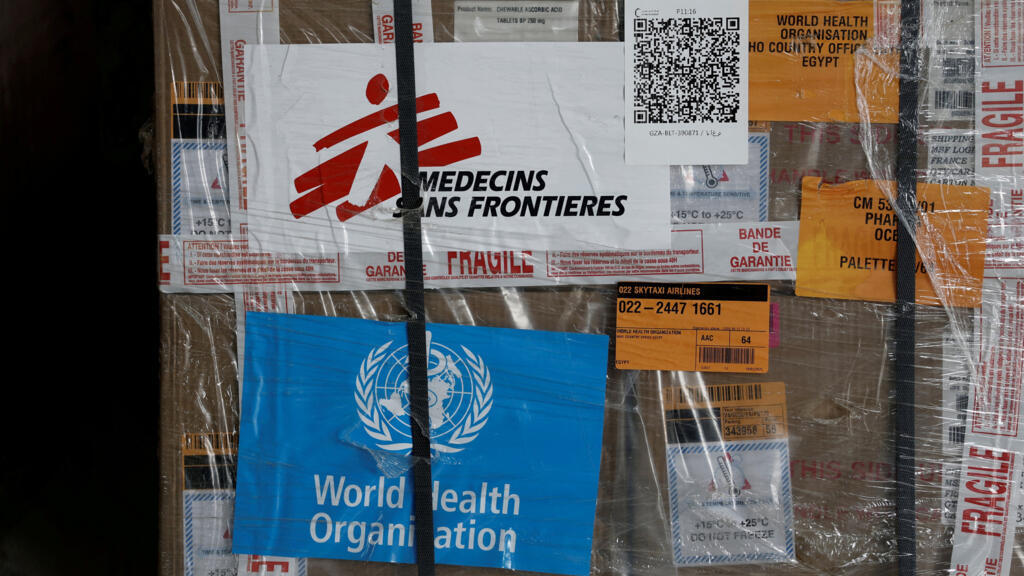
Israel says will bar several NGOs from Gaza, FRANCE 24 speaks to MSF

 Egyptian Red Crescent warehouses storing aid for Gaza in Arish 
REUTERS - Benoit Tessier
09:27


Since October 10, a fragile US-sponsored truce in Gaza has halted the large-scale fighting between Israeli forces and Hamas, but both sides have alleged frequent violations.


Israeli forces have killed at least 466 Palestinians in Gaza since the ceasefire took effect, according to the health ministry in the Hamas-run territory, with the Israeli military saying that militants have killed three of its soldiers during the same period.

READ MOREIsraeli strikes kill at least 13 in Gaza, including children, civil defence says

Shaat had contributed regularly to AFP as a photo and video journalist, but at the time of the strike he was not on assignment for the agency.

The Israeli military said it was checking the reports.

The civil defence, which operates as a rescue force under Hamas authority, said in an earlier statement that an Israeli drone strike had targeted "a civilian vehicle" near Al-Zahra.

Media watchdog Reporters Without Borders said that Israeli forces killed at least 29 Palestinian journalists in Gaza between December 2024 and December 2025.

The most deadly single attack was a "double-tap" strike on a hospital in south Gaza on August 25, which killed five journalists, including two contributors to international news agencies Reuters and the Associated Press.


In total, nearly 220 journalists have died since the start of the Gaza war in October 2023, making Israel the biggest killer of journalists worldwide for three years running, RSF data shows.

Last week, US Middle East envoy Steve Witkoff announced the start of phase two of the Gaza ceasefire, saying it aimed to pave the way for reconstruction and the demilitarisation of all armed factions in the territory.

(FRANCE 24 with AFP)
French journalist arrested in Turkey while covering pro-Kurdish protest released

A French journalist who was arrested while covering a protest over a Syrian government offensive targeting Kurdish fighters has been released, though it is not clear whether the charges against him have been dropped.


Issued on: 22/01/2026 - RFI

Raphael Boukandoura, a French journalist who has been living and working in Turkey for nearly a decade, was released Wednesday after he was detained by police while covering a pro-Kurdish demonstration in Istanbul. © Boukandoura family via AFP

"I am on my way home," Raphael Boukandoura, 35, told the AFP news agency in a brief phone call on Wednesday. He was speaking from a taxi bringing him home from the migrant detention centre in Arnavutkoy, near Istanbul airport, where he had been transferred after his arrest on Monday.

His lawyer Emine Ozhasar confirmed he had been freed, adding that they were still waiting to hear details of his release.

Boukandoura, who has been living in Turkey for at least a decade and holds an official press card, was arrested on Monday while he was covering a protest called by pro-Kurdish opposition party DEM for the French daily newspaper Libération.

He was arrested along with nine other people when police broke up the protest, and was accused of joining in with the protesters shouting slogans against the Turkish military offensive targeting Kurds in north-eastern Syria.

He denied taking part in the protest, and said he was there as a journalist covering the event.

Turkey's independent media on alert over stance of tech giants

'Hazardous job'

France's foreign ministry had on Tuesday said it hoped Boukandoura, who regularly covers Turkey for French publications, would be "freed as quickly as possible".

The European Parliament's Turkey rapporteur Nacho Sanchez Amor had also said he was following "with concern" the reporter's case, especially the threat of deportation.

"Independent journalism is really a hazardous job in Turkiye for locals and foreigners," he wrote on social media before Boukandoura's release.

Media watchdog Reporters Without Borders (RSF) had earlier called it "unacceptable" to threaten a French journalist with expulsion for doing his job.

"It is intended to intimidate journalists covering pro-Kurdish protests in Turkey," the group’s Turkey representative Erol Onderoglu told AFP.

(with AFP)

French journalist arrested during Istanbul protest over Syria offensive


A French journalist was one of 10 people arrested in Istanbul late Monday at a protest over a Syrian government offensive targeting Kurdish fighters, the pro-Kurdish DEM party told French news agency AFP.


Issued on: 20/01/2026 - RFI

Protesters gather and show victory signs during a demonstration against the attacks by the Syrian government forces, in Diyarbalir, the main city in Turkey's Kurdish-majority southeast, on 19 January 2026. AFP - ILYAS AKENGIN

Raphaël Boukandoura, who works for various French publications including Ouest France and Courrier International, was arrested outside DEM's Istanbul headquarters in the Sancaktepe district, it said.

His arrest was also confirmed by Reporters Without Borders (RSF), who called for him to be freed without delay.

"We call for the immediate release of our colleague who did nothing but his legitimate duty to cover a protest," RSF's Turkey representative Erol Onderoglu told AFP.

"RSF is closely following his case and calls on the authorities to put an end to such arbitrary interference against media professionals," he said.

Ouest France echoed the call for him to be freed "immediately".

Call for protection

The police intervened after a DEM statement was read out calling for "an immediate halt to the attacks" and for the protection of civilians in northeastern Syria, Turkish news reports showed.

Syrian forces began an offensive nearly two weeks ago which pushed Kurdish-led SDF forces out of the northern city of Aleppo, and expanded over the weekend to push deep into territory that has been held by Kurdish forces for over a decade.

People celebrate in Sheikh Maksoud neighbourhood following the collapse of an agreement between the Syrian government and the Syrian Democratic Forces (SDF), in Aleppo, Syria, 10 January 2026. REUTERS - Khalil Ashawi

The move was hailed by Ankara as a legitimate "fight against terror" but triggered angry protests among Turkey's Kurds, who make up a fifth of the country's population of 86 million and who have been deeply unsettled by the violence.

It has also raised questions about the fate of Turkey's peace process with the Kurdistan Workers' Party (PKK) in a bid to draw a line under a four-decade insurgency that cost some 50,000 lives.

Ceasefire negotiations collapse

The PKK on Tuesday said it would "never abandon" Kurds in Syria.

"You should know...whatever the cost, we will never leave you alone.. we as the entire Kurdish people and as the movement, will do whatever is necessary," Murat Karayilan of the PKK was quoted as saying.

Meanwhile, negotiations have collapsed between the Syrian president and the chief of the country's Kurdish-led forces, a Kurdish official told AFP on Tuesday, as the army deployed reinforcements to flashpoint areas in the north.

US and EU urge fresh talks between Syria govt, Kurds after deadly clashes

President Ahmed al-Sharaa and Mazloum Abdi, who heads the Kurdish-led Syrian Democratic Forces (SDF), were meeting to discuss a ceasefire agreement that included integrating the Kurds' administration into the state.

The agreement had marked a blow for the Kurds' long-held ambitions of preserving the de facto autonomy they had exercised in swathes of northern Syria for over a decade.

Sunday's ceasefire deal included the Kurds' handover of Arab-majority Deir Ezzor and Raqa provinces, which they administered after their US-backed defeat of IS at the height of Syria's civil war.

Sharaa, who is backed by the United States and Turkey, has refused to entertain the idea of decentralisation or federal rule, and insisted the army must deploy across Syria.

(with AFP)
Eroded by rising seas, France's disappearing coasts force beach towns to adapt

With sea levels rising and warmer oceans fuelling more powerful waves, France is preparing to lose 500,000 hectares of coastline by 2100. People in one coastal community in the south-west tell RFI why they're sacrificing some structures to the advancing sea.


Issued on: 19/01/2026 - RFI

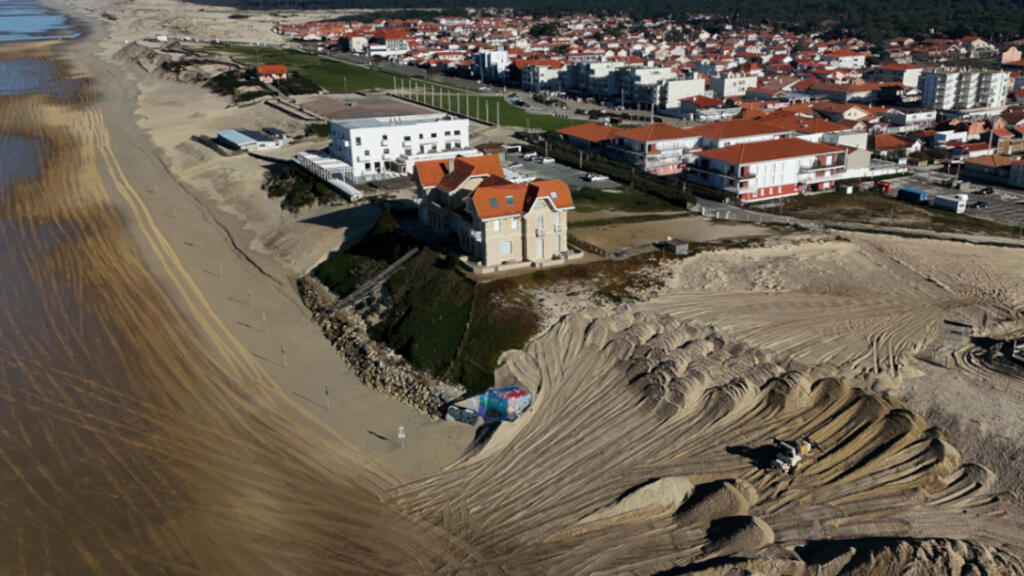
A mechanical excavator brings sand to reinforce dunes next to buildings threatened by coastal erosion in Biscarosse, south-western France, on 17 January 2025
. © Christophe ARCHAMBAULT / AFP

Winter is storm season in Labenne, a seaside resort on France's southern Atlantic coast.

On the beach, a World War II bunker is half buried by the dunes. The lifeguard station will soon be overtaken too; the town council has had to build another one, farther from the beach.

"We're well aware that even the beach car park is doomed to disappear," says Stéphanie Chessoux, Labenne's mayor.

"Like businesses, we will have to take this natural progression into account. The elements are reclaiming their rights."


Surrendered to sea and sand

This part of France loses around two metres of coast a year to erosion.

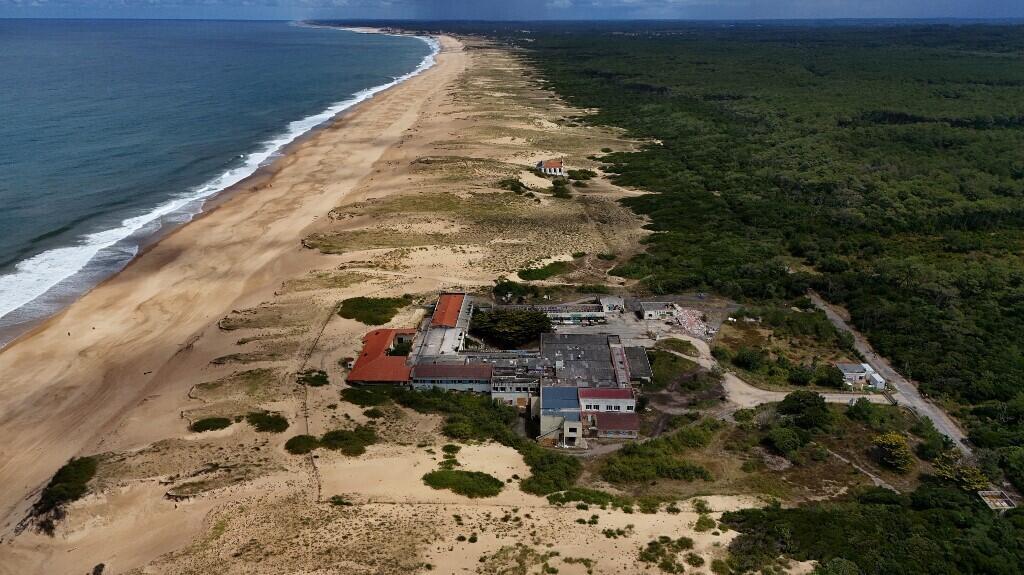
In Labenne, more and more land has turned into sand dunes. They surround the site of the town's former sanatorium, where tuberculosis patients once came to breathe the sea air.

Constructed in the 1920s, the concrete building contained asbestos, presenting health risks as it fell into disrepair. Local authorities had it demolished last October.

An aerial view of the old sanatorium before it was demolished, by the Atlantic ocean in Labenne, south-western France, on 24 July 2025. 
© AFP - CHRISTOPHE ARCHAMBAULT


"The ocean has advanced, but the building also deteriorated due to its proximity to the ocean, sand and salty air, which wore down everything made of metal inside the concrete," explains Laure Guilhem-Tauzin of the Coastal Protection Agency, where she focuses on the Aquitaine region.

By knocking the structure down, "the idea was first and foremost to give nature back its rights and prevent marine pollution in the medium term", she says.

"And also to prevent an investor who underestimated the costs of investment and depreciation from redeveloping the building, which would have had to be demolished 15 or 20 years later."

French towns left uninsured as climate change increases risks


Nature-based solutions

Now, the 12,000-square-metre site is being turned over to a project to plant vegetation that can help stabilise the sand.

The area will be planted with species adapted to growing on dunes, says Guilhem-Tauzin. "It traps sand and holds the dunes in place. When there are storms, it stops the sand going inland."

The project is an example of "nature-based solutions", she explains, which are often the most effective. "A floodable marsh protects a green space behind the coast better than a sea wall, which can break in one go."

Across France, as many as 50,000 buildings could be threatened by shrinking coastlines by 2100.

In the long term, some experts say the country will have to consider more radical options, such as managed retreat – moving communities away from the coast and allowing the sea to reclaim low-lying land.


Restart of world's biggest nuclear plant paused after alert, Japan's TEPCO says

A view of part of TEPCO’s Kashiwazaki-Kariwa nuclear power plant in Kashiwazaki, 18 July, 2007
Copyright AP Photo

By Gavin Blackburn
Published on 

The restart, initially scheduled for Tuesday, had been pushed back after another technical issue related to the control rods' removal was detected last weekend.

The restart of the world's largest nuclear power plant was suspended in Japan on Thursday just hours after the process began, its operator said, but the reactor remains "stable."

Operations to relaunch a reactor at the Kashiwazaki-Kariwa plant in Niigata province, closed since the 2011 Fukushima disaster, began late on Wednesday after it received the final green light from the nuclear regulator despite divided public opinion.

But its operator the Tokyo Electric Power Company (TEPCO) said that "an alarm from the monitoring system...sounded during the reactor startup procedures," causing them to suspend operations.

"We were investigating the malfunctioning electrical equipment," spokesperson Takashi Kobayashi said and "once it became clear that it would take time, we decided to reinsert the control rods in a planned manner."

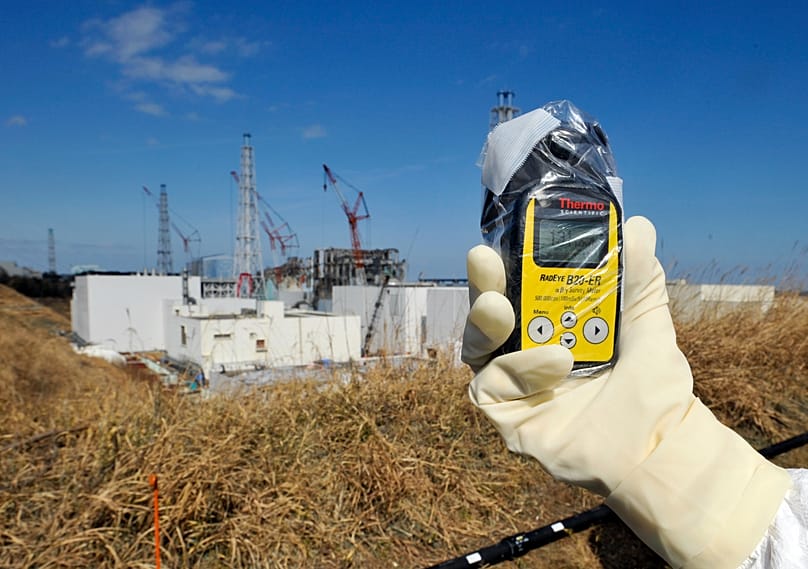
A radiation monitor at the Fukushima Dai-ichi nuclear power station in Okuma, 28 February, 2012 AP Photo


The reactor "is stable and there is no radioactive impact outside," he said.

Control rods are a device used to control the nuclear chain reaction in the reactor core, which can be accelerated by slightly withdrawing them, or slowed down or stopped completely by inserting them deeper.

The restart, initially scheduled for Tuesday, had been pushed back after another technical issue related to the rods' removal was detected last weekend, a problem that was resolved on Sunday, according to TEPCO.

Kashiwazaki-Kariwa is the world's biggest nuclear power plant by potential capacity, although just one reactor of seven was restarted.

The facility was taken offline when Japan pulled the plug on nuclear power after a colossal earthquake and tsunami sent three reactors at the Fukushima atomic plant into meltdown in 2011.

However, Japan now wants to revive atomic energy to reduce its reliance on fossil fuels, achieve carbon neutrality by 2050 and meet growing energy needs from artificial intelligence.

Kashiwazaki-Kariwa is the first TEPCO-run unit to restart since 2011. The company also operates the stricken Fukushima Daiichi plant, now being decommissioned.

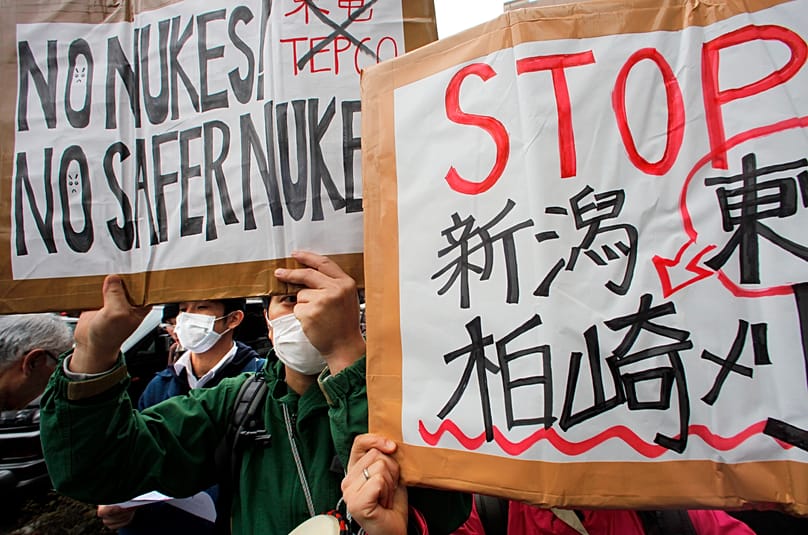
Protesters hold placards during a rally to oppose nuclear power generation held in front of the TEPCO headquarters in Tokyo, 3 April, 2011 AP Photo

Public opinion in Niigata is deeply divided. Around 60% of residents oppose the restart, while 37% support it, according to a survey conducted in September.

"It's Tokyo's electricity that is produced in Kashiwazaki, so why should the people here be put at risk? That makes no sense," Yumiko Abe, a 73-year-old resident, told the AFP news agency during a protest earlier this week.

Earlier this month, seven groups opposing the restart submitted a petition signed by nearly 40,000 people to TEPCO and Japan's Nuclear Regulation Authority, saying that the plant sits on an active seismic fault zone and noted it was struck by a strong quake in 2007.

Iran offers first government-issued death toll from security crackdown on protesters

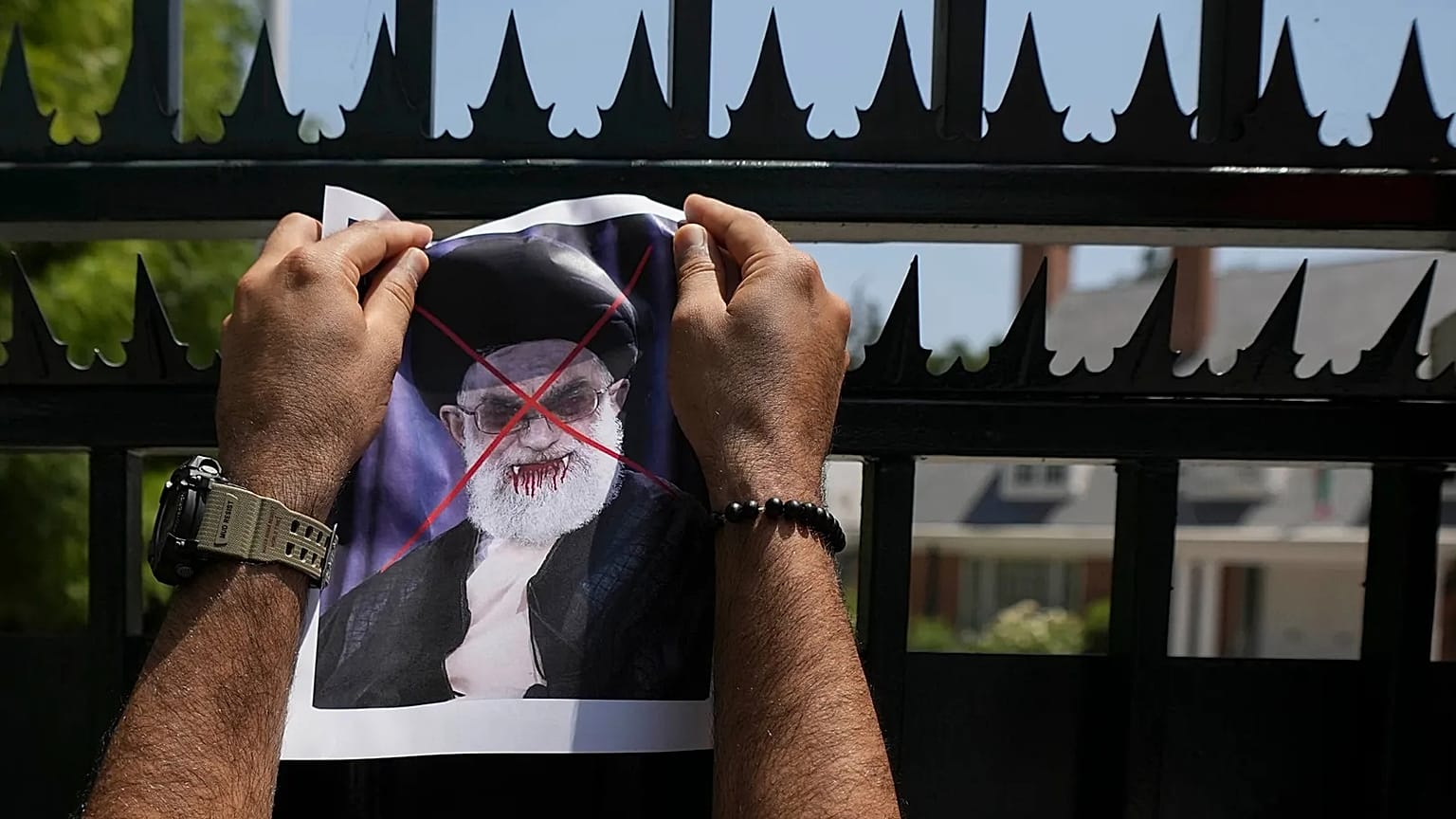
A defaced poster of Ayatollah Ali Khamenei is placed by a demonstrator on a gate of Iran's embassy in Santiago, 20 January, 2026
Copyright Office of the Iranian Supreme Leader via AP
By Emma De Ruiter
Published on 

State television carried statements by the Interior Ministry and the Foundation of Martyrs and Veterans Affairs, an official body providing services to families of those killed in wars, saying 3,117 people were killed.

Iran offered its first government-issued death toll late on Wednesday following a crackdown on nationwide protests, giving a far lower figure than activists abroad as the country’s theocracy tries to reassert control after unrest recalling the chaos surrounding its 1979 Islamic Revolution.

State television carried statements by the Interior Ministry and the Foundation of Martyrs and Veterans Affairs, an official body providing services to families of those killed in wars, saying 3,117 people were killed.

It added that 2,427 of the dead in the demonstrations that began on 28 December were civilians and security forces.

It did not elaborate on the rest. Iran's government in the past has undercounted or not reported fatalities from unrest.

The US-based Human Rights Activists News Agency said the death toll early on Thursday was at least 4,902, with many more feared dead.

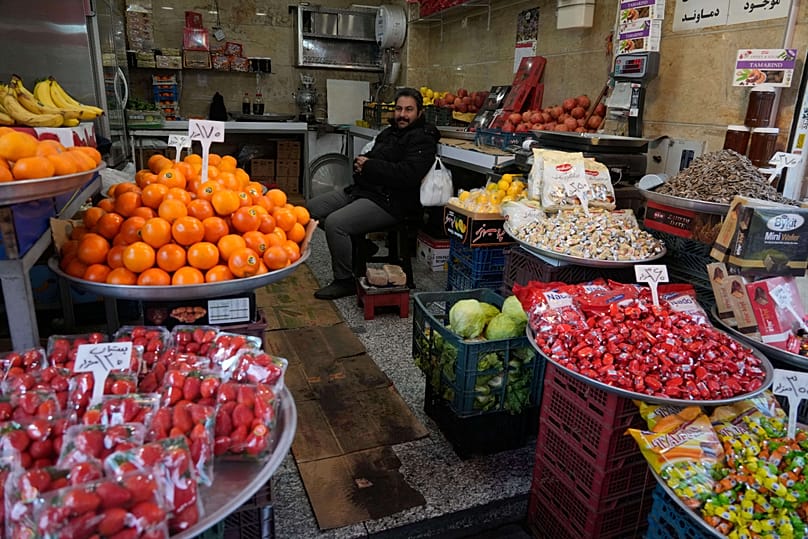
A fruit seller waits for customer at Tehran's historic Grand Bazaar, 20 January, 2026 AP Photo

The human rights group has been accurate throughout the years on demonstrations and unrest in Iran, relying on a network of activists inside the country that confirms all reported fatalities.

Other groups similarly have offered higher numbers than the Iranian government tally.

The Associated Press has been unable to independently assess the death toll, in part due to authorities cutting access to the internet and blocking international calls into the country.

Iran has also reportedly limited journalists' ability locally to report on the aftermath of the protests, instead repeatedly airing claims on state television that refer to demonstrators as "rioters" motivated by America and Israel, without offering evidence to support the allegation.

Nearly 26,500 people have also been arrested, according to the Human Rights Activists News Agency.

Comments from officials have led to fears of some of those detained being put to death in Iran, one of the world's top executioners.

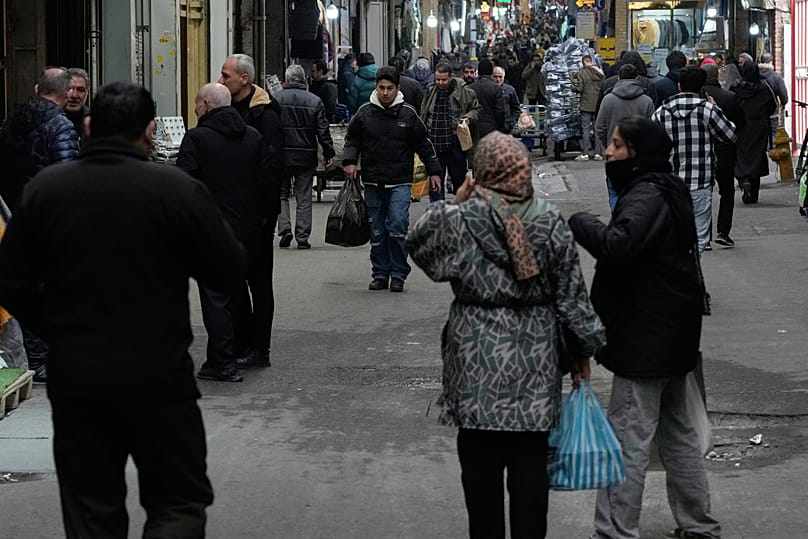
People conduct their business at Tehran's historic Grand Bazaar, 20 January, 2026 AP Photo

Warning from Araghchi

Meanwhile, Iranian Foreign Minister Abbas Araghchi issued his most-direct threat yet to the United States on Wednesday, warning the Islamic Republic will be “firing back with everything we have if we come under renewed attack.”

"Unlike the restraint Iran showed in June 2025, our powerful armed forces have no qualms about firing back with everything we have if we come under renewed attack," Araghchi wrote in the Wall Street Journal, referring to the 12-day conflict with Israel last June.

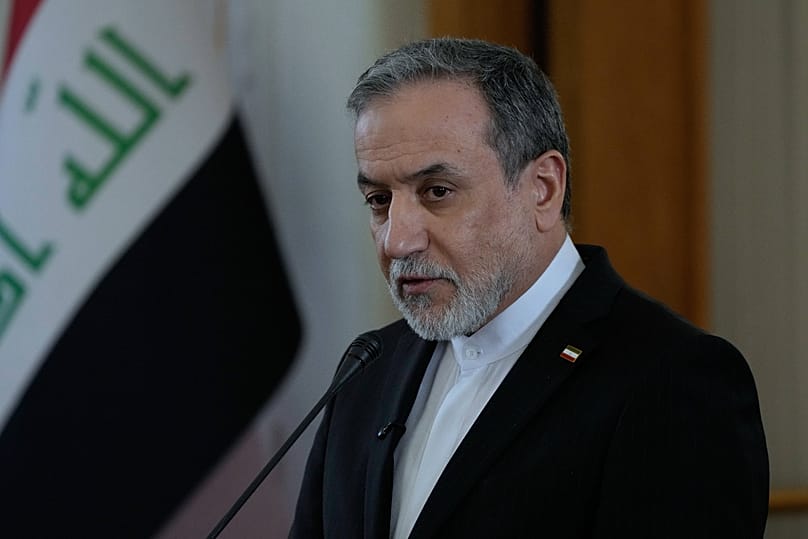
Iranian Foreign Minister Abbas Araghchi speaks in a press briefing in Tehran, 18 January, 2026 AP Photo


"This isn’t a threat, but a reality I feel I need to convey explicitly, because as a diplomat and a veteran, I abhor war."

The comments came as Araghchi saw his invitation to the World Economic Forum in Davos rescinded over the killings and as a US aircraft carrier group moved west toward the Middle East from Asia.

The USS Abraham Lincoln, which had been in the South China Sea in recent days, had passed through the Strait of Malacca, a key waterway connecting the sea and Indian Ocean, by Tuesday, ship-tracking data showed.


How many people have been killed during


the crackdown on Iranian protesters?


The number of people killed in protests against the Iranian regime has been rising since demonstrations began in late December. An NGO reported on January 20 that more than 4,500 people had been killed. However, it added that the figure was provisional because a nationwide internet blackout meant that the death toll had been hard to establish. The real number is thought to be much higher.


Issued on: 21/01/2026 - 
By: Nathan GALLO/The FRANCE 24 Observers


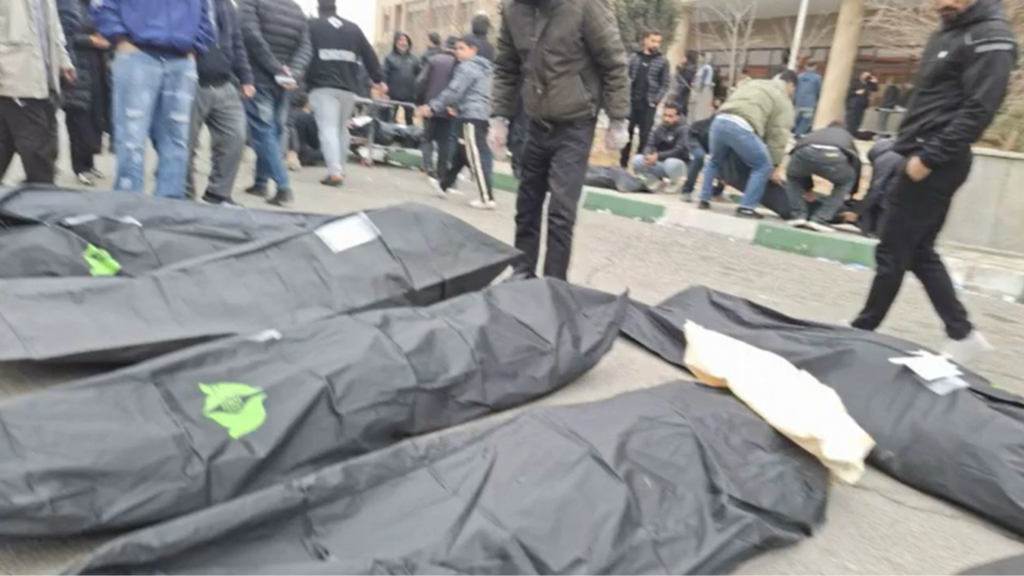
This image, published on January 13, 2026, shows Iranian families identifying the remains of loved ones at the morgue in Kahrizak, south of the Iranian capital. 
© Telegram, VahidOnline

Weeks after protests in Iran began on December 28 – and with a near-total Internet blackout since January 8 – it is still impossible for activists and observers to establish the exact number of people killed in the government crackdown on protesters. A provisional count puts the death toll at more than 4,500, with a possibility of "up to 20,000 dead".

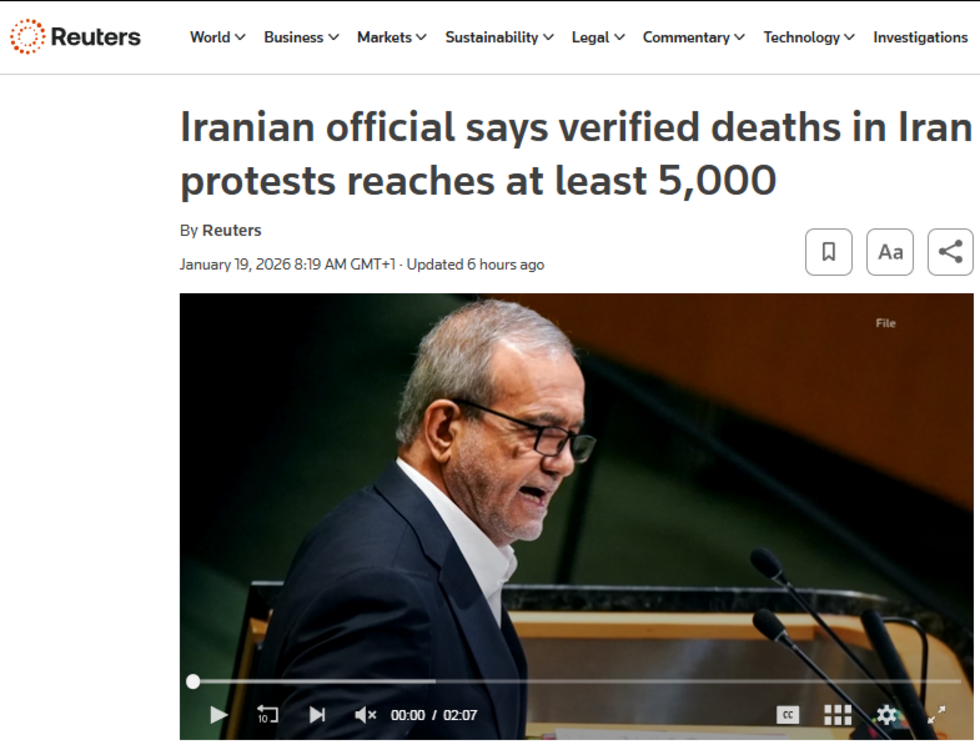
Supreme Leader Ali Khamenei publicly acknowledged the deaths of "thousands” on January 17. The next day, Iranian authorities, including an anonymous official who spoke to the Reuters press agency, said that at least 5,000 people had been killed during these protests. And on Wednesday, Iranian state TV issued the first official death toll, saying 3,117 people were killed.

"The final toll is not expected to increase sharply," the official added. He blamed the deaths on “terrorists and armed rioters”.

This is a screenshot of an article published by the Reuters news agency on January 18 that quoted an Iranian official who said that there had been at least 5,000 verified deaths in recent protests, including 500 members of the country's security forces. "The final toll is not expected to increase sharply," he added. © Reuters

"Up to 20,000" estimated deaths

Despite statements by the regime, the real toll could be much higher. Numbers calculated by observers and activists are a testament to the extent of the crackdown on protesters carried out by Iranian security forces.

Estimates of the death toll published by several media outlets were four times the number given by Iranian authorities. US media outlet CBS reported on January 13, for example, that between 12,000 and 20,000 people were feared to have been killed in these protests, based on information gathered by Iran-based activists working to compile a death toll from reports from medical officials across the country.

Iran International, a media outlet based in London, reported on January 12 that the death toll was 12,000. The report cited high-ranking government and security sources. The death toll was estimated even higher - between 16,500 and 18,000 people - in a January 18 article by the Sunday Times, which based its reporting on a database of information gathered by sources in 24 hospitals and emergency services across Iran.
4,519 verified deaths on January 20

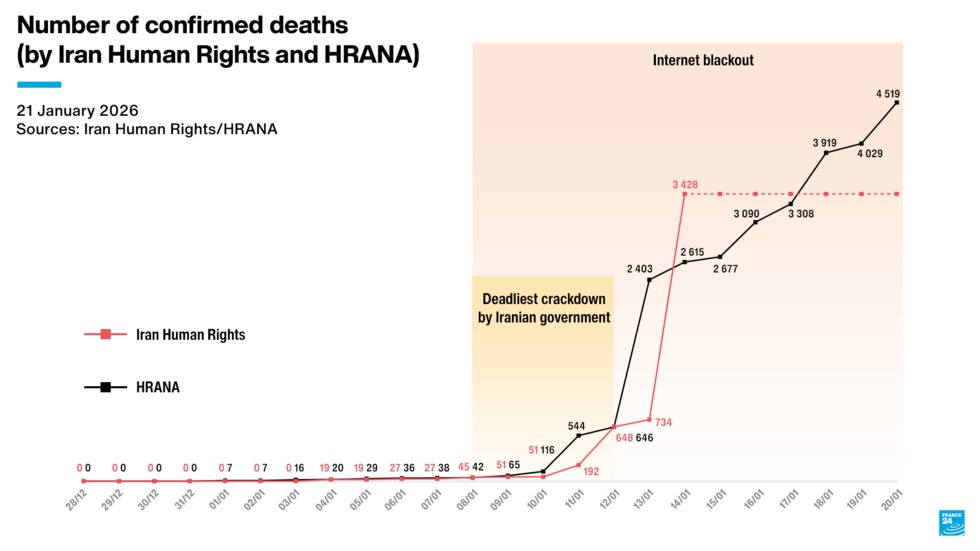
Despite these varying estimates, most international agencies and media outlets, including FRANCE 24, relied on data gathered by two NGOs dedicated to human rights in Iran: the Norway-based Iran Human Rights and Human Rights Activists in Iran (HRANA), which is based in the United States.

HRANA reported on January 20 that there had been 4,519 "verified” deaths, including 197 members of military and government forces. The NGO added that there were a further 9,049 deaths “still under investigation”. These numbers, based on information communicated by families and medical sources, are the result of a process of victim identification carried out by sources on the ground.

Iran Human Rights reported on January 14 that they had verified 3,428 deaths (see the chart below). The organisation noted that the majority of victims were killed during protests held between January 8 and 12, the period when the crackdown was the most violent. While the internet blackout slowed down the process of verifying the death toll during these protests, these two organisations continue to update their numbers as information comes in.
This chart shows the number of deaths confirmed by the NGOs Iran Human Rights and Human Rights Activists in Iran on January 19, 2026. While the internet blackout hindered the establishment of a death toll, these two NGOs continue to gather information. Iran Human Rights has not updated their numbers since January 14, 2026. 
© Studio graphic, France Medias Monde

\
Some social media users have criticised these death tolls, which remain lower even than those given by Iranian authorities. This conservative estimate is linked to the verification process used by these two NGOs.

"It should be noted that the total figure is an absolute minimum,” clarified Iran Human Rights in their latest report from January 14, which contains data from only 15 of Iran’s 31 provinces.

Jennifer Connet, a Senior Legal Advisor with HRANA, explained how they gathered their numbers:
\

The figures we post should be understood as minimums, not estimates of the full scale of harm. These figures only reflect cases that have been independently verified through primary sources, which is a process that takes additional time, particularly given the extent of cases to verify in this situation and the internet blackout that is compromising information flow.

[We confirm] that each of the [...] confirmed deaths is individually identified and verified through primary sources inside Iran. The '[...] under investigation' refers to cases that are in the process of being independently verified.

In its latest report, published on January 20, HRANA specified that 9,049 additional deaths were currently under investigation. If verified, the death toll would increase significantly.

Aside from being provisional, the death toll is also incomplete because of the difficulty of accessing information on the ground due to the regime’s internet shutdown. For nearly two weeks, Iranian authorities have been blocking internet access in a large swathe of the country, preventing people from using messaging services or calls using the internet. Connet explained:
\
In response to the information vacuum, HRANA issued a public call via telegram urging citizens, eyewitnesses, and individuals with access to reliable documents, images and videos to participate in the independent documentation of the protests.

The internet shutdown poses serious obstacles to documentation and verification. HRA maintains deep concern regarding the internet blackout, which not only violates the right of Iranians to access information but cuts 90 million plus people off from the outside world and facilitates impunity for the continued excessive use of force against protesters, by enabling the concealment of violence and repression.

"We’ve noticed a significant decline in contact in recent days, which corresponds with the severity of communications restrictions,” she added. “However, even during this same period, we have been able to maintain limited contact thanks to more stable but less sophisticated forms of communication, like phone calls with our established contacts.”

Whatever the final death toll, the crackdown on this opposition movement has been historic in comparison to previous protests against the regime.

Around 500 protesters were killed in the 2022 protests in support of Mahsa Amini, who was killed by the morality police after being arrested for “wearing inappropriate clothing”.

This is a translation of the original article in French.


'Khamenei is scared of Trump,' exiled


 Iranian activist Masih Alinejad says


Issued on: 21/01/2026 
FRANCE24


Play (11:56 min)


In an interview with FRANCE 24, Iranian women's rights activist and journalist Masih Alinejad said Iran's Supreme Leader Ayatollah Ali Khamenei "is scared of" US President Donald Trump and called for the Iranian leader's targeted killing. "Kill Ali Khamenei the way that you kill[ed] Qassem Soleimani," she said, referring to the US assassination of the top Iranian commander in 2020 during Trump's first term in office.

Iran has just seen several weeks of protests, to which authorities responded with an "unprecedented massacre," according to Amnesty International. Activists say several thousands of people have been killed, although the exact death toll could be much higher.

"I strongly believe that people are still angry and the next wave (of protests) will be much heavier" given the brutality of the crackdown, Alinejad said.

Speaking from New York, Alinejad appealed directly to Trump: "You have promised Iranians several times that if the regime start killing them, then you will protect Iranians. The time has come." She cited the regime's suspension of 800 executions as proof that it fears Trump, urging him to unite G7 leaders to take action.

On January 13, Trump urged Iranians to keep protesting, saying "help is on the way."


Alinejad recalled meeting French President Emmanuel Macron back in 2022, when she urged him to shut down Iran's embassy in France. "When their language towards their own people is guns and bullets, they should not enjoy the privilege of diplomacy on your own soil," she told him.

Macron replied that "France is all about diplomacy", Alinejad recalled. To which she responded: "You're wrong, Mr. President. France is also about revolution. The French Revolution inspired millions of Iranians."