.jpg)
Three major European powers, France, Britain and Germany condemned the killing of protesters in Iran and urged Iranian authorities to refrain from violence, the three governments announced late on January 9.
"The Iranian authorities have the responsibility to protect their own population and must allow freedom of expression and peaceful assembly without fear of reprisal," the statement said initially, according to French President Emmanuel Macron's office.
The condemnation came as Iran was largely cut off from the outside world after authorities shut down internet access in an apparent attempt to curb growing unrest. Videos circulating online showed buildings set ablaze during anti-government protests in cities across the country.
Rights groups have documented between 36 and 45 deaths in nearly two weeks of demonstrations that began on December 28 however, there is expected to be an updated total of more than 100 deaths according to the latest rough estimates by IntelliNews.
Iranian state television broadcast footage of clashes and fires, whilst the semi-official Tasnim news agency reported that several police officers were killed overnight.
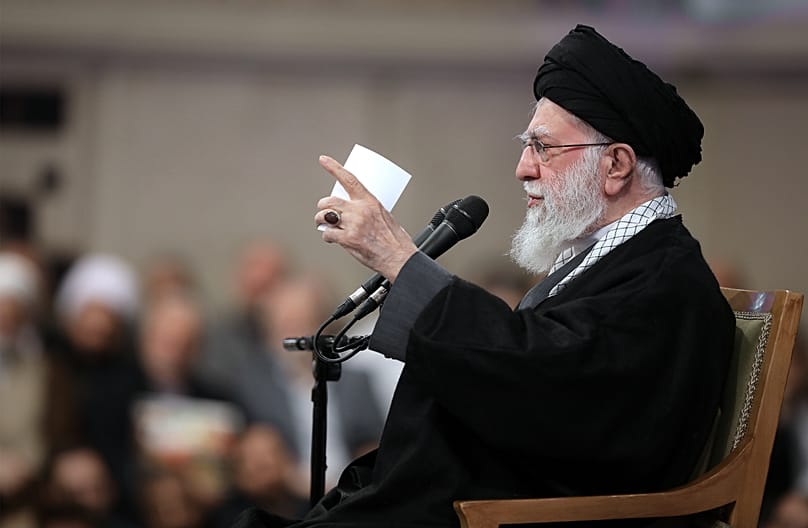
Supreme Leader Ayatollah Ali Khamenei vowed not to back down in a televised address on January 9, accusing demonstrators of acting on behalf of exiled opposition groups and the United States.
Tehran's public prosecutor warned that those involved in sabotage or violent clashes with security forces could face the death penalty.
Protests initially spurred by Iran's deteriorating economy and rising inflation have been held in all 31 of the country's provinces, including areas considered typically loyal to the state. More than 2,000 people have been arrested, according to human rights monitors.
Iran's Ministry of Information and Communications Technology said the decision to shut down the internet was taken "by the competent security authorities under the prevailing circumstances of the country."
In response to the unrest, Iran's central bank governor has been replaced and a new system of subsidies to support households purchasing essential goods has been announced.
Political groups previously allied to President Masoud Pezeshkian during his 2024 election campaign have called for institutional and sustainable reforms and the protection of the right to protest.
Khamenei said the government would speak with protesters but that "rioters should be put in their place."
The UK Government said it urged Iran to protect fundamental freedoms. US President Donald Trump said the US is ready to intervene if there is further violence against protesters.\
‘All are in the streets’: Iranians defiant as protests grow
By AFP
January 9, 2026
Demonstrators chanted 'death to the dictator' as they marched in the Iranian capital Tehran - Copyright AFP Michal Cizek
AFP Bureaus
Tear gas burning his eyes, his voice hoarse from shouting anti-government slogans as cars honked around him, Majid joined crowds of Iranians taking to the streets in defiance of a crackdown on a swelling protest movement.
He used a pseudonym for security reasons and like all those who spoke about the protests was reached by AFP journalists outside Iran.
Majid described how he rallied with hundreds of others in the streets of eastern Mashhad on Wednesday night, even as police tried to disperse the crowd that nonetheless kept reforming.
“Police are targeting people with pellets, tear gas and shotguns,” Majid said.
“At first, people dispersed, but they gathered again,” rallying in the streets until the early hours of the morning.
“We know that if we go out there, we might not survive, but we are going and we will go out there to have a better future,” he said.
The demonstrations sparked in late December by anger over the rising cost of living and a currency nosedive have spread nationwide, their numbers — and death toll — growing.
Protesters filled the streets of the capital Tehran and other cities on Thursday night, despite a crackdown leaving dozens killed by security, according to the Norway-based NGO Iran Human Rights.
Local media and official statements have reported at least 21 people, including security forces, killed since the unrest began, according to an AFP tally.
Violent crackdowns accompanied the last mass protests to sweep Iran in 2022-2023 sparked by the custody death of Mahsa Amini, who had been arrested for allegedly violating the strict dress code for women.
– ‘Last fight’ –
Majid, a mobile shopkeeper in his thirties, said this time felt different.
“During these protests, even those people or those classes that had never felt the pressure before are now under pressure,” he said.
“You can see 50-year-old women, I saw someone who used to collect garbage on the streets chanting slogans along with shopkeepers. Young, old, men, women, all are in the streets.”
This wave of protests has hit as the clerical authorities under the supreme leader Ayatollah Ali Khamenei are already battling an economic crisis after years of sanctions and recovering from the June war against Israel.
“This is going to be the last fight against the government,” Majid said, though he’s uncertain of what would take the Islamic republic’s place.
“Right now, we just want to get rid of this bloody government because no matter who comes to rule, it won’t be as bloody as them.”
Another shop owner in Kermanshah in western Iran, which has seen intense protest activity, shuttered his store as part of a strike called in protest on Thursday.
The 43-year-old said he had taken part in every protest since 2009, when mass demonstrations flooded the streets after disputed elections.
But this one felt different from previous movements, because “people’s economic situation is heading towards complete collapse and life is no longer as it once was”.
“No matter how hard we work, we cannot keep up with the inflation for which the regime is responsible,” he told AFP via messaging app, saying protesters wanted “radical change in Iran”.
“Although I have a relatively good job, our lives have been severely affected this year by these economic conditions. We want a free and democratic Iran, and a free Kurdistan.”
Another merchant in Saqqez in Kurdistan province said he expected “more intense and widespread waves of protests in the coming days in Kurdish cities”, echoing other Iranians.
– ‘We stay alive’ –
One Tehran resident said she and neighbours had been shouting slogans from their windows at night — something she did for months during the “Woman, Life, Freedom” protests in 2022.
But, she said, now the “level of dissatisfaction is higher than ever”.
And while President Masoud Pezeshkian has called for “restraint” and announced measures to try to address grievances, “the issue for us is the end of the regime, and nothing else is satisfactory”, she said.
“Living and continuing our daily lives has been one of our major struggles for the past 47 years after revolution” that brought the Islamic republic to power, she said.
“But we stay alive and fight until (we) get freedom.”
Another Tehran resident, a mother of two, sent a message to a relative abroad saying she was safe but warning her connection was becoming unreliable, not long before the internet went dark across the country ahead of protests on Thursday night.
She said it was becoming difficult to get groceries after days of demonstrations as stores restricted opening hours and that bigger protests were looming.
“Hoping for better days for all of us,” she said.
burs-sw/sjw/ser
Bigger And Bolder: How Iran’s Protests Are Gaining Momentum – Analysis
.jpeg)
Mass anti-regime protests in Vakilabad Blvd, Mashhad, Iran (January 8, 2026).
RFE RL
By Kian Sharifi
Protests against Iran’s clerical establishment are spreading, drawing in new cities and towns, social groups, and symbols in what activists describe as a new phase of confrontation with the authorities.
What began as scattered demonstrations over soaring inflation and the collapse of the national currency on December 28 is now visible on the streets and in shuttered bazaars across the country of some 92 million people, in scenes that echo the Islamic Revolution in 1979. Only this time, they want the Islamic establishment gone.
Over the past 48 hours, protests have spread to more parts of the capital, Tehran, and the northeastern city of Mashhad, the country’s second-largest, as well as to a growing list of provincial centers and small cities, including Abadan in the southwest and Borujen in central Iran.
One of the largest protests occurred in the western town of Abdanan, where the main street was packed with demonstrators on January 7. Towns in western Iran, home to ethnic minorities, have been the scene of some of the biggest protests and hardest government crackdowns.
Alongside the street protests, merchants in a growing number of bazaars — key commercial hubs in Iran — have closed their shops and gone on strike in solidarity with the protesters. Many Iranians have explicitly compared the scenes to the decisive market walkouts that helped bring about the downfall of the shah of Iran in 1979.
Economic Free Fall Fuels Anger
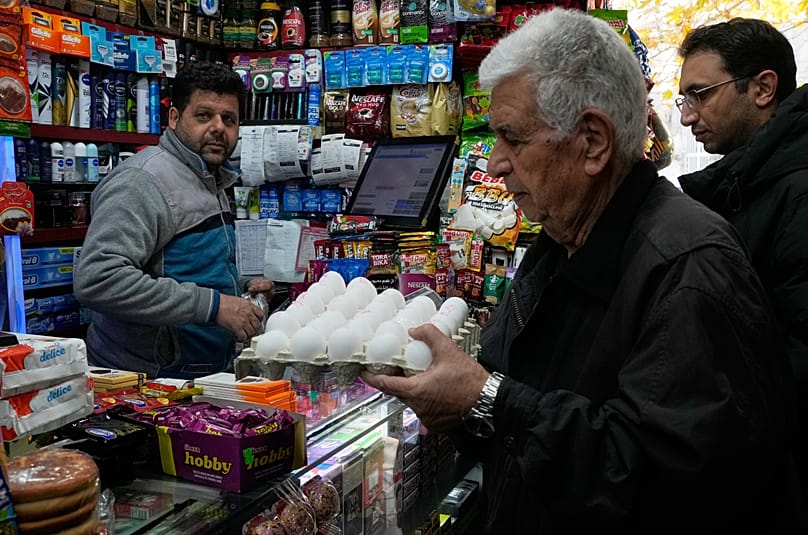
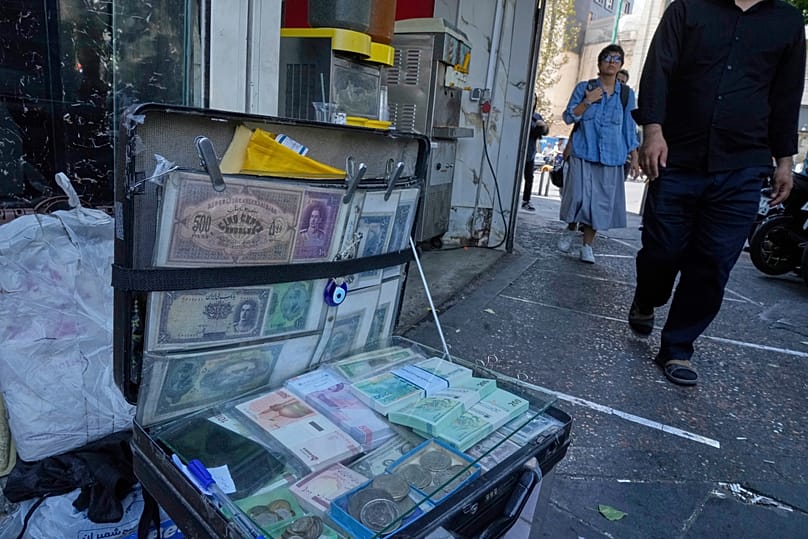
The trigger for the protests was Iran’s worsening economic crisis. The sharp fall in the value of the rial, the national currency, has translated into what people describe as hourly price hikes for staples like eggs and cooking oil, reinforcing a perception that the country is on the brink of collapse.
As unrest has widened, there have been more frequent and increasingly violent confrontations in towns where security forces have used batons, tear gas, and live ammunition.
Speaking to RFE/RL’s Radio Farda on January 8, a protester in the western town of Qorveh said the streets in the town of some 87,000 people are “filled with security forces.”
The protester, speaking on condition of anonymity for fear of retribution, said security forces have been unable to stop the protests because of the sheer number of people participating.
Symbols, Strikes, And The Risk Of Escalation
In several cities, including Kerman in the southeast and Kashan in central Iran, demonstrators have toppled or defaced statues of Qasem Soleimani, the top Iranian general who was killed in a US air strike in 2020. The acts signal a direct challenge to one of the clerical system’s central martyrs.
Protesters in Mashhad tore down the national flag and ripped it to shreds on January 7. Iran’s current national flag was adopted after 1979, and critics of the Islamic republic refer to this flag as the regime’s flag, not the country’s.
Anxiety is visible in the streets across Iran and has spilled into family WhatsApp and Telegram groups, where arguments over “what comes next” and whom to support have become a daily and often heated ritual.
Questions of leadership, strategy, and alternatives are no longer confined to activist channels and have entered everyday conversations among relatives and colleagues.
That debate is sharpened by overt international messaging. The US State Department’s Persian-language account has repeatedly voiced support for the demonstrators. US President Donald Trump has threatened to intervene if the violent government crackdown continues.
As demonstrations entered a 12th day on January 8, social media users in major cities like Tehran, Karaj, Isfahan, Shiraz, Mashhad, and Tabriz reported slow Internet connections. Experts have noted a marked decline in the speed of broadband and mobile Internet.
Amir Rashidi, head of digital rights and security at the US-based Miaan Group, told Radio Farda that the authorities are preparing to shut down the Internet entirely.
The connectivity squeeze coincides with fresh calls by opposition groups for nationwide strikes and street actions on January 8 and 9, raising the prospect that the protests — already the most serious challenge the Islamic republic has faced in years — could spread even further.
EXPLAINER: Iran protests build on decade of economic strain and social unrest

These latest protests in Iran build on nearly a decade of recurring unrest driven by economic collapse, anger over political repression and a growing rejection of the Islamic Republic's social controls, especially compulsory hijab rules.
Demonstrations that began on December 28 over currency freefall and fuel prices have tapped into grievances that surfaced in earlier protest waves in 2017-2019 and during the 2022 Mahsa Amini movement.
The immediate trigger for the current unrest was a sharp slide in the rial and a rise in subsidised petrol prices in early December, which pushed up the cost of food and daily necessities for already strained households.
Bazaar traders in central Tehran staged walkouts as the rial hit record lows against the US dollar, and protests quickly spread from the capital's major markets to other cities.
Years of US sanctions, state mismanagement and corruption have eroded living standards, with inflation around 40% and unemployment high among the young, turning economic complaints into broader calls for political change.
Recent protests echo and sharpen themes seen since the late 2010s, when working-class demonstrations over rising prices in 2017-2019 gradually evolved into openly anti-regime rallies.
Chants such as "Death to the dictator" and slogans criticising spending on regional proxies instead of domestic needs have become recurring features, signalling what researchers describe as a secular shift in public sentiment even in smaller towns.
The September 2022 death of Mahsa Amini in morality police custody over alleged hijab violations then turned hijab defiance into a symbol of resistance to the entire system, with women and young people playing a prominent role in protests across all provinces.
The new wave since late 2025 has also been shaped by Iran's regional confrontation and security climate, including the costly conflict with Israel and the risk of wider war. Many protesters link economic hardship to foreign policy, arguing that resources devoted to military and proxy activities abroad should instead address domestic shortages, blackouts and deteriorating public services.
Disillusionment has extended to President Masoud Pezeshkian, elected in 2024 on pledges of better governance and looser internet restrictions, but now criticised by some demonstrators for failing to prevent power cuts and for presiding over a harsher security environment.
Monarchist slogans and public references to exiled crown prince Reza Pahlavi have become more visible, marking an ideological shift since earlier economic protests.
Pahlavi has used social media and foreign platforms to call for coordinated nationwide protests and present himself as a potential transitional figure, a message that has resonated with segments of the bazaar and urban middle class frustrated with both hardliners and reformists.
Historical parallels with the 1979 revolution, when bazaar merchants helped mobilise against the monarchy, are frequently cited in coverage of current strikes in Tehran's Grand Bazaar and other commercial hubs.
State response has followed a familiar pattern: use of security forces and Revolutionary Guard units to suppress demonstrations, combined with extensive internet shutdowns and restrictions on mobile and fixed-line communications.
Rights groups report rising arrest numbers and an execution rate that has doubled since 2022, arguing that capital punishment is being used to deter protest activity and silence dissent.
.jpg)
January 9, 2026
By Mahmoud Hakamian
The nationwide uprising against the religious dictatorship in Iran has entered its twelfth day on Thursday, January 8, 2026. Sparked on December 28, 2025, by the collapse of the rial and soaring inflation, the movement has rapidly evolved from economic grievances into a full-scale revolution seeking the overthrow of the regime.
Following a historic eleventh day, the uprising has shown no signs of abating. On Thursday, the scope of dissent broadened significantly with general strikes gripping major commercial centers across the country, while the regime’s brutality reached new heights in western Iran.
On Thursday, January 8, 2026, the uprising faced a violent turning point. As night fell, the regime resorted to a nationwide internet blackout to hide its crimes, while protesters escalated their resistance by targeting symbols of oppression.
Key highlights from today include:Internet Blackout: NetBlocks confirmed a nationwide internet blackout and specific disruptions in Kermanshah, hindering communication as casualties rise.
Regime Centers Torched: In a significant escalation, protesters set fire to the headquarters of the state broadcaster in Isfahan and the governorate building in Gorgan.
Active Resistance in Tehran: Rebellious youth in the capital set fire to Basij bases in Mehrabad and IRGC vehicles at Sattarkhan Bridge and Naziabad.
Massacre in Lordegan: Mrs. Maryam Rajavi honored the eight protesters killed in Lordegan who stood to block regime reinforcements.
Foreign Mercenaries: Reports indicate the regime has deployed Arabic-speaking members of Iraq’s Hashd al-Shaabi to aid the IRGC in Kermanshah.
Nationwide Strikes: Markets in dozens of cities, from Kurdistan to Hormozgan, observed a full strike on Day 12.
Update—22:00 CET
Nationwide Internet Blackout as Regime Loses Control; State Broadcaster HQ Torched in Isfahan
As the uprising intensifies on its twelfth night, the regime has resorted to a total digital blockade. NetBlocks reports confirmed that Iran is now in the midst of a nationwide internet blackout, with specific loss of connectivity on the TCI backbone in the restive city of Kermanshah. This measure comes amid rising casualties and indicates the regime’s panic over the spreading protests.
Despite the blackout and lethal crackdowns, the fearless youth of Iran have escalated their defensive measures. In Isfahan, protesters set fire to the headquarters of the state broadcaster, a primary apparatus of the regime’s propaganda machine. Additionally, a Basij base in the city was set ablaze after it dispatched forces to quell demonstrations.
Maryam Rajavi, President-elect of the NCRI, hailed the martyrs of the uprising, stating: “The deepest respect of the risen people of Iran goes to the eight vanguard protesters who were killed last night… Their sacrifice will only strengthen the nation’s resolve for change.”
Tehran: Capital in flames as youth target Basij bases and vehicles
Nightly protests have engulfed the capital, spreading to neighborhoods across the city including Sadeghiyeh, Haft Howz, Pirouzi, and Ferdows Boulevard.
The youth of Tehran have moved beyond chanting to active confrontation with the regime’s suppression apparatus:Mehrabad: Protesters set fire to a Basij base after security forces attempted to attack their demonstration.
Sattarkhan Bridge: Demonstrators set fire to vehicles belonging to the IRGC Basij forces.
Naziabad: Repressive forces fled the scene after failing to quell the crowd; protesters subsequently set fire to the agents’ motorcycles.
Kashani Blvd & Sadeghiyeh: Huge crowds gathered, chanting “Down with Khamenei” despite heavy security measures.
Kermanshah: Live fire in Dareh Deraz; Protests persist despite casualties
Kermanshah remains a war zone tonight. Reports from the Dareh Deraz district confirm that the regime’s security forces are continuing to shoot live rounds at protesters. Several demonstrators have been critically wounded, yet the people are refusing to retreat, continuing their rallies and resisting the crackdown.
Massive rallies continued in the Shahrdari district and other parts of the city. Despite the brutality, a huge protest column marched through the streets, chanting “Down with the dictator.”
Mashhad: “We won’t have a country as long as the mullahs are in power”
In northeast Iran, the holy city of Mashhad has seen massive nightly turnouts. A huge crowd gathered in Vakil Abad district, chanting, “Freedom, freedom, freedom!” and “We won’t have a country as long as the mullahs are in power!”
In the Nodeh district, protesters set fire to a police kiosk used by security forces after agents tried to suppress the demonstration. In Haft-e Tir Boulevard, the chants of “This is the year of blood, Seyyed Ali [Khamenei] will be overthrown” echoed through the night.
Northwest Iran: Lethal force in Ardabil and Sanandaj; “No to Shah, No to Mullahs” in Urmia
The northwest provinces are witnessing fierce battles.Ardabil: Protests turned into clashes as regime forces used lethal force. At Shariati Square, people resisted tear gas attacks and continued their rally, chanting “Freedom, justice, popular government!”
Sanandaj: Security forces are directly shooting live rounds at protesters, who are taking cover while continuing to chant anti-regime slogans.
Urmia: In a significant political statement, protesters chanted, “Azarbaijan is honorable, Pahlavi does not have honor,” rejecting both the current religious dictatorship and any return to the monarchical dictatorship.
Bijar & Qorveh: In Bijar, protesters set fire to a regime building tasked with suppression. In Qorveh, demonstrators burned regime monuments and symbols.
Northern Iran: Governorate torched in Gorgan; Rasht turns the tide
In the northern provinces, the fear has shifted to the regime’s camp.Gorgan: Protesters set fire to the regime’s governorate building.
Rasht: Local reports state that the tide is turning against the regime; protesters attacked regime buildings after security forces failed to quell the demonstration.
Karaj (Gohardasht & Mehrshahr): Security forces opened fire on protesters in Gohardasht. Meanwhile, in Mehrshahr, rallies continued with chants of “This is the year Khamenei will be overthrown!”
Southern and Western Fronts: Defiance in Shiraz, Ahvaz, and Eslamabad-e Gharb
Protests remain intense in the south and west of the country.Shiraz: In Ma’ali Abad, protesters forced repressive forces to flee and set fire to their abandoned motorcycles.
Eslamabad-e Gharb: Protesters set fire to a regime building in response to repressive measures and chanted “Down with Khamenei!”
Ahvaz & Andimeshk: Clashes with security forces were reported in Ahvaz, while huge crowds gathered in Andimeshk in defiance of the brutal security presence.
Kangan: Security forces are shooting directly at unarmed protesters, who are fighting back with rocks.
Update—18:30 CET
Kermanshah: Regime deploys Hashd al-Shaabi mercenaries; Forces flee in Dolatabad
As night fell on the twelfth day of the uprising, Kermanshah (western Iran) became a primary flashpoint of conflict. Protests have erupted across multiple districts, including Dareh Deraz, Maskan, and Dolatabad.
In the Dareh Deraz district, heavy clashes are underway between protesters and security forces. The regime’s agents are reportedly using live ammunition to quell the demonstrations, yet the people continue to resist, chanting “Down with Khamenei!” and setting up roadblocks.
In a sign of the regime’s crumbling morale and lack of manpower, local reports confirm that members of Iraq’s Hashd al-Shaabi (PMF), speaking Arabic, have been spotted participating in the suppression alongside the IRGC. This reliance on foreign proxies indicates the regime’s growing desperation in confronting the nationwide uprising.
Despite this brutality, the people are pushing back. In the Dolatabad district, the sheer size of the anti-regime demonstration forced the regime’s security forces to flee the scene. In the Maskan district, nightly rallies continue despite a heavy security presence.
Lumar and Gilan-e Gharb: Regime buildings torched and roadblocks set
In Lumar (Ilam province), the confrontation has escalated significantly. During protests today, demonstrators fiercely resisted the regime’s security forces and set fire to regime buildings, signaling a radicalization of the protests in response to the crackdown.
Similarly, in Gilan-e Gharb (western Iran), nightly protests have resumed with intensity. The youth have set up roadblocks to hamper the movement of repressive forces and are chanting “Down with Khamenei!” while engaging in resistance against armed agents.
Qazvin and Kerman: Clashes and barricades
In Qazvin (northwest Iran), the unrest continues as people held anti-regime rallies at Palestine Street. Security forces were dispatched to the area to suppress the demonstration, leading to clashes between the people and the agents.
In Kerman (southeast Iran), a large crowd gathered for an anti-regime protest rally. Demonstrators have set up roadblocks to protect their gathering and resist the regime’s forces.
Protests spread to Isfahan and Hamedan
The geographical scope of the uprising continues to widen. In Pirbakran (Isfahan province), people have poured into the streets to initiate anti-regime protests. Meanwhile, in Hamedan (western Iran), following the morning strikes, large crowds took to the streets to hold protest rallies, defying the atmosphere of repression.
Update—11:00 CET
Lordegan: Regime commits massacre; Protesters block roads in self-defense
In the city of Lordegan (western Iran), the uprising has turned into a bloody confrontation. According to local reports from the PMOI network inside Iran, security forces launched a widespread crackdown on rallies that had continued from the previous night into the early morning. Protesters fiercely resisted the regime’s repressive machinery.
During these heavy clashes, regime forces opened fire, resulting in the martyrdom of eight protesters. However, the rebellious youth stood their ground in self-defense; reports indicate that a regime colonel and two Basij agents were killed during the street battles. To prevent the regime from dispatching reinforcements to the city, brave protesters have blocked the Ahvaz road.
General strikes paralyze Kurdistan and Western Iran
A massive wave of strikes has swept across western Iran, particularly in the Kurdistan province. Reports from the early hours of Thursday indicate a total shutdown in Sanandaj (Saneh), the provincial capital. Video footage from the city confirms that the markets are empty and shops are shuttered.
The strike has spread to numerous other cities, including:Divandarreh, Marivan, and Baneh: Full strikes reported.
Mahabad and Paveh: Shop owners have refused to open their businesses, joining the 12th day of the uprising.
Sarpol-e Zahab and Ravansar: Markets are completely closed.
Tabriz, Bandar Abbas, and Ilam join the nationwide boycott
The commercial strike is not limited to the west. In Tabriz (northwest Iran), the historic covered bazaar remains on strike for the second consecutive day, signaling a deepening rift between the traditional merchants and the regime.
In Bandar Abbas (southern Iran), a complete strike has been reported today. Similarly, in the city of Ilam, the shutdown is widespread, with merchants and shopkeepers uniformly joining the nationwide movement. Reports also confirm that shopkeepers in Sabzevar, Neyshabur, and Fardis have joined the strikes.
Rallies in Lumar and Hamedan: “Mullahs must get lost!”
While bazaars remain closed, people have taken to the streets in several cities. In Lumar (Ilam province), a huge crowd gathered this morning to mark the twelfth day of the uprising. The protesters were heard chanting the slogan, “Mullahs must get lost!” rejecting the entirety of the theocratic rule.
In Hamedan, citizens gathered in Ekbatan Street, initiating protest rallies and demonstrating that the suppression in other cities has failed to silence the public’s demand for freedom.
Mahmoud Hakamian writes for The People’s Mojahedin Organization of Iran (PMOI), also known as Mujahedin-e-Khalgh (MEK)
Iran's Khamenei accuses protesters of pleasing Trump amid ongoing unrest
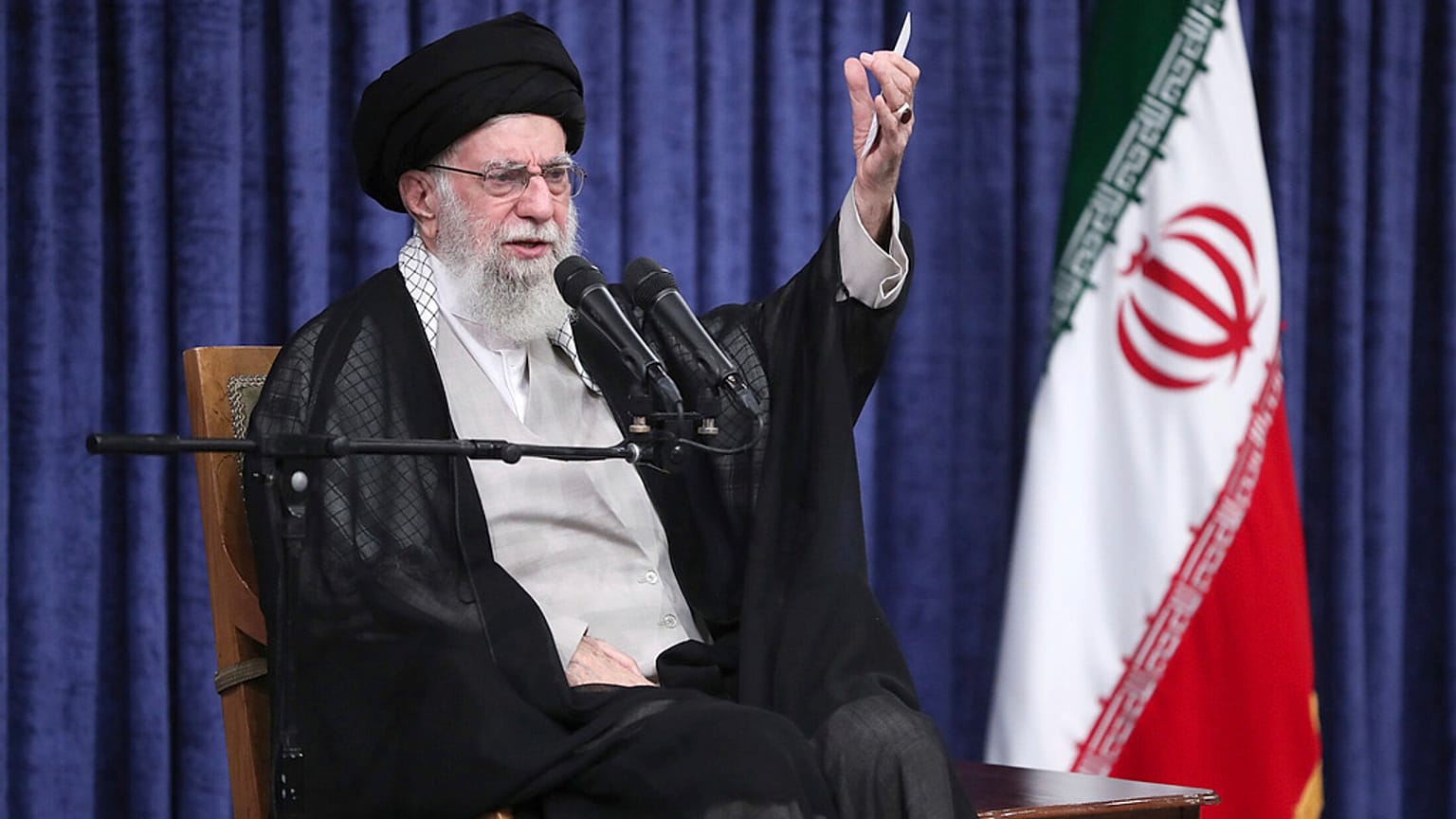
Ayatollah Khamenei laid the blame on the US president for fomenting unrest as protests across Iran continued despite the internet blackout after exiled Crown Prince Pahlavi called for mass demonstrations demanding freedom.
Iran's Ayatollah Ali Khamenei accused protesters of "ruining their own streets to make the president of another country happy" in reference to US President Donald Trump, as demonstrations continued into Friday despite a nationwide internet and telephone blackout.
The 86-year-old leader of the regime in Tehran signalled authorities would crack down on demonstrators during a brief televised address, as an audience shouted "Death to America".
Protesters marched through Tehran and other cities on Thursday night after exiled Crown Prince Reza Pahlavi called for mass demonstrations. Short videos shared by activists showed demonstrators chanting against the government around bonfires as debris littered the streets.
Iranian state media broke its silence Friday over the protests, claiming "terrorist agents" of the US and Israel set fires and sparked violence. State television said there were "casualties" without providing details.
The communications blackout prevented independent verification of the demonstrations' scale, though the unrest represents the most significant challenge to Iran's government in several years. Protests have intensified since beginning December 28 over the country's deteriorating economy
At least 42 people have been killed in violence around the demonstrations while more than 2,270 have been detained, according to the US-based Human Rights Activists News Agency.
Crown prince says Iranians 'demanded their freedom'
Pahlavi, whose terminally ill father fled Iran before the 1979 Islamic Revolution, called for protests Thursday night and repeated his appeal for demonstrations at 8 pm local time (6 pm CET) Friday.
"What turned the tide of the protests was former Crown Prince Reza Pahlavi's calls for Iranians to take to the streets," said Holly Dagres, a senior fellow at the Washington Institute for Near East Policy. "This is exactly why the internet was shut down: to prevent the world from seeing the protests."
When 8 pm struck Thursday, neighbourhoods across Tehran erupted in chanting, witnesses said. Demonstrators shouted "Death to the dictator" and "Death to the Islamic Republic," while others praised the shah, crying "This is the last battle, Pahlavi will return" before communications ceased.
"Iranians demanded their freedom tonight. In response, the regime in Iran has cut all lines of communication," Pahlavi said, calling on European leaders to join Trump in holding the government accountable and restore communications.
State television claimed protests caused casualties and saw "people's private cars, motorcycles, public places such as the metro, fire trucks and buses set on fire."
Iran's currency, the rial, collapsed in December to 1.4 million against the dollar as sanctions tightened and the country struggled following the June 12-day conflict with Israel. Protests began soon after.
Trump warned last week that if Tehran "violently kills peaceful protesters," the US "will come to their rescue". In an interview on Thursday with Hugh Hewitt, Trump said Iran has been told "even more strongly than I'm speaking to you right now, that if they do that, they're going to have to pay hell.
Trump declined to say whether he would meet Pahlavi, telling Hewitt, "I'm not sure that it would be appropriate at this point to do that as president. I think that we should let everybody go out there, and we see who emerges."
Speaking to Sean Hannity on Fox News Thursday night, Trump suggested Khamenei may be considering leaving Iran, saying, "He's looking to go someplace. It's getting very bad."
Iran gripped by protests, dozens killed, entirely offline

Well over a million people took to the streets in Iran on the evening of January 8, with at least 50 killed by the state security services, as the country teeters on the edge of a full-blown revolution to topple the Islamic Republic.
At the time of writing, the country remains disconnected and on the edge. The authorities have reportedly used live rounds on the crowds, according to human rights groups.
Shots were reportedly fired in Tehran, and a reported 50 were killed in the town of Fardis, according to online groups.
Some fifty anti-regime protestors were reportedly gunned down after security forces opened up on a crowd in the city of Fardis using a heavy machine gun mounted on the back of a Toyota truck. The report is unconfirmed, but the video shared widely on social media appears to show a street strewn with corpses of young protestors.
Prior to the January 8/9 demonstrations, 47 protestors were reported killed over the last fortnight, with the number of those killed increasing in recent days as clashes with police and security services increased in areas in the west and south of the country.
Return of the king
The mass demonstrations were sparked by a televised call by former crown prince Reza Pahlavi for the people of Iran to come onto the streets at 8pm local time.
After the broadcast, the people answered the call, and the scale of the protests escalated rapidly and dramatically.
Pahlavi specifically addressed Iran’s armed forces, calling on them to abandon the regime and “protect the people”. He asked them to scan a QR code broadcast onscreen on Iran International Live on TV to register their defections from supporting the regime.
However, he said that those members of the military who failed to register could face retribution from a post-regime-change government. “It is your last chance,” Pahlavi warned.
The speech appears to have been watched by most of the country and was also simultaneously broadcast from loudspeakers in many of the major cities of the country.
The crowds have been chanting for the return of the monarchy, but it remains unclear if there is genuine support for Pahlavi or if the chant are simply an expression of defiance and a poke in the eye to the ruling theocracy, which took over in the 1979 revolution when the previous shah fled the country for the US.
The crowds have also been chanting: “Do not be afraid. We are all together,” reviving a vintage slogan from previous large-scale demonstrations from 2009 and 2022, when hundreds of protestors were killed during a violent suppression of large-scale anti-regime demonstrations.
Exiled crown prince Reza Pahlavi gave a speech broadcast across Iran calling for the people to take to the streets and for the military toswitch sides that sparked the mass protests.Senior figures
Supreme leader Ali Hosseini Khamenei, 86, is currently unknown, but reports indicate that other senior figures in the regime have either fled or are seeking French visas for themselves and their families, Le Figaro previously reported in France.
“Since 24 hours ago, high-ranking dignitaries from the reformist clan – including the president of the Islamic Assembly – have been attempting to obtain French visas for their families via a Parisian lawyer” Iranian-French journalist Emmanuel Razavi said on Le Figaro’s Points de Vue programme.
Reports from Lebanese media claim that the Iranian Foreign Minister Abbas Araghchi arrived in Lebanon under the pretence of a normal state visit, but is accompanied by his wife and children. He left Iran on a small private jet, as pictured in official photos.
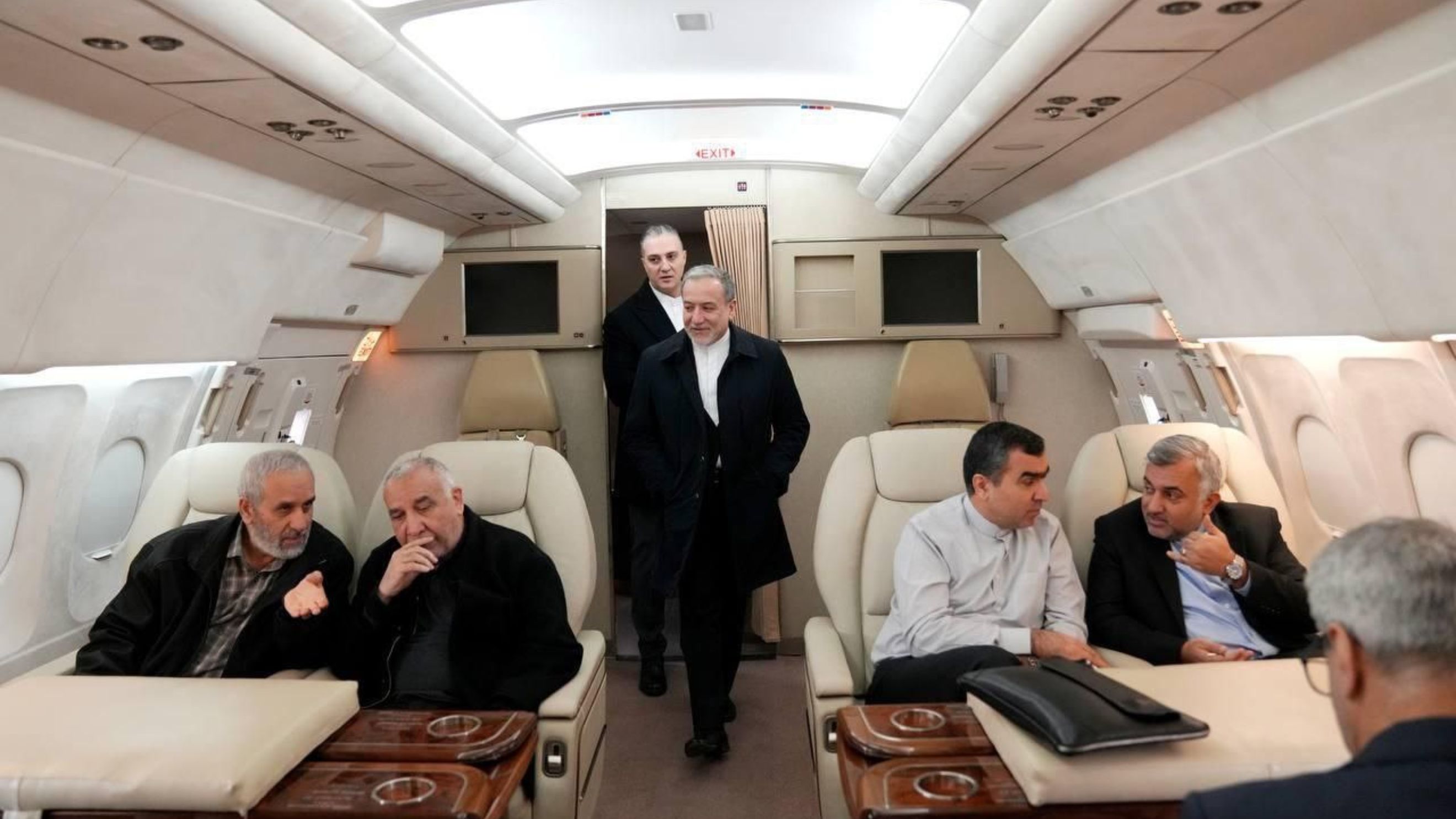
Those travelling with him included his new wife, Arezoo Ahmadfand, his daughter, Sadat, and his sons, Hossein and Reza. According to the reports, Araghchi and his family are expected to remain in residences designated for Iranian diplomats in Lebanon for an unspecified period.
Regional cities in uproar
The protests were biggest in the capital as tens of thousands took to the streets, overwhelming the security forces’ ability to control or disperse the crowds. Iranian protesters reportedly attacked a large column of regime security forces in Tehran. In the video below, on Ashrafi Esfahani highway in Tehran, hundreds of people are seen marching towards the Azadi Square area of the city.
Protestors have set ablaze the Islamic Republic of Iran Broadcasting (IRIB) Complex on Boostan Saadi Boulevard in the Central Iranian city of Isfahan, according to BBC Persian.
In the Fars Province, protesters allegedly stormed and took over a facility linked to the elite Iranian Revolutionary Guard Corps (IRGC), which crushes dissent at home and runs ops abroad.
Videos show crowds inside a Husseiniya in Darab, reportedly used as a base for suppression teams, chanting and claiming control. There were clashes popping in nearby cities including Fasa and Neyriz too. Internet blackouts make it impossible to confirm the reports.
A resident of Iran’s Khuzestan province said he received a phone call from Iranian security services with direct threats against his daughter. “I’m ready to sacrifice my daughter for the Iranian people,” he said in a post shared by the Nexta Telegram channel, which played a crucial role in uniting demonstrations in Belarus in 2020. According to him, the security forces promised to boil the child alive if he continued taking part in the protests.
“I am ready to sacrifice my life — and even her life — for the Iranian people,” the man said.
In southern Khuzestan, the demonstrators outnumbered the security guards, who fled in panic.
In the primarily Azerbaijani city of Tabriz in East Azerbaijan province, threatening the stability in Iran spreading into the Caucasus, which is being cautiously watched from Baku.
Total Blackout
An internet blackout has made it difficult to obtain information or verify reports and videos that are leaking out. IntelliNews team of reporters in the Iranian capital have gone offline and is unable to report.
But some information is trickling out via Iranians who have Starlink dishes to connect to the satellite-supported internet. Elon Musk, the owner of Starlink, has reportedly made Starlink access free to use in Iran.
Several reports seeping out of the protests through the night said people were able to connect to "free WIFI," according to internet channels following the protests; however, the source of the unfiltered connection could not be verified by IntelliNews.
The protests began following the collapse of the currency, which shut businesses down, but now it appears they have become increasingly political and are calling for a change in leadership.
According to some commentators, there is a split at the top as liberal reformists like Iranian President Masoud Pezeshkian attempt to negotiate with the protestors, while hardliners want to simply crack down on demonstrators and disperse the crowds by force.
Commentators say that while the response to the demonstration on January 8 has already been bloody, the regime has not yet unleashed the full weight of a weaponised response, which could begin any moment.
While there is at least one report of police in a small regional town laying down their weapons and joining the protests, reportedly, the military, and especially the elite Iranian Revolutionary Guard Corps (IRGC), remain loyal to the cleric-led system.
Iran cuts internet and telephone access nationwide amid protests

Iran has imposed a near-total internet shutdown and disrupted telephone services across large parts of the country as nighttime protests escalated in Tehran and other cities early on January 9.
Data from monitoring group NetBlocks showed connectivity collapsing shortly after crowds responded to a call by exiled crown prince Reza Pahlavi to gather at 8pm local time. Bne IntelliNews can confirm that usually accessed websites including those of government departments have all gone offline.
British-based group NetBlocks said its live metrics showed Iran “in the midst of a nationwide internet blackout”, with traffic dropping to a fraction of normal levels across multiple providers.
Earlier, bne IntelliNews previously reported internet infrastructure company Cloudflare and the IODA project at the Georgia Institute of Technology reported similar abrupt falls in connectivity, indicating that the country was “effectively completely offline.”
The disruption has affected both mobile data and many fixed-line connections, with users in Tehran and provincial cities losing access as protests gathered pace against economic hardship and the clerical establishment.
Telephone services have also been hit, with attempts to call landlines and mobile phones in Iran from Dubai and other locations failing to connect, raising concerns that authorities have restricted parts of the national network.
Iranian expatriates trying to connect with their family and friends in Tehran were unable to connect either via VOIP services like FaceTime, WhatsApp or through more traditional landlines.
Following the disconnections, “Javad”, an Iranian expatriate in Sydney, Australia, said that he had tried to call his siblings and friends but all lines between the countries had been disconnected, bne IntelliNews discovered from a lengthy interview.
He added that, the protests from what he could see from social media were not as large as 2022, but still substantial in the early hours of 2026.
“We continue to see a small amount of traffic, but the country is effectively completely offline,” David Belson, head of data insight at Cloudflare, said, according to TechCrunch on January 8.
Iranian regime's 'iron fist': Internet blackout as protests swell to hundreds of thousands
Issued on: 09/01/2026 - FRANCE24
Protests in Iran began days before the new year and have spread nationwide to more than 170 locations in 25 provinces. With increasing discontent over the faltering economy and protesters now chanting anti-regime statements, Gavin Lee welcomes Ali VAEZ, Director of Iran Project & Senior Advisor at the International Crisis Group. He is emphasising the seriousness of the political crisis in Iran and the current unrest, while noting the factors that prevent a full-fledged revolution.
'A big storm is coming' triggering major upheaval, Iranian analyst tells Euronews
Copyright AP Photo
By Saeid Jafari
Published on 08/01/2026 - EURONEWS
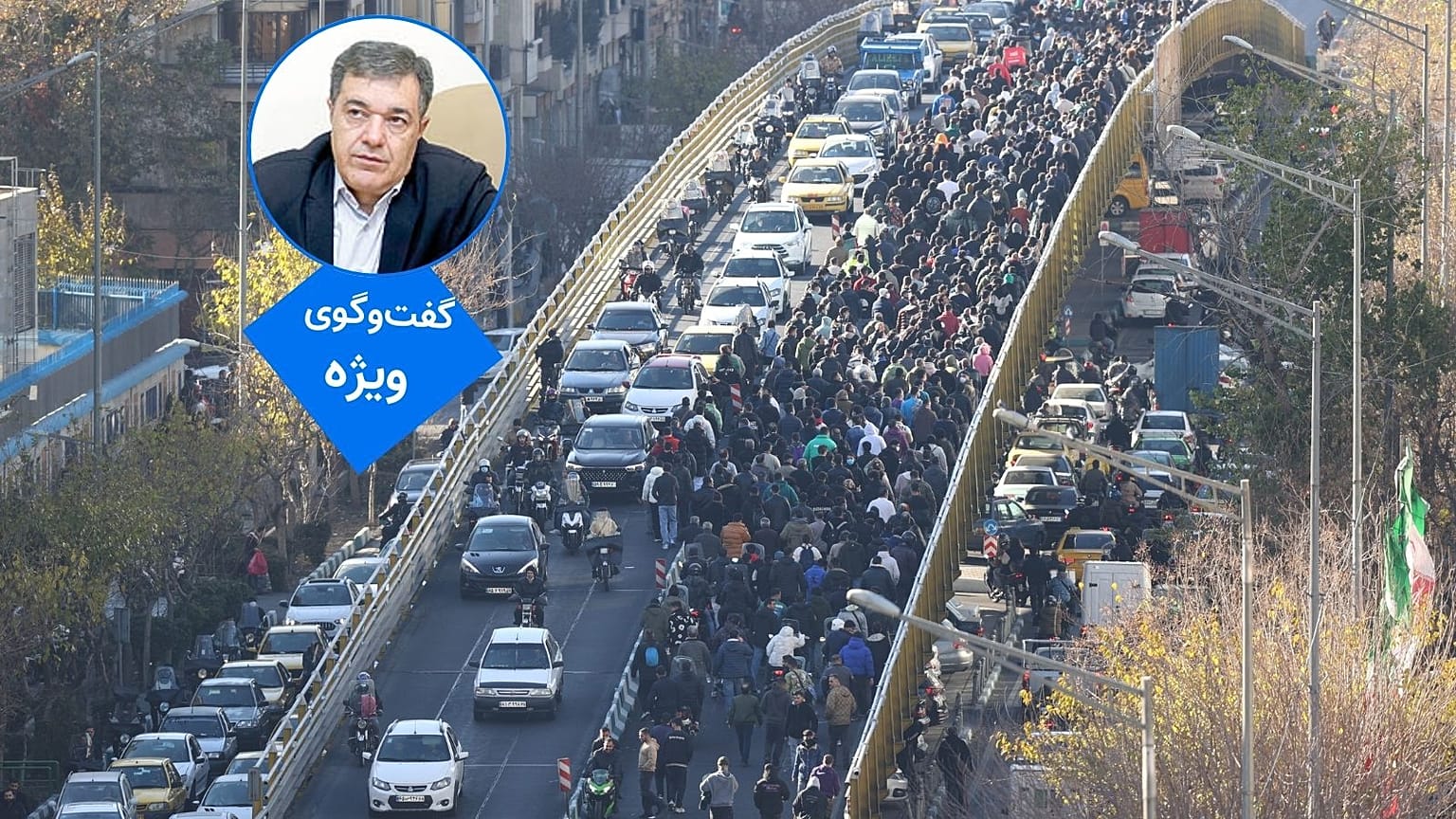
In March 2025, Ahmad Naghibzadeh told Euronews that much of what he foresaw for 2025 would come to pass. Now, he predicts a "big storm coming" Tehran's way.
The retired professor of political science at the University of Tehran predicted Israeli strikes on Iran, the targeting of military commanders, further weakening of the Islamic Republic’s regional position, and the government becoming entangled in domestic unrest — developments that have largely materialised.
Now, some nine months later, Euronews has once again spoken with Ahmad Naghibzadeh, author, translator and former department director at Science Po.
In the interview, Naghibzadeh compared Iran’s current situation to 19th-century Sicily, where, in his words, the mafia controlled the city and argued that the only remaining chance to remain in power for the ayatollah is to remove the “sycophants” surrounding him and replace them with competent, patriotic figures.
Otherwise, he believes, the end of the Islamic Republic is inevitable, as people know conditions will not improve immediately after the current regime is gone, but feel they have no alternative.
Naghibzadeh also warned that unless opposition groups unite and respect the agreed rules of political competition, Iran faces a turbulent future that could be even worse than the present.
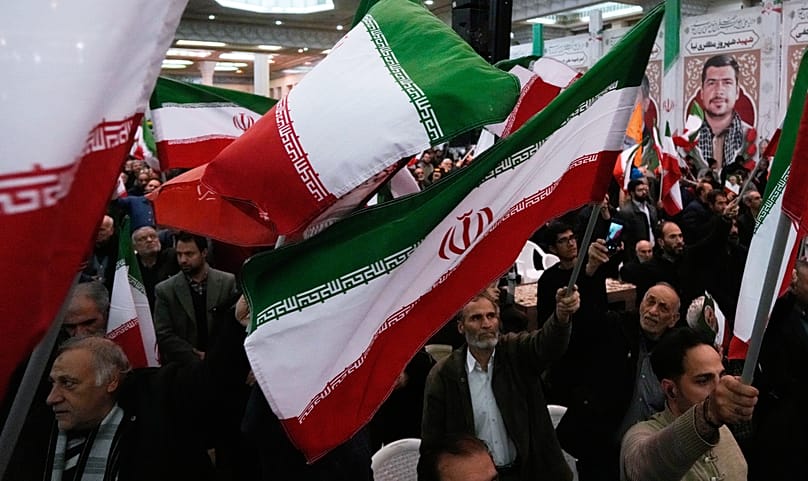
He further predicted that before Nowruz — 20 March 2026 — Israel in coordination with the US will carry out another attack on Iran, after which, in his words, “the end of the tunnel will become more visible”.
Read the full Euronews interview with Dr Naqibzadeh below.
Euronews: In an interview about nine months ago, you presented a picture of Iran's future, surprisingly almost all of which came true. Where do we stand today, and given the challenges that the Islamic Republic is facing, both internally and externally, what are the prospects ahead?
Ahmad Naghibzadeh: Fundamentally, in third world countries — of which we (Iran) are one — since the early 20th century, when internal developments and international pressures converge, they reach a single critical point. When the path to reform is blocked, the doors to revolution open.
When (former President) Mahmoud Ahmadinejad came to power in 2005, those in charge were delighted and felt victorious.
Four years later, when the Green Movement was crushed, they saw it as further proof of their legitimacy. But we knew they were heading toward a dead end.
At that point, the international community had not yet decided how to deal with this regime.
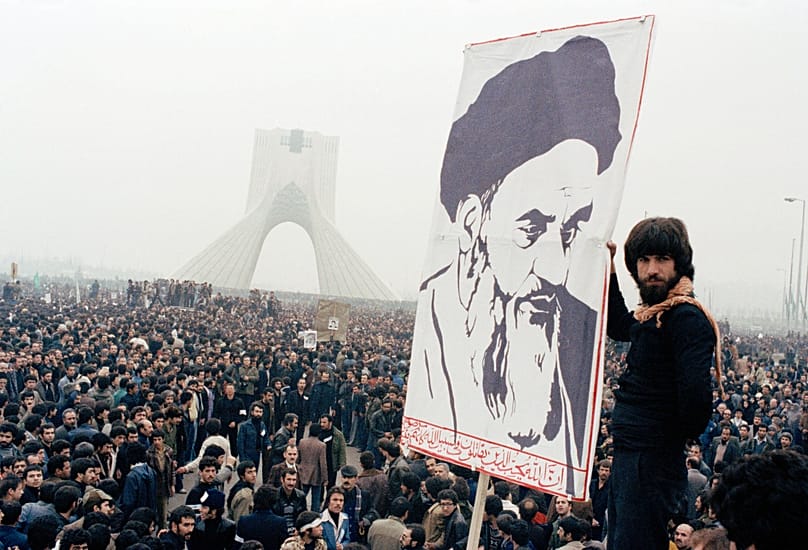
Over time, accumulated domestic discontent combined with foreign policy challenges brought these two trajectories together. Internal dissatisfaction reached its peak, while the international community concluded it could not engage with this regime.
We are now approaching a moment where a spark ignites a fire. What happens after that fire, no one knows — but the position the ruling system is in today resembles the final days of Shah (Reza Pahlavi’s) rule.
If we examine it more closely, we must compare it with the period when the shah appointed an unpopular and unworthy figure, Sharif Imami, as prime minister.
While the shah had the opportunity to consider some recommendations and choose someone who could improve the situation, to announce that free elections would be held, he himself delegated part of his authority, he did not, and gave in to real changes when it was too late.
These are the conditions today as well; instead of turning to the people after the 12-day war to improve the situation, the gentlemen showed their iron fist by appointing unpopular figures and returning to factory settings.
Euronews: So you believe that the Islamic Republic is finished and there is no longer any hope that it can come out of these crises safely?
Naghibzadeh: The only possible solution — if any — would be for the Supreme Leader to sweep away the flatterers around him, send them to the Lut desert, and replace them with capable, Iran-loving individuals.
They would need to announce free elections next June with the participation of all political currents and parties. This is the only path that might change the atmosphere.
This was the mistake the shah also made. If in September 1978 he had announced free elections and political freedoms, the country would not have descended into chaos. But he acted too late.
In the Islamic Republic, those in power take actions that backfire, only fueling their own fire. After the war, they appointed individuals who were widely despised. Instead of arresting and prosecuting thieves, they attack hospitals.
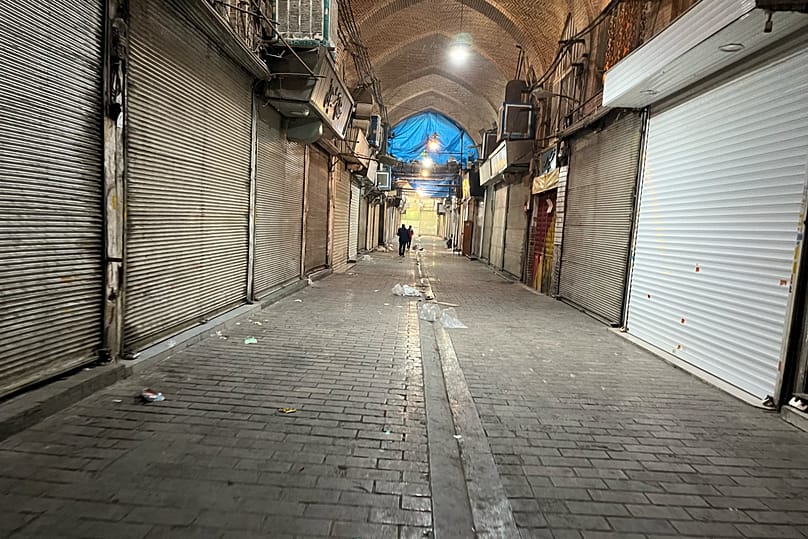
Therefore, the outcome of this trajectory is entirely clear: a storm is coming—one that will sweep many things away.
This storm will also mark the end of Safavidism in Iran. Ultimately, there will be no alternative but to repeat what happened in Europe: resolving the conflict between religion and the state in favour of the state.
This process began during the era of Shah Reza but was never completed. This time, however, it will reach its final conclusion, and I am confident that the country’s youth will declare the end of Safavidism in Iran.
Euronews: How likely is an internal transformation from within the system — for example, a military coup or a “Napoleonic” figure emerging from the armed forces?
Ahmad Naghibzadeh: The likelihood of such a scenario is extremely low. They have neither left anyone with that kind of capacity, nor does such a will fundamentally exist. More importantly, the people themselves would not accept such a figure; they are one side of the equation, and they would have to accept him.
So who exactly are they supposed to bring forward? Regimes of this kind are surrounded by nothing but sycophants.
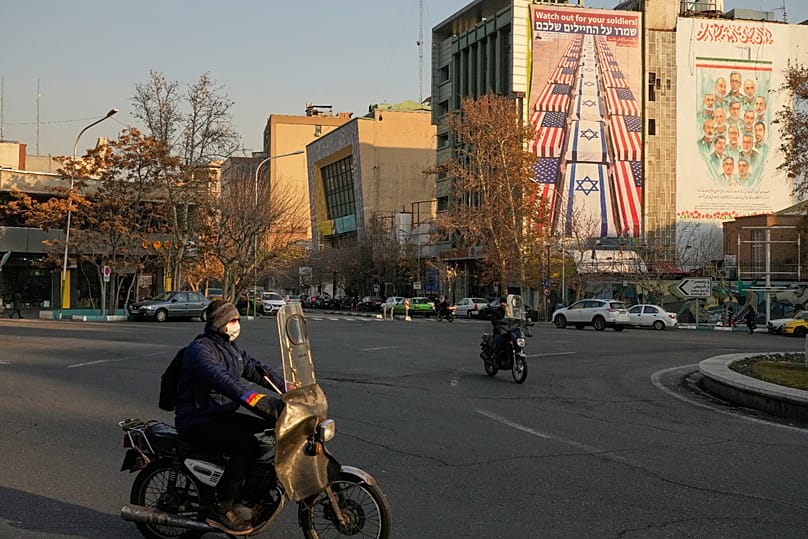
That is why I say the leader would have to pick up a bucket and a broom and dump all the riffraff he has gathered around himself into the trash and throw them into the Lut desert.
If there had been even one person who genuinely cared about Iran, Islam, and this very system, they would have either been immediately removed or sidelined and prevented from doing their job. As a result, they have ensured that no such capable figure remains anywhere near them.
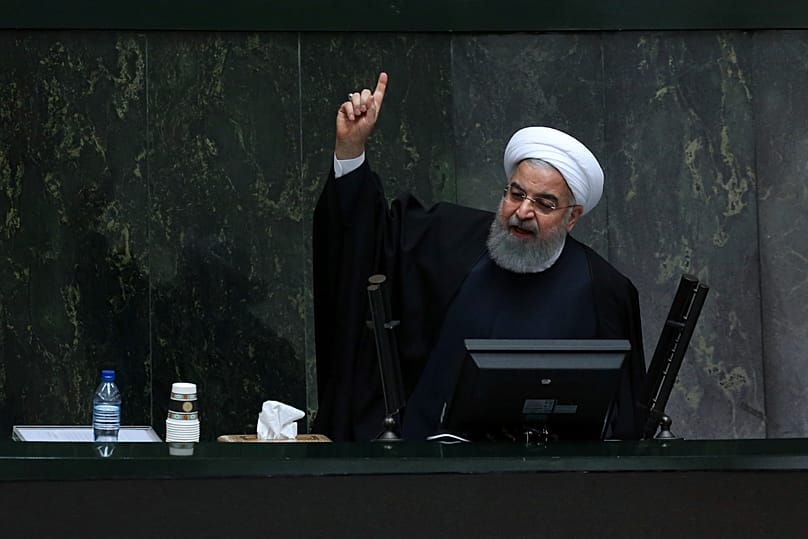
Euronews: Former president Hassan Rouhani has become more vocal since the 12-day war. Could he, or similar moderate figures, be a viable option in a moment of deadlock?
Naghibzadeh: If he steps forward, security forces will kill him within the first week. I say "the system," but in reality there is no coherent system left. Hardliners would eliminate Rouhani immediately.
These strongmen themselves brought foreigners into the country and armed them to stage a coup d'état in the country after the leadership died. These are such evil people that they won't let Rouhani come and they remove him on the very first day.
Euronews: What about opposition figures abroad? Some point to Reza Pahlavi as an alternative, while others express serious doubts.
Naghibzadeh: Yes, the lack of unity reflects the absence of a clear future vision. Leadership often emerges during struggle.
Consider, of course, that the leader takes shape on the campaign trail. It does not necessarily have to be one person — it could be a collective leadership that forms parties and advances governance.
Euronews: What do you think the international community's view of these developments will be? You made the point that the international community has come to the conclusion that it is impossible to work with the Islamic Republic.
Naghibzadeh: I hope that the international community and major powers have not made dangerous decisions about Iran’s future. Iranians have shown for three thousand years that they know how to manage their own affairs.
But if, God forbid, the international community were to opt for the fragmentation of Iran, or for the emergence of civil war and chaos, it would be deeply frightening and alarming — even imagining such a scenario makes one shudder and robs us of sleep.
Even an approach similar to that used in Afghanistan—simply walking away and leaving the country behind—would make such an outcome plausible.
That said, it must be repeated that responsibility for all of this lies with those who had the opportunity to make the right decisions at the right time and failed to do so. The ultimate responsibility for these consequences rests with the Islamic Republic.
Euronews: Did the 12-day conflict alter the Islamic Republic's approach? At first, it seemed that a bit of space was opening up, but eventually the economic problems, as well as the blockages in the political and civil spheres, recurred.
Naghibzadeh: These gentlemen, through sheer stubbornness and obstinacy, they are inflicting damage on the country. It is astonishing.
While it is obvious to everyone that during the 12-day war they suffered serious blows, they still claimed that they ‘delivered a slap’ and emerged victorious. Even audacity has its limits. The world knows who actually won. What do they take the people for?
Historically speaking, posturing and threatening international powers have never produced results. We have never seen anyone succeed that way.
Even forces far greater than the Islamic Republic failed to emerge victorious from such confrontations. Napoleon and Hitler ultimately collapsed as well — because, fundamentally, it is not possible.
And that is without even considering the fact that you are now facing a Donald Trump who does not care about the United Nations, NATO, Congress, or any institutional constraint.
In a truly extraordinary move, he sends in forces, abducts the president of a country from his own home, and puts him on trial.
Euronews: After the arrest of Nicolás Maduro, some raised the possibility that perhaps it would be Ali Khamenei's turn.
Naghibzadeh: I don’t think a similar arrest would occur in Iran. The situation in Iran and Venezuela is different, but everyone can see this regime approaching its end.
Euronews: How did the Islamic Republic get to this point? What path led us to this situation in which everyone is discussing the government being close to its end?
Naghibzadeh: These self-satisfied clerics, who seem incapable of even conceiving defeat, have always acted as if God is permanently guaranteeing them victory. It is precisely these apocalyptic beliefs that have brought the country to its current state.
This was entirely avoidable. They could have continued governing without precipitating the system's collapse.
During the era of (former President) Hashemi Rafsanjani, despite serious political and civil restrictions — including human rights violations, political killings, and harsh conditions for prisoners — there was at least reconstruction underway and a sense that things were moving forward.
But they gradually sealed off every outlet for Iranians. They left no space open. Wherever there was even the smallest source of wealth, they claimed it for themselves.
The country has been turned into a mafia-style system, where everything operates through rent-seeking and monopolies — from cigarettes to milk, yoghurt and basic dairy products.
This is the same population that endured eight years of war with Iraq without widespread protest, despite immense hardship.
So why can they no longer tolerate the situation today? Because the theft has become visible, and the scandals are now impossible to deny.
Euronews: Will conditions improve after the Islamic Republic? Do we have a clear picture of what will happen afterwards?
Naghibzadeh: No, everyone knows that difficulties will come, but what will people do? What will they wait for? To starve to death, will their purchasing power decrease every day and suffer a gradual death?
People are well aware that, after this government leaves, the situation will not be easy either, and many problems will follow, but they have no choice.
Incidentally, they're not naive optimists to say that after the Islamic Republic, all will be OK.
Euronews: In such a situation, what can opposition groups do to lessen the problems of that transition period?
Naghibzadeh: There is nothing else they can do but unite with each other. They must accept the rule of the game and set the tone that we accept the people's vote on the new government and the constitution. If it doesn't, there will be civil war and turmoil in the country, where conditions will be even blacker than what is seen in the country today.
I repeat: all of this will ultimately be attributed to the Islamic Republic, just as the 1979 revolution was ultimately attributed to the shah.
Euronews: In light of what happened in Venezuela, some have suggested that perhaps because of concerns about the high costs of regime change and the experiences that took place in Iraq and Afghanistan, the US government is thinking of just taking the helm of the system and replacing someone from the same body, provided that it changes the overall approach. How likely is this for Iran?
Naghibzadeh: Absolutely not. The moment the supreme leader disappears, they will tear each other apart.
He is the hook holding them together. Once it breaks, internal conflict will explode. Iran today resembles 19th-century Sicily — surrounded by mafia networks.
I don't think that's the case in Venezuela, and that's how mafia gangs hold power. Strange circumstances have arisen in the country, where we cannot say that there is no government, nor that there is a government.
RelatedTrump says US will 'come to their rescue' if Tehran kills protesters
Rioters 'must be put in their place' following week long protests, Iran's Khamenei says
Euronews: Right now, reports about a possible Israeli attack are also increasing. Does Israel have a benefit to carry out a repeat attack, or would it rather sit aside and watch the Islamic Republic tear itself down?
Naghibzadeh: First of all, the United States and Israel are not separate actors. In my view, Iran will be attacked once again before Nowruz. By then, many things will become clearer, and the end of the tunnel will gradually come into view.
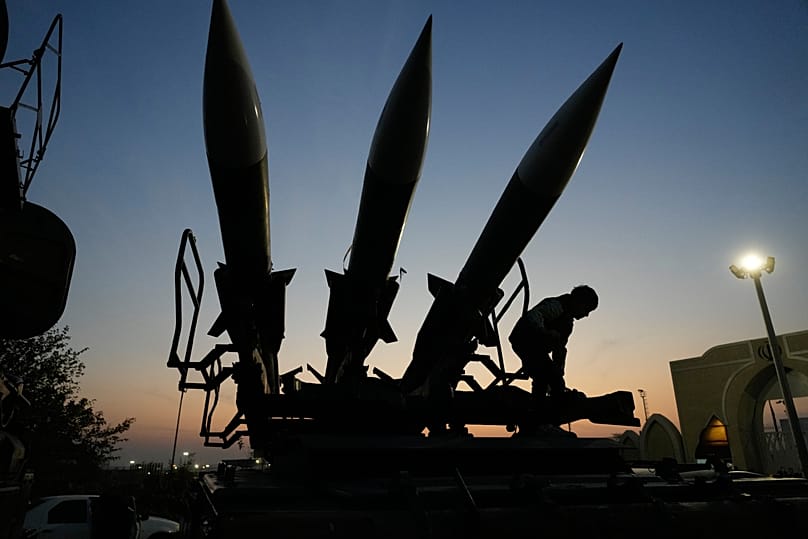
I do believe another strike will take place — aimed at eliminating the remaining elements perceived as threats to Israel, while at the same time accelerating a political transition.
Euronews: Could the ayatollah himself be targeted?
Naghibzadeh: Whether he is directly targeted would not make a material difference. He is not immortal, and his voice already sounds like that of someone seriously ill. That said, I cannot rule out the possibility that he could be targeted.
Euronews: Do you think that after this attack takes place, much of Iran's future will depend on what the world powers decide on Iran?
Naghibzadeh: That is certainly the case. Moreover, we Iranians must recognise that this is a decisive indicator.
Do you think that, if world leaders had not decided at the Guadeloupe Conference that the shah should step down and Mr Khomeini should come to power, this transition would have occurred? It certainly would not have.
We should not fall into misinterpretations. Iranians need to recognise that, precisely after this phase, maintaining close relations with global powers will be essential.
Didn’t the United States intervene in Germany after World War II? West Germany was established, and the country was eventually returned to the Germans.
Euronews: In our previous interview, you pointed to Russia’s role and said that Moscow has significant influence in Iran and is unlikely to simply walk away from it. If a major transformation were to occur in Iran, would Russia permit it so readily? Some Iranian officials also believe they can survive the remaining three years of a Trump presidency by pursuing a policy of “strategic patience,” with support from China and Russia. How realistic is this idea?
Naghibzadeh: First, the assumption that they can simply make it through three more years is wishful thinking. Second, in my view, the issue of Russia will be resolved at the highest level.
That is to say, the United States will offer concessions to Russia in exchange for Russia's withdrawal from Iran. At that point, Russia’s role would be largely neutralised, and these changes could take place.
That said, Russia will never completely abandon Iran and will later try to re-enter through other channels. However, I believe that in the course of such developments, the Americans would first inform the Russians and only then proceed with any concrete action.
No comments:
Post a Comment