Meta knowingly harmed children's mental health, US jury decides in landmark ruling
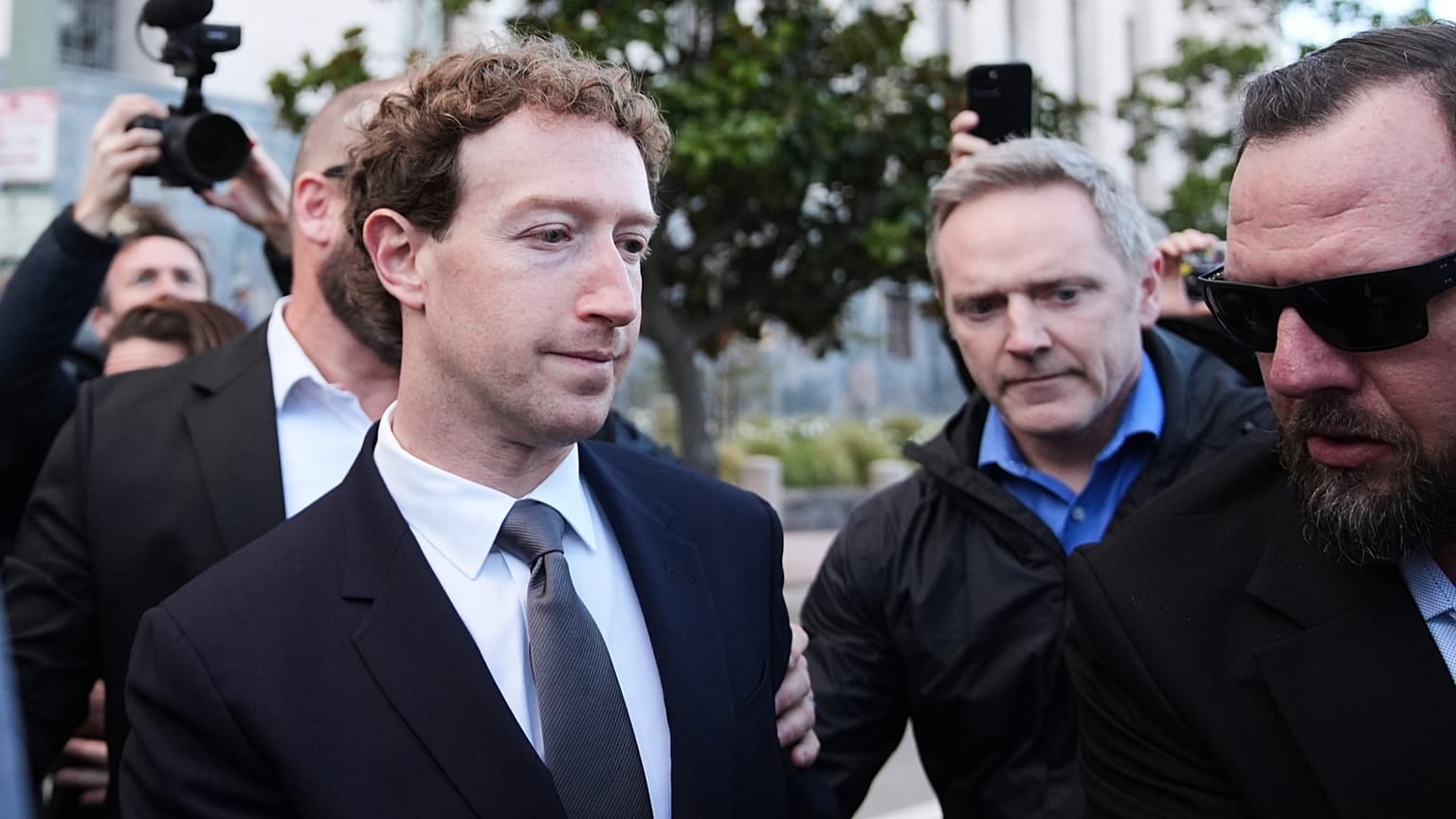
Meta engaged in "unconscionable" trade practices that unfairly took advantage of the vulnerabilities and inexperiences of children, according to a US jury.
A court in the United States issued a $375 million (€317 million) penalty to Meta after it determined that the platform knowingly harmed children's mental health and concealed information about child sexual exploitation.
Jurors determined in their decision, issued on Tuesday, that Meta engaged in "unconscionable" trade practices that unfairly took advantage of the vulnerabilities and the inexperience of children.
The jurors also found there were thousands of violations of the state's Unfair Practices Act, a New Mexico law that protects consumers against unfair business practices.
A Meta spokesperson told the Associated Press that the company disagrees with the verdict and will appeal. “We work hard to keep people safe on our platforms and are clear about the challenges of identifying and removing bad actors or harmful content,” the spokesperson said. "We will continue to defend ourselves vigorously, and we remain confident in our record of protecting teens online.”
Meta will not have to change any of its practices right away. A second phase of this trial, where a judge will decide whether Meta platforms are a "public nuisance" and should pay for public programmes to address harms, will happen in May.
What is the case about?
The lawsuit was first filed in 2023 by Raul Torrez, New Mexico's Attorney General. Torrez said an investigation by his department into Meta platforms found they are "prime locations for predators to trade child pornography and solicit minors for sex".
The Attorney General's office conducted its investigation by going undercover with decoy accounts depicted as 14-year-olds.
It gathered evidence that the platforms directed young users to "a stream of egregious, sexually explicit images," and recommended that children join unmoderated Facebook groups to facilitate commercial sex.
The lawsuit also said Meta hasn’t fully disclosed or addressed the dangers of social media addiction. Meta hasn’t agreed that social media addiction exists, but executives at trial acknowledged “problematic use” and say they want people to feel good about the time they spend on Meta’s platforms.
The jurors for this case examined internal correspondence and Meta reports about child safety.
They also heard testimony from Meta executives, platform engineers, whistleblowers, psychiatric experts and safety consultants.
The jury asked whether social media users were misled by specific statements about platform safety from executives, including Meta CEO Mark Zuckerberg, Instagram head Adam Mosseri and Meta global head of safety Antigone Davis.
Jurors also considered Meta's failure to enforce its ban on users under 13, the role of its algorithms in prioritising sensational or harmful content, and the prevalence of social media content about teen suicide.
Other lawsuits against Meta
New Mexico’s case was among the first to reach trial in a wave of litigation involving social media platforms and their impacts on children.
More than 40 state attorneys general have filed lawsuits against Meta, claiming it’s contributing to a mental health crisis among young people by deliberately designing Instagram and Facebook features that are addictive.
Jury deliberations are also ongoing for a "bellwether trial" in California that will decide whether Meta and Google platforms are harmful and addictive to children.
That lawsuit was mounted by a 19-year-old identified only by the initials “KGM," who claims her use of Meta's Instagram and Google's YouTube at an early age led to exacerbated depression and suicidal thoughts.
The lawsuit argues the companies made deliberate design choices similar to techniques used at casinos to make their platforms more addictive to children to boost profits.
Meta ordered to pay $375 million over child
exploitation in landmark verdict
A New Mexico jury on Tuesday found social media giant Meta liable for making children vulnerable to predators and other online dangers across its platforms, marking one of the first major jury rulings on child safety in the social media era.
Issued on: 25/03/2026
By: FRANCE 24

A New Mexico jury on Tuesday found social media giant Meta liable for endangering children by making them vulnerable to predators on its platforms and other dangers.
The verdict came after roughly a day of deliberations following a six-week trial in which the state accused Facebook and Instagram's parent company of failing to protect minors from sexual abuse, online solicitation and human trafficking.
The state had sought the maximum $2.2 billion in damages, but the jury awarded a lesser amount of $375 million.
The case, tried in a Santa Fe court, is among the first involving social media platforms and child safety to produce a jury verdict.
"The jury's verdict is a historic victory for every child and family who has paid the price for Meta's choice to put profits over kids' safety," said New Mexico Attorney General Raul Torrez, who brought the case.
"Meta executives knew their products harmed children, disregarded warnings from their own employees, and lied to the public about what they knew," he added.
Meta said it would challenge the decision.
"We respectfully disagree with the verdict and will appeal," a company spokesperson said.
"We work hard to keep people safe on our platforms and are clear about the challenges of identifying and removing bad actors or harmful content."
The jury reached its verdict following a trial that heard testimony from 40 witnesses, including employees-turned-whistle-blowers, and reviewed hundreds of documents, reports and emails.
Torrez filed suit in 2023 against Meta – parent company of Facebook, Instagram and WhatsApp – and CEO Mark Zuckerberg, alleging the company failed to protect children from online dangers.
During closing arguments, prosecution attorney Linda Singer told jurors that Meta's algorithms had directed adults toward content posted by teenage users while the company concealed internal findings about the risks to young people.
The jury found Meta violated the state's Unfair Practices Act by misleading consumers about the safety of its products for children.
A second phase of proceedings is scheduled to begin May 4, when a judge will hear the state's claim that Meta should be ordered to pay additional penalties and make specific changes to its platforms and company operations.
A separate jury in California is weighing whether Meta and YouTube should be held liable for harms caused to children on their platforms, including by making them addictive.
That case is considered a bellwether that could influence the outcome of thousands of similar lawsuits against social media companies across the United States.
(FRANCE 24 with AFP)

No comments:
Post a Comment