EURO ELECTIONS
Portugal general election: Ruling AD coalition wins while Chega and Socialist Party tie for seats
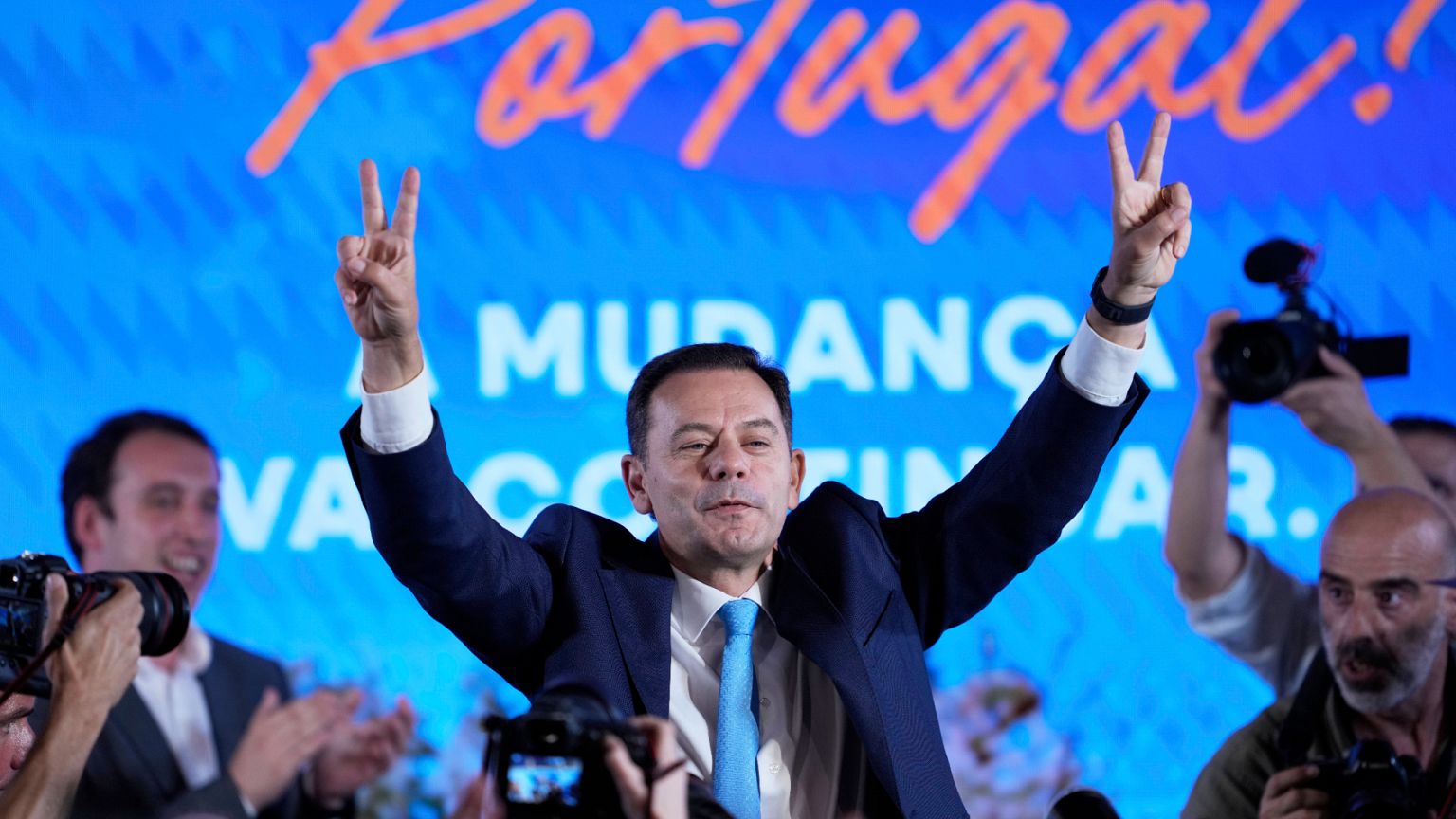 AP Photo/Armando Franca
The final results showed the AD coalition won with 32% of the vote, followed by the Socialist Party at 23%. The far-right Chega party comes in third with 22.56%.
The ruling centre-right coalition Democratic Alliance (AD/PSD-CDS) remained the strongest political force in Portugal, with 32% of votes won in the Sunday general election.
With 99% of the vote counted, far-right party Chega, which earned 22,56%, has managed to nearly become the second-strongest party in the country, nearing the Socialist Party (PS) which won 23,38% of the vote. Both parties will have the same number of seats in the new parliament, 58.
Without a majority of seats the Democratic Alliance, led by the Social Democratic Party, can try to recruit support from smaller parties, currently seen as unlikely, or take office as a minority government as it did during its last term. That leaves it at the mercy of opposition parties combining to bring it down, as happened two months ago.
The election on Sunday was triggered by the Portuguese parliament's vote of confidence, ordering the resignation of the PSD/CDS-PP minority executive a year and a day after the victory of the AD/PSD-CDS coalition in the early legislative elections of March 2024.
The vote took place after two motions of censure, which Prime Minister Luís Montenegro survived, were requested by Chega and the PCP following the controversy involving Montenegro and the family company Spinumviva.
The case raised doubts about compliance with the regime of incompatibilities and impediments for holders of public and political positions.
Political instability
The ballot deepens political uncertainty just as Portugal is considering investing more than €22 billion of EU development funds.
Voter discontent with a return to the polls could benefit the far-right Chega (Enough), which has fed off frustration with the two mainstream parties.
Portugal has been caught up in the rising European tide of populism, with Chega surging into third place in last year’s election.
The government, led by the Social Democrats in an alliance with a smaller party, fell amid a controversy centred on potential conflicts of interest in the business dealings of Montenegro’s family law firm.
Montenegro, who is standing for re-election, has denied any wrongdoing.
He said he left control of the firm to his wife and children when he became PSD's leader in 2022 and has not been involved in its running.
The Socialists demanded a parliamentary inquiry into Montenegro’s conduct.
The Social Democrats are hoping that economic growth estimated at 1.9% last year, compared with the EU’s 0.8% average, and a jobless rate of 6.4%, roughly the EU average, will hold their support steady.
The Portuguese president has urged voters to participate actively in the country’s third general election in three years, saying the continent faces stiff challenges to its security and economy that require political stability.
Only 3.3 per cent of foreigners in Portugal can vote. Will the deportation policy have an impact?
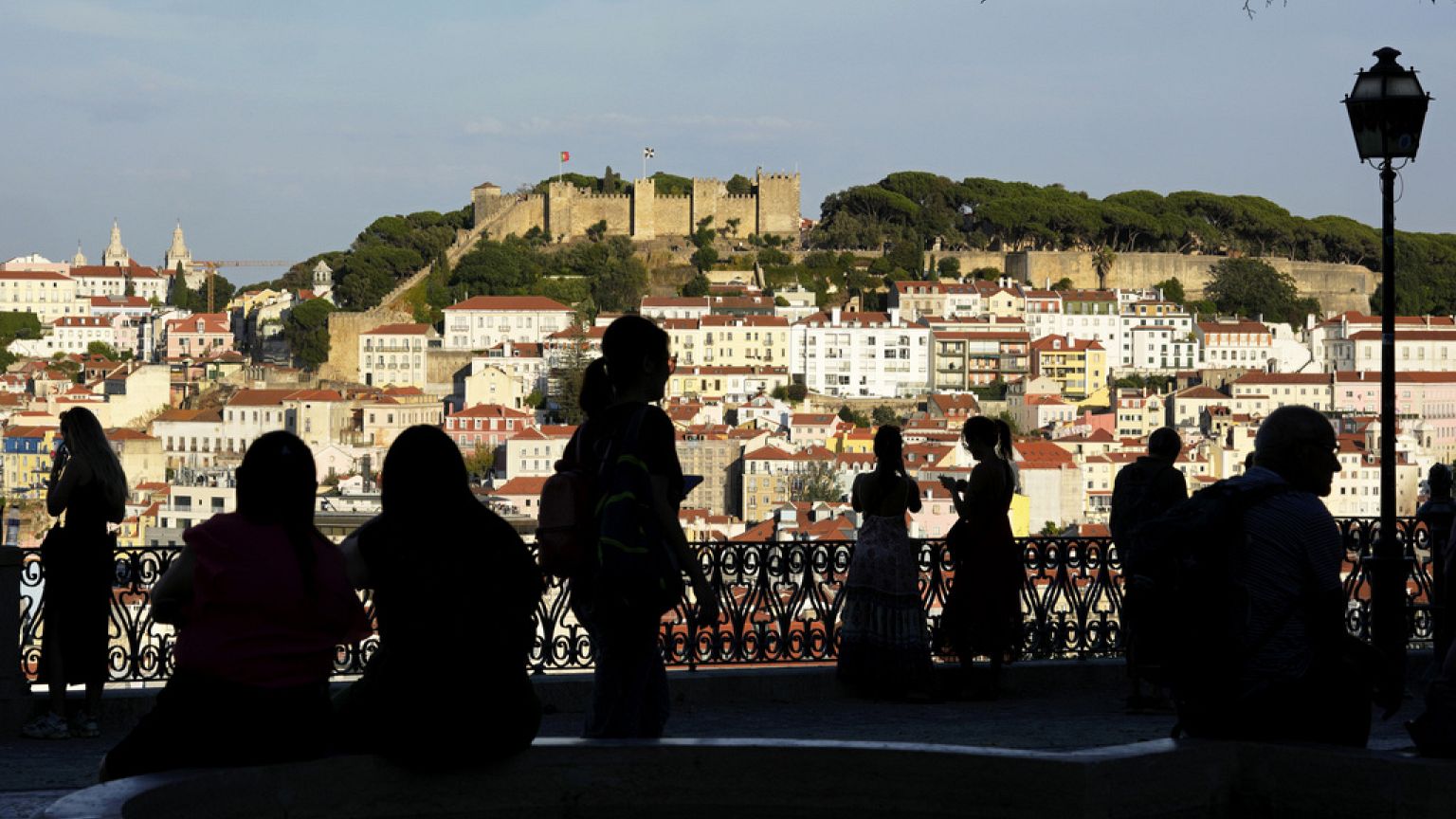
Immigrants have little participation in political life in Portugal. A study points out that this favours populist speeches and compromises integration.
Despite already representing around 15 per cent of the resident population, foreigners accounted for just 0.3 per cent of registered voters in Portugal at the end of 2024, according to data from the Voter Portal of the General Secretariat of the Ministry of Internal Administration (SGMAI).
A study by the Office of Economic, Business and Public Policy Studies (G3E2P) of the Faculty of Economics of the University of Porto (FEP) reveals that immigrants in Portugal have a low level of political participation, which is compromising their social integration and favouring populist anti-immigration discourse.
Of the 1.6 million foreign residents in Portugal, only 34,165 were registered (3.3 per cent). Of these, 16,985 had acquired Portuguese nationality, which guarantees them automatic registration. For the other foreigners, registration is voluntary.
Of the total number of people registered, 15,613 were voters from European Community countries resident in Portugal and 18,552 were voters from other foreign countries. In terms of nationality, the majority were Brazilians (25.03%) and Cape Verdeans (16.89%).
Immigrant membership of Portuguese political parties is marginal or non-existent, as is the case in the rest of Europe, the EFF study also points out. If parties actively recruited immigrants to represent foreign residents, the country's diverse population would be better reflected in Parliament, the researchers say.
Recalling that all foreign residents can naturalise after five years in the country, acquiring broad political rights, the FEP's G3E2P analysis also highlights that the low level of voter registration and participation prevents immigrants' political potential from translating into effective representation.
Illegal immigration marks election campaign in Portugal
Immigration has once again become a hot topic during Portugal's election campaign. More than 10.9 million voters living abroad are expected to go to the polls this Sunday.
Days before the start of the election campaign, the surprise deportation announcement by Luís Montenegro's government, via Presidency Minister António Leitão Amaro, was a "bucket of cold water" for many immigrants.
"Over the next few weeks, we're facing around 18,000 notifications to leave national territory. I should also point out that this is the first set of decisions. We still have another 110,000 cases, most of which will probably be granted, but of those 110,000 still to be decided, we will probably also have more rejections and more notices to leave national territory," the executive spokesperson announced.
One of the flagships of the AD programme, led by Montenegro, is the control of migratory flows and the implementation of a regulated immigration policy.
The AD has been criticised from left to right, with opposition parties accusing Luís Montenegro of "electioneering" and "propaganda" in a dispute over Chega voters. André Ventura's party has insisted on a more populist discourse, claiming that immigrants are a factor of insecurity for the country.
Will deportations weigh on foreign voters?
Elaine Miranda is a hairdresser and came to Portugal 16 years ago from São Luís do Maranhão, in the north-east of Brazil. When she arrived in Lisbon in 2009, she didn't intend to stay, but ended up settling here because she identified with the Portuguese capital due to its similarities to her hometown.
After a week, she soon received job offers and ended up becoming a naturalised citizen, even though the process took a long time. She will be exercising his right to vote on the 18th for the first time. Elaine expects the next government to provide a balanced solution to the problem of unregulated immigration.
"I'm an immigrant and I'm in favour of immigration, but we have to have conditions, there has to be control at all times, and people have to integrate into the community," Elaine told Euronews, rejecting the idea that the announcement of the deportations will influence her vote on Sunday.
Ounísia Santos, a PhD student in Environmental Engineering, has a different view. She came to Portugal from Cape Verde 12 years ago to continue her studies in higher education and became a naturalised citizen in 2021.
When she heard the news about the immigrants being expelled, her first reaction was concern. "It feels like they're coming after you, like a persecution. Portugal has always seemed to me to be a welcoming and receptive country, so I was shocked to learn that a country that has welcomed me so well is not receptive to everyone," she told Euronews.
As an immigrant, she says she understands the importance of foreign labour for the country, but she is also critical of uncontrolled immigration. "There needs to be proper management, otherwise scenarios like the one we're seeing now in Portugal happen, such as pressure on public services, schools and housing," she admits.
Ounísia voted in the two previous elections, in 2022 and 2024, and intends to vote again this Sunday. She hopes that the next government will at least provide the conditions for immigrants who are already here to integrate.
Portugal: Young men five times more likely to vote for the far-right than women
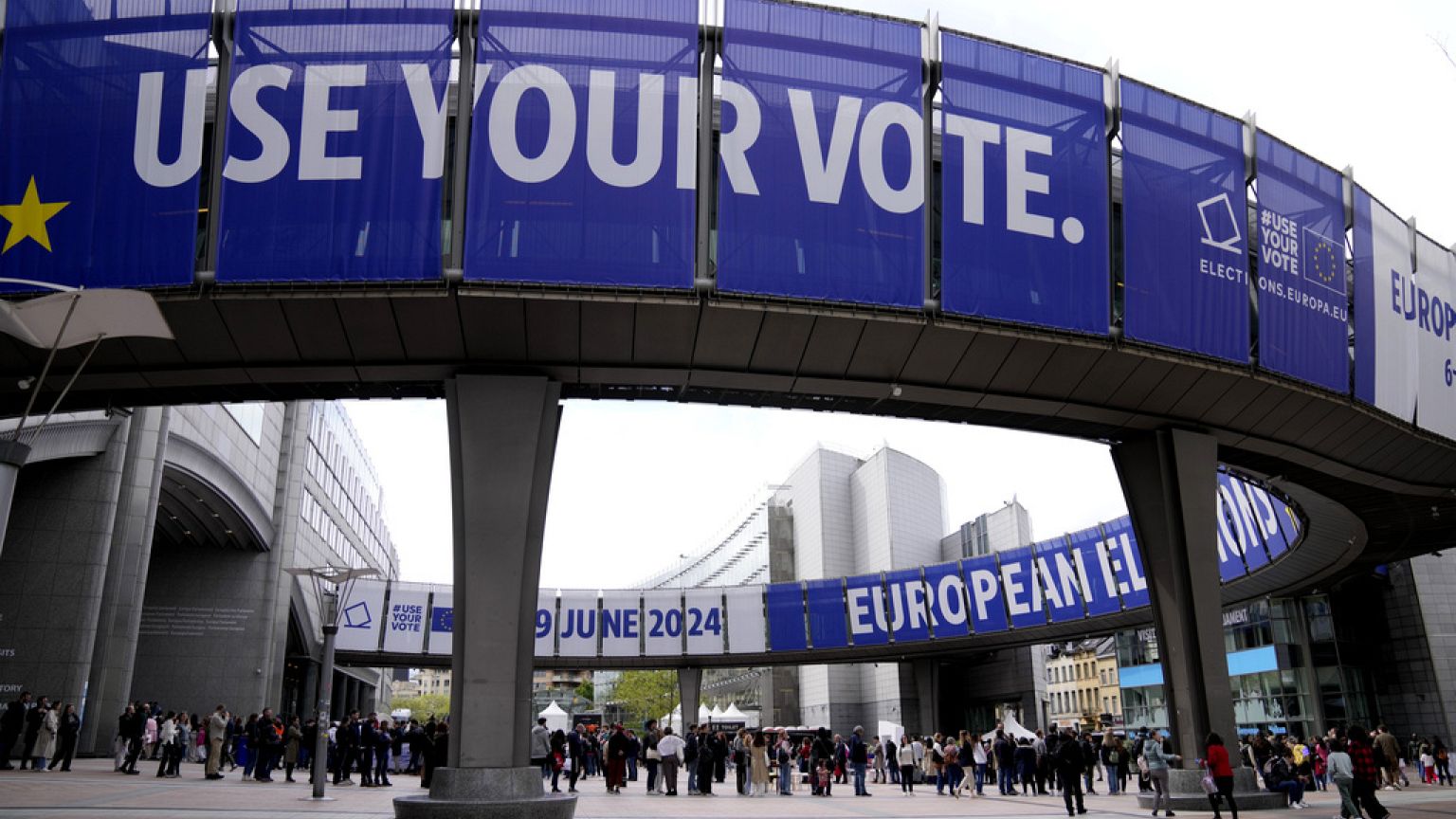
The author of the report, who is an analyst at the European Policy Centre, explains that far-right movements have been able to take advantage of the frustration of young men under 25 over the 'loss of a stable job and financial independence', which are 'traditional markers of masculinity'.
Young Portuguese men vote five times more for the far right than girls. The conclusion, presented in a report by the European Policy Centre, reflects a growing trend that marks a gender divide among European youth when it comes to politics - men are oriented towards far-right ideals, while women lean towards progressive movements.
In Portugal, in the youth population, every female vote for a far-right party is matched by 4.9 male votes. This is the second highest figure in the European Union, behind only Croatia (6.0), and ahead of countries like Spain (4.6), Denmark (4.4) and Finland (4.2). The pattern was found in the votes for the last European elections in 2024.
The cause of this gender disparity in young people's voting behaviour may lie in the economy.
"The rise in anti-feminism among young men is not just a reaction to feminism, but also the result of growing precariousness - especially among working men who don't have a university degree," notes Javier Carbonell, author of the study, emphasising that younger men have less access to employment.
Job opportunities, he stresses, "have been increasing among women under 24 for decades, while they have been decreasing for men".
Due to the decline "in terms of income, wealth, employment, purchasing power, educational attainment and mental health", European men under 25 are being attracted to the "traditional vision of masculinity" advocated by far-right parties, which "have successfully capitalised on the frustration associated with the loss of a stable job and financial independence - traditional markers of masculinity", explains Carbonell.
The study warns that "this gender gap threatens not only gender equality, but also the foundations of democratic support itself, since radicalised young men often show a weaker commitment to democratic norms".
Polish presidential election: Trzaskowski and Nawrocki advance to second round
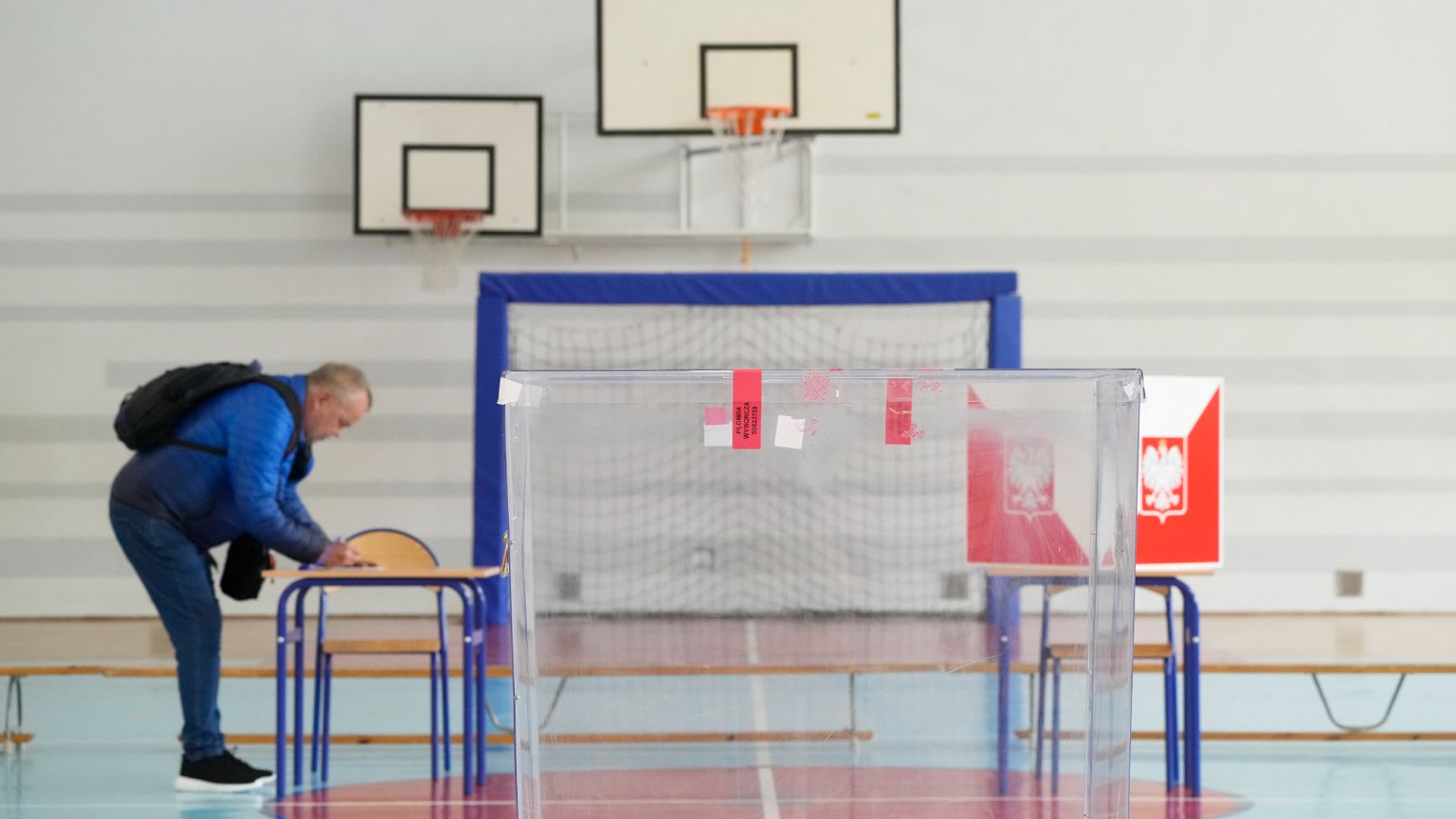
Two main candidates have progressed to the second round of the Polish presidential election, with Trzaskowski at 31.2% and Nawrocki at 29.7% of the vote.
Warsaw Mayor Rafal Trzaskowski and PiS-backed independent Karol Nawrocki have advanced to the runoff of the Polish presidential election, after a closely fought race on Sunday, latest exit polls show.
According to the last-minute Ipsos poll, which came as 90% of the votes were counted, Trzaskowski has won 31.2% of the vote, while Nawrocki is right behind him with 29.7%.
Third and fourth place went to far-right candidates Slawomir Mentzen and Grzegorz Braun, who won 14.5% and 6.3% of the vote, respectively.
According to experts, their electorate may decide the outcome of the second round.
According to exit polls, Rafal Trzaskowski won in 10 provinces and Nawrocki in six. The electoral maps have shown a repeat trend of a split between western Poland, which mostly voted for Trzaskowski, and the eastern part of the country, where Nawrocki won the bulk of the vote.
The two candidates will now move on to the second round, which will take place on 1 June. According to the latest Opinia24 poll published by TVN24, the race will be close, with little difference between the candidates.

No comments:
Post a Comment