Showing posts sorted by relevance for query COVID CHINA CONSPIRACY. Sort by date Show all posts

Friday, June 10, 2022

Washington Post promotes Trump’s other “big lie”: The Wuhan Lab theory

Andre Damon@Andre__Damon
WSWS.ORG

On Thursday, the Senate held a public hearing documenting how former president Donald Trump used his “big lie” about the 2020 election to justify an attempted fascist coup, aiming to abolish the peaceful transfer of power and turn the United States into a dictatorship.

But that same day, the Washington Postpublished an editorial promoting Trump’s other big lie: the claim that COVID-19 is a man-made virus created at the Wuhan Institute of Virology in China.
 
White House trade adviser Peter Navarro (right) called COVID-19 a "weaponized virus" that created by the Chinese Communist Party. Trump repeatedly called COVID-19 Kung-Flu and the China virus.
 (AP Photo/Alex Brandon)

The Post promotes the “hypothesis” that “the infection might have resulted from a laboratory accident or an inadvertent spill connected to the Wuhan Institute of Virology.” It adds, “At the time, the WIV was carrying out experiments using genetically modified viruses similar to the pandemic strain.”

The Post frames its promotion of Trump’s racist effort to blame China for the COVID-19 pandemic as a declaration that “two broad hypotheses have arisen about how the virus first infected humans in Wuhan in late 2019.”

This is like saying that there are “two broad hypotheses” about the validity of the 2020 presidential election results. No, there are not. There is the truth, and there is a right-wing conspiracy theory.

Trump’s claim that the 2020 election was stolen had no evidence to support it and was a transparent falsification. It does not require forensic examinations of voting machines, polling booths, or electoral records. Any politician or journalist who gives the slightest credence to this claim is a fascist sympathizer.

Trump’s election lie was concocted by Trump advisers Stephen K. Bannon, Peter Navarro, Jason Miller, and their co-conspirators, organized around Bannon’s Podcast, “War Room: Pandemic.” On January 5, the day before Trump’s coup attempt, Bannon declared, “all hell is going to break loose tomorrow.”

Bannon’s podcast was, however, created to promote a different lie. On January 25, 2020, Bannon rebranded his “War Room: Impeachment” podcast to focus on the claim that China had created COVID-19 as a biological weapon to attack the United States. He called it “War Room: Pandemic,” which is its name to this day.
In the photo above, published by CNN, Wang DingGang, who appears to have originated the claim that COVID-19 was a man-made virus, is pictured with Trump attorney Rudy Giuliani, as Bannon is shown in the background. Li-Meng Yan, a lab leak advocate who Bannon claimed was a 'Whistleblower,' Is reflected in a mirror. Credit: CNN

In the first episode of the podcast, taped on January 25, Bannon invited Washington Times columnist Bill Gertz to speak about an upcoming article (of which Bannon had advanced knowledge) asserting that “Coronavirus may have originated in lab linked to China’s biowarfare program.”

Days earlier, Bannon’s business partner and collaborator, the Chinese expatriate Miles Guo, published an article asserting that “the real source of the coronavirus is from ‘a lab in Wuhan’ linked to its covert biological weapons programs.”

Trump, Navarro and Secretary of State Mike Pompeo would all promote the claim that COVID-19 was a biological weapon created by the Chinese Communist Party. Trump’s Deputy National Security Advisor Matthew Pottinger would promote a variant of the lie claiming that COVID-19 was released by accident.

This conspiracy theory would be embraced by the editorial board of the Wall Street Journal and Washington Post, as well as leading columnists for the New York Times.

In the midst of this right-wing firestorm, led by the fascist gutter press (Breitbart, the National Pulse, Newsmax, OAN) and supported by the “mainstream media,” the World Health Organization published its interim report on the origins of COVID-19 in March, 2021.

The report dismissed out of hand the claim that COVID-19 was developed as a biological weapon, concluding that this “has been ruled out by other scientists following analyses of the genome.”

It declared the possibility that COVID-19 spilled over to humans from a lab leak as “extremely unlikely,” declaring, “There is no record of viruses closely related to SARS-CoV-2 in any laboratory before December 2019, or genomes that in combination could provide a SARS-CoV-2 genome.”

Most critically of all, the report did not recommend further inquiries into the potential laboratory origins of COVID-19, cutting across the efforts of warmongers, xenophobes and demagogues of both parties to turn the scientific investigation into the origins of COVID-19 into a witch-finding expedition that could be used to accuse China of a cover-up.

America’s yellow press howled with indignation, with leading US newspapers condemning the findings and making personal attacks against committee member Peter Daszak, the most vocal opponent of the conspiracy theory within the scientific community.

Under relentless pressure from the US State Department, which officially endorses the conspiracy theory, the World Health Organization disbanded its committee into the origins of the disease and formed a new one: The Scientific Advisory Group for the Origins of Novel Pathogens (SAGO).

That group published its preliminary report Thursday. In the period between the reports, the evidence of zoonotic origins of COVID-19 has only grown, with the identification of coronaviruses that are extremely similar to COVID-19 in the wild, and more information tying the initial outbreak to the Huanan wet market, which carried out a significant trade in wild animals.

There has, at the same time, been no new evidence to indicate a laboratory origin of COVID-19, adding to the nonexistent prior evidence, bringing the total evidence supporting the conspiracy theory to zero.

Reflecting this reality, the SAGO report concludes, “At the present time, currently available epidemiological and sequencing data suggest ancestral strains to SARS-CoV-2 have a zoonotic origin with the closest genetically related viruses being beta coronaviruses, identified in Rhinolophus bats in China in 2013 (96.1%) and Laos in 2020 (96.8%).”

It adds, “there has not been any new data made available to evaluate the laboratory as a pathway of SARS-CoV-2 into the human population.”

But while recognizing that new scientific findings have worked to refute the conspiracy theory, the SAGO, under relentless political pressure by the United States, declared, it “remains important to consider… the possibility of the introduction of SARS-CoV-2 into the human population through a laboratory incident.”

This assertion came despite the protests of three members of the Committee, who declared, “there is no new scientific evidence to question the conclusion of the WHO-convened global study of origins of SARS-CoV-2: China Part mission report published in March 2021.”

In other words, after the World Health Organization disbanded its team investigating the origins of COVID-19 under right-wing political pressure, removed all outspoken opponents of the conspiracy theory, and brought in figures sympathetic to the right-wing campaign, all the report could come up with was fundamentally the same conclusion as the earlier study: “At the present time, currently available epidemiological and sequencing data suggest ancestral strains to SARS-CoV-2 have a zoonotic origin.”

Commenting on the SAGO study, a source close to an earlier WHO-China joint study on the origins of COVID-19 observed, “even though they removed the alleged ‘conflicted’ members they still end up with the same conclusion!”

“The irony is, we had a window where China was supplying new data. The right wing pushed politically against the WHO team’s work, they disbanded the team, brought in a lab leak contingent, removed people who argued that there was no evidence and who were politically expedient and now have a report that is demanding lab info from China under a politically charged atmosphere, without any evidence to support that line of inquiry.”

The source added, “The Post piece simply adds to the politicization of this, and ironically will continue to keep the window closed for any real understanding of COVID origins.”

The Post’s promotion of the Wuhan Lab Lie is transparently political. Last month, US Secretary of State Anthony Blinken said in a major speech on US-China relations, “we will remain focused on the most serious long-term challenge to the international order—and that’s posed by the People’s Republic of China.”

He continued, “China is the only country with both the intent to reshape the international order and, increasingly, the economic, diplomatic, military, and technological power to do it.... We will defend our interests against any threat.”

The efforts of the Post to promote the Wuhan Lab Lie are aimed at stoking xenophobic hatred of China to promote the military aims of the United States. They must be rejected with the contempt they deserve.

Friday, March 13, 2020

China Launches a Fake News Campaign to Blame the U.S. for Coronavirus

COVID-19 CONSPIRACY THEORIES; EVERYONE'S GOT ONE

Brendon Hong,The Daily Beast•March 13, 2020
 

REUTERS

HONG KONG—Bombastic Chinese government officials are laying the groundwork to blame the United States for the global coronavirus pandemic, and in turn extricate the Chinese Communist Party from any blame. Trumpian rhetoric, it seems, has a clear mirror reflection on the other side of the globe. The American president calls the pandemic sweeping the globe “a foreign virus”? The Chinese are calling it an American one.

Zhao Lijian, the spokesperson of the Chinese foreign ministry and face of the CCP, insinuated by tweet in both English and Chinese on Thursday that the United States is behind the the novel coronavirus outbreak in China: “CDC was caught on the spot. When did patient zero begin in U.S.? How many people are infected? What are the names of the hospitals? It might be U.S. army who brought the epidemic to Wuhan. Be transparent! Make public your data! U.S. owe us an explanation!”

The rant was inexplicably paired with a video clip from Centers for Disease Control and Prevention Director Robert Redfield’s testimony before Congress on Wednesday, subtitled in Chinese, about Americans who may have been misdiagnosed with the flu when they actually had COVID-19, the disease brought on by the coronavirus SARS-CoV-2.

Zhao’s creeping escalation of rhetoric is the latest example of the Chinese Communist Party’s attempt to shift blame after its officials bungled efforts to contain the virus at the onset of the outbreak. And who better than its key geopolitical foe—the United States—to be the scapegoat?

The claim by Zhao was first seeded in late February, when Zhong Nanshan, a seasoned epidemiologist and pulmonologist who identified the SARS virus in 2003, said that the coronavirus “may not have originated in China” even though the first known cases were in the city of Wuhan and the majority of confirmed infections were there and in the rest of Hubei province.

It didn’t take long for state media and Chinese trolls to grab hold of Zhong’s talking point, merging it with the crackpot theory that the coronavirus is a bioweapon. Soon they were asking which nation has sophisticated biowarfare capabilities and can release its viral weapons to wipe out an unsuspecting population. The obvious conclusion, for them, was the United States.

Simultaneously, on Chinese social networks like Weibo, hashtags for the “Japanese virus” and the “Iranian virus” helped shape the narrative that SARS-CoV-2 could be of foreign origin, and China merely got a raw deal. Now, the “Italian virus” tag is doing the same.

Never mind that Chinese researchers, like Shi Zhengli, the “Bat Woman” virologist profiled by Scientific American, have conducted field research in China’s rural areas to locate and identify dozens of lethal viruses that are similar to SARS and the coronavirus that is now infecting many around the world. They recognize that there are many more strains that could make the leap to humans, causing new viral outbreaks like the one China went through in the past three months.

Like Trump, Zhao has a history of posting combative outbursts on Twitter, which is banned in China except for some of the party’s officials. He is one of the first Chinese diplomats to register and run an official account on Twitter—and the first to weaponize his feed, rallying China’s paid trolls through talking points spewed onto the social network. Last August, he was promoted from his post as deputy chief of mission in Pakistan to become deputy director of the Chinese foreign ministry’s information department.

That’s all to say, in an age of post-truth misinformation and disinformation, Zhao is Beijing’s vociferous master of spin. Other Chinese officials often echo his talking points online. There is little doubt that the CCP’s ranks coordinate the content of their Twitter feeds.

As new infection numbers taper off to mere dozens per day in China, the pandemic is politicized more than ever. Chinese President Xi Jinping visited Wuhan this week in what was essentially a victory tour for the country’s “war” against the virus. To prevent the embarrassing situation from the previous week, where residents shouted “It’s all fake!” from their balconies when a CCP official staged a photo op, two police officers were stationed in every apartment near locations where Xi was set to appear.

Right now, people in mainland China and Hong Kong are baffled by the current situations in Western Europe and the United States. There have been months of warnings from Asia, and thousands have died from COVID-19, yet all of that was insufficient for many nations in the West to prepare for the virus’ landfall.

“If it were purely a financial crisis in Asia—an illness of capital,” a venture investor said to me offhandedly this week, “institutions [in Europe and America] like banks and hedge funds would have reacted with no delay.” But public health, she suggested, wasn’t as much of a concern even in an era of globalization, when, normally, many millions of people are moved across continents each day.

In the past three months, some of those who suffered in China thought their cases would be signals of a global threat. That their warning signs were mostly ignored may serve to feed Zhao’s disinformation suggesting the U.S. is behind it all.

Chinese foreign ministry spokesman pushes coronavirus conspiracy theory that the US Army 'brought the epidemic to Wuhan'

COVID-19 CONSPIRACY THEORIES; EVERYONE'S GOT ONE

Ryan Pickrell,Business Insider•March 12, 2020
 
China's flag is raised during the opening ceremony of the 2008 Beijing Olympic Games.

Jerry Lampe/Reuters

A Chinese government spokesman said on Thursday that the US Army might have "brought the epidemic to Wuhan," appearing to push a popular conspiracy theory.

Chinese officials have been trying to reshape the narrative about the coronavirus, suggesting that it might have originated outside of China, even though the center of the outbreak was the central Chinese city of Wuhan.

Amid this push, a conspiracy theory that US athletes participating in the Military World Games in Wuhan last fall brought the coronavirus into China has emerged. There is no evidence supporting this claim.
A Chinese government spokesman said on Thursday that the US Army may have "brought the epidemic to Wuhan," appearing to push a popular coronavirus conspiracy theory in China.

Zhao Lijian, a spokesman for China's Ministry of Foreign Affairs, called attention to a comment on Wednesday from Robert Redfield, the director of the US Centers for Disease Control and Prevention, acknowledging that some Americans who were said to have died from influenza may have actually died from COVID-19.

"When did patient zero begin in US? How many people are infected?" Zhao wrote on Twitter. "What are the names of the hospitals? It might be US Army who brought the epidemic to Wuhan. Be transparent! Make public your data! US owe us an explanation!"

In a short thread on Twitter — a social media platform that's inaccessible in China — Zhao demanded to know how many of the millions of infections and thousands of deaths during the latest flu season were actually related to COVID-19.

The coronavirus first appeared in the central Chinese city of Wuhan late last year, and since then, the pandemic has claimed the lives of thousands of people, mostly in China.

As China has faced criticism, Chinese authorities have pushed back, suggesting that the virus may have originated somewhere else. Dr. Zhong Nanshan, a leading Chinese epidemiologist, said in late February that "though the COVID-19 was first discovered in China, it does not mean that it originated from China."

Zhao stressed the same point in a recent press briefing.

"No conclusion has been reached yet on the origin of the virus," he told reporters, adding that "what we are experiencing now is a global phenomenon with its source still undetermined."

One popular coronavirus conspiracy theory that has emerged in China is that US military athletes participating in the Military World Games in Wuhan last year may have brought the virus into China. There is, however, no evidence to support this accusation.

The Trump administration has laid the blame firmly at China's feet. "Unfortunately, rather than using best practices, this outbreak in Wuhan was covered up," the White House national security adviser, Robert O'Brien, told reporters on Wednesday.

"It probably cost the world community two months to respond," he added.

Geng Shuang, another Chinese foreign ministry spokesman, said O'Brien's "immoral and irresponsible" comments denigrated China's efforts to fight the virus.

Read the original article on Business Insider


Chinese diplomat promotes conspiracy theory that US military brought virus to Wuhan

By Ben Westcott and Steven Jiang, CNN

A prominent Chinese official has promoted a conspiracy theory that the United States military could have brought the novel coronavirus to China -- and it did not originate in the city of Wuhan, as thought.
© Andy Wong/AP Chinese Foreign Ministry spokesman Zhao Lijian during a daily briefing at the Ministry of Foreign Affairs office in Beijing, on February 24.

Posting to his more than 300,000 followers on Twitter, Foreign Ministry spokesman Zhao Lijian republished a video of Robert Redfield, the director for the US Centers for Disease Control and Prevention, addressing a US Congressional committee on March 11.

In the clip, Redfield said some influenza deaths in the US were later identified as cases of Covid-19, the disease caused by the novel coronavirus.

Redfield didn't say when those people had died or over what time period, but Zhao pointed to his remarks in support of a growing conspiracy theory that the coronavirus did not originate in Hubei province in central China. He did not offer any further evidence for the claim.

"CDC was caught on the spot. When did patient zero begin in US? How many people are infected? What are the names of the hospitals? It might be US army who brought the epidemic to Wuhan. Be transparent! Make public your data! US owe us an explanation!" the Foreign Ministry official said.

Hundreds of athletes from the US military were in Wuhan for the Military World Games in October 2019.

The video of Redfield was also published to Twitter by other state media outlets, including national broadcaster CCTV and the popular Global Times tabloid.

On Friday, Zhao's fellow Foreign Ministry spokesman Geng Shuang said there were "varied opinions" on the origin of the virus in the international community.

"China always considers this a scientific question, which should be addressed in a scientific and professional manner," he said, avoiding questions on whether Zhao's tweet represented the Chinese government's official position.

Origin theories

Parts of Chinese social media, and even the country's government, appear to have launched a concerted campaign to question the origin of the novel coronavirus, which has infected more than 125,000 people globally.

The first reported cases of the virus were in Wuhan, and since then the city has had more infections and deaths than anywhere in the world.

Speaking in his official capacity at a press conference in Beijing on March 4, Zhao told reporters that "no conclusion has been reached yet on the origin of the virus" -- and Chinese scientists were still tracing where it came from.

On February 27, renowned Chinese infectious disease expert Zhong Nanshan also questioned where the coronavirus had come from.

"The infection was first spotted in China but the virus may not have originated in China," Zhong said at a press conference.

On Thursday, Hua Chunying, Zhao's boss who heads the Chinese Foreign Ministry's Department of Information, tweeted a link to Redfield's testimony, saying it was "absolutely wrong and inappropriate to call this the Chinese coronavirus."

China's ambassador to South Africa, Lin Songtian, took to Twitter on March 8 to say that although the first epidemic was recorded in China, it didn't mean the virus "originated from China."

However, Zhao's colleague Geng cautioned Thursday that the origin of the virus could only be determined "by science."

"We don't hope to see anyone making an issue out of this to stigmatize other countries," he said. "With COVID-19 developing into a pandemic, the world should come together to fight it instead of leveling accusations and attacks against each other, which is not constructive at all."

Twitter diplomacy

Zhao's comments are another example of Chinese government figures using Twitter to defend China against criticism -- despite the platform being banned in the country, along with Facebook, Instagram and a number of other prominent Western social media sites.

Prior to 2019, few Chinese officials had verified Twitter accounts. But since then, ambassadors, mission heads and Chinese foreign ministry spokespeople across the world have joined Twitter.

In January, Chinese ambassador to the UK Liu Xiaoming weighed in on the UK's decision on whether or not to ban telecommunications giant Huawei from its 5G networks on Twitter.

Cui Tiankai, the Chinese ambassador to the US, took to Twitter in December to deny accusations of human rights abuses against Muslim-majority Uyghurs in Xinjiang. "Ultimately, facts will always prevail over lies," he tweeted.

Zhao was promoted in mid 2019 after building a reputation for himself on Twitter as a fierce advocate for Chinese interests -- arguing with western politicians and blocking Beijing's critics -- during his time as a senior diplomat at the Chinese embassy in Pakistan.

---30---

Thursday, January 21, 2021

China’s gift for the Biden inauguration is a conspiracy theory about Covid-19’s US origins

REUTERS/KEVIN LAMARQUEA blame game.
FROM OUR OBSESSION
Because China
China is striving for global leadership, and has the economic clout to realize its vision.


By Jane Li
China tech reporter
January 20, 2021

A conspiracy theory that links the origins of Covid-19 to a US military lab is trending on Chinese social media on Wednesday (Jan. 20), after a spokesperson from the country’s foreign ministry redirected the public’s focus to the lab this week.

The fresh attention being drawn by a Chinese official to the theory just ahead of the inauguration of Joe Biden today (Jan. 20) as president, could indicate that the new administration will face an uphill battle when it comes to US-China relationship, and a continuation of the blame game between the two countries over the pandemic.

Hua Chunying, a spokesperson for China’s foreign ministry, said on Monday (Jan. 18) at a press conference that the US should open Fort Detrick, a military medical research base in Maryland, for further investigation as a possible origin of Covid-19. “I’d like to stress that if the United States truly respects facts, it should open the biological lab at Fort Detrick, give more transparency to issues like its 200-plus overseas bio-labs, invite WHO [the World Health Organization] experts to conduct origin-tracing in the United States, and respond to the concerns from the international community with real actions,” she said.

Hua made the remark in response to a question on China’s reaction to a statement last week from the outgoing US state secretary Mike Pompeo, who said the US government has “reasons to believe” some staffers at China’s state-owned Wuhan Institute of Virology developed symptoms that were consistent with “both Covid-19 and common seasonal illnesses” in autumn 2019, before the pandemic turned Wuhan into its epicenter early last year. Early into the pandemic, the Wuhan lab has been at the center of the conspiracy theories about the virus, to an extent that Shi Zhengli, a lead researcher of the lab, said she “guaranteed with her life” that the virus was totally unrelated to the institution.

In general, theories suggesting the virus was purpose-built or the work of scientists have been emphatically rejected by scientists globally, and many of them believe it originated in wildlife, such as bats. Although some studies indicate that the virus could have been present in countries like Italy in 2019, most researchers point to China as the most likely origin of Covid-19 given the virus was first identified in Wuhan. Despite the apparent danger of promoting unfounded conspiracy theories, prominent figures from both China and the US, such as Chinese foreign ministry spokesperson Zhao Lijian and Republican senators Tom Cotton and Ted Cruz, have promoted some of these claims amid ongoing US-China tensions.

Hua’s Monday comment gave a fresh push to the ongoing suspicion in China that the virus could come from outside the country, partly a result of Beijing’s effort to sow confusion over the origins of Covid-19. Last year Zhao promoted the idea that US athletes from the military who attended a sports event in Wuhan in 2019 could have spread the virus.

The hashtag #foreign ministry, which accompanied reports of Hua’s Fort Detrick remarks published by media outlets, shot to the top among all trending topics on Weibo late on Tuesday, while early today the hashtag #the US Fort Detrick biology lab, which has been viewed over 1 billion times, also occupied the top place on the platform briefly.

A post that contained a video clip of Hua’s remark on the US lab received around 4.5 million upvotes, with commentators saying they now firmly believe the virus is from the US. “Even the foreign ministry said so, it seems [the conspiracy theory] is true,” the top comment under the post read. Multiple state-owned Chinese outlets published reports on the US military lab shortly after Hua’s comment became viral, with the articles carrying headlines such as “the secret you don’t know about: the Fort Detrick biology lab.”

Hua’s remark came shortly after a team of independent experts led by WHO arrived in China last week to investigate the origins of the coronavirus, including how it leaped to humans. They are currently going through a two-week quarantine before they can look at samples and evidence provided by the Chinese authorities.

“They have certainly set up the idea domestically at least that the WHO investigation is a farce unless they investigate the US too,” wrote Bill Bishop, a veteran China analyst in his newsletter.

For Biden, who is expected to unite western democracies to challenge Beijing’s authoritarian rule, the timing of Hua’s remark and the discussion that ensued signal he should expect to deal with a Beijing that will continue its aggressive diplomatic style, whose practitioners have been dubbed “wolf warriors.”

“This whole ‘wolf-warrior’ approach is not an anomaly, it is a fundamental principle of Xi Jinping Thought on Diplomacy, and the struggle is only going to intensify, now [no] matter who is in the White House,” wrote Bishop, referring to the thinking of China’s leader.

Correction: This article was updated to clarify Zhao Lijian was the foreign ministry official who promoted a Covid-19 conspiracy theory about US athletes last year.

Wednesday, March 01, 2023

EXACTLY
Coronavirus origins still a mystery 3 years into pandemic


By LAURA UNGAR and MARY CLARE JALONICK
February 27, 2023

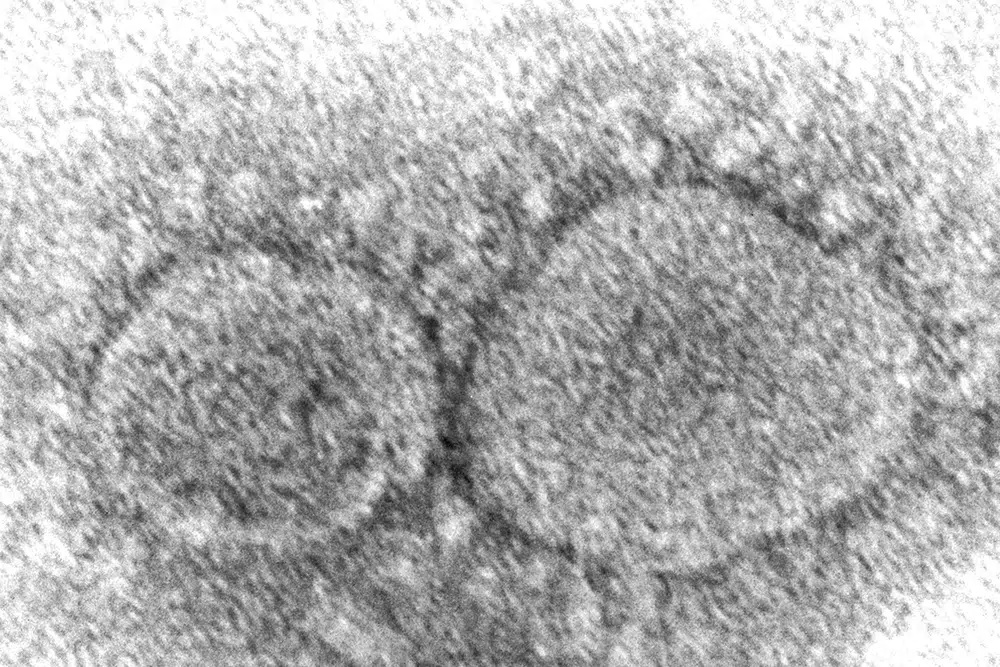
 This 2020 electron microscope image made available by the Centers for Disease Control and Prevention shows SARS-CoV-2 virus particles, which cause COVID-19. A crucial question has eluded governments and health agencies since the COVID-19 pandemic began: Did the virus originate in animals or leak from a Chinese lab? Now, the U.S. Department of Energy has assessed with “low confidence” that it began with a lab leak although others in the U.S. intelligence community disagree. (Hannah A. Bullock, Azaibi Tamin/CDC via AP, File)

WASHINGTON (AP) — A crucial question has eluded governments and health agencies around the world since the COVID-19 pandemic began: Did the virus originate in animals or leak from a Chinese lab?

Now, the U.S. Department of Energy has assessed with “low confidence” in that it began with a lab leak, according to a person familiar with the report who wasn’t authorized to discuss it. The report has not been made public.

But others in the U.S. intelligence community disagree.

“There is not a consensus right now in the U.S. government about exactly how COVID started,” John Kirby, the spokesman for the National Security Council, said Monday. “There is just not an intelligence community consensus.”

The DOE’s conclusion was first reported over the weekend in the Wall Street Journal, which said the classified report was based on new intelligence and noted in an update to a 2021 document. The DOE oversees a national network of labs.

White House officials on Monday declined to confirm press reports about the assessment.

In 2021, officials released an intelligence report summary that said four members of the U.S. intelligence community believed with low confidence that the virus was first transmitted from an animal to a human, and a fifth believed with moderate confidence that the first human infection was linked to a lab.

While some scientists are open to the lab-leak theory, others continue to believe the virus came from animals, mutated, and jumped into people — as has happened in the past with viruses. Experts say the true origin of the pandemic may not be known for many years — if ever.

CALLS FOR MORE INVESTIGATION


The U.S. Office of the Director of National Intelligence declined to comment on the report. All 18 offices of the U.S. intelligence community had access to the information the DOE used in reaching its assessment.

Alina Chan, a molecular biologist at the Broad Institute of Massachusetts Institute of Technology and Harvard, said she isn’t sure what new intelligence the agencies had, but “it’s reasonable to infer” it relates to activities at the Wuhan Institute of Virology in China. She said a 2018 research proposal co-authored by scientists there and their U.S. collaborators “essentially described a blueprint for COVID-like viruses.”

“Less than two years later, such a virus was causing an outbreak in the city,” she said.

The Wuhan institute had been studying coronaviruses for years, in part because of widespread concerns — tracing back to SARS — that coronaviruses could be the source of the next pandemic.

No intelligence agency has said they believe the coronavirus that caused COVID-19 was released intentionally. The unclassified 2021 summary was clear on this point, saying: “We judge the virus was not developed as a biological weapon.”

“Lab accidents happen at a surprising frequency. A lot of people don’t really hear about lab accidents because they’re not talked about publicly,” said Chan, who co-authored a book about the search for COVID-19 origins. Such accidents “underscore a need to make work with highly dangerous pathogens more transparent and more accountable.”

Last year, the World Health Organization recommended a deeper probe into a possible lab accident. Chan said she hopes the latest report sparks more investigation in the United States.

China has called the suggestion that COVID-19 came from a Chinese laboratory “ baseless.”

SUPPORT FOR ANIMAL THEORY


Many scientists believe the animal-to-human theory of the coronavirus remains much more plausible. They theorize it emerged in the wild and jumped from bats to humans, either directly or through another animal.

In a 2021 research paper in the journal Cell, scientists said the COVID-19 virus is the ninth documented coronavirus to infect humans — and all the previous ones originated in animals.

Two studies, published last year by the journal Science, bolstered the animal origin theory. That research found that the Huanan Seafood Wholesale Market in Wuhan was likely the early epicenter. Scientists concluded that the virus likely spilled from animals into people two separate times.

“The scientific literature contains essentially nothing but original research articles that support a natural origin of this virus pandemic,” said Michael Worobey, an evolutionary biologist at the University of Arizona who has extensively studied COVID-19′s origins.

He said the fact that others in the intelligence community looked at the same information as the DOE and “it apparently didn’t move the needle speaks volumes.” He said he takes such intelligence assessments with a grain of salt because he doesn’t think the people making them “have the scientific expertise ... to really understand the most important evidence that they need to understand.”

The U.S. should be more transparent and release the new intelligence that apparently swayed the DOE, Worobey said.

REACTION TO THE REPORT

The DOE conclusion comes to light as House Republicans have been using their new majority power to investigate all aspects of the pandemic, including the origin, as well as what they contend were officials’ efforts to conceal the fact that it leaked from a lab in Wuhan. Earlier this month, Republicans sent letters to Dr. Anthony Fauci, National Intelligence Director Avril Haines, Health Secretary Xavier Beccera and others as part of their investigative efforts.

The now retired Fauci, who served as the country’s top infectious disease expert under both Republican and Democratic presidents, has called the GOP criticism nonsense.

Rep. Mike McCaul, R-Texas, chairman of the House Foreign Affairs Committee, has asked the Biden administration to provide Congress with “a full and thorough” briefing on the report and the evidence behind it.

Kirby, the National Security Council spokesman, emphasized that President Joe Biden believes it’s important to know what happened “so we can better prevent future pandemics” but that such research “must be done in a safe and secure manner and as transparent as possible to the rest of the world.”

___

AP reporters Farnoush Amiri, Nomaan Merchant and Seung Min Kim contributed. Ungar reported from Louisville, Kentucky

___

The Associated Press Health and Science Department receives support from the Howard Hughes Medical Institute’s Science and Educational Media Group. The AP is solely responsible for all content.

Covid-19: Why the Wuhan lab-leak theory is back, despite no new evidence
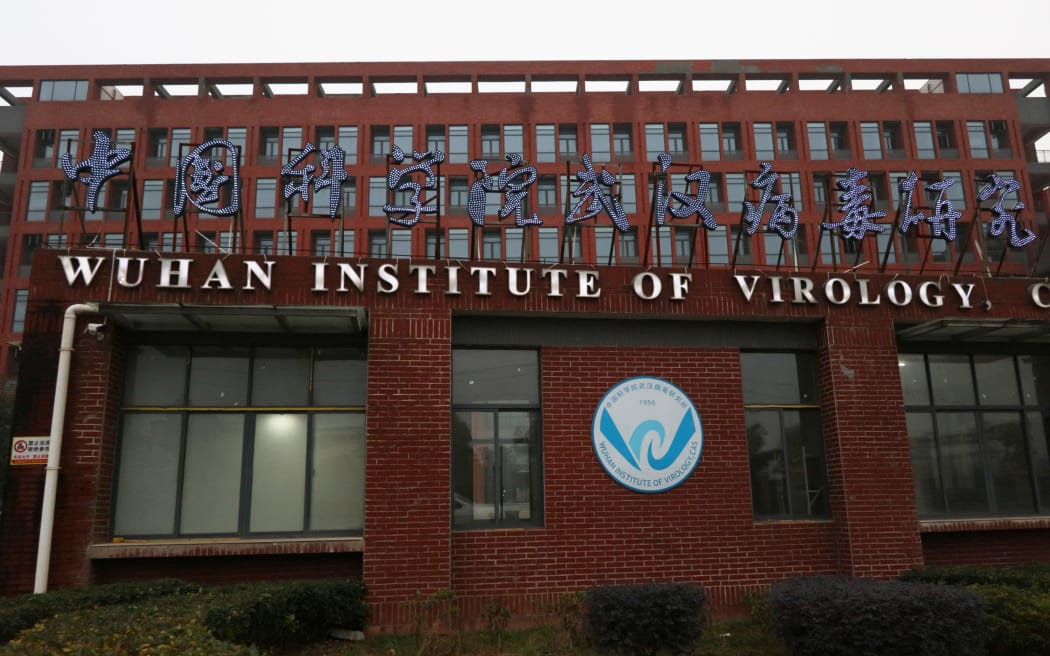
The Wuhan Institute of Virology. Photo: The Yomiuri Shimbun via AFP

Explainer: More than three years after Covid-19 was detected in the Chinese city of Wuhan, the question of how the virus first emerged remains a mystery.

But on 28 February 2023, the controversial claim that the pandemic might have leaked from a Chinese laboratory - once dismissed by many as a fringe conspiracy theory - resurfaced with FBI director Christopher Wray's comments that the bureau believes Covid-19 "most likely" originated in a "Chinese government-controlled lab".

It is the first public confirmation of the FBI's classified judgement of how the pandemic virus emerged.

In response, Beijing accused Washington of "political manipulation".

So what do we know about the competing theories - and why does the debate matter?

What is the lab-leak theory?

It's a suspicion that the coronavirus may have escaped, accidentally or otherwise, from a laboratory in the central Chinese city of Wuhan where the virus was first recorded.

Its supporters point to the presence of a major biological research facility in the city. The Wuhan Institute of Virology (WIV) has been studying coronaviruses in bats for over a decade.

The institute is a 40-minute drive from the Huanan wet market where the first cluster of infections emerged.

Those who entertain the theory say it could have leaked from a WIV lab and spread to the wet market. Most argue it would have been an unaltered virus collected from the wild, rather than engineered.

The controversial theory first emerged early on in the pandemic, and was promoted by then-US President Donald Trump. Some even suggested it could have been engineered as a possible biological weapon.

While many in the media and politics dismissed these as conspiracy theories at the time, others called for more consideration of the possibility. The idea has persisted, despite many scientists pointing out there is no evidence to back it up.

A classified US intelligence report - saying three researchers at the Wuhan laboratory were treated in hospital in November 2019, just before the virus began infecting humans in the city - began circulating in US media in 2021.

Those who entertain the theory say it could have leaked from a WIV lab and spread to the wet market. Most argue it would have been an unaltered virus collected from the wild, rather than engineered.

The controversial theory first emerged early on in the pandemic, and was promoted by then-US President Donald Trump. Some even suggested it could have been engineered as a possible biological weapon.

While many in the media and politics dismissed these as conspiracy theories at the time, others called for more consideration of the possibility. The idea has persisted, despite many scientists pointing out there is no evidence to back it up.

A classified US intelligence report - saying three researchers at the Wuhan laboratory were treated in hospital in November 2019, just before the virus began infecting humans in the city - began circulating in US media in 2021.

What do scientists think?

The issue is still hotly contested.

A World Health Organisation (WHO) investigation was supposed to get to the bottom of it, but many experts believed it produced more questions than answers.

A team of WHO-appointed scientists flew to Wuhan in early 2021 on a mission to investigate the source of the pandemic. After spending 12 days there, which included a visit to the laboratory, the team concluded the lab-leak theory was "extremely unlikely".


WHO investigators in Wuhan. Photo: AFP

But many have since questioned their findings.

A prominent group of scientists criticised the WHO report for not taking the lab-leak theory seriously enough - it was dismissed in a few pages of a several-hundred-page report.

"We must take hypotheses about both natural and laboratory spillovers seriously until we have sufficient data," the scientists wrote in Science magazine.

They're not the only experts who called for the laboratory leak to be looked at more closely.

Even the WHO's own director-general, Dr Tedros Adhanom Ghebreyesus, called for a new investigation, saying: "All hypotheses remain open and require further study."

And Dr Anthony Fauci said in 2021 he was "not convinced" the virus originated naturally. That was a shift from a year earlier, when he thought it most likely Covid had spread from animals to humans.

What does China say?

China has hit back at suggestions the virus may have escaped from a laboratory by calling it a smear. State media have consistently accused the US government and Western media of spreading rumours about the source of the pandemic.

Responding to Wray's remarks, China's foreign ministry spokesperson accused US intelligence agencies of politicising the investigation into the origins of the virus.

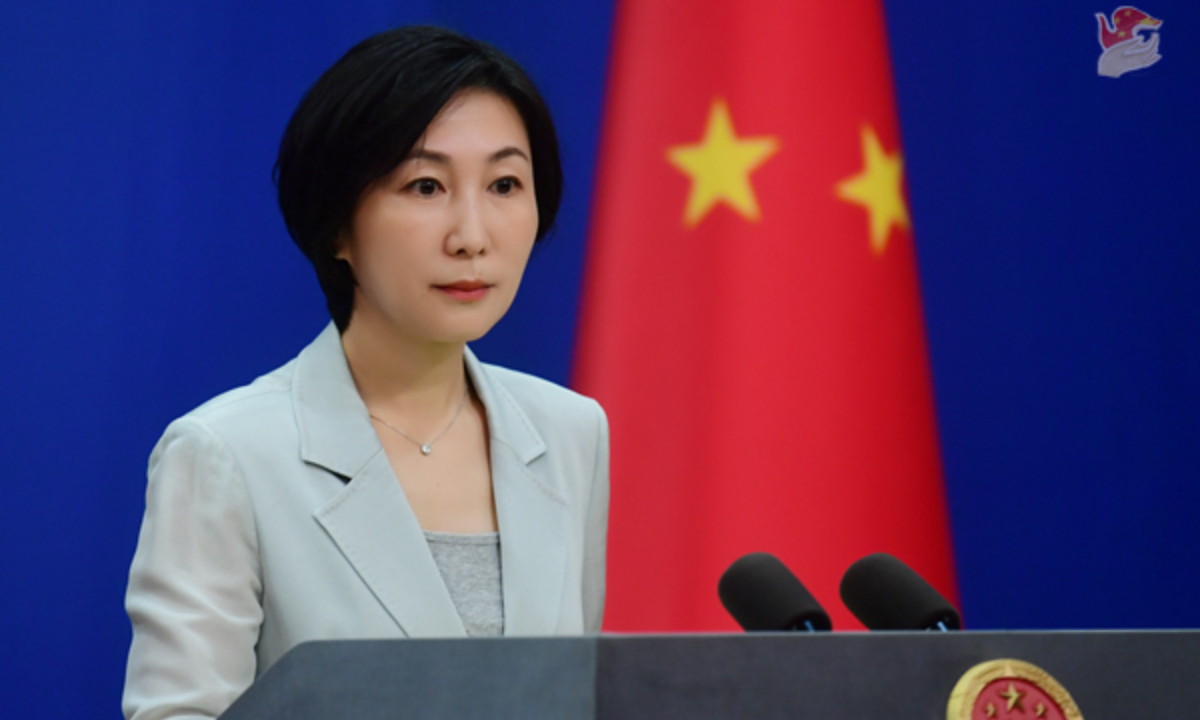
The US intelligence community had a history of "misdeeds" involving "fraud and deception", Mao Ning told a press briefing. As such, she said, their conclusions regarding the origins of Covid-19 had no credibility.

China has pushed another theory, suggesting the coronavirus may have entered Wuhan in food shipments of frozen meat from elsewhere in China or Southeast Asia.

The Chinese government has also pointed to research published by one of its leading virologists into samples collected from bats in a remote, abandoned mine.

Prof Shi Zhengli - often referred to as "China's Batwoman" - a researcher at the Wuhan Institute, published a report in 2021 revealing that her team had identified eight coronavirus strains found on bats in the mine in China in 2015. The paper says that coronaviruses from pangolins pose more of an immediate threat to human health than the ones her team found in the mine.

Added to this is an unsubstantiated conspiracy theory long pushed by Chinese propagandists - and repeated by Mao Ning at the foreign ministry briefing on 1 March 2023 - suggesting the coronavirus was made and leaked from Fort Detrick in Frederick, Maryland, about 80km north of Washington DC.

Once the centre of the US biological weapons programme, Fort Detrick now houses biomedical labs researching viruses including Ebola and smallpox.

Is there another theory?


Yes, and it's called the "natural origin" theory.

This argues the virus spread naturally from animals, without the involvement of any scientists or laboratories.

Supporters of the natural origin hypothesis say Covid-19 emerged in bats and then jumped to humans, most likely through another animal, or "intermediary host".

That idea was backed by the WHO report, which said it was "likely to very likely" that Covid-19 had made it to humans through an intermediate host.

This hypothesis was widely accepted at the start of the pandemic, but as time has worn on, scientists have not found a virus in either bats or another animal that matches the genetic make-up of Covid-19, leading some to doubt the theory.

Nevertheless, following FBI director Wray's remarks, many scientists who have studied the virus have stressed there is no new scientific evidence pointing to a lab leak.


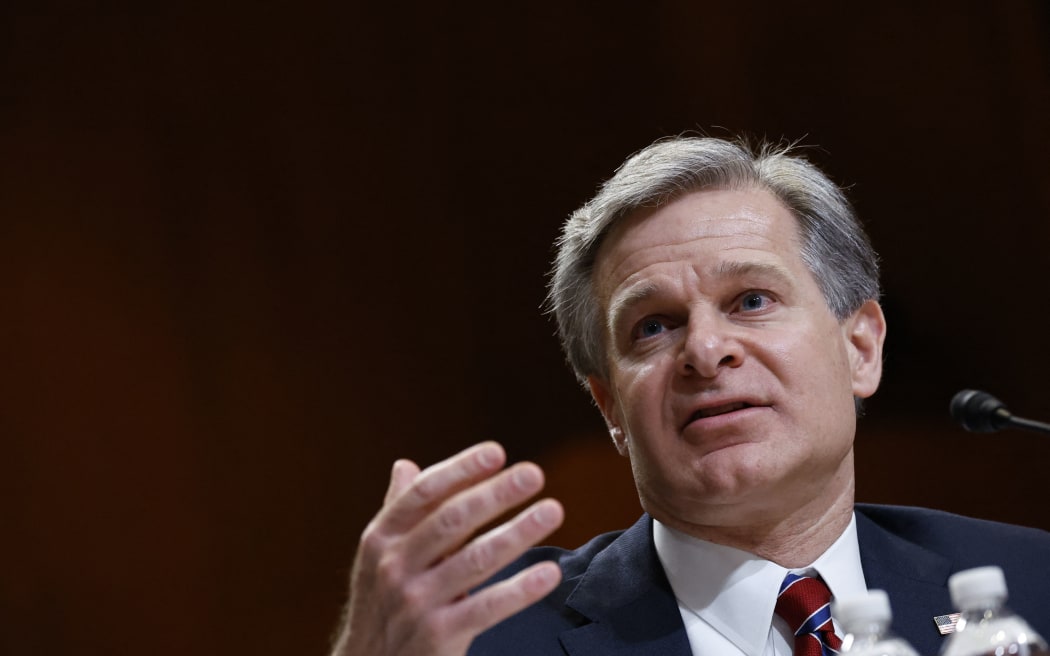
FBI director Christopher Wray. Photo: AFP / Pool / Ting Shen


A natural origin is still the more likely theory, said Professor David Robertson, head of viral genomics and bioinformatics at the University of Glasgow.

"There's been an accumulation of evidence (what we know about the viruses' biology, the close variants circulating in bats and locations of early human cases) that firmly points to a natural origin centred on the Huanan market in Wuhan city," he said.

Prof Alice Hughes from the University of Hong Kong agreed. She said the US Department of Energy's conclusion that the virus was most likely the result of a lab leak in Wuhan "appears not to be based on new evidence, and remains the weaker of the two main hypothesis of the origin of the virus"
.
Why does this matter?

Given the massive human toll of the pandemic - with the recorded deaths of about 6.9 million people worldwide - most scientists think understanding how and where the virus originated is crucial to prevent it happening again.

If the "zoonotic" theory is proved correct, it could affect activities such as farming and wildlife exploitation. In Denmark, fears about the spread of the virus through mink farming led to millions of mink being culled.

But there would also be big implications for scientific research and international trade if theories related to a laboratory leak or frozen food chains were confirmed.

Any confirmation of a leak may also affect how the world views China, which has already been accused of hiding crucial early information about the pandemic, and place further strain on US-China relations.

"From day one China has been engaged in a massive cover-up," Jamie Metzl, a fellow at the Washington-based Atlantic Council who has been pushing for the lab-leak theory to be looked into, told the BBC in 2021.

"We should be demanding the full investigation of all origin hypotheses that's required."

But others have cautioned against pointing the finger at China too quickly.

"We do need to be a bit patient but we also need to be diplomatic. We can't do this without support from China. It needs to be a no-blame environment," Prof Dale Fisher, of Singapore's National University Hospital, told the BBC.

- BBC

Latest report on COVID-19’s suspected lab origins fuels more conspiracies: ‘Everything we skeptics said was true’

BYDAVID KLEPPER AND THE ASSOCIATED PRESS
March 1, 2023 

Origin conspiracies about COVID-19 are increasing again.

SUZANNE. KREITER—THE BOSTON GLOBE/GETTY IMAGES


COVID-19’s origins remain hazy. Three years after the start of the pandemic, it’s still unclear whether the coronavirus that causes the disease leaked from a lab or spread to humans from an animal.

This much is known: When it comes to COVID-19 misinformation, any new report on the virus’ origin quickly triggers a relapse and a return of misleading claims about the virus, vaccines and masks that have reverberated since the pandemic began.

It happened again this week after the Energy Department confirmed that a classified report determined, with low confidence, that the virus escaped from a lab. Within hours, online mentions of conspiracy theories involving COVID-19 began to rise, with many commenters saying the classified report was proof they were right all along.

Far from definitive, the Energy Department’s report is the latest of many attempts by scientists and officials to identify the origin of the virus, which has now killed nearly 7 million people after being first detected in the central Chinese city of Wuhan in late 2019.

The report has not been made public, and officials in Washington stressed that a variety of U.S. agencies are not in agreement on the origin. On Tuesday, FBI Director Christopher Wray told Fox News that the FBI “has for quite some time now” assessed that the pandemic’s origins are “most likely a potential lab incident in Wuhan.”

But others in the U.S. intelligence community disagree, and there’s no consensus. Many scientists believe the likeliest explanation is that the coronavirus that causes COVID-19 jumped from animals to humans, possibly at Wuhan’s Huanan market, a scenario backed up by multiple studies and reports. The World Health Organization has said that while an animal origin remains most likely, the possibility of a lab leak must be investigated further before it can be ruled out.

People should be open-minded about the evidence used in the Energy Department’s assessment, according to virologist Angela Rasmussen. But she said that without evaluating the evidence contained in the classified report, there’s no reason to challenge the conclusion that the virus spread naturally.

“We can and do know what the scientific evidence shows,” Rasmussen tweeted Tuesday. “The available evidence still shows zoonotic emergence at Huanan market.”

Many of those citing the report as proof, however, seemed uninterested in the evidence. They seized on the report and said it suggests the experts were wrong when it came to masks and vaccines, too.

“School closures were a failed & catastrophic policy. Masks are ineffective. And harmful,” said a tweet that’s been read nearly 300,000 times since Sunday. “COVID came from a lab. Everything we skeptics said was true.”

Overall mentions of COVID-19 began to rise after The Wall Street Journal published a story about the Energy Department report on Sunday. Since then, mentions of various COVID-related conspiracy theories have soared, according to an analysis conducted by Zignal Labs, a San Francisco-based media intelligence firm, and shared with The Associated Press.

While the lab leak theory has bounced around the internet since the pandemic began, references to it soared 100,000% in the 48 hours after the Energy Department report was revealed, according to Zignal’s analysis, which combed through social media, blogs and other sites.

Many of the conspiracy theories contradict each other and the findings in the Energy Department report. In a tweet on Tuesday, U.S. Rep. Marjorie Taylor Greene, a Republican from Georgia, called COVID-19 a “man made bioweapon from China.” A follower quickly challenged her: “It was made in Ukraine,” he responded.

With so many questions remaining about a world event that has claimed so many lives and upended even more, it’s not at all surprising that COVID-19 is still capable of generating so much anger and misinformation, according to Bret Schafer, a senior fellow at the Alliance for Securing Democracy, a Washington-based organization that has tracked government propaganda about COVID-19.

“The pandemic was so incredibly disruptive to everyone. The intensity of feelings about COVID, I don’t think that’s going to go away,” Schafer said. “And any time something new comes along, it breathes new life into these grievances and frustrations, real or imagined.”

Chinese government officials have in the past used their social media accounts to amplify anti-U.S. conspiracy theories, including some that suggested the U.S. created the COVID-19 virus and framed its release on China.

So far, they’ve taken a quieter approach to the Energy Department report. In their official response, China’s government dismissed the agency’s assessment as an effort to politicize the pandemic. Online, Beijing’s sprawling propaganda and disinformation network was largely silent, with just a few posts criticizing or mocking the report.

“BREAKING,” a pro-China YouTuber wrote on Twitter. “I can now announce, with ‘low confidence,’ that the COVID pandemic began as a leak from Hunter Biden’s laptop.”

US’ hype of COVID-19 origin-tracing issue will only undermine its own credibility: Chinese FM

By Global Times
Published: Feb 28, 2023

Foreign Ministry Spokesperson Mao Ning Photo: Ministry of Foreign Affairs

Chinese Foreign Ministry on Tuesday refuted the COVID-19 origin-tracing issue hyped up by US Ambassador to China, warning that politicizing the issue will not smear China, but will only undermine its own credibility.

Nicholas Burns, the US ambassador to China, said on Monday that China must be more honest with the origins of COVID-19 and urged China to take a more active role in the World Health Organization (WHO) after the US Energy Department concluded that the pandemic likely arose from a Chinese laboratory leak.

Chinese Foreign Ministry spokesperson Mao Ning refuted the accusation on Tuesday, saying that China has always been open and transparent on sharing relevant information and data with the international community in a timely manner in terms of the origin-tracing of COVID-19.

China is the only country that has repeatedly invited the WHO team of international experts to cooperate in the tracing of the origins of COVID-19 and China shares the most data and research findings on origin-tracing work, making important contributions to the global research of origin-tracing work, Mao said.

The US is the one who should respond to the questions and concerns from the international community about its Fort Detrick and military biological labs around the world, Mao said, noting that politicizing the issue will not smear China, but will only undermine its own credibility.

Mao said that Burns, as US ambassador to China, should do more to improve China-US relations and enhance understanding between the two peoples, rather than do the opposite.

Global Times


Sunday, April 09, 2023

What about science and impartiality: China's clapback to WHO on Wuhan data

Bloomberg |
Apr 09, 2023 

Covid In China: China shared all material that it had gathered on Covid’s origin when it conducted a joint mission with experts organized by the WHO in 2020.

Beijing urged World Health Organization officials not to be used as political tools after fresh accusations that Beijing delayed releasing key early data on Covid-19 considered by some scientists to be instrumental to understanding the virus’s genesis.
Covid In China: Security guards wearing personal protective equipment (PPE) amid the Covid-19 pandemic sit at an entrance of a building in Beijing.(AFP)

China shared all material that it had gathered on Covid’s origin when it conducted a joint mission with experts organized by the WHO in 2020 and early 2021 and has not withheld data on any cases, samples or testing results, Shen Hongbing, director of the Chinese Center for Disease Control and Prevention, said at a briefing in Beijing on Saturday.

Recent remarks by some WHO officials that dismissed the joint mission’s effort were “a crude offense to the scientists around the world who participated in the initial-origin tracing work,” he said.

“We urge certain people at the WHO to come back to the position of science and impartiality, instead of becoming a tool for politicizing Covid’s origin by some country, whether voluntarily or forced,” Shen said.

Shen’s remarks come days after the WHO’s Covid-19 technical lead Maria D. Van Kerkhove said in an editorial that the sharing of some viral samples from a food market in Wuhan three years after they were collected amounted to a lack of data disclosure that was “inexcusable.” She said the WHO-China joint mission early in the pandemic was heavily criticized for the lack of access to raw data on early cases in China, which still hasn’t been granted.

At the heart of the spat among officials between the WHO and China is a new set of data on specimens collected three years ago at the market in Wuhan that Chinese researchers uploaded to the global genomic database GISAID earlier this year. The data was uploaded to aid peer review of a study conducted by the China CDC but it was released to the public by GISAID staff “by mistake,” China CDC director Shen said at the briefing.

A group of international scientists found the data last month and their independent analysis showed evidence of the virus along with genetic material from several animals, including raccoon dogs, making it the strongest information yet backing the theory that it could have spilled over from animals to humans at the market.

Chinese researchers, led by the China CDC’s former director George Gao Fu, however, argued in their study of the specimens that the samples were insufficient to prove the Covid outbreak started there as a result of the virus jumping from animals to humans.

Chinese officials at Saturday’s briefing reiterated that conclusion, saying there isn’t enough evidence to prove the virus originated from raccoon dogs and spilled over to humans at the Wuhan market.

China health officials lash out at WHO, defend virus search


By JOE McDONALD
yesterday

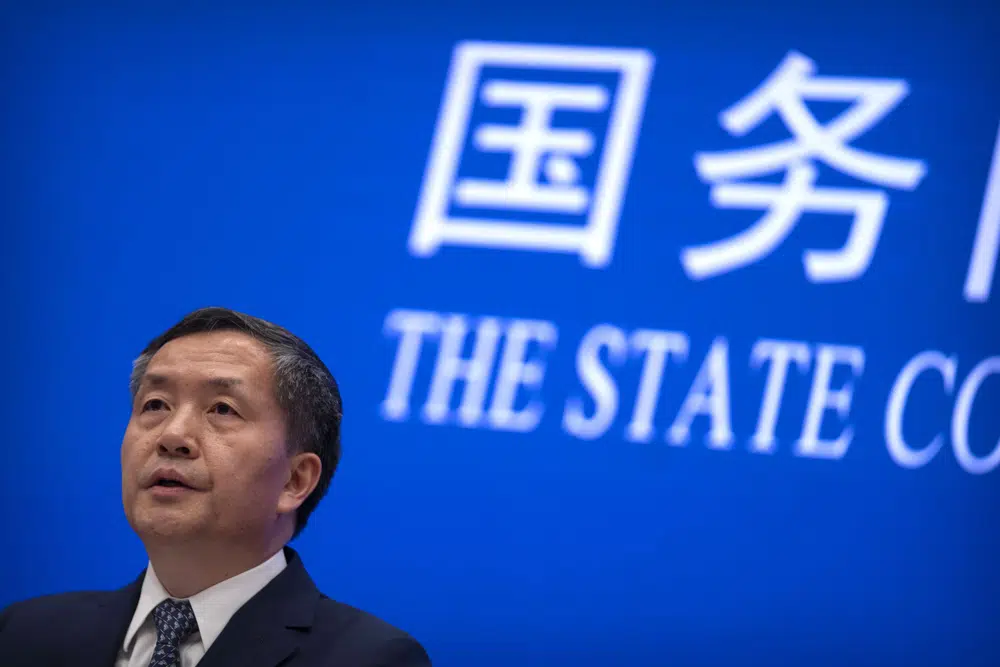
Shen Hongbing, the director of the Chinese Center for Disease Control and Prevention, speaks at a press conference on the origins of COVID-19 at the State Council Information Office in Beijing, Saturday, April 8, 2023.
 (AP Photo/Mark Schiefelbein)


BEIJING (AP) — Chinese health officials defended their search for the source of the COVID-19 virus and lashed out Saturday at the World Health Organization after its leader said Beijing should have shared genetic information earlier.

The WHO comments were “offensive and disrespectful,” said the director of the China Center for Disease Control and Prevention, Shen Hongbing. He accused the WHO of “attempting to smear China” and said it should avoid helping others “politicize COVID-19.”

The global health body’s director-general, Tedros Adhanom Ghebreyesus, said March 17 that newly disclosed genetic material gathered in Wuhan in central China, where the first cases were detected in late 2019, “should have been shared three years ago.”

“As a responsible country and as scientists, we have always actively shared research results with scientists from around the world,” Shen said at a news conference.

The origins of COVID-19 are still debated and the focus of bitter political dispute.

Many scientists believe it jumped from animals to humans at a market in Wuhan, but the city also is home to laboratories including China’s top facility for collecting viruses. That prompted suggestions COVID-19 might have leaked from one.

The ruling Communist Party has tried to deflect criticism of its handling of the outbreak by spreading uncertainty about its origins.

Officials have repeated anti-U.S. conspiracy theories that the virus was created by Washington and smuggled into China. The government also says the virus might have entered China on mail or food shipments, though scientists abroad see no evidence to support that.

Chinese officials suppressed information about the Wuhan outbreak in 2019 and punished a doctor who warned others about the new disease. The ruling party reversed course in early 2020 and shut down access to major cities and most international travel to contain the disease.

The genetic material cited by the WHO’s Tedros was uploaded recently to a global database but collected in 2020 at a Wuhan market where wildlife was sold.

The samples show DNA from raccoon dogs mingled with the virus, scientists say. They say that adds evidence to the hypothesis COVID-19 came from animals, not a lab, but doesn’t resolve the question of where it started. They say the virus also might have spread to raccoon dogs from humans.

The information was removed by Chinese officials from the database after foreign scientists asked the CDC about it, but it had been copied by a French expert and shared with researchers outside China.

A CDC researcher, Zhou Lei, who worked in Wuhan, said Chinese scientists “shared all the data we had” and “adhered to principles of openness, objectivity and transparency.”

Shen said scientists investigated the possibility of a laboratory leak and “fully shared our research and data without any concealment or reservation.”

Shen said the source of COVID-19 had yet to be found, but he noted it took years to identify the AIDS virus and its origin still is unclear.

“Some forces and figures who instigate and participate in politicizing the traceability issue and attempting to smear China should not assume that the vision of the scientific community around the world will be blinded by their clumsy manipulation,” Shen said.


Tuesday, August 17, 2021

US accusations against China on Covid-19 origin-tracing are totally groundless

LETTERS
MALAYSIAN STAR
Tuesday, 17 Aug 2021

THE United States has been hyping up the so-called "lab leak" conspiracy theory recently and is once again shifting the blame on the origins of Covid-19 to China. In fact, at the very beginning of the global outbreak of Covid-19, the administration of US former president Donald Trump had already made up wave after wave of conspiracy theories to smear China with the groundless presumption of guilt in an attempt to cover up their incompetence in coping with the pandemic.

With the worsening pandemic situation compounding the presidential election last year, the US was focused on dealing with its domestic problems. However, as the situation is getting better to some extent, the Biden administration is beginning to create a fuss again over tracing the origins of Covid-19 and overtly targeting China as the culprit.

The US is continuously and wantonly attacking China, politicising the pandemic and stigmatising the virus. The purpose is to shift responsibility for their botched pandemic response and achieve the political motive of discrediting and suppressing China.

Anyone with an ounce of objectivity can see clearly that the US is once again playing dirty tricks, like using a test tube of laundry powder as evidence for Iraq’s possession of weapons of mass destruction, in peddling the propaganda of holding China liable for the Covid-19 outbreak.

Although it is clear to the US that it will not be able to defeat China this time, it is still trying to sabotage China’s image. By doing so, it is not only undermining global cooperation in the fight against the pandemic, seriously disrupting global economic recovery, but also failing to help improve its domestic Covid-19 situation or save lives. The US will only harm itself as well as others! This game is not worth the candle.

Accusations and attacks by the US against China on Covid-19 origin-tracing are totally groundless. Origin-tracing is a complex scientific matter requiring science-based cooperation. Since the outbreak of Covid-19, China has upheld the principles of openness, transparency, science and cooperation in tracing the origins of the virus. We maintained close communication with the World Health Organisation (WHO) and many countries, and provided great support to the work on origin-tracing.

Last year, China organised a multidisciplinary team to work on origin-tracing despite being engaged in arduous epidemic prevention and control tasks. China took the lead in collaborating with WHO on global origin-tracing and had twice invited WHO experts to China for origin-tracing research. In particular, leading experts from 10 countries, including the US, United Kingdom, Japan and Australia, formed a joint team of experts with their Chinese counterparts earlier this year. They carried out a 28-day joint research effort in China. China gave full support to the expert team.

We have done our best to coordinate relevant organisations to meet the requirements of the experts, who visited places they wanted to visit and talked to everybody they wanted to talk to.

They analysed data, made field visits and conducted interviews and exchanges together, and they steadily formed a consensus based on science.

On March 30, WHO released the report of their study, which concluded that the pathway of lab leak is extremely unlikely, and that no massive outbreak was found in Wuhan prior to December 2019. They also recommended further research on earlier cases around the world and further study of the role of cold-chain and cold-chain products in viral transmission.

These important conclusions were reached by following WHO procedures and rigorous scientific methodology. They are authoritative and scientific, and have been universally recognised by the international community.

The report pointed out the direction and laid the basis for the next step of joint studies on the origins of the virus in various countries and localities under a global framework.

China’s open and transparent attitude on the issue of Covid-19 origin-tracing has also been affirmed by experts from various countries.

However, the US government chose to reject the report in defiance of authoritative scientific research conclusions, and even ordered its intelligence community to come up with a conclusion on the origin of the virus within 90 days. The US has turned the research with scientists as main actors into a trick manipulated by some politicians, and tried to peddle intelligence-led origin-tracing and the presumption of guilt.

On the issue of origin-tracing, some people in the US may indeed have a guilty conscience. In June, Vanity Fair revealed an internal warning from the US government against an investigation into the origin of the coronavirus that could open a can of worms. In fact, the US has remained silent on the serious concerns raised by the international community about the Fort Detrick bio-lab and the more than 200 biological laboratories overseas.

The US must understand that the international community, including China, has every reason to raise questions about the Fort Detrick bio-lab and demand clarification and explanation, and also call on WHO to conduct a thorough investigation on it. The US should prove itself responsible and start revealing the truth to the world instead of muddying the water.

People can tell right from wrong. Politicising Covid-19 origin-tracing undermines solidarity of the international community and interferes with the joint efforts to fight the pandemic. The international community strongly opposes the attempt to politicise the study of the Covid-19 origins. Nearly 70 countries have expressed opposition to the politicisation of origin-tracing while supporting the China-WHO joint mission report by writing letters to the WHO director-general, issuing statements and sending notes. On Aug 2, more than 300 political parties, civil society organisations and think tanks from over 100 countries and regions submitted a joint statement to the WHO Secretariat, calling for WHO to carry out global virus origin-tracing research in an objective and fair manner, and stating their resolute stand against politicising the virus origin-tracing issue.

More and more experts and scholars are speaking out against the spread of political virus. Jeffrey Sachs, a professor at Columbia University in the US, wrote that origin-tracing should not be used to blame China.

Pamela Bjorkman, a professor of biology at California Institute of Technology, explained why she co-signed an open letter to the journal Science calling for investigations into the "lab leak theory". She thought "the letter would have the effect of promoting more funding for searching for natural viruses in animal reservoirs" and "did not anticipate that the letter would be used to promote the lab origin hypothesis." Looking back, she felt she had acted "perhaps naively", she said.

Many organisations and individuals from Malaysia have spoken out to criticise the US for politicising the origin-tracing of Covid-19 in various ways. For example, a local daily published an article on July 29 pointing out that the US has interfered with international cooperation in the Covid-19 origin investigation by politicising it, and there is no legal basis to make China bear legal responsibility for the pandemic.

At present, the overall situation of the global pandemic remains complex and serious, and the daily number of new confirmed cases is still high in many countries, including Malaysia.

Covid-19 origin-tracing is a race between science and the virus, and it is a serious and urgent scientific work. Origin-tracing should not be infected by political viruses. It should not be used as a tool to blame, suppress and contain a certain country, let alone split the international community.

As the Malay saying goes, "Bersatu kita teguh, bercerai kita roboh (United we stand, divided we fall).” Only when we unite will we be able to effectively and truly curb the spread of the virus and restore a prosperous, harmonious, and peaceful life to people around the world.

As a responsible country, China is willing to work with the international community to jointly safeguard the scientific nature of the origin study, jointly resist the retrogressive trend of politicising the issue and maintain a sound atmosphere for global anti-pandemic cooperation.

CHINESE CONSUL GENERAL

Penang

Thursday, May 13, 2021


China's COVID-19 disinformation push, aided by Canadian group, raises concerns about next pandemic

As it claims to have snuffed out local transmission of COVID-19, the regime is casting the pandemic in a dramatically new light

Author of the article: Tom Blackwell
Publishing date: Mar 28, 2020 •
Chinese commuters wear protective masks as they line up in a staggered formation while waiting for a bus at the end of the work day on March 20, 2020 in Beijing, China. PHOTO BY KEVIN FRAYER/GETTY IMAGES

It’s safe to say China’s foreign ministry does not often pay much attention to obscure Canadian research organizations run by conspiracy theorists.


But earlier this month the ministry’s spokesman tweeted in English not once but three times about two surprising articles from the Montreal-based Centre for Research on Globalisation.


“This is so astonishing that it changed many things I used to believe in,” Lijian Zhao wrote to 500,000 followers on a social-media platform his fellow Chinese are banned from using. “Please retweet to let more people know about it.”

The “astonishing” piece suggested that COVID-19 did not originate in Wuhan, China, as Chinese and other scientists have reported, but was brought to Wuhan by American soldiers last November.


This is so astonishing

Despite the dubious source, Zhao tweeted about another article on the institute’s website — a hotbed of 911-deniers and champions of Vladimir Putin’s worldview — and then tweeted “it might be US army who brought the epidemic to Wuhan. Be transparent!”.

IT IS AN ANTI IMPERIALIST SITE AGAINST CAPITALIST GLOBALIZATION


Beijing and its media outlets did not stop there. They’ve also suggested recently the virus might have originated in Italy, and that a Wuhan doctor arrested after raising the alarm about the new virus — only to later die from it — was a Communist Party hero, not an inconvenient whistleblower silenced by the state.

Only a couple of months ago, China was pilloried for initially covering up and then underplaying the newly emerging coronavirus.

But as it emerges from a strict lockdown and claims to have snuffed out local transmission of COVID-19, the regime is casting the pandemic in a dramatically new light. It’s one that reflects brightly on the government of President Xi Jinping — and raises worrisome questions about the likelihood of China making changes that might prevent the next pandemic.

“The Chinese Communist Party sees itself as engaged in a global competition over the narrative surrounding COVID-19, its origins and government responses,” says Julian Gewirtz, Harvard-affiliated author of Unlikely Partners: Chinese Reformers, Western Economists and the Making of Global China.

“The disinformation, the conspiracy theory peddling and the wild and unsubstantiated accusations are prime examples.”

This photo taken on March 18, 2020 shows residents reacting below a banner of appreciation as members of a medical assistance team from Yunnan province depart after helping with the COVID-19 coronavirus recovery effort in Wuhan, in China’s central Hubei province. PHOTO BY STR/AFP VIA GETTY IMAGES

China’s role in the beginnings of the pandemic has, of course, become political fodder in the United States, where President Donald Trump insists on ignoring the medical name of the new disease, calling it the “Chinese virus” instead.

Increased reports of anti-Asian racism and xenophobia in the U.S. have followed. China is a convenient scapegoat now that the U.S. actually has more COVID-19 cases, a soaring death toll and overwhelmed hospitals in some places.

Meanwhile, China has received widespread praise for its eventual, aggressive response to the new virus, imposing a massive quarantine around the epicenter in Wuhan that helped at least slow the virus’s spread elsewhere. Chinese scientists have also been key in isolating the pathogen and mapping out its unique qualities.

The origins of the pandemic are a complex question best left to scientists, said China’s embassy to Canada in an email response to National Post questions.

“People of the world have all witnessed that it is under the leadership of the CPC (Communist Party of China) that the Chinese people achieved independence, freedom and liberation and made enormous progress in national development,” said the mission’s statement. “It is also under the leadership of the CPC that the Chinese nation united as one and speedily fought against COVID-19, buying precious time for the global response.”

The Chinese Communist Party sees itself as engaged in a global competition over the narrative surrounding COVID-19, its origins and government responses

But beyond name-calling by the U.S. and chest-thumping by China, there are clear reasons to look toward Beijing and its part in the expanding crisis, reasons that could determine if the world faces a similar calamity in the near future.

While the precise genesis of the disease is still something of a question mark, the current consensus reflects the conclusions of a group of 34 Chinese researchers, and one Australian, in the journal Lancet late last month.

The coronavirus, like others of its type, seems to have originated in bats, then jumped to live animals sold at a market in Wuhan, the specific culprit likely being an odd beast called a pangolin, and from there to humans, their paper concluded. Microbiologist David Kelvin of Dalhousie University, who has had a longstanding collaboration with researchers in Shantou, China, agrees.


It’s not totally implausible that it might have been circulating in humans earlier somewhere else — like Italy, he said. A “sero-prevalance” study that tested banked blood samples from well before the start of the pandemic might determine if there’s anything to the theory
.
A Chinese commuter wears a protective mask while riding through a nearly empty intersection during the afternoon rush hour on March 6, 2020 in Beijing, China. PHOTO BY KEVIN FRAYER/GETTY IMAGES

But, he said, “the data right now suggest that the origins are Chinese.”

In that regard, COVID-19 has obvious parallels.

The 2003 SARS virus, to which the new virus is closely related, is thought to have originated in bats, then leapt to animals sold at live markets in China’s Guangdong province — probably the civet cat — and on to people.

The H7N9 influenza virus, which has caused a string of relatively small but deadly epidemics in China, likewise moved from bats to wild fowl and then domestic poultry bought live by consumers, Kelvin said.

Wild animal sales were ordered stopped after SARS, then re-emerged. Beijing has now banned trade in live wild animals like the pangolin for food, though apparently not for use in traditional medicine.

Live wild game sales in China and other countries must be ended completely, otherwise “we predict with confidence that COVID-19 will not be the last viral pandemic,” virologist Nathan Wolf and “Guns, Germs and Steel” author Jared Diamond wrote in a recent op-ed article.

Some want a crackdown to go further. Wet markets, generally, even if just selling domestic animals, should be closed, says Kelvin.

Meanwhile, another human factor also seemed key to the spread of COVID-19. As doctors in Wuhan first became aware in December of patients suffering a mystery pneumonia — and infecting health-care workers — some put out the word to colleagues. But then eight of them, including ophthalmologist Li Wenliang, were brought in by police and accused of spreading false rumours. Li died from COVID-19 in February.

When officials publicly acknowledged the emergence of a novel pathogen, they at first played down its seriousness, questioning whether it could be transmitted between humans. A holiday banquet of 40,000 people went ahead in Wuhan on Jan. 13.

The Citizen Lab, a University of Toronto Internet watchdog, later reported that a Chinese live-streaming platform started blocking key words related to the outbreak in late December, with broader censorship following that.


Wuhan was eventually sealed off from the world on Jan. 23, inside a cordon sanitaire of unprecedented scale. Amid the initial suppression, virus carriers had already left the transportation hub in droves. The first Canadian case, a traveller who had visited the city, surfaced Jan. 26.

The emergence of COVID-19 was at first a public-relations disaster for China, an emerging superpower keen to bolster its international influence and prestige.

A woman wearing a face mask walks past a poster of late Li Wenliang, a Chinese ophthalmologist who died of coronavirus at a hospital in Wuhan, as the spread of the coronavirus disease (COVID-19) continues in Prague, Czech Republic, March 27, 2020. PHOTO BY REUTERS/DAVID W CERNY

Then it began trying to change the conversation, and the pandemic’s core facts.

Among the first, startling examples was Foreign Ministry spokesman Zhao’s posts earlier this month.

One of the Montreal centre’s articles he tweeted about suggested that American soldiers who visited the World Military Games in Wuhan in December might have brought over the virus. Another suggested they caught the bug from a shuttered U.S. disease lab.

The centre’s website, globalresearch.ca, is replete with such conspiracy theories, including claims that Al Qaeda and the 911 attacks were an American invention, that the U.S. manipulates the weather as a potential weapon of mass destruction and vaccines are “genetic poisons.”

The website earlier came to the attention of the Latvia-based Strategic Communications Centre (StratCom), a NATO-affiliated thinktank, because of its consistent dissemination of articles reflecting Kremlin propaganda. A recent piece suggested NATO was preparing to attack Russia.

Those articles tend to reflect disinformation that was originally spread by Russian operatives. Then, to bolster the legitimacy of the dubious reports in a sort of “information laundering,” the Canadian items are quoted back by Kremlin-controlled media, Janis Sarts, StratCom’s director, said in an interview Friday.

“When Russia needs to refer to a Western source, this is typically the site that is quoted,” he said.

In a similar vein, the site’s articles on COVID-19 quote extensively from the Chinese Communist party’s Global Times, only to be later cited by a Beijing official.

For those not convinced the pandemic originated in the U.S., state-controlled media like the Global Times and CGTN have proffered another suggestion: that it began last November in Italy.

We have not seen the last Li Wenliang

But when Italian newspaper Il Foglio reached the supposed Italian source for one such report, the pharmacology professor told the outlet “it’s propaganda. The virus is from Wuhan. Science has no doubt about that.”

Then there is the reinvention of Li Wenliang’s tragic story. His death triggered an outpouring of public grief and anger at authorities “unlike anything else I can remember,” said Gerwitz.

That was before the regime claimed him as one of its own. Local police were punished for unfairly persecuting him and official organs described him as a loyal party member.

So how does all this bode for the future? If another new virus emerges within its borders, will China be more transparent, allowing public health to quickly and definitively stop the germ before it spreads? Will traditional food commerce be changed for good?

Gerwitz says all countries, and particularly his own, need to be held accountable for how they handled the pandemic, which has killed over 1,000 Americans under a president who also once downplayed its gravity.

As for China, though, he’s not overly optimistic.

Rather than make the necessary changes, Beijing may see the crisis as a reason to intensify even further its surveillance and control of the population.

“We have not seen the last Li Wenliang,” Gerwitz said of the doctor whistleblower. “The question his case raises is whether the next Li Wenliang will even have the opportunity to send that first message.”