It’s possible that I shall make an ass of myself. But in that case one can always get out of it with a little dialectic. I have, of course, so worded my proposition as to be right either way (K.Marx, Letter to F.Engels on the Indian Mutiny)
100 years of menus show how food can be used as a diplomatic tool to make and break political alliances
Researchers examined menus from Portuguese diplomatic dinners dating from 1910 to 2023 and showed that meals can play a significant role in a country’s foreign policy.
Menu of the “Luncheon in honour of her Majesty Queen Elizabeth II and his Royal Highness the Duke of Edinburgh” held in Alcobaça (Portugal) on February 20th, 1957.
Food brings people together. It serves as a tool to communicate political stances, to cultivate cross-cultural comprehension or, if necessary, create tensions. Menus can reflect these intentions by using food to create specific psychological effects and convey symbolic messages. But how exactly is it done?
Now, researchers in Portugal have examined menus from diplomatic dinners, state banquets, and receptions hosted over the 20th and 21st centuries to find out how meals reflected and shaped Portuguese foreign policy and geopolitics.
“Those meals play a significant role as diplomatic institutions in the execution and continuity of Portuguese foreign policy,” said Óscar Cabral, the first author of the Frontiers in Political Sciences article, who is a gastronomic sciences researcher at the Basque Culinary Center. “They demonstrate how culinary and gastronomic practices have facilitated diplomatic negotiations and provided opportunities for cultural exchange, political messaging, and the conveyance of Portuguese culture.”
Food from Portugal
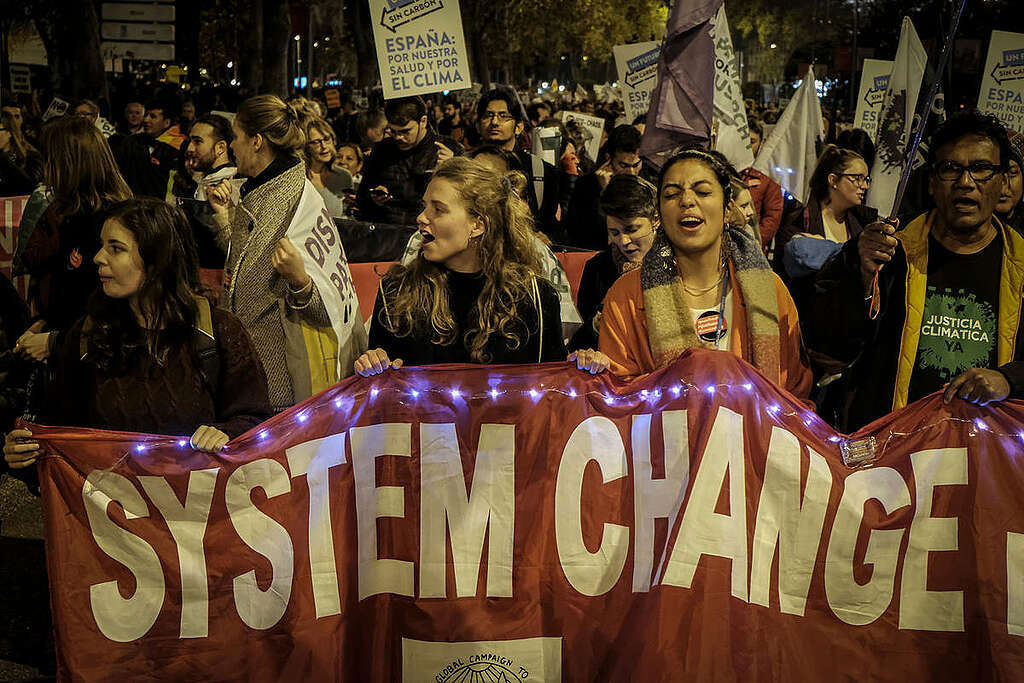
“Menus can be intentionally designed to convey political messages and communicate non-gastronomic aspects,” Cabral explained. “For example, the COP25 meal in Madrid used dish names like ‘Warm seas. Eating imbalance’ and ‘Urgent. Minimize animal protein’ to draw attention to climate issues.”
But using food in this way is not a new idea. For the present study, the researchers analyzed menus from 457 diplomatic meals dating between 1910 and 2023. While a clearly structured culinary diplomatic strategy or public policy could not be identified, certain historical periods showed distinct characteristics.
During the first half of the 20th century, lavish nine or 10-course meals featuring French cuisine were the norm. The introduction of Portuguese products happened gradually over the second half of the 20th century. A turning point occurred during the dictatorial Estado Novo period, which lasted from 1950 to 1961/62.
“We see a fundamental shift towards the inclusion and promotion of Portuguese products, territory, and culinary regionalism,” said Cabral. During this time, meals were designed to reflect an emerging gastronationalism, that is the use of food to promote national identity. “This crystallized in the 1957 ‘regional lunch’ for Queen Elizabeth II, which was designed to convey a sense of territory and ‘Portugality.’” Dishes included lobster and fruit tarts from the Portuguese cities of Peniche and Alcobaça.
During the 1960s and 70s, diplomatic meals increasingly featured rare ingredients, like the turtle soup served to Prince Philip, the Duke of Edinburgh in 1973, or trout from the Azores served to the American and French presidents in 1971. Yet, around the same time, typically Portuguese products may have been included because sourcing more exclusive alternatives was difficult during times of economic and energy crises, which in Portugal lasted beyond the 1970s.
Another shift on menus occurred when Portugal’s former colonies gained their independence. The understanding of what Portuguese cuisine was shifted – for example, coffee was simply referred to as such, without an indication of its country of origin – and colonial language was removed.
To make, foster, and break alliances
The team identified five functions of diplomatic meals. Tactical meals often relate to territory transfers; geopolitical meals aim at renewing and confirming alliances. Economic diplomacy meals intend to foster commercial and financial relations. Scientific, cultural, and developmental cooperation meals may be hosted to show common interests. Cultural proximity meals can be a tool to strengthen cultural ties to specific countries, for example, Portuguese-speaking countries across the world. “When strengthening these ties, menus intentionally feature products closely tied to a shared national gastronomy, like Cozido à Portuguesa (Portuguese stew) or codfish recipes,” Cabral said.
Integrating gastronomy – alongside Portuguese language, values, and traditions – into national institution’s strategic work is necessary to shape the world’s understanding of Portuguese culture, the team said. “Our study illustrates how national cuisines can be strategically used to strengthen a country’s global standing,” said Cabral. It is limited, however, by the availability of archival materials from specific historical periods. Further study should also aim to understand seemingly contradictory menu choices, such as roast beef being served to the Indian president in 1990, the team said.
“Another dish that stands out is the Consommé de presunto de Barrancos, a thin soup made of cured ham from Barrancos, served to King Felipe VI of Spain in 2016. It presents a cultural and gastronomic identity challenge,” Cabral pointed out. It’s a hybrid dish – a French-style soup using a classic French cut but featuring a key Portuguese product (Barrancos ham) – one that was served to the monarch of a nation famously known as the country of cured ham. “One can read it as a gastronomic funny challenge,” concluded Cabral.
Official dinner menu served to Felipe VI of Spain by the President of the Republic, Marcelo Rebelo de Sousa, in November 2016 at Paço dos Duques de Bragança (Guimarães).
Dear changemakers, thank you for all that you’ve done this year.
Reflecting on 2024, we endured yet another year filled with climate catastrophes, political unrest and international inequality. But even through these challenging times we can find hope in our collective actions and victories, no matter how big or small. Together, we can pave the way forward towards a better future.
Dear Earth, thank you for continuing to show up every day for us.
Across the globe, people took bold steps to care for the planet. 2024 showed us the strength of coming together with purpose and passion. These efforts may not solve every challenge overnight, but they are the building blocks of creating lasting change.
Dear Earth citizens, we invite you to take moments to appreciate living on this planet.
The journey that we are on is a long one, so friends, take care of yourself as we heal the world together. What lies ahead may not be easy, but as we continue to show up, make our voices heard and hold polluters accountable we must not forget to take care of ourselves, our peers and our communities.
Dear all, we hope that you’ll join us on this journey towards a better future, taking care of our planet, ourselves and each other.
With courage as our compass and optimism as our fuel, here are some of the top victories of 2024 for people and the planet to inspire us to keep taking action.
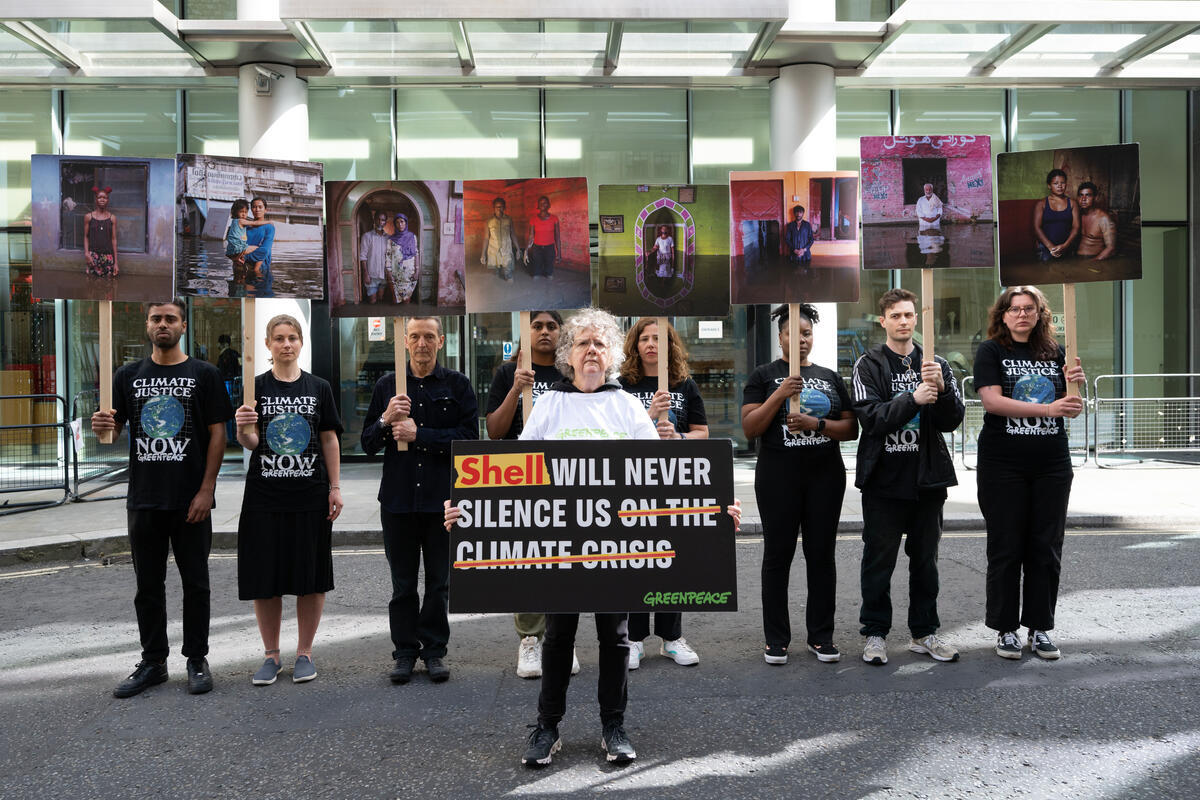
United Kingdom. Shell backs down in lawsuit against Greenpeace
In February 2023, Shell launched a multi-million dollar lawsuit against Greenpeace UK and Greenpeace International over a peaceful protest. But with our supporters behind us, we showed Shell their bullying tactics won’t intimidate us – and now they’ve backed down and agreed to settle out of court. People power works – this campaign was fought with the support of thousands of ordinary people against one of the richest companies in the world.
This legal battle might be over, but Big Oil’s dirty tricks aren’t going away. With Greenpeace facing further lawsuits around the world, we won’t stop campaigning until the fossil fuel industry stops drilling and starts paying for the damage it is causing to people and the planet.
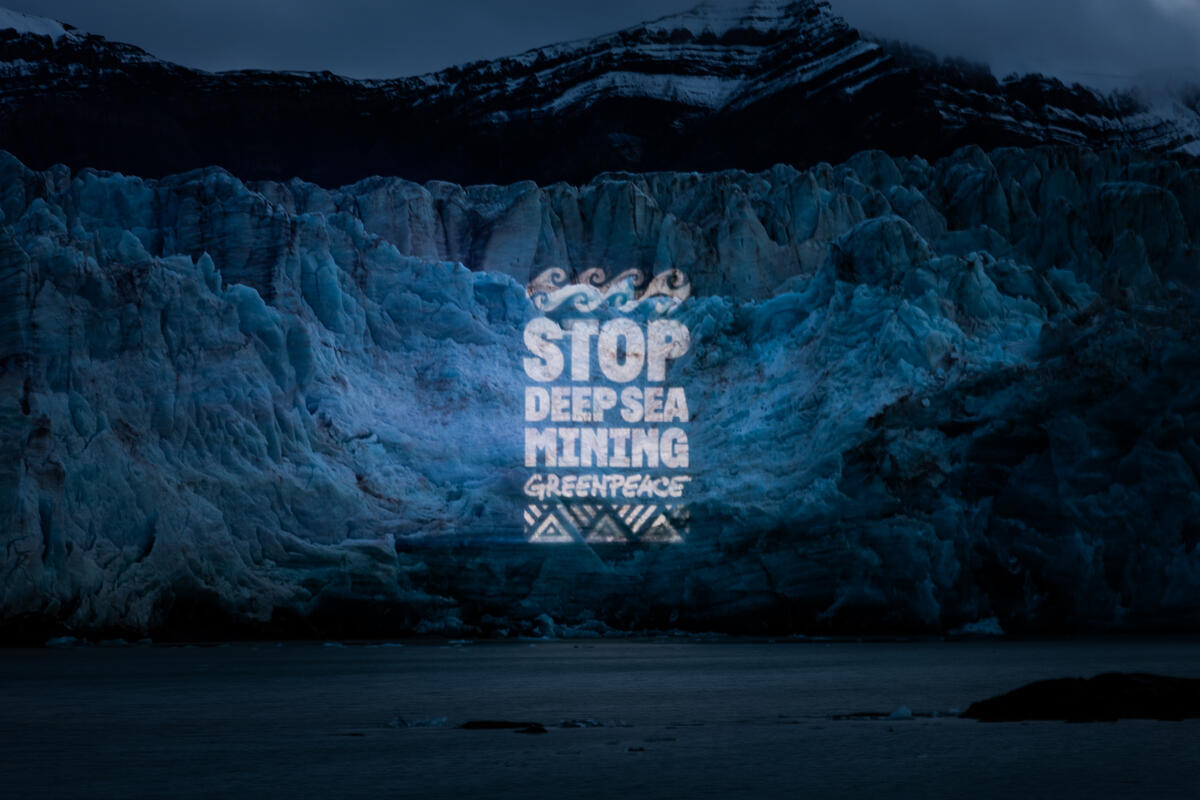
Huge win for the ocean as Arctic deep sea mining plans are stopped in Norway! After more than a year of decisive campaign work and massive pressure from activists, scientists and the international community, the Norwegian government has agreed to stop the first licensing round for deep sea mining in Arctic waters for at least the rest of their term in office, until the next election.
This is a major and important environmental victory which shows that mobilisation and people power works.
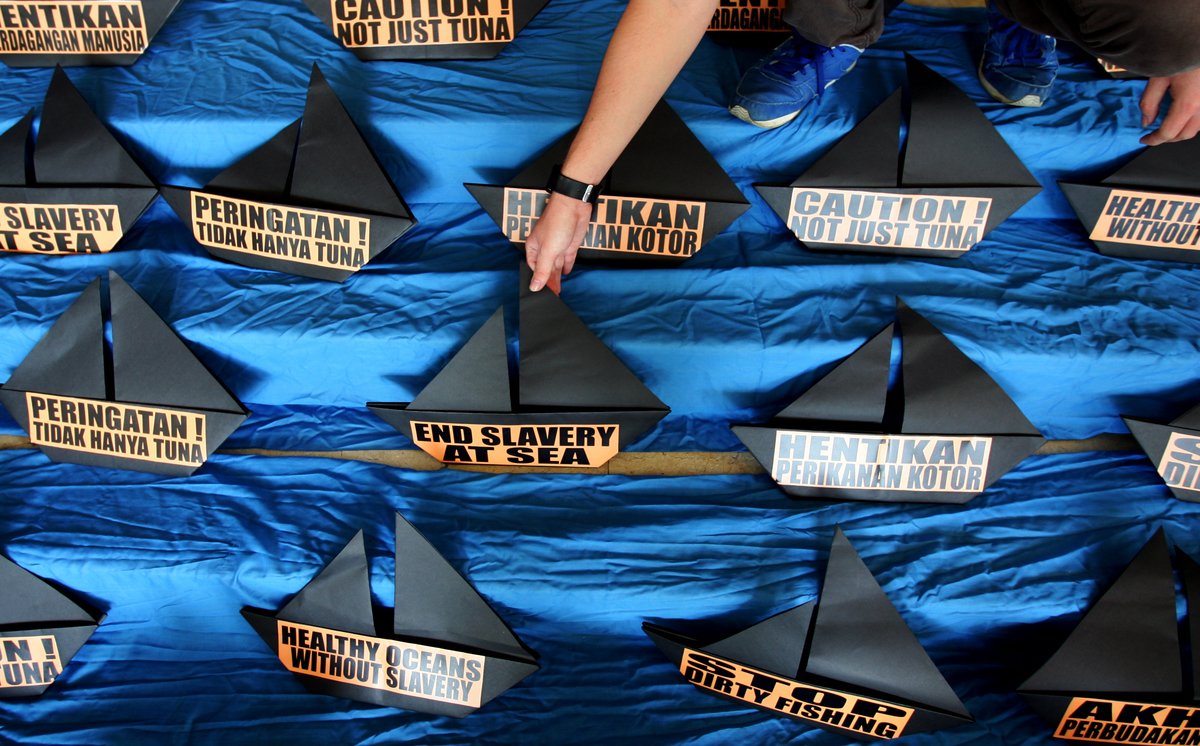
Indonesia. Measures to regulate labour standards for fishing vessels adopted
After years of discussions, rejections, objections and negotiations involving governments, civil society organisations including Greenpeace Indonesia, and unions representing migrant fishers, the Western and Central Pacific Fisheries Commission (WCPFC) finally adopted the Conservation and Management Measures (CMM) for Crew Labor Standards on 3 December 2024.
The WCPFC oversees fish population management, promotes sustainable fishing practices, and implements conservation measures. This decision underscores their commitment to ensure the well-being of crew in an industry that suffers from serious labour abuses.
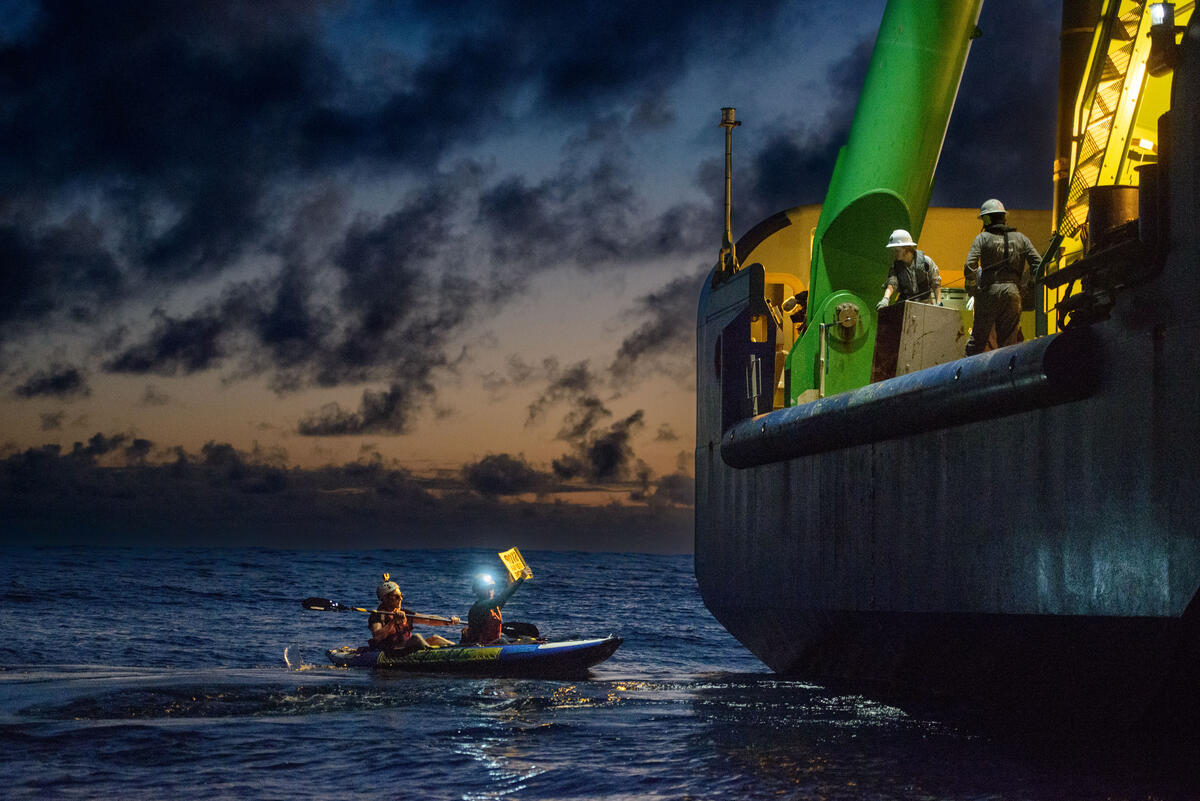
Oceans. Deep sea miners’ efforts to limit the right to protest at sea rejected
Over the last year, The Metals Company and its enablers have repeatedly tried to silence the global wave of resistance. After failing to get an injunction that stopped the action at sea, and unsuccessfully lobbying governments to limit protests around deep sea mining vessels at the International Seabed Authority in March, the company pursued an appeal at the Amsterdam Court of Appeal to try and secure immunity against future Greenpeace protests at sea. But thanks to the incredible work of Greenpeace International’s legal unit, on 12 November 2024, the court ruled once more in our favour, reaffirming our right to peaceful protest at sea.
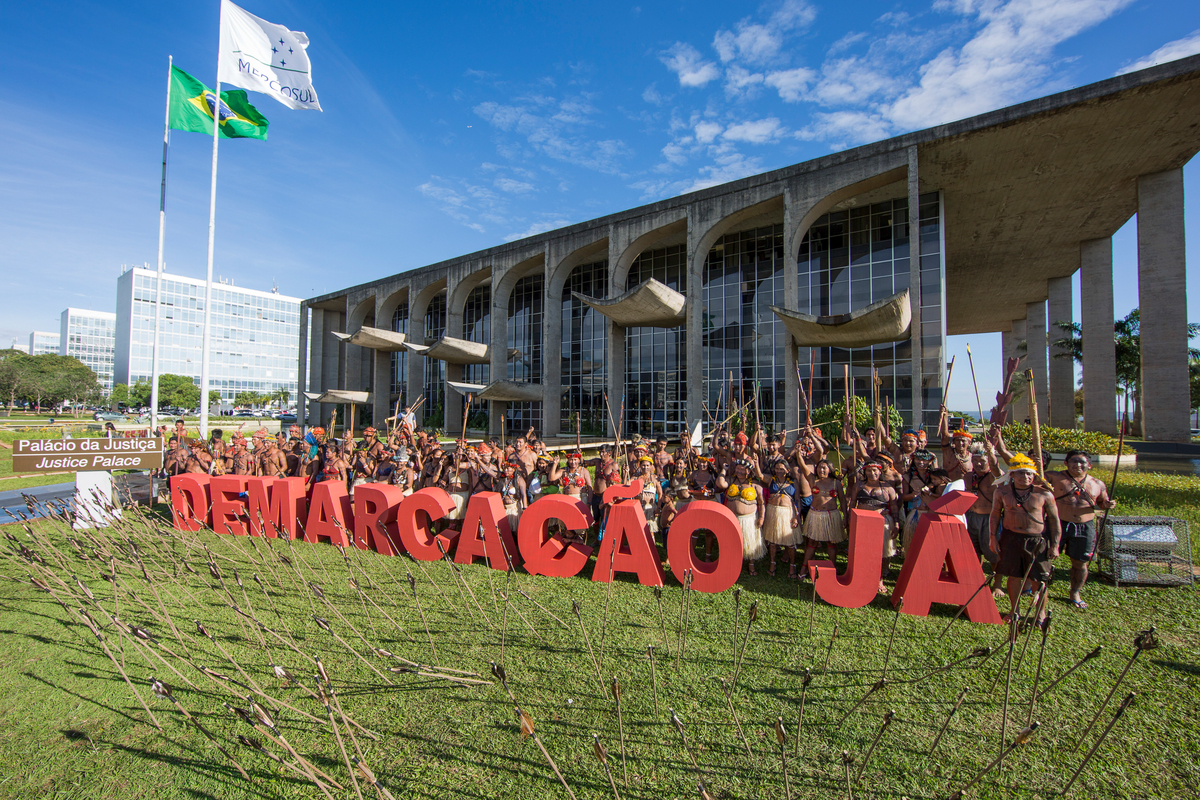
On 25 September 2024, the Sawré Muybu territory in the Tapajós River Basin in the heart of the Amazon rainforest was officially demarcated. The Munduruku People have been fighting for the rights to a land that has always belonged to them but is threatened by mining, illegal logging, and infrastructure projects. This is a historic and profoundly symbolic victory not only for the Munduruku, but for all Indigenous Peoples of the Amazon and Brazil.
South Korea. Top court ruled the country’s carbon neutrality law as unconstitutional
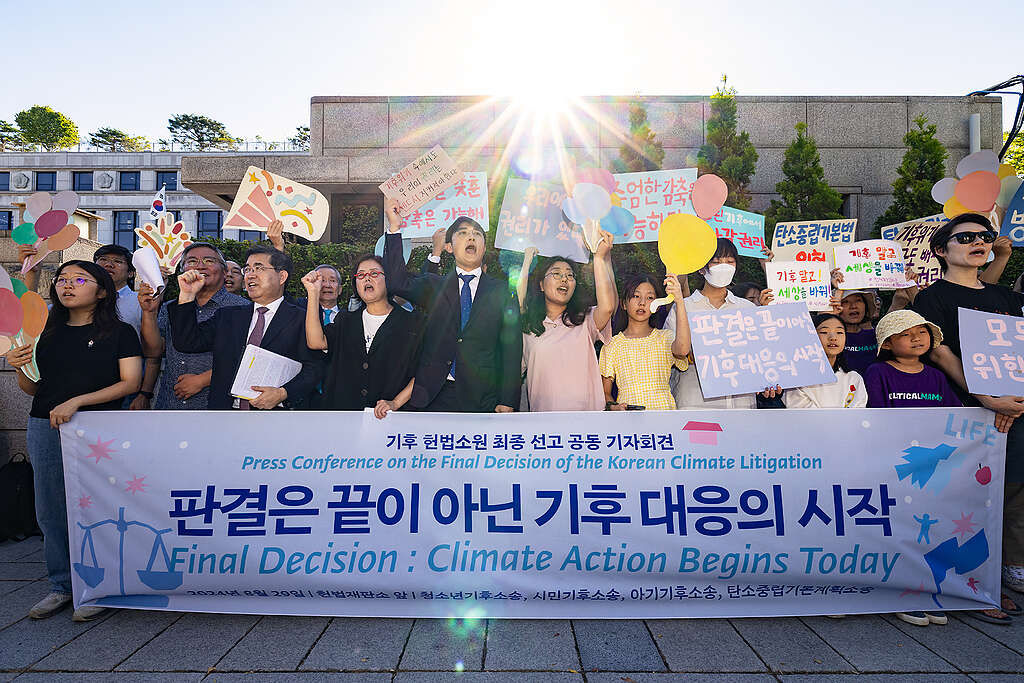
On 29 August 2024, South Korea’s Constitutional Court ruled the country’s carbon neutrality law as unconstitutional for violating citizen’s rights – making it the first ruling of its kind in Asia! The petition was filed in 2020 by over 200 plaintiffs, including young activists and even infants, and is Asia’s first climate court case targeting a country’s carbon neutrality commitments. This is a major climate win for future generations, and could potentially set a precedent in the region for other climate cases.
Australia. Woolworths and McDonald’s commit to going deforestation-free
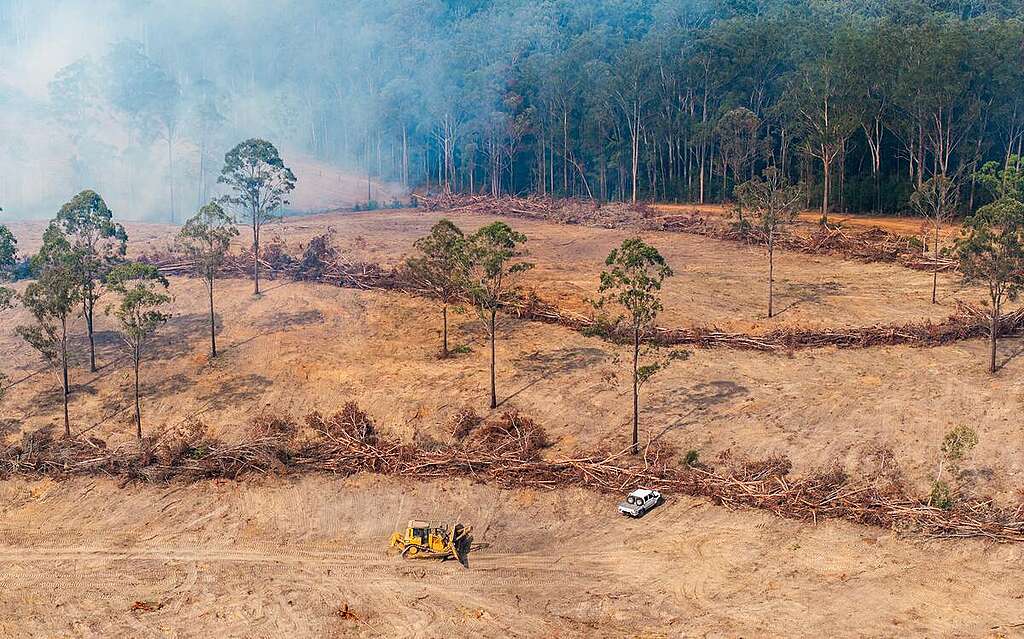
Woolworths and McDonald’s in Australia announced their commitments to source deforestation-free beef. Woolworths will do so by the end of 2025 but McDonald’s will implement theirs by 2030 (Greenpeace Australia Pacific will continue to engage with McDonald’s to ensure they commit to taking deforestation off the menu – by 2025!). These two giant corporations are some of Australia’s biggest retailers and major buyers of Australian beef.
This is a major example of people power as Greenpeace Australia Pacific supporters had sent the big corporations thousands of emails, demanding they go deforestation-free.
In a big win for global tax justice, a favourable blueprint for a UN Tax Convention that will pave the way for a fair and efficient global tax system was laid out in August. An inclusive tax cooperation system will shift power from a few rich OECD countries to the UN where every country has a vote and help governments around the world recover the billions lost to tax dodging by multinational corporations and the ultra-rich. There is still much to do to keep up the pressure as negotiations will continue until 2027.
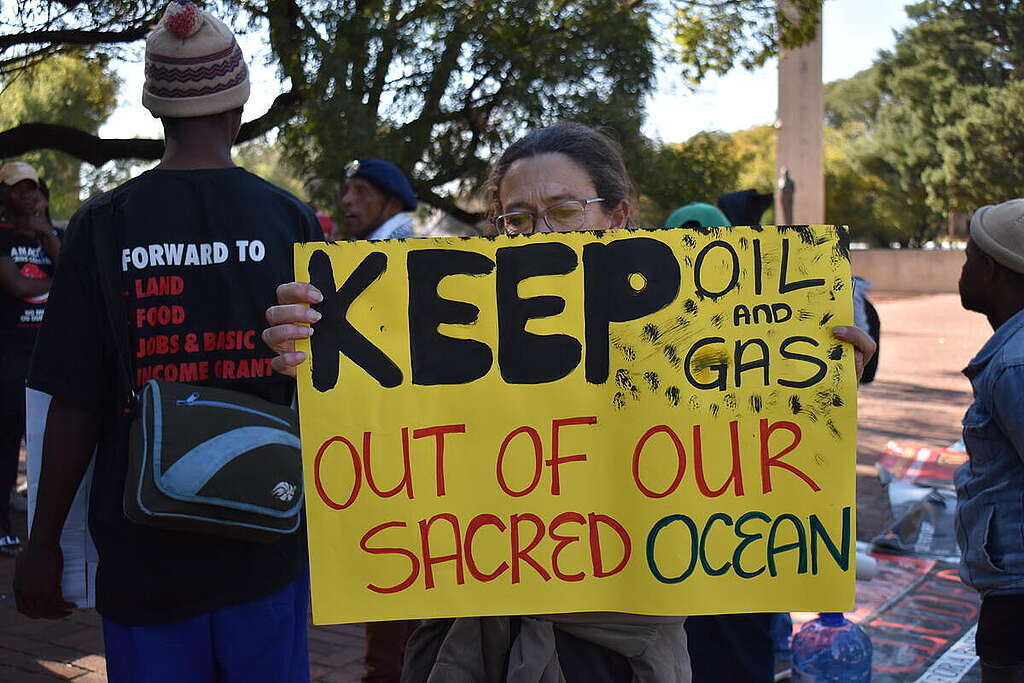
South Africa. Shell loses appeal in case halting plans for oil and gas exploration
Big win against Shell in South Africa! After protests by the community and fishers, Shell loses its appeal against the landmark decision in 2022 which ruled against their plans to conduct oil and gas exploration off the Wild Coast of South Africa. The court says Shell failed to properly inform and consult affected communities, taking into account community rights and environmental harm. Unfortunately, the fight is not yet over as the court has left the door open for Shell’s application to renew its exploration right. Together with allies and the community, Greenpeace Africa is resolute in continuing to fight to stop Big Oil from exploiting the planet for its own profit.
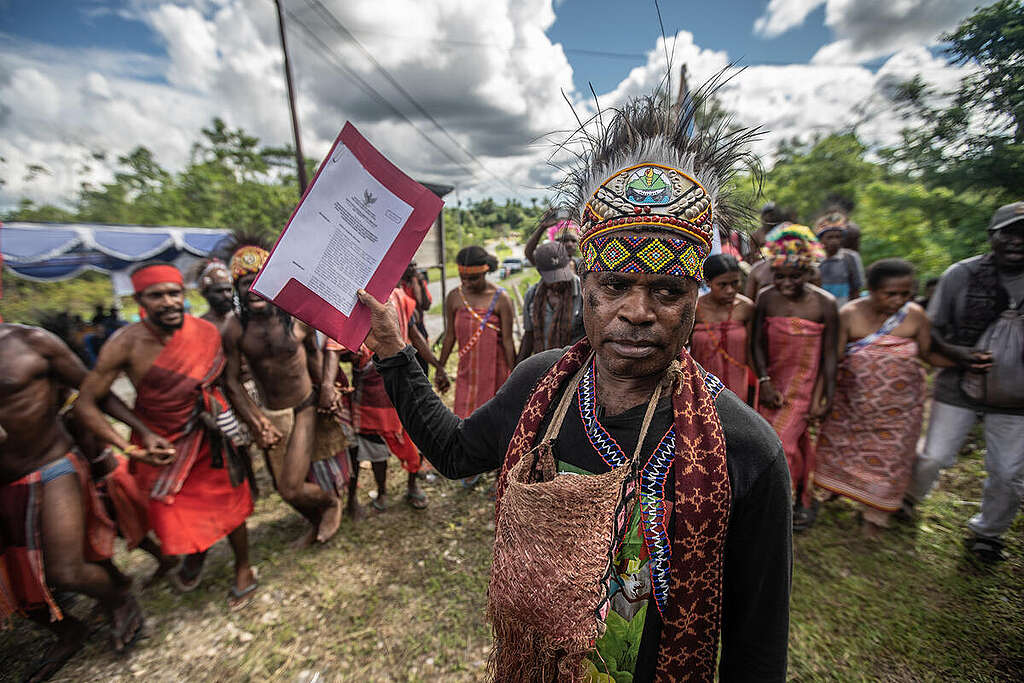
Papua. Major land rights win for Indigenous Peoples
As with many Indigenous communities across Tanah Papua (the western half of New Guinea, also known internationally as West Papua), the Knasaimos Peoples have been fighting for decades to protect their customary lands from exploitation by external interests such as logging and plantation companies. Today’s ruling finally provides legal recognition of their rights to the land, forests, water, and other natural resources that are their ancestral heritage.
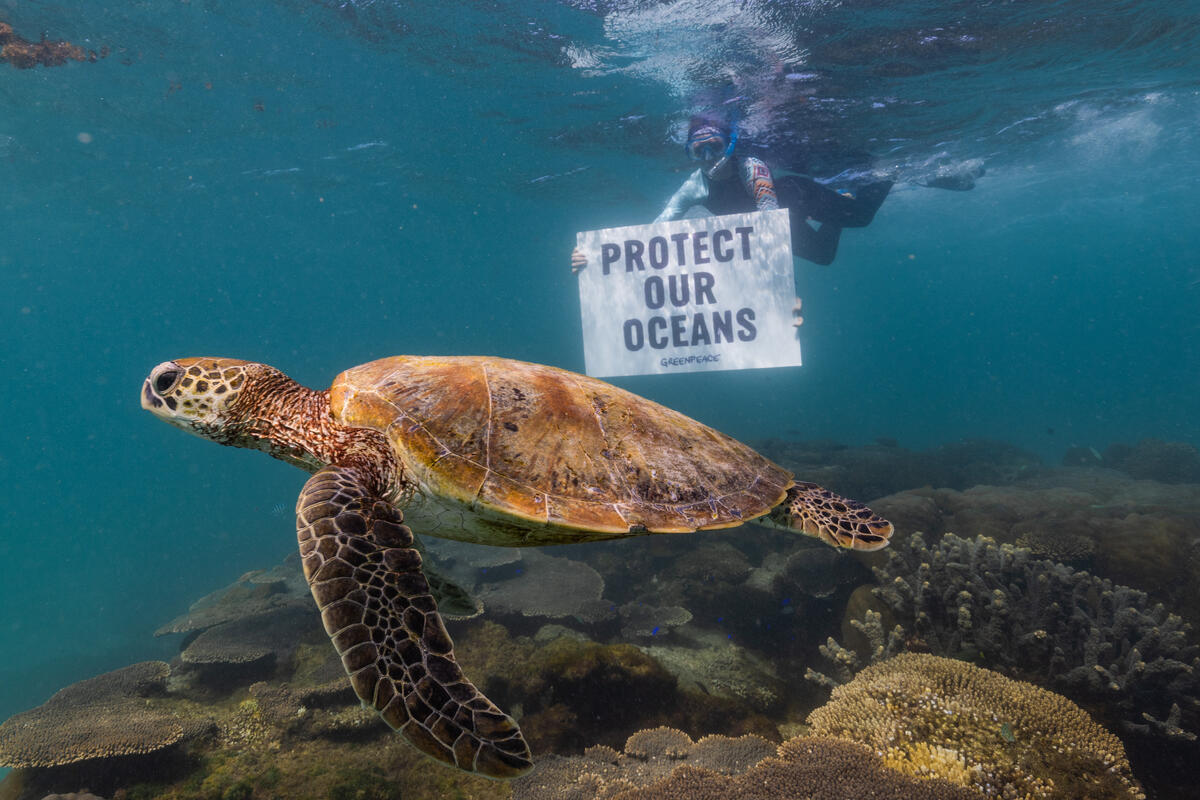
Oceans. World’s highest oceans court ruling to protect our oceans
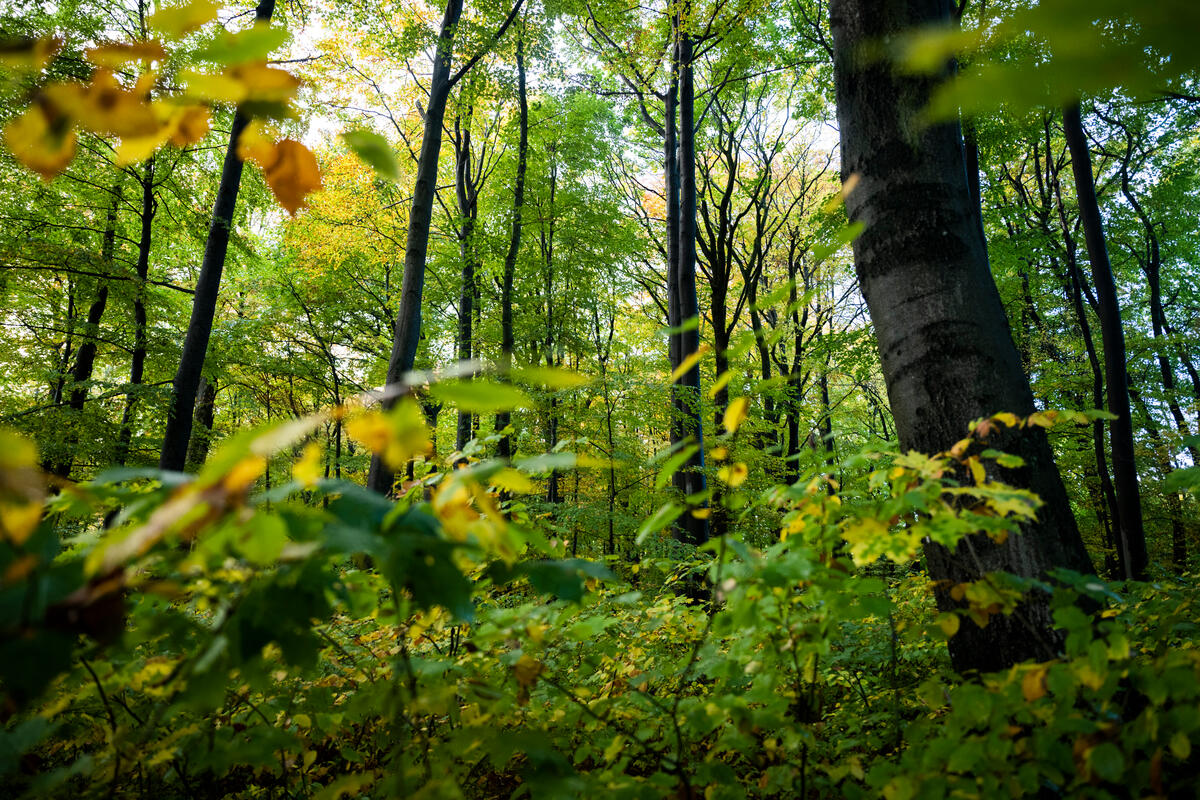
The European Nature Restoration Law was passed and has come into effect! This law is the most important piece of environmental legislation in Europe in decades, aiming to restore and protect European biodiversity hotspots. It imposes unprecedented legally binding obligations onto EU Member States to restore protected nature reserves, peatlands, and dwindling bird and pollinator populations, and protect urban nature amongst others. This is a huge win for the nature movement in Europe!
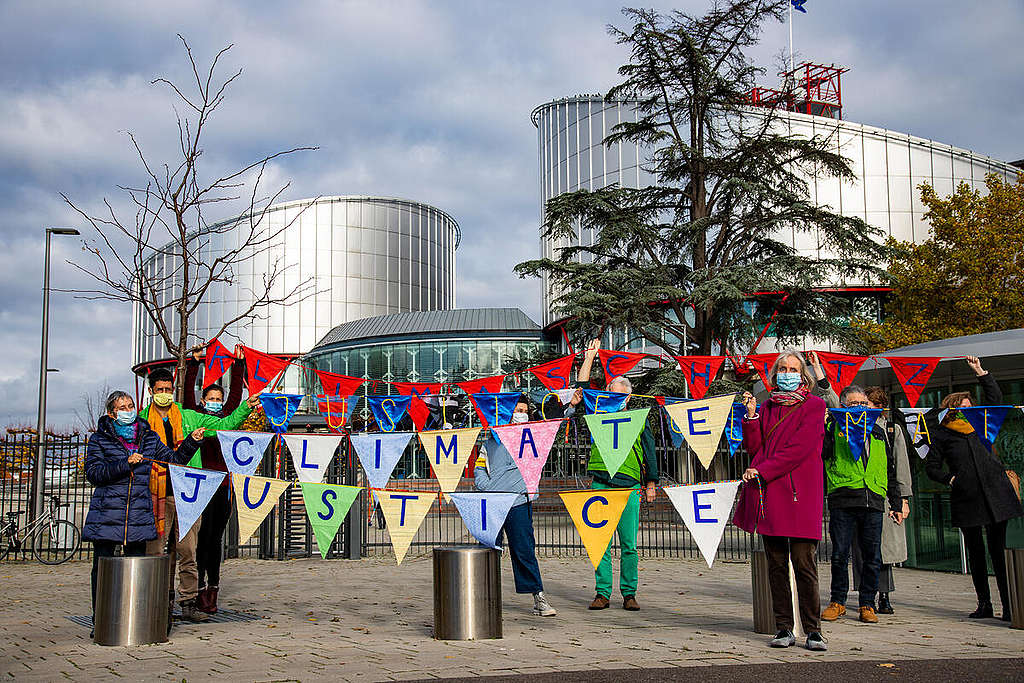
Switzerland. Historic court win confirms that climate protection is a human right
Caroline Wagner is Programme Support Manager for the European Collaboration at Greenpeace Germany. Francesca Cresta is Executive and Governance Assistant at Greenpeace Italy. Tan Lee Kuen is a content editor with Greenpeace International.
Page 2
Dear changemakers, thank you for all that you’ve done this year.
Reflecting on 2024, we endured yet another year filled with climate catastrophes, political unrest and international inequality. But even through these challenging times we can find hope in our collective actions and victories, no matter how big or small. Together, we can pave the way forward towards a better future.
Dear Earth, thank you for continuing to show up every day for us.
Across the globe, people took bold steps to care for the planet. 2024 showed us the strength of coming together with purpose and passion. These efforts may not solve every challenge overnight, but they are the building blocks of creating lasting change.
Dear Earth citizens, we invite you to take moments to appreciate living on this planet.
The journey that we are on is a long one, so friends, take care of yourself as we heal the world together. What lies ahead may not be easy, but as we continue to show up, make our voices heard and hold polluters accountable we must not forget to take care of ourselves, our peers and our communities.
Dear all, we hope that you’ll join us on this journey towards a better future, taking care of our planet, ourselves and each other.
With courage as our compass and optimism as our fuel, here are some of the top victories of 2024 for people and the planet to inspire us to keep taking action.
United Kingdom. Shell backs down in lawsuit against Greenpeace
In February 2023, Shell launched a multi-million dollar lawsuit against Greenpeace UK and Greenpeace International over a peaceful protest. But with our supporters behind us, we showed Shell their bullying tactics won’t intimidate us – and now they’ve backed down and agreed to settle out of court. People power works – this campaign was fought with the support of thousands of ordinary people against one of the richest companies in the world.
This legal battle might be over, but Big Oil’s dirty tricks aren’t going away. With Greenpeace facing further lawsuits around the world, we won’t stop campaigning until the fossil fuel industry stops drilling and starts paying for the damage it is causing to people and the planet.
Huge win for the ocean as Arctic deep sea mining plans are stopped in Norway! After more than a year of decisive campaign work and massive pressure from activists, scientists and the international community, the Norwegian government has agreed to stop the first licensing round for deep sea mining in Arctic waters for at least the rest of their term in office, until the next election.
This is a major and important environmental victory which shows that mobilisation and people power works.
Indonesia. Measures to regulate labour standards for fishing vessels adopted
After years of discussions, rejections, objections and negotiations involving governments, civil society organisations including Greenpeace Indonesia, and unions representing migrant fishers, the Western and Central Pacific Fisheries Commission (WCPFC) finally adopted the Conservation and Management Measures (CMM) for Crew Labor Standards on 3 December 2024.
The WCPFC oversees fish population management, promotes sustainable fishing practices, and implements conservation measures. This decision underscores their commitment to ensure the well-being of crew in an industry that suffers from serious labour abuses.
Oceans. Deep sea miners’ efforts to limit the right to protest at sea rejected
Over the last year, The Metals Company and its enablers have repeatedly tried to silence the global wave of resistance. After failing to get an injunction that stopped the action at sea, and unsuccessfully lobbying governments to limit protests around deep sea mining vessels at the International Seabed Authority in March, the company pursued an appeal at the Amsterdam Court of Appeal to try and secure immunity against future Greenpeace protests at sea. But thanks to the incredible work of Greenpeace International’s legal unit, on 12 November 2024, the court ruled once more in our favour, reaffirming our right to peaceful protest at sea.
On 25 September 2024, the Sawré Muybu territory in the Tapajós River Basin in the heart of the Amazon rainforest was officially demarcated. The Munduruku People have been fighting for the rights to a land that has always belonged to them but is threatened by mining, illegal logging, and infrastructure projects. This is a historic and profoundly symbolic victory not only for the Munduruku, but for all Indigenous Peoples of the Amazon and Brazil.
South Korea. Top court ruled the country’s carbon neutrality law as unconstitutional
On 29 August 2024, South Korea’s Constitutional Court ruled the country’s carbon neutrality law as unconstitutional for violating citizen’s rights – making it the first ruling of its kind in Asia! The petition was filed in 2020 by over 200 plaintiffs, including young activists and even infants, and is Asia’s first climate court case targeting a country’s carbon neutrality commitments. This is a major climate win for future generations, and could potentially set a precedent in the region for other climate cases.
Australia. Woolworths and McDonald’s commit to going deforestation-free
Woolworths and McDonald’s in Australia announced their commitments to source deforestation-free beef. Woolworths will do so by the end of 2025 but McDonald’s will implement theirs by 2030 (Greenpeace Australia Pacific will continue to engage with McDonald’s to ensure they commit to taking deforestation off the menu – by 2025!). These two giant corporations are some of Australia’s biggest retailers and major buyers of Australian beef.
This is a major example of people power as Greenpeace Australia Pacific supporters had sent the big corporations thousands of emails, demanding they go deforestation-free.
In a big win for global tax justice, a favourable blueprint for a UN Tax Convention that will pave the way for a fair and efficient global tax system was laid out in August. An inclusive tax cooperation system will shift power from a few rich OECD countries to the UN where every country has a vote and help governments around the world recover the billions lost to tax dodging by multinational corporations and the ultra-rich. There is still much to do to keep up the pressure as negotiations will continue until 2027.
South Africa. Shell loses appeal in case halting plans for oil and gas exploration
Big win against Shell in South Africa! After protests by the community and fishers, Shell loses its appeal against the landmark decision in 2022 which ruled against their plans to conduct oil and gas exploration off the Wild Coast of South Africa. The court says Shell failed to properly inform and consult affected communities, taking into account community rights and environmental harm. Unfortunately, the fight is not yet over as the court has left the door open for Shell’s application to renew its exploration right. Together with allies and the community, Greenpeace Africa is resolute in continuing to fight to stop Big Oil from exploiting the planet for its own profit.
Papua. Major land rights win for Indigenous Peoples
As with many Indigenous communities across Tanah Papua (the western half of New Guinea, also known internationally as West Papua), the Knasaimos Peoples have been fighting for decades to protect their customary lands from exploitation by external interests such as logging and plantation companies. Today’s ruling finally provides legal recognition of their rights to the land, forests, water, and other natural resources that are their ancestral heritage.
Oceans. World’s highest oceans court ruling to protect our oceans
The European Nature Restoration Law was passed and has come into effect! This law is the most important piece of environmental legislation in Europe in decades, aiming to restore and protect European biodiversity hotspots. It imposes unprecedented legally binding obligations onto EU Member States to restore protected nature reserves, peatlands, and dwindling bird and pollinator populations, and protect urban nature amongst others. This is a huge win for the nature movement in Europe!
Switzerland. Historic court win confirms that climate protection is a human right
Caroline Wagner is Programme Support Manager for the European Collaboration at Greenpeace Germany. Francesca Cresta is Executive and Governance Assistant at Greenpeace Italy. Tan Lee Kuen is a content editor with Greenpeace International.