Showing posts sorted by relevance for query ORGAN HARVESTING. Sort by date Show all posts

Monday, July 04, 2022

Nigerian Senator and Wife Charged in Plot to Harvest a Child's Organs in U.K.

SICK


He and his wife will stand trial for conspiracy to arrange the travel of a child into Britain “with a view to exploitation, namely organ harvesting,” authorities said.


Dan Ladden-Hall


Darren Baker/Getty

British authorities say they have rescued a child who was targeted in a disturbing international organ-harvesting plot.

A top Nigerian senator and his wife have been charged with conspiracy over a plan to bring the child to the U.K. in order to harvest their organs, London’s Metropolitan Police announced Thursday. No details were immediately available on the age and gender of the child.

People's Democratic Party politician Ike Ekweremadu, 60, and wife Beatrice Nwanneka Ekweremadu, 55, will stand trial for conspiracy to arrange or facilitate travel of another person “with a view to exploitation, namely organ harvesting,” police said in a statement. Both defendants are set to appear in court in west London on Thursday.

Ekweremadu—who has been a senator since 2003 and served three terms as Nigeria's deputy speaker of the senate from 2007 to 2019—was a lawyer before entering politics. Both he and his wife are high-profile figures in their African homeland.

A spokesperson for Ekweremadu confirmed his arrest to the BBC.

The horrific allegations come after an investigation by the Specialist Crime team at Scotland Yard, which deals with serious offenses in the English capital. Cops launched their inquiry last month, leading to the duo’s arrest after police were alerted to possible crimes being committed under modern slavery legislation.

The child, who has not been identified, has been “safeguarded,” the Met said, adding that the force was “working closely with partners on continued support.” British court rules mean the police are unable to divulge any further details while criminal proceedings are underway.

Forced organ harvesting—in which organs are surgically removed from a victim against their will—has been addressed by recent legislation in the U.K. A law passed in April partly aims to disrupt the black market organ trade by making it illegal for Brits to travel overseas to purchase an organ, a practice known as “organ tourism.” Although the sale and trafficking of organs in the U.K. was already outlawed, the new rules came amid worrying reports of a booming organ trade around the world in recent years.

In London’s Chinatown, a years-long protest has been staged against alleged forced organ harvesting from political prisoners in China. The practice of harvesting organs from executed prisoners is legal in China, but an article published in the American Journal of Transplantation in April claimed to have found 71 cases in which prisoners were operated on while they were still alive.

And sadly, because human organs are a valuable commodity, some people even consider voluntarily selling their own organs when conditions are desperate enough. Just this week, a hospital in Kenya had to issue a public declaration telling people to stop asking staff how much they could get for their kidneys. And in Afghanistan—where a devastating combination of widespread famine and international sanctions have pushed millions of people to the edge of starvation—dreadful reports emerged in early 2022 that people were selling kidneys for as little as $1,500 to feed their families.

SEE
BODY SNATCHERS

Monday, January 06, 2025

Dying for a Kidney:  Can Anyone Stop The Burgeoning Black Market in Human Organs?


 January 3, 2025
Facebook

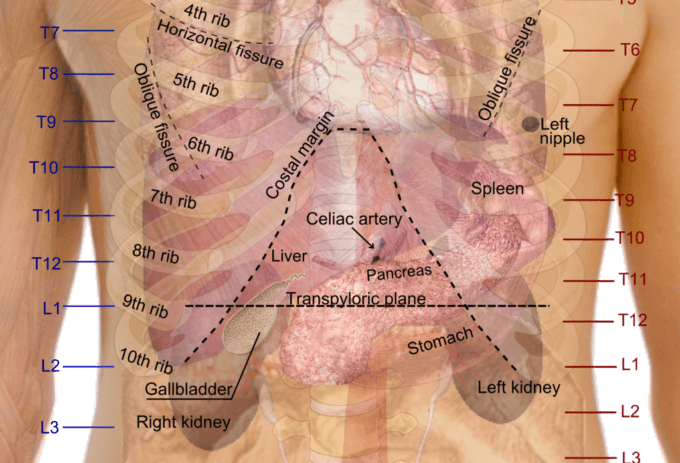
Image showing the human trunk with positions of the organs.

It’s practically an urban legend:  A man blacks out after meeting a woman for a drink at a bar. When he comes to, he finds himself naked in a hotel bathtub covered with ice.  And there’s a throbbing ache in his side.  A hand-scrawled sign blares the bad news:  “Go to the ER right away!”

He suddenly realizes:  His kidney is gone.

It rarely happens that way anymore, but there’s reason to fear illegal organ harvesting. The practice is rampant and getting worse by the year.

While official data is still somewhat sketchy, it’s estimated that 12,000 illegal transplants are performed annually, about 10% of the total number of transplants conducted each year.  The organ trade is immensely profitable, generating between $840 million to $1.7 billion in revenue for a relatively small number of traffickers, according to estimates compiled in 2017.

Organ trafficking survives, in part, because the demand from affluent consumers in the advanced capitalist West is so high and the legal supply of organs – primarily (about 80%) kidneys, but also lungs, livers and cornea – barely keeps pace.  Many people wait at least two years to qualify to receive an organ transplant legally and thousands die every year – about 25 daily, according to the World Health Organization – because no organ becomes available in time to save them.

Where do the illegally harvested organs come from?  Primarily from North Africa and South Asia.  Organ traffickers prey on poor and vulnerable rural dwellers, offering cash in exchange for an organ, usually a kidney.  Like other forms of illicit human trafficking, some organ donors are recruited under false pretenses – for example, the promise of a job that never actually materializes. Donors are led to hospitals, drugged, and a doctor, who’s typically in on the scheme, removes the organ, for a fee paid by the traffickers.  The duped donor is compensated – perhaps several thousands dollars, but maybe far less  – and then shuttled back to their village to try to survive.  Their organs may get as much as $30,000, or even $200,000 on the black market.

In some countries like Nepal the illegal organ trade is so firmly entrenched that a number of adjacent rural areas have come to be known as “Kidney Valley.”  Anti-trafficking activists say that every other house in the region has at least one individual that has donated an organ in exchange for cash.  Often the donors are transported to neighboring India where the illicit operation is performed.  They come back in a debilitated state, with reduced physician capacity. Many lose their jobs and once the cash runs out, their families are reduced to poverty again.

Many of the countries where the organ trade occurs may have strict laws on the books that forbid illegal organ harvesting, but government officials are subject to bribes from traffickers.  But governments alone are not the problem.  Many Western hospitals and doctors – like their Third World counterparts – are also playing a role in the trade, sometimes unwittingly, but just as often with a tacit complicity.  Doctors in major urban metropolitan hospitals in US cities may agree to conduct a transplant, for a fee, not really caring how they obtained the organ – or from whom.

Nancy Scheper-Hughes, a professor of medical anthropology at UC Berkeley and co-founder and Director of Organs Watch, a medical human rights project, says the demand for illegal organs is “insatiable.”  And despite the passage of national laws and the adoption of international protocols in recent years, there’s been virtually no slowdown in the illegal trade thus far.

Scheper-Hughes, who also serves as a WHO consultant, has frequently gone undercover to expose the corruption that fuels the illegal organ trade.  She’s tracked organs to “broker-friendly” hospitals and medical centers in New York, Los Angeles, and Philadelphia, among other places.

It’s not just hospitals.  Corruptible funeral homes may harvest organs prior to burial.  Women and girls sold into sexual slavery are also common victims.  There are even confirmed reports that ISIS and other terrorist organizations have engaged in the illegal organ trade to finance weapons purchases.

Many of those seeking illegal organs aren’t actually on a waiting list for a donor.  Some are people who can’t qualify for a donor because of their medical condition.  They may have had cancer, are too old, or have other “triage-based disqualifiers.”

In addition, even those that get a transplanted organ generally face the need to take auto-immune suppression drugs to stave off organ rejection, while the same drugs also lower their overall immune competence.  “If all of that works out, they will still be facing the fact that transplant organs often need to be replaced within 10 years of implant,” says one expert.

Organ donation is potentially a major life-saver for those with serious illnesses. More than a third of all US deaths – about 900,000 annually – might have been prevented if an organ had been available, experts say.  But woefully few are – hence, the burgeoning illegal trade.

What’s the answer?  Ultimately, increasing the supply of organs available to be transplanted.  And that means increasing the willingness of people to allow theirs to be harvested when they die, as well as boosting approval for transplants from live donors.  According to surveys, 95% of all American say they favor organ donation.  But only 35% of all Americans are registered as donors.  Closing that gap would go a long way to ensuring that the supply of organs meets the ever-burgeoning demand.

Another possibility – strictly long-term — is to grow organs from stem cells, or to replicate them using 3D imaging.  The technologies are promising but haven’t been fully tested with animals, let alone humans yet.  It could take years to develop viable prototypes.

Both Trump and Biden have taken modest steps to improve the organ donation process.  Trump, in late 2020, signed an executive order to boost the availability of kidney organs by 5,000 annually.  Biden went a step further, pushing through a bipartisan bill to break-up the monopoly exercised by a single non-profit that was slowing the approval process for organ transplants, while boosting costs.

Congress is also getting into the act.  In 2023, new legislation required the State Department to improve its monitoring of groups and individuals found to be engaged in illegal organ trafficking and to deny US visas and property rights to the perpetrators.

These steps, while welcome, are far from enough.  Currently, more than 95,000 people are on the kidney waiting list, and about 3,000 people are added to the wait list each month.  Most of these prospective recipients will die within 5 years unless they receive a kidney in time.  The threat to those with liver damage is even worse. Liver failure is usually fatal unless the victim receives a new organ promptly – usually within days.

Predictably, it is people of color that are suffering the most from our nation’s dysfunctional organ harvesting system.  For example, while non-Hispanic Whites and African-Americans have comparable needs for a new organ, in 2021, Black people received 27.8% of the organ transplants performed, while non-Hispanic Whites people received close to double that share – or 47.2%.  But cultural attitudes and mistrust of the mainstream public health establishment also play a role.  African-Americans are less than half as likely as non-Hispanic Whites to agree to become organ donors, according to recent research studies.

Given the current shortfalls and disparities in the legal donor system, the incentives for the illegal organ trade aren’t likely to be affected in the short-term, experts say.  U.S. crackdown measures still depend upon the willing cooperation of foreign governments that too often remain deeply implicated in the trade.  More public education and support for organ donation and continuing reforms to the approval system will certainly help, but as long as the richest and most powerful Westerners can access illegal organs with relative impunity, the poorest of the world – at home and abroad – will continue to be trade’s primary victims.

Stewart Lawrence is a long-time Washington, DC-based policy consultant.  He can be reached at stewartlawrence811147@gmail.com.


Sunday, April 11, 2021

Why the case against abortion is weak, ethically speaking
Nathan Nobis SALON 4/11/2021

© Provided by Salon Pro-life activists
Pro-life activists demonstrate in front of the the US Supreme Court during the 47th annual March for Life on January 24, 2020 in Washington, DC. OLIVIER DOULIERY/AFP via Getty Images CATHOLIC SCHOOL STUDENTS BUSSED TO DEMO

Abortion rights are under attack. But ethics education can help — and defenders of abortion rights should recognize this, before it's too late.

In recent years, over 250 abortion-restrictive laws have been proposed across 45 states. Arkansas and South Carolina are the most recent states to pass laws to ban abortion after 6 weeks into pregnancy, when a "heartbeat" can be detected in the fetus and before many women even know they are pregnant.

The Supreme Court now has a majority of justices who identify as "pro-life," and will surely be more receptive to these attacks on abortion rights than previous courts have been. If the issue comes before them, it is unclear how they might rule: they have already restricted a medication used to induce abortions and might welcome further restrictions.

While legal attacks demand immediate legal responses, these responses aren't a long-term, comprehensive strategy to protect legal rights and access to abortion.

Representatives of pro-choice organizations sometimes claim they are "doing all they can" to protect abortion rights, but this is not true: Mary Ziegler recently reported in The Atlantic that, since the 1990s, pro-choice advocates have deliberately avoided engaging moral or ethical questions about abortion; they have focused solely on the legal freedom to choose abortion.

Meanwhile, over that same time period and up to the present, pro-life advocates have seen engaging the ethics of abortion as essential to their cause and have invested heavily into training sessions, educational institutes, and materials to help move their message. Surely they view this "ethics education" as a wise and effective investment, since it has helped bring abortion rights to the legally precarious place they are now.

Given the stakes here, it's time for pro-choice advocates and organizations to rethink the wisdom of avoiding talk of ethics.


Think about what motivates people who want to make abortion illegal. Their primary motivations are, from their perspective, ethical or moral. If asked why abortion should be illegal, they will often reply with an argument like this:

Fetuses are innocent human beings with the right to life, and—since it's always wrong to kill innocent human beings—abortion is murder and should be illegal, with few exceptions.

Advocates of this type of argument include the Catholic Church, evangelical Christians, and organizations like the National Right to Life and Americans United for Life. Pro-life "ethics education" involves training people to advocate for this type of argument.

To defend abortion rights requires refuting such arguments. But the most common pro-choice responses to the pro-life argument don't do this. Observing that making abortion illegal won't reduce abortions, and claiming that abortion opponents have bad motives or are hypocritical, or that opposition to abortion is inherently religious, that abortion is "normal," and offering slogans, such as that abortion is "not up for debate," simply do not engage the core issue: these types of responses do not explain why abortion is not murder or show what's wrong with the argument against abortion.

Even more sophisticated bodily autonomy defenses of abortion—that women's rights to choose what happens to and with their bodies and lives justify abortion—are often at least presented in ways that do not challenge the assumption that abortion is murder, along the lines of, "Say whatever you want about the ethics of abortion: we've got the legal right to it."

But abortion generally is not murder and the ethical arguments given to try to establish this are demonstrably weak. The more people who know and understand why this so and are able to effectively communicate this knowledge, the better, since that would do some good towards helping undercut the primary motivation for making abortion illegal.


To better recognize the flaws in the core ethical argument against abortion, it is useful to consider two far less controversial medical procedures that also end the lives of human beings. These cases provide insights into some of the core content of pro-choice ethics education.

First, in every U.S. state and most countries, if a person elects to be an organ donor, their organs can be removed for transplant when that person suffers complete brain death—even if their body is still alive. Organ harvesting involves cutting living human beings open and their organs being removed one-by-one until, at last, the heart is detached and the human being dies, having been directly killed by the procedure.

But almost no one believes that such organ donation procedures are immoral. Pro-life organizations have not mobilized against them or even signaled disapproval. And hundreds of thousands of people have signed up to be organ donors with full knowledge that their bodies might be killed in this way if their brains permanently cease functioning.

What this shows is that most people recognize that it's not always wrong to kill human beings. This is true even when those human beings are considered "innocent," as human beings used for organ donation are often categorized. This is a first step in undercutting the pro-life argument.

A second relevant set of cases involves anencephalic infants, or babies born with severely undeveloped brains. These babies usually do not live long, and the widely accepted medical practice is to let these infants die, providing palliative care only, even though they could be kept alive by a machine. This ends their lives, but it is not wrong.

The ethical insight gained from these two common medical practices is that not all human beings have a right to life that trumps all other considerations: it is not always wrong to end the lives of even innocent human beings, if they lack what would make ending their lives wrong.

And these cases share a core feature with the vast majority of U.S. abortions, 88 percent of which take place during the first 12 weeks of pregnancy: the human beings in question do not have brains capable of supporting consciousness, awareness, or feelings. Since these common medical practices concerning organ donation and anencephaly are morally permissible, so are most abortions.

* * *

Abortion opponents will respond that this conclusion about abortion does not follow, given differences among the cases.

Pro-life intellectuals argue that organ donors are not really "human beings." But surely they are human beings—they are living human organisms, with heartbeats. The pro-life premise that it's always wrong to kill human beings implies that organ donation practices are wrong, so this is a good reason to reject the assumption and its application to abortion.

About anencephalic infants, pro-life advocates recognize these babies as human beings and argue that it would be wrong to harvest their organs to use for other children. But either both brain-dead humans and brain-less infants are human beings or neither are, and organ donation is either acceptable from both or neither: the difference in age is immaterial.

Some would respond that organ donation and anencephalic newborns cases involve human beings who, tragically, have lost even the potential for valuable futures. Yet fetuses, they argue, have lives, or potential lives, before them, and so have rights to those lives. And they are "innocent" too.

But calling fetuses "innocent" assumes that they are persons: "innocence" implies the potential for guilt, and that's only true of persons. Nobody would refer to human eggs or tissue as "innocent," because nobody thinks these things are persons. And for someone to have a potential future seems to require that "someone" be a person: for any future to be someone's future, there must be a person whose future that belongs to. So are fetuses persons?

"Personhood" is a controversial concept, but the organ donation and anencephaly cases can help us understand it. First, we should all agree that it's usually wrong to end the lives of persons: persons have the right to life. But since organ donation practices and how anencephalic newborns are treated is not wrong, we can conclude that these human beings are not persons: if they were persons, ending their lives would be wrong. And these humans are not persons because, again, they lack brains capable of supporting any type of consciousness: they were persons in cases of organ donation and cannot be persons in cases of anencephaly. And this suggests that beginning fetuses are not persons either, since they too lack consciousness-enabling brains. So the pro-life claim that all embryos and fetuses are persons is not true.

So, in sum, the "abortion is murder" charge doesn't stick: it's not always wrong to kill human beings; at least early-term fetuses are not persons with the right to life; and "innocence" is a concept that just doesn't apply to fetuses. Ethical arguments—and ethics education—can support the pro-choice side after all, and the more people making these types of critiques, in different ways and for different audiences, the better.

* * *

Why, though, should we think that abortion is generally morally acceptable? Why think attempts to ban abortion are unjust attempts to criminalize morally acceptable behavior? The simple failure to show that abortion is wrong might be enough for that, but we can offer positive arguments as well.

The ethical framework most medical ethicists use to determine whether a human being has moral rights, such as the right to life, involves the question of whether the individual has "interests." Interests are what make someone's life go well or poorly for them: respecting and promoting someone's interests typically promotes their well-being; ignoring or denigrating their interests typically harms them. Interests are the basis for concerns about "equality," which are about equal consideration of interests.

Rights protect interests, and interests are not possible without a sufficiently developed brain. What determines how an individual should be treated is not the simple fact of whether they are biologically human organisms; rather, it's factors that depend on their having a brain that allows for any form of consciousness: minds matter, not heartbeats or human DNA. The basis of human rights is not human biology, as statements of human rights might misleadingly suggest, but having interests, and most fetuses—at the stages of pregnancy when most are aborted—do not have interests, given their undeveloped brains and nervous systems.

Pregnant women, of course, have interests and the resulting rights to life, liberty, and control of their bodies. Fetuses would have the right to women's bodies, labor, and time only if they are explicitly granted that right, and, of course, women who seek abortions have not given the fetus that right. While women's rights to autonomy may be sufficient to justify abortion, that argument is surely easier to make if fetuses are not persons, do not have basic moral rights, and so abortion is not murder.

To be sure, fetuses in the third trimester (after 27 weeks) likely have interests, as research on fetal pain suggests. And even most pro-choice ethicists agree that third-trimester abortions raise pressing moral concerns, although these concerns are complicated when such abortions are sought due to newly discovered fatal anomalies or threats to the health of the prospective mother. But pro-life advocacy is not focused on the unique ethical issues concerning later abortions, which account for less than 1 percent of all abortions; their goal is prohibiting nearly all abortions, the overwhelming majority of which affect fetuses without interests.

* * *

So, is abortion murder? Does it violate human rights? Not unless other widely-accepted medical procedures that end human life are also wrong. But they aren't, and neither is abortion. Ethics education—of many types, at many levels, for many different audiences—helps people better understand why this is so.

Enabling more people to more productively engage the many ethical arguments about abortion won't, by itself, solve any social or political problems: no single strategy would. But ethics education is an essential part of any successful comprehensive strategy to ensure abortion rights and access, and so pro-choice advocates should engage in it. More generally, our political culture needs genuinely fair and balanced, honest and respectful engagement of arguments and truth-seeking: more people practicing this with the complex topic of abortion would help set a better intellectual and moral tone that would enable us all to better engage the many other polarizing issues that confront our society.

If the legal right to abortion is lost, however, pro-choice advocates will be forced to engage with the study of ethics in trying to rebuild their case for abortion rights. So they might as well start that now, while they still have the law on their side. That's not just smart strategy: ethics demands it.

Tuesday, February 15, 2005

ORGAN TRAFFICKING

CAPITALISM; THE MODERN BODY SNATCHER


CAPITALISM AND REPRODUCTION
Mariarosa Dalla Costa

The most recent and monstrous twist to this campaign of extinction comes from the extreme example of resistance offered by those who sell parts of their body, useless container for a labour-power that is no longer saleable. (In Italy, where the sale of organs is banned, press and TV reports in 1993-94 mentioned instances in which people said explicitly that they were willing to break the ban in exchange for money or a job.) For those impoverished and expropriated by capitalist expansion in the Third World, however, this is already a common way for obtaining money. Press reports mention criminal organisations which traffic in organs and supply perfectly legal terminals such as clinics. This trade flourishes thanks to kidnapping, often of women and children, and false adoption. An enquiry was recently opened at the European Parliament on the issue (La Repubblica, September 16 1993), and various women's networks are trying to throw light on and block these crimes. But this is where capitalist development, founded on the negation of the individual's value, celebrates its triumph; the individual owner of redundant or, in any case, superfluous labour-power is literally cut to pieces in order to re-build the bodies of those who can pay for the right to live to the criminal or non-criminal sectors of capital which profit from it.

Medical Cadaver Scandal at UCLA

California university proposes better tracking of donated bodies

By MICHELLE LOCKE

Associated Press

Saturday, February 5, 2005 - Page A14

BERKELEY, CALIF. -- Shaken by scandals involving the black-market sale of body parts, University of California officials are considering inserting supermarket-style bar codes or radio frequency devices in cadavers to keep track of them.

Every year, thousands of bodies are donated to U.S. tissue banks and medical schools. Skin, bone and other tissue are often used in transplants. New medical treatments and safety equipment such as bicycle helmets are tested on various body parts. And cadavers are used to teach medical students surgical skills and anatomy.

But there is also a lucrative underground trade in corpses and body parts, despite federal laws against the sale of organs and tissue.

"There's more regulations that cover a shipment of oranges coming into California than there is [for] a shipment of human knees that are going from a body-parts broker in one state to Las Vegas," said Dr. Todd Olson, director of anatomical donations at Albert Einstein Medical School of New York.

At UCLA, the willed-body program was suspended by court order last spring after the director and another person were arrested in an investigation into the selling of body parts for profit. The case is still under investigation and no charges have been filed.

In 1996, donors' families sued the university, charging that the program had illegally disposed of thousands of bodies by cremating them along with dead lab animals and fetuses and dumping the ashes in the trash.

In 1999, the director of the UCLA Irvine program was fired after being accused of selling spines to a Phoenix hospital. The university was also unable to account for hundreds of willed bodies. The director denied any wrongdoing and was never prosecuted.

After the latest scandal, some people who had agreed to leave their bodies to science withdrew their offers.

In response, UCLA has proposed a series of changes, some of which are already in place. They include a better records system, electronic locks and surveillance cameras.

Officials are also considering putting bar codes or radio frequency devices in cadavers that could be read by someone walking past the body with a handheld device. Radio frequency identification, or RFID, tags already are used by cars passing through automated toll plazas.

The university's Board of Regents is expected to review the plan this spring. Also, UCLA officials will decide in March whether to ask a judge overseeing lawsuits filed by donors' relatives for permission to reopen UCLA's 55-year-old willed-body program, which was getting about 175 donated bodies a year before it was suspended.

Mike Arias, a lawyer for family members who have sued UCLA, greeted the proposed measures with "somewhat guarded optimism."

Still, Mr. Arias said he hopes the changes succeed and the UCLA program resumes because it "serves too big of a public service [to be scrapped]."

THE PROBLEM OF ORGAN TRAFFICKING

By Eugen Tomiuc

The Albanian and Italian press have published articles from time to time regarding trafficking in teenage Albanian boys to Italy and beyond for use as prostitutes or possibly for the sale of their organs. Typically, the boys and their families appear to be tricked by a trusted person who offers to take the youths to Italy or elsewhere in the EU with the promise of a good education or reunion with relatives already working abroad.

The Council of Europe is calling for a common European strategy in fighting against trafficking in human organs. Its report on the issue, presented on 25 June in the Council's Parliamentary Assembly, says kidney trafficking has become a hugely profitable business for organized crime. People in impoverished Eastern European countries such as Moldova and Ukraine are the most common victims of the illicit trade, which the council calls an attack against human dignity. The report says combating poverty in Eastern Europe is the best way to curb organ trafficking, and urges improved cooperation between rich Western countries and their Eastern neighbors.

International group reiterates stance against human organ trafficking

Some years ago the US Congress passed the National Transplantation Act, which allows for penalties of up to $50 000 (£32 000; €51 000) in fines or five years in prison, or both, for the purchase of human organs. Many other countries and the World Health Organization have banned or condemned the sale of organs.

Dr Abdallah Daar of the Joint Center for Bioethics at the University of Toronto, a member of the society’s ethics committee, said, "No one seems to know the extent of indirect and unpublicised forms of compensation, which undoubtedly also take place within family donations." He added that payment for kidneys from living, unrelated donors not only occurred on the Indian subcontinent and in the Middle East but "was becoming quite common, even in the United States."

Among the controversial developments discussed at the meeting were possible payments to living donors for time off work, lost income, pain, and suffering and a move by prisoners to become donors in a bid to reduce their sentences.

"It’s not all black and white," Dr Daar said, noting an opinion piece which came down in favour of a less dogmatic approach in The Lancet by the Israeli doctor Michael Friedlaender (2002;359:971-3), some of whose patients had received kidneys from overseas donors who were paid.

Return of The Body Snatchers

A vast majority among the medical fraternity frowns
upon harvesting organs, but it is in demand and
the supply is fuelled by an unending flood of green bucks.

In the aftermath of the earthquake in Turkey, it was discovered that a fair number of cadavers had been harvested of their kidneys, liver and heart. Apparently, out of the deluge of medical teams that poured into Turkey to help, many were commercial organ trading mafia. When asked to recollect, many local Turkish doctors reported that they never saw these teams actually help anyone. It was more like they were waiting for some-thing. They dressed as medical staff and had very sophisticated equipment which included organ fridge boxes.

The disparity between the poor and the mega-rich is a gap so wide, that to perpetuate their own life even at the cost of another is now quite possible if one has the means. Wealthy patients with terminal illnesses would part with most of their wealth if they could find the fountain of life, but what it translates into in real terms is that someone has to give up an organ for another to get one. It is in this twilight zone that the question of ethical practices raises its ugly head. Most donors of organs are from the Third World - faceless, nameless people who have had their organs harvested for the lure of filthy lucre. Tragic but true.

India Kidney Trade

For years, India has been known as a "warehouse for kidneys" or a "great organ bazaar" and has become one of the largest centers for kidney transplants in the world, offering low costs and almost immediate availability. In a country where one person out of every three lives in poverty, a huge transplant industry arose after drugs were developed in the 1970's to control the body's rejection of foreign objects. Renal transplants became common in India about thirteen years ago when the anti-rejection drug cyclosporine became available locally. The use of powerful immuno-suppressant drugs and new surgical techniques has indirectly boosted the kidney transplant activities. The dramatic success rates of operations, India's lack of medical regulations and an atmosphere of "loose medical ethics" has also fueled the kidney transplant growth. The result has been that "supply and demand created a marriage of unequals , wedding wealthy but desperate people dependent on dialysis machines to those in India grounded down by the hopelessness of poverty"(Max). The pace of demand for kidneys hasn't kept up with the demand. Consequently, the poor and destitute, victims of poverty, have either willingly sold their kidneys to pay for a daughter's dowry, build a small house or to feed their families or have been duped or conned into giving up their kidneys unknowingly or for very little sums of money. Ironically, medical technology meant to advance and save human lives has been abused to such lengths, that in some cases, it has resulted in the death of innocent individuals.

ECONOMIC DATA

The Voluntary Health Association of India estimates that each year more than 2,000 people sell their organs for money (compared with 500 in 1985 and barely 50 in 1983 (Chandra, p.53). Those receiving a kidney typically pay from $6,000 to $10,000(approximately $1,980-$3,300 U.S. dollars) for the kidney and the transplant operation - of that, the donor gets about $1,000 (U.S. $330). The U.N. Human Rights Commission said in a 1993 report that more kidneys were sold in India than anywhere else to buyers from developed countries (Max). Since the introduction of cyclosporine, at least $7.8 million has changed hands in connection with the estimated 4,000 kidney transplants performed in Bombay (Los Angeles Times, "Kidney..."). At least one lakh(100,000) Indians suffer from renal failure and an average of 80 new cases per million population crop up every year (Friese and Rai, p.89). Prices for kidneys range from Rs.30,000 to Rs. 70,000 (U.S. $9,900-$23,000) with a Rs. 20,000 (about $6,600 U.S.dollars) cut for brokers and middlemen.

Half of kidney transplants are illegal

By Ran Reznick

Haaretz: Fri . Dec 05 2003

About half of all kidney transplants performed on Israelis in recent years were illegal, while most transplant patients received funding from their health maintenance organizations, the Defense Ministry and insurance companies.

According to the Health Ministry and hospital records, about half of all Israelis who had kidney transplants in recent years obtained the organ in illegal trade from donors in Israel, Turkey, South America and eastern Europe.

Most Israelis had the transplants performed in South Africa. Some 450 patients are waiting for kidney transplants in Israel, but only 160 such operations are performed annually, with the majority or organs coming from deceased donors.

The average waiting time for an adult kidney transplant is three to four years, while for children it is seven months.

Some 300 Israelis are estimated to have bought kidneys abroad in illegal organ trade in the last four years. Senior doctors said that in some cases, organ traders and mediators negotiated directly with Israeli insurance companies for the illegal payments. Senior doctors and legal experts said Israel is the only western state whose health institutions finance organ trade.

Most organ transplant cases involve senior Israeli doctors from large hospitals, doctors said. Some of the doctors conduct preparatory examinations for kidney patients and donors in Israel, while some doctors accompany the patients and perform the illegal transplants abroad.

Doctors said there is no supervision of the kidney donors, and in some cases, the sold kidneys are transplanted abroad even though they are unsuitable or contain contagious diseases. The transplants are performed in public and private hospitals overseas, and sometimes even in private homes that lack adequate equipment or means for emergency medical treatment.

The data on kidney transplants was presented by doctors at a conference held last week by the Israeli branch of the American College of Surgery that dealt with the paying of transplant organs.

Doctors at the conference said that illegal organ trade is conducted in many countries, but Israel is the only western state whose medical establishment and Health Ministry do not condemn the doctors involved or take legal steps against them. In most states, the purchase of organs is illegal and morally deplored by the medical establishment, and those involved risk losing their license.

Prof. Amram Ayalon, the director of the transplants and surgery ward at the Sheba Medical Center at Tel Hashomer, said that unions of transplant doctors in Europe, where human organ trade is categorically prohibited, have called for a boycott of Israeli doctors.

One of the main reasons for the shortage of transplant organs in Israel is not the refusal of families to donate dead relatives' organs, but the ongoing failure of medical teams in public hospitals.

Prof. Pierre Singer, director of Beilinson's intensive care ward, presented data on the lack of awareness among medical teams, including surgeons, neurologists and intensive care doctors, regarding organ donation procedures and brain death determination.

VATICAN DENOUNCES 'HEALTH-FIEND MADNESS'
REJECTING SOCIETY'S COSTLY QUEST FOR CURES,
ROME SAYS POPE'S SUFFERING IS TO BE ADMIRED


By Michael Valpy
Friday, February 18, 2005 - Globe and Mail


The Vatican accused affluent societies yesterday of gobbling up too much of the world's health-care resources with their fetish for stay-young-forever medical cures, urging them to look to Pope John Paul II as a model for the inevitability of old age and illness whose stoic suffering should be imitated.

Vatican psychiatrist Manfred Lutz hailed the 85-year-old Pope as "the living alternative to the prevailing health-fiend madness."

Referring to the Pope's advanced Parkinson's disease and other illnesses, Dr. Lutz said: "Precisely in the handicap, in the disease, in the pain, in old age, in dying and death, one can . . . perceive the truth of life in a clearer way."

It was rather an abrupt turnabout for the Vatican, which has vigorously obscured -- even lied about -- the Pope's state of health in the past.

But in advance of a conference on quality of life and the ethics of health, sponsored by the Pontifical Academy of Life, officials adjusted the papal image to fit their argument: that while the world's poor do without basic public-health measures, rich countries luxuriate in utopian expectations of medical cures for all needs and desires.

"The medicine of desires, egged on by the health-care market, increases the request for pharmaceutical and medical-surgical services [and] soaks up public resources beyond all reasonableness," academy theologian Rev. Maurizio Faggioni said.

"Medicine has become impossible to manage, because it can't fulfill the desires" of consumers for perfect health, added Monsignor Elio Sgreccia, a bioethicist who heads the academy, a Vatican advisory body.

The Roman Catholic Church's decision to showcase the Pope as a poster model for the realities of suffering and old age met with significant, although not absolute, approval from academic experts on global population health. They applauded the reality image, but worried about how far it might be taken, and in what direction.

"I mean, good for the Pope," said Dr. Harvey Skinner, head of University of Toronto's Department of Public Health Sciences and an adviser to the World Health Organization.

"I'm now 56, in what I consider good health [and] I'm still very active but, you know, I live with some aches and pains that weren't there when I was younger. So it's relative to your life stage.

"But my concern is that a poor mother on welfare in Toronto [could be told] 'Just tough it out' -- a version of blaming the victim, that's what it sounds like to me. Is that the solution? If we can stiffen up . . . [and be like] the Pope, stoically bearing the burden?" he said.

"It really takes away from the fundamental question of prevention versus cure, and how best we can use the resources that we have in the health-care area."

McGill University's Jennifer Fosket, a specialist in the sociology of health and illness, said: "There's a definite value in recognizing [old age, illness and suffering] as part of human life and not trying only to erase them. At the same time, there certainly is value in trying to improve people's lives as they age."

Nevertheless, both scholars said the Vatican is raising good questions.

Dr. Fosket spoke of a "fundamental conundrum" with trying to determine the definition of health and human well-being.

"The pharmaceutical industries and other large interests that take an interest in health and health care have grabbed a lot of these broader definitions and really commodified them so that we have pharmaceuticals for all sorts of lifestyle problems," she said, "and people increasingly seem to feel they ought to have access to those -- that that's part of what it means to be a healthy person today."

Dr. Skinner said medical and health-care procedures are being demanded in high-income countries that have a limited impact on population health status but take away resources that could be spent on improving the health of the whole community and on ending social disparities.

In Canada, he said, 95 per cent of the $130-billion spent annually on health care goes toward medical care. Less than 5 per cent is spent on prevention.

"Is that the right balance? We don't need more genomics . . . [when] 50 per cent of premature mortality in North America [results from] smoking, inactivity, poor nutrition, body weight and excessive drinking and, in the U.S., you throw in firearms," he said.

"There's no absolute criterion on health and quality of life. It's socially constructed. So it's useful to have these debates. We expect more from medical care than it can deliver and less from prevention. We're not realistic. We can't sustain our medical-care system. We're just spending a lot of money in ways that are not very efficient."

He said money is being spent on medical technologies that merely create a desire for additional tests and procedures, while one of the greatest determinants of population health -- education -- is being starved.

And the newly presented image of the Pope?

"We all age," Dr. Skinner said. "So what's normal aging -- the body changes that happen, some reduction in function, all in a sense normal -- and when does it become abnormal, for which we have available some sort of effective and efficient interventions? Those are public policy debates."

Also See:

Human Organ Trafficking Resources.

Bonded Labor/Debt Bondage || Exploitation of Immigrants by Traffickers/Employers

Human Trafficking

Analysis: Organ trafficking in E. Europe

BRAZIL: Poor Sell Organs to Trans-Atlantic Trafficking Ring

Stiff: The Curious Lives of Human Cadavers. - book review

Bitter harvest: the organ-snatching urban legends - Urban Legends