Rio Tinto flags uncertain future at Australia’s largest aluminum smelter
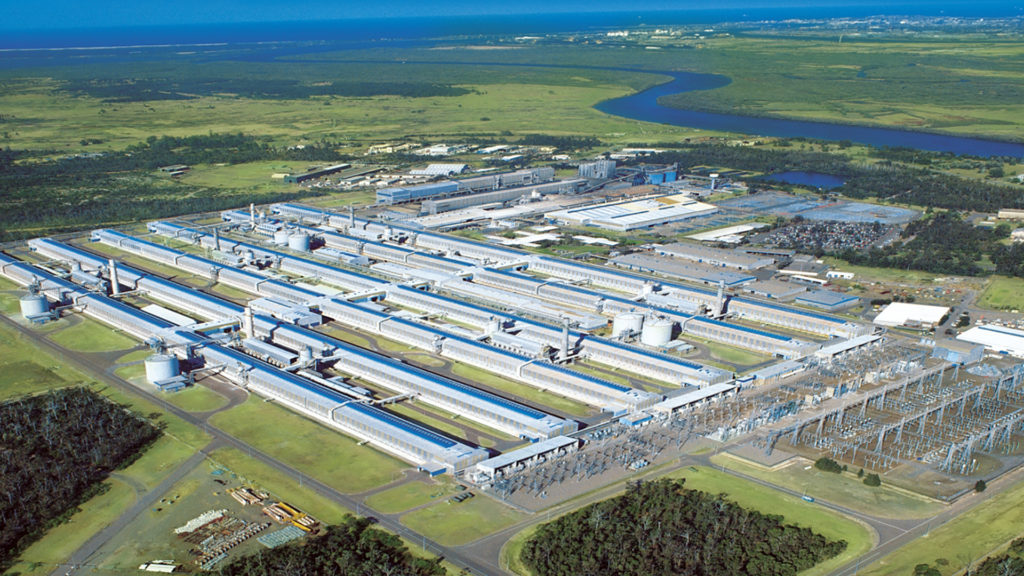
Rio Tinto warned on Tuesday that Australia’s largest aluminum smelter, Tomago, may be forced to shut down as it struggles to source power at commercially viable rates beyond 2028 when its current power deal expires.

Tomago Aluminium is the biggest power user in New South Wales state, and like a slew of Australian smelters that are struggling with high energy prices as the country transitions to renewables, it was built last century to take advantage of Australia’s plentiful and cheap coal.
Power makes up more than 40% of Tomago’s operating costs, and both coal-fired and renewable options are expected to rise sharply in price once its existing contract expires, jeopardizing the smelter’s commercial future, Rio Tinto said.
“Finding competitively priced energy remains the central challenge,” Rio Tinto said.
Despite months of consultations, and with its electricity supply contract with AGL Energy expiring in December 2028, Tomago has been unable to lock in an economically viable electricity deal beyond 2028, Rio Tinto said. AGL did not immediately respond to a request for comment.
The warning underscores the growing strain high energy costs are placing on Australia’s heavy industries, particularly those that rely on large, steady power supplies.
Australia’s metals processing sector has been squeezed by rising energy and labour costs. Earlier this month, the country announced a A$600 million ($390 million) bailout over three years for Glencore’s Mount Isa copper smelter and Townsville refinery. Trafigura’s Nyrstar lead and zinc operations and the Whyalla steel plant have also received government support.
“Unfortunately, all market proposals received so far show future energy prices are not commercially viable, and there is significant uncertainty about when renewable projects will be available at the scale we need,” Tomago Aluminium CEO Jerome Dozol said in a statement.
Rio Tinto has said that decarbonizing the assets needs solutions supported by state and federal governments.
Rio Tinto has started consulting with employees on the potential future of its operations, but has yet to reach a decision. Tomago has more than 1,000 full-time staff and 200 contractors.
The process is open until November 21 and will allow employees and union representatives to provide feedback on the proposal before making a final decision.
In February, former Rio chief Jakob Stausholm said he could not provide assurance on the future of Tomago due to high power prices and was aiming for clarity at mid-year.
Tomago is majority owned by Rio Tinto with a 51.55% stake, while Gove Aluminium holds 36.05% and Norsk Hydro has 12.4%.
AGL Energy and Norsk Hydro did not immediately respond to a request for comment. Gove Aluminium could not immediately be reached.
($1 = 1.5389 Australian dollars)
(By Shivangi Lahiri, Rishav Chatterjee and Melanie Burton; Editing by Anil D’Silva, Alan Barona and Richard Chang)
Rio Tinto launches corruption inquiry at Oyu Tolgoi
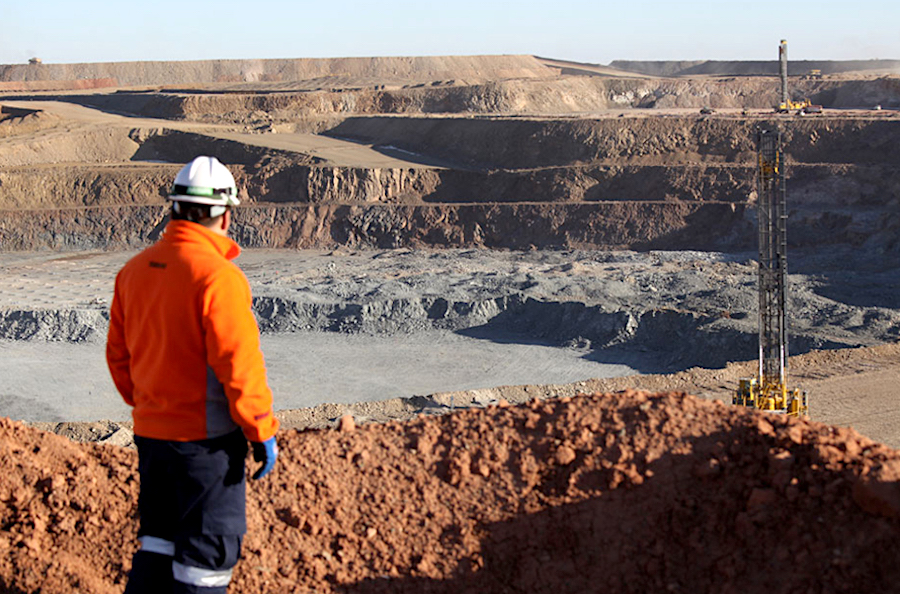
Rio Tinto Group subsidiary Oyu Tolgoi LLC is conducting an internal investigation into allegations of corruption and unethical conduct at its copper operations in Mongolia and has sought help from law enforcement.
“We are aware of allegations involving procurement-related activities, and conducting a comprehensive internal investigation, and have sought cooperation of law enforcement authorities,” Oyu Tolgoi said in a statement on social media. “As the investigation is ongoing, we are unable to provide further comment at this time.”
Rio owns 66% of Oyu Tolgoi LLC and operates the underground deposit, which it plans to make the world’s fourth-largest copper mine by 2030, with the Mongolian government holding the remainder. The site is one of Rio’s biggest and most valuable growth assets and while production soared 78% over the last quarter, development has been marred by year’s of political turbulence, cost overruns and delays.
Copper is pivotal to the Rio’s goal of reducing its reliance on iron ore while increasing exposure to the red metal used in electrification — demand for which is set to soar due to the energy transition and rise of data centers.

No comments:
Post a Comment