BREAKING: Bulgarian government resigns amid mass protests
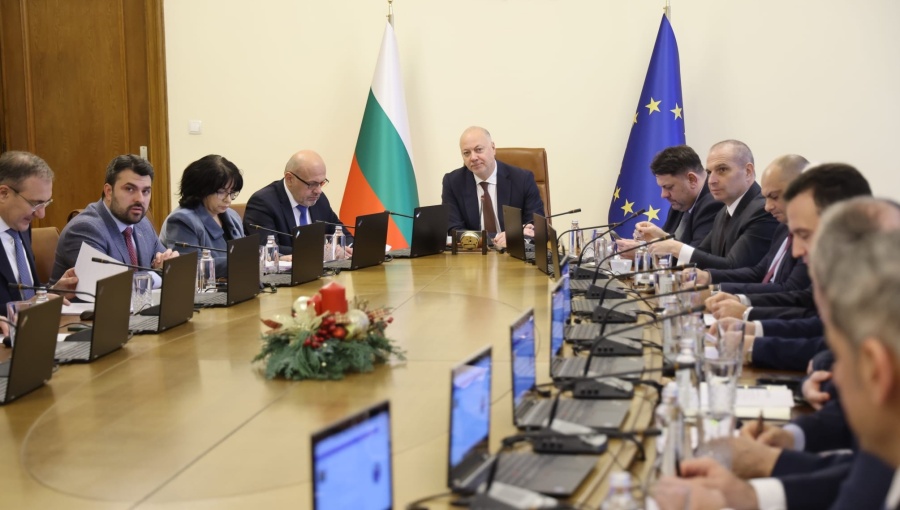
Bulgaria’s Prime Minister Rosen Zhelyazkov resigned on December 11, hours before parliament was due to vote on a no-confidence motion, following weeks of mass protests over corruption and economic policy failures.
Zhelyazkov announced the decision in a televised address, citing public demands and civic pressure as the reason for stepping down. “Power stems from the voice of the people,” he said, urging society to channel its civic energy constructively.
The resignation comes just 20 days before Bulgaria is scheduled to adopt the euro on January 1, 2026. Officials have stressed that the political upheaval will not delay the currency transition.
Tens of thousands of Bulgarians had taken to the streets on December 10 for the third time in two weeks, with an estimated 150,000 gathering in Sofia and thousands more in other cities. Protesters chanted slogans such as “Resign” and “Peevski and Borissov out”, targeting Delyan Peevski, a US-sanctioned powerbroker whose party suppoted the ruling coalition, and former prime minister Boiko Borissov.
The demonstrations, organised by the opposition group Change Continues–Democratic Bulgaria, initially opposed controversial 2026 budget proposals, including increases in social security contributions and taxes on dividends. But the protests encompassed broader frustration with corruption, entrenched graft and government inefficiency.
Zhelyazkov’s government, formed in January 2025, had survived five previous no-confidence votes and faced its sixth before the prime minister decided to resign on December 11.
President Rumen Radev, who has limited constitutional powers, called on lawmakers to form a new government. If no majority emerges, he will appoint an interim administration until elections can be held.
Bulgaria’s political fragility has been marked by repeated snap elections, with the most recent in October 2024 producing another fragmented parliament. GERB, led by Borissov, won 69 of 240 seats, leaving it dependent on support from Peevski’s party.
Despite the turmoil, Bulgarian authorities and the Bulgarian National Bank have indicated that euro adoption will proceed as planned.
'The government resigns': Bulgaria’s PM steps down after anti-corruption protests
Bulgaria’s prime minister announced on Thursday that his government was resigning after less than a year in office, bowing to pressure from sustained anti-corruption protests that had intensified in recent weeks.
Issued on: 11/12/2025
By: FRANCE 24
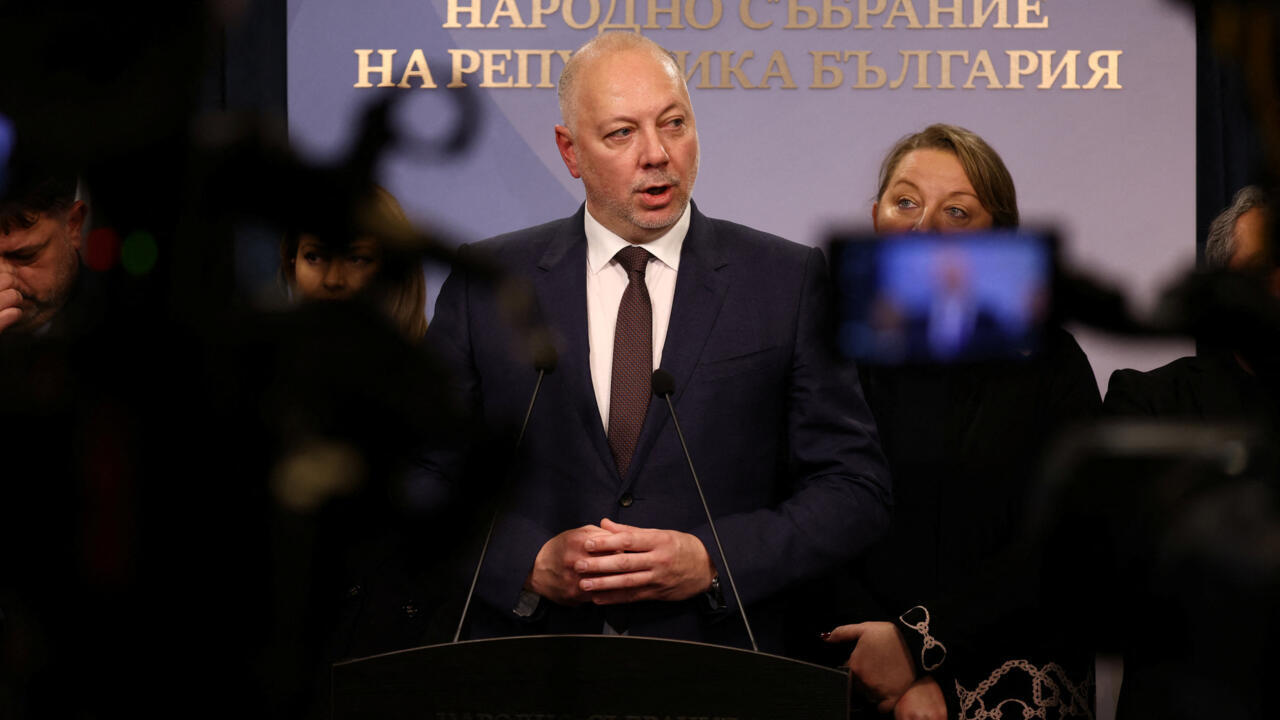
Bulgaria's prime minister Rossen Jeliazkov announced Thursday that his government was resigning after less than a year in office following a series of anti-graft protests.
Rossen Jeliazkov's announcement came just ahead of a vote in parliament on a no-confidence motion against the government that the opposition had filed.
Tens of thousands of people took to the streets across Bulgaria on Wednesday to protest against the government and corruption in the latest rally since the end of last month.
The demonstrations were sparked by a 2026 draft budget, which protesters branded as an attempt to mask rampant corruption. The government withdrew the budget last week, but anger has persisted.
'This civic energy must be supported and encouraged'
"The government resigns today," Jeliazkov told reporters after a meeting of ruling parties' leaders.
"People of all ages, ethnic backgrounds, and religions have spoken out in favour of resignation. That is why this civic energy must be supported and encouraged."
The European Union's poorest country is due to join the eurozone on January 1. This is expected to go ahead despite the government resigning.
Analysts say low trust in Bulgarian institutions and leaders has been compounded by concerns about prices as the country prepares to adopt the euro.
"Bulgarian society is in a situation of very broad unity against the country's model of governance," Dobromir Jeliazkov, director of the Market Links sociological agency, told AFP.
"Levels of trust in the Bulgarian government and parliament remain close to historic lows, which is yet another indicator of the severe political and institutional crisis the country is facing," he added.
Last week, Bulgarian president Rumen Radev declared his support for the protesters and urged the government to resign to make way for early elections.
On Wednesday, tens of thousands rallied outside the parliament building in Sofia alone, according to an AFP journalist on the scene.
Protesters chanted "Resign" and held up "I'm fed up!" signs featuring caricatures of politicians.
Shop worker Gergana Gelkova, 24, told AFP she had joined the protest because widespread corruption had become "intolerable".
Most of her friends no longer lived in Bulgaria and did not plan to return, she added.
Bulgaria is one of the lowest ranking members on watchdog Transparency International's Corruption Perception Index.
The Balkan country has seen seven snap elections following massive anti-graft protests in 2020 against the government of three-time premier Boyko Borissov.
Borissov's conservative GERB party topped the most recent election last year, forming the current coalition government in January.
WATCH MOREMass protests in Bulgaria: Gen Z gets organised online, turns away from state TV
"The government resigns today," Bulgarian Prime Minister Rossen Jeliazkov told reporters after a meeting of ruling parties' leaders.
(FRANCE 24 with AFP)

No comments:
Post a Comment