U.S. Navy Test-Launches an Iranian Drone Clone From a Ship's Helideck
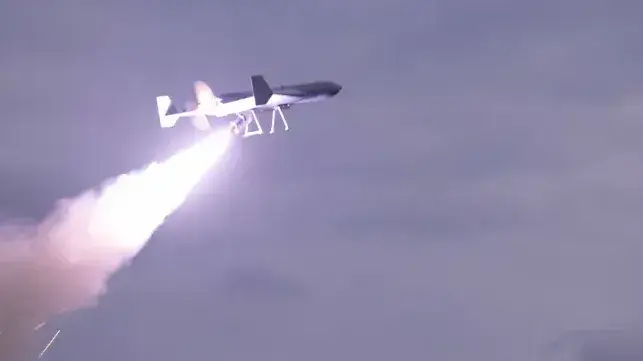
Iran has perfected the high-volume, low-cost suicide drone with the Shahed-136, a small piston-engined one way attack drone used by Iranian and Russian forces. Thousands have been built and launched at Ukrainian bases, seaports, powerplants and apartment blocks, to devastating effect. Since the ubiquitous Shahed is combat-proven and easy to mass-produce, the U.S. Navy and Marine Corps are skipping clean-sheet R&D and are testing an American adaptation of the infamous Iranian design.
On Tuesday, the Independence-class littoral combat ship USS Santa Barbara (LCS-32) launched a LUCAS-brand variant of the Shahed-136 from her helicopter deck. The device was prepared and dispatched by a specialized drone squadron, "Task Force Scorpion Strike," which is assigned to introduce new unmanned systems to Central Command.
Like the original Shahed, LUCAS can be launched in multiple ways from multiple platforms. It can lift off with rocket-assisted takeoff, as used aboard USS Santa Barbara, or a vehicle-mounted catapult can give it a boost. Once airborne, it will perform a variety of tasks, including surveillance and one-way strike. Weaponization and automated target recognition are in the works for future development. (Currently the payload is an inert mass for testing.)
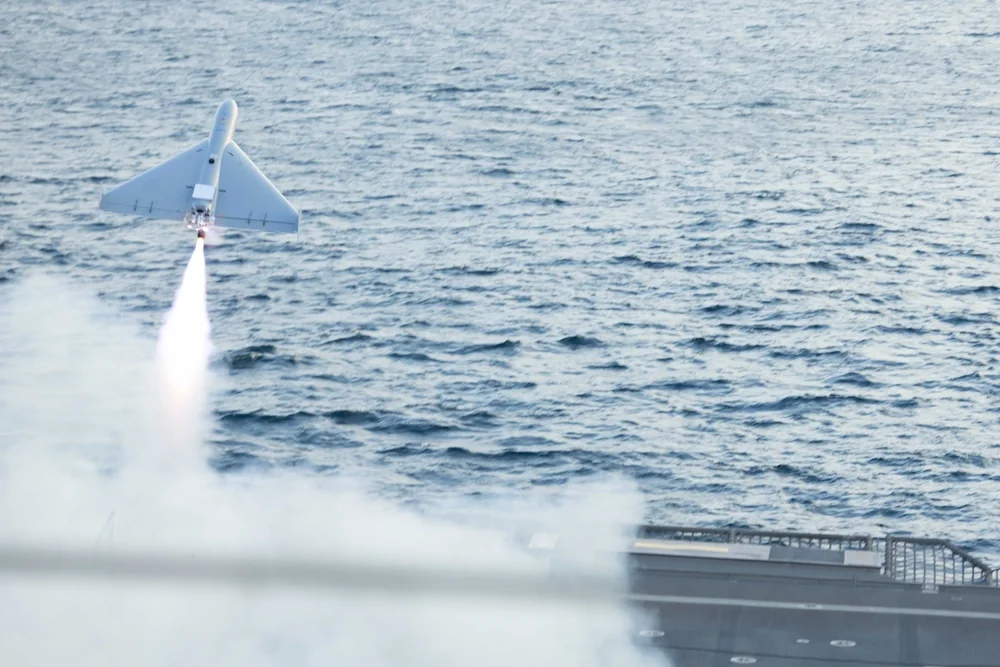
USS Santa Barbara launches a LUCAS drone (USN)
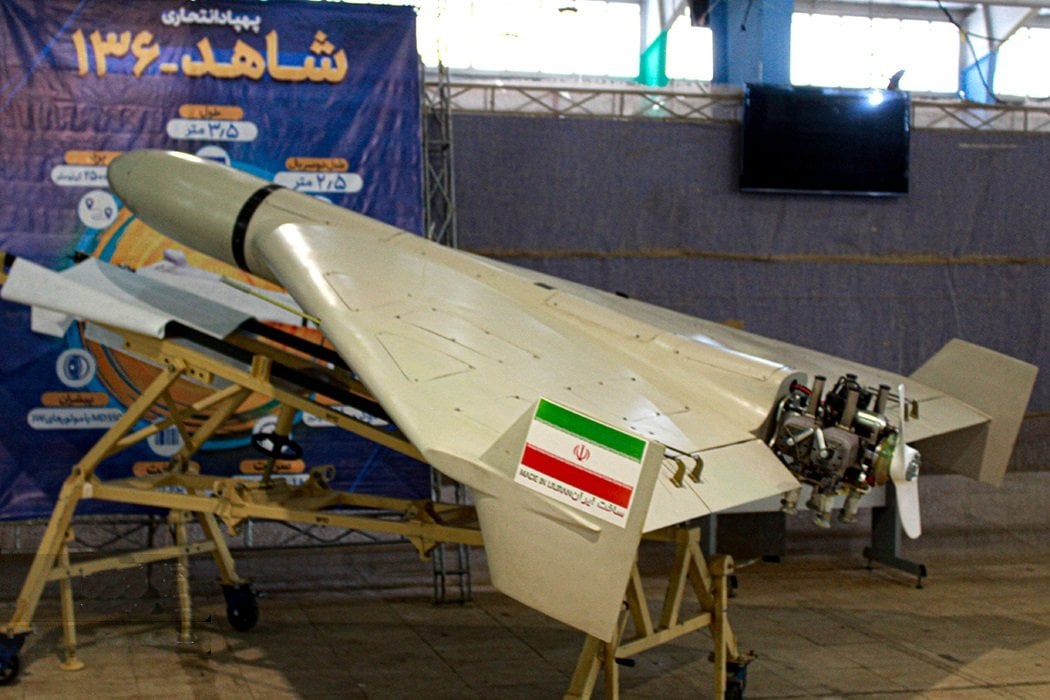
The original Iranian Shahed-136 (Tasnim)
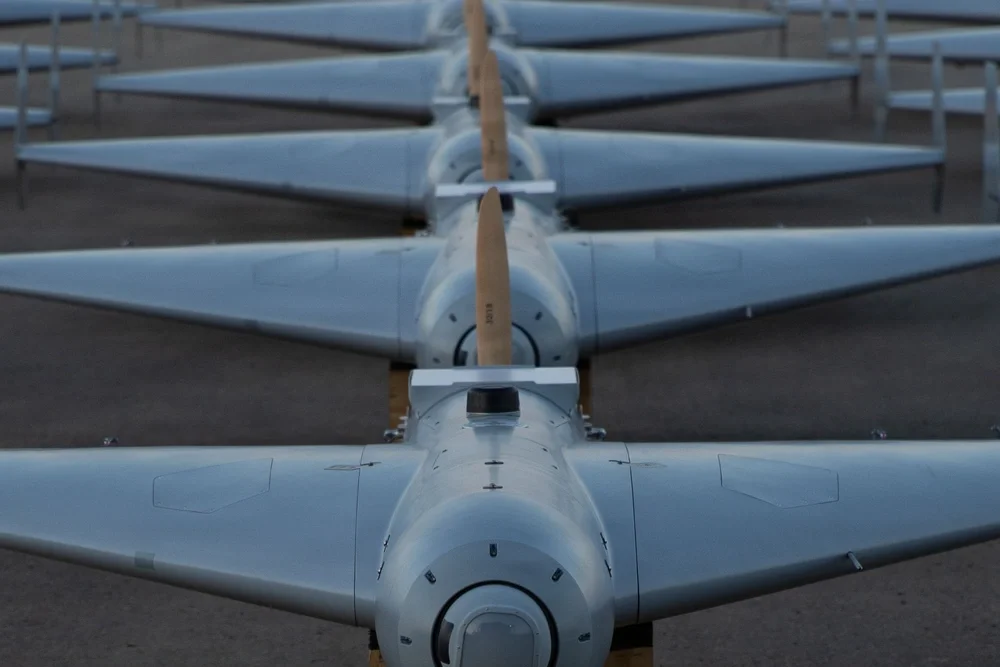
Multiple LUCAS drones prepared for testing at Yuma Proving Ground (USMC)
For the Pentagon, the Shahed's appeal is in its simplicity and manufacturability, the same qualities that have endeared it to Russian operators. "There is a price point that we want to produce a lot of these in a rapid fashion," said Col. Nicholas Law, a senior Pentagon R&D officer, in a statement earlier this month. "It’s not a single manufacturer: it’s designed to go to multiple manufacturers to be built in mass quantities."
The LUCAS device was created by American drone company SpektreWorks, and is a reverse-engineered and scaled-down copy of the Iranian original. The addition of a flat-panel terminal on the tail provides a beyond-line-of-sight satcom uplink, allowing remote monitoring and control in contested environments. Most remarkable of all, the SpektreWorks device's cost is reported to be in the same price range as Iran's original version, which is believed to be in the low- to mid-five digits.
For the Navy, a deck-launched Shahed variant is a new way to add lightweight, long-range strike capability onto small platforms like the LCS, which has limited organic capability for that mission set. The Independence-class is currently slated to fill a patrol and minesweeping role in Central Command; as a platform of opportunity for Shahed drone launches, it would be able to do more.
“This first successful launch of LUCAS from a naval vessel marks a significant milestone in rapidly delivering affordable and effective unmanned capabilities to the warfighter,” Vice Adm. Curt Renshaw, commander U.S. Fifth Fleet, in a statement announcing the launch.
Drone incidents escalate as Turkey finds
three UAVs in five days
Copyright AP Photo
By Cagla Uren
Published on 20/12/2025 -
Turkey shot down a drone that violated its airspace and discovered two more crashed drones over five days, marking an escalation in incidents linked to the spillover of Russia's war in Ukraine into the Black Sea region.
Turkish F-16 fighter jets intercepted and destroyed an unmanned aerial vehicle on Monday after it entered Turkish airspace from the Black Sea, the Ministry of National Defence said.
The drone was shot down near Çankırı, approximately 120 kilometres from Ankara, after it appeared to be out of control.
On Friday, authorities found a crashed drone near Kocaeli, about 30 kilometres south of Istanbul. The Interior Ministry said initial findings indicate the drone is a Russian-made Orlan-10 type used for reconnaissance and surveillance purposes.
A second crashed drone was discovered on Saturday in a field near Balıkesir, some three hours southwest of Istanbul, Turkish media reported.
Farmers found the drone and handed it over to authorities, who transported it to Ankara for analysis. The origin of the Balıkesir drone remains under investigation.
The ministry said the drone on Monday was destroyed "at the most appropriate place" after procedures were completed. Debris broke up into small pieces and scattered across a wide area, complicating recovery efforts.
"Due to the ongoing war ... our interlocutors have been warned that both sides should be more careful about such negativities regarding the security of the Black Sea," the ministry said.
Air defence questions raised
The incidents raised questions about Turkey's air defence readiness, particularly after the first drone penetrated deep into Turkish airspace before being intercepted.
Namık Tan, an opposition CHP deputy and former ambassador, questioned whether Turkey's radar system was sufficient to detect a drone capable of coming close to the capital and critical defence facilities.
The defence ministry rejected the criticism, saying that Turkey's airspace control operates continuously, with radar, early warning, electronic warfare and interception systems working in a layered architecture.
"The process regarding the UAV in question was successfully managed and finalised," the ministry said. "The allegations that our air defence system is weak do not reflect the truth."
The ministry said the drone's small size presented significant detection challenges, requiring cross-verification from multiple sensor systems.
Four passenger aircraft approaching Ankara Esenboğa Airport were diverted to Konya on 15 December as a precautionary measure during the interception.
Black Sea attacks on the rise
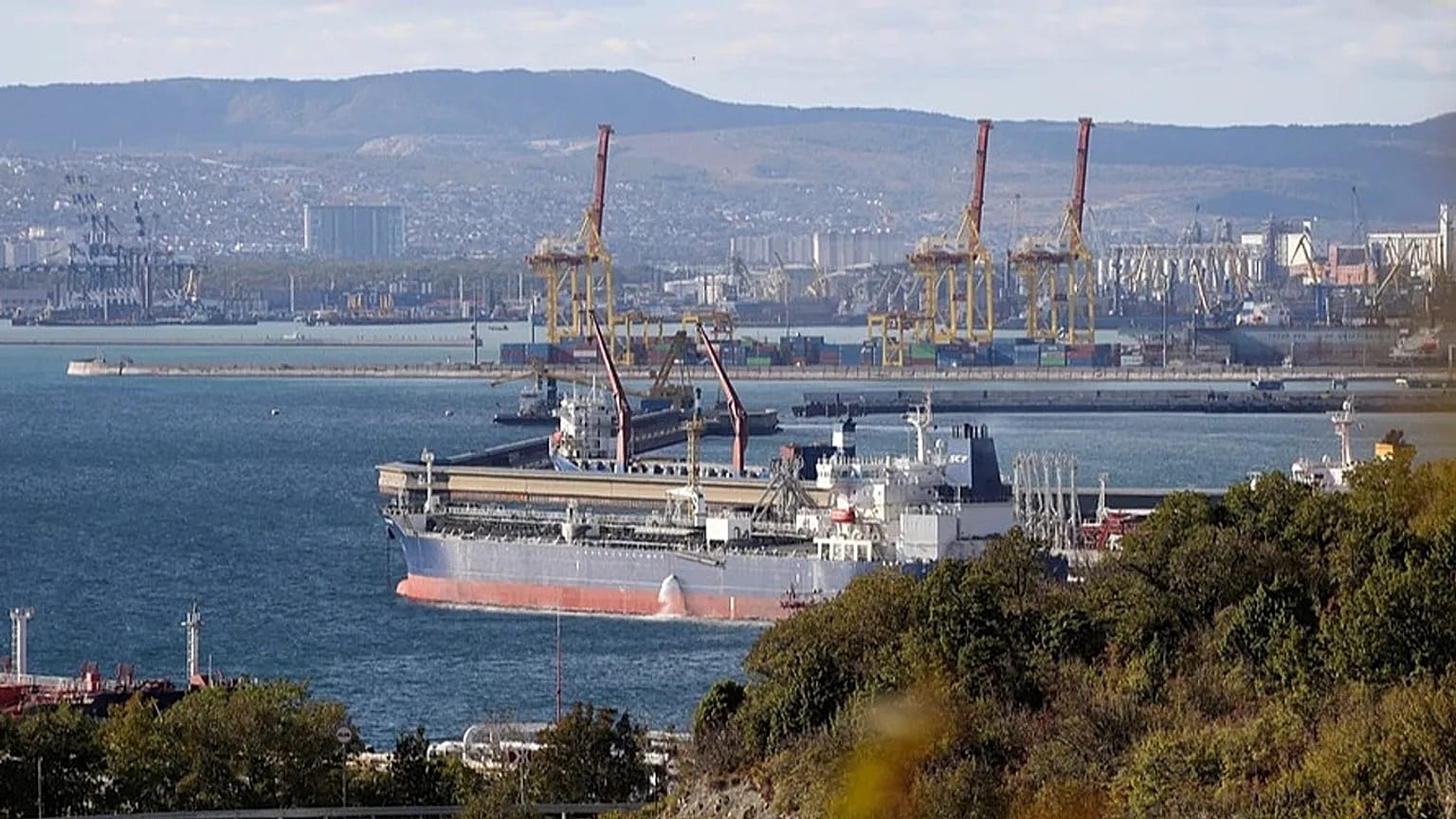
The drone incidents come amid increased attacks on vessels in the Black Sea, including some belonging to Turkish companies.
In late November, Ukrainian forces struck two tankers identified as part of Russia's shadow fleet — the Virat and Kairos — in the Black Sea near Turkey's coast. Turkish rescue teams evacuated crew members from both vessels.
In early December, the tanker Midvolga-2, carrying sunflower oil from Russia to Georgia, was attacked about 130 kilometres off the Turkish coast.
On 12 December, a Russian missile struck the Panama-flagged Turkish-owned vessel Cenk T whilst it was anchored in Odesa port, according to Turkish media reports. The ship, operated by Turkish company Cenk Ro-Ro, provides passenger and freight services between Turkey and Ukraine.
Turkish President Recep Tayyip Erdoğan warned both sides to stop targeting civilian vessels. "Targeting merchant ships and civilian ships will not benefit anyone," he said. "We clearly convey our warning to both sides."
Turkey has condemned the attacks and called for restraint from Russia and Ukraine. Ankara has maintained diplomatic relations with both countries since Russia's February 2022 full-scale invasion of Ukraine.
The Black Sea connects Turkey, Russia, Ukraine, Georgia, Bulgaria and Romania. Turkey controls the Bosphorus and Dardanelles straits, the only passages between the Black Sea and the Mediterranean.

No comments:
Post a Comment