Story by Diana Tablan
Dec. 22, 2025
Canada and the United States share one of the world’s most interconnected economic relationships, built on decades of trade agreements and cross-border partnerships. At the heart of this bond lies Canada’s vast supply of natural resources that flow south to fuel American homes, businesses, and industries every single day.
The scenario of Canada suddenly cutting off these exports might seem unlikely, but it raises important questions worth exploring. What would happen to gas prices, electricity grids, and factory operations if this supply line disappeared? The consequences would be severe and far-reaching, affecting everything from winter heating bills to grocery store prices.
Canada and the United States share one of the world’s most interconnected economic relationships, built on decades of trade agreements and cross-border partnerships. At the heart of this bond lies Canada’s vast supply of natural resources that flow south to fuel American homes, businesses, and industries every single day.
The scenario of Canada suddenly cutting off these exports might seem unlikely, but it raises important questions worth exploring. What would happen to gas prices, electricity grids, and factory operations if this supply line disappeared? The consequences would be severe and far-reaching, affecting everything from winter heating bills to grocery store prices.
Gas prices would skyrocket across America

Image Credit: Ali Mkumbwa/Unsplash
Roughly 4 million barrels of Canadian crude oil cross the border into the United States every single day. American refineries would scramble to find replacement sources from overseas markets where prices are typically higher, and shipping costs add even more expenses. The price at the pump would shoot up almost immediately, hitting drivers in the Midwest and Northeast especially hard.
Trucking companies would face crushing costs that would get passed directly to consumers through higher prices on everything from groceries to online deliveries. Families already struggling with tight budgets would face tough choices about cutting back on driving. The transportation sector would feel the pressure first, but every industry would eventually see its costs rise.
Winter heating bills would become unaffordable
Almost one-tenth of the natural gas consumed in the U.S. comes from Canadian pipelines, and that percentage climbs even higher during the winter months. Northern states where winters are brutal would feel the impact first as supplies tightened and prices increased. The U.S. would need to quickly ramp up domestic production, or import liquefied natural gas from distant countries at significantly higher costs.
Families in Michigan, Minnesota, and New York would see their heating bills double or even triple during the coldest months. Elderly residents on fixed incomes would face impossible decisions between staying warm and paying for food or medicine. America’s energy grid would also face increased strain during extreme cold snaps when demand peaks and supply struggles to keep up.
Manufacturing plants would face critical shutdowns
Industries ranging from steel production to chemical manufacturing depend on steady supplies of Canadian minerals, metals, and petroleum products. Production lines would slow down or stop completely without these essential raw materials. Communities that depend on manufacturing employment would see temporary layoffs turn into permanent job losses.
The automotive industry would take a hard hit since Canadian aluminum, steel, and parts are integrated into American car production. Assembly plants in Detroit and other manufacturing hubs would struggle to maintain their schedules. Supporting businesses like suppliers, restaurants, and service providers near these plants would lose revenue and might need to cut staff as the economic damage spreads outward.
Construction costs would climb dramatically
Roughly one-third of all wood used in U.S. construction comes from Canadian forests north of the border. Builders rely on this steady, affordable supply to keep housing projects on schedule and within budget. Lumber prices would immediately surge if Canada stopped exports, as American sawmills couldn’t possibly ramp up production fast enough to fill the gap.
New home construction would slow to a crawl as builders faced wood shortages and inflated material costs. First-time buyers would find homeownership slipping further out of reach as housing prices climbed even higher. The construction industry would shed jobs as renovation projects became luxury expenses and new developments got canceled or postponed indefinitely.
Electricity grids would struggle to meet demand
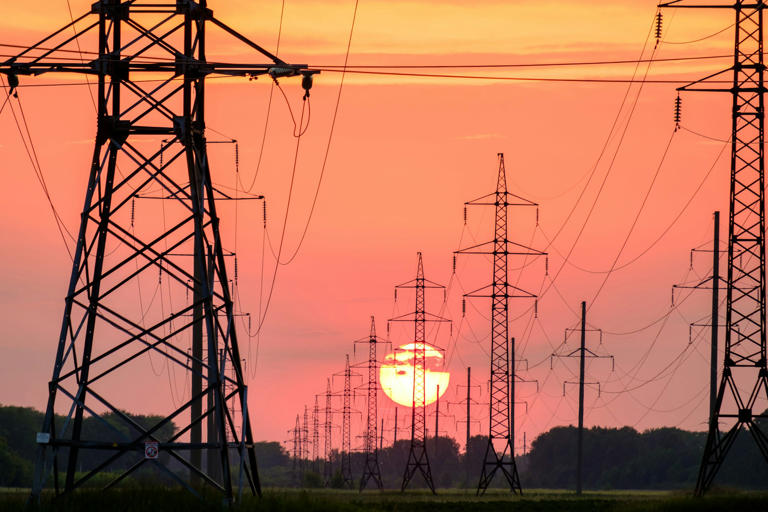
Image Credit: Andrey Metelev/Unsplash
Quebec’s massive hydroelectric dams supply significant portions of electricity to northeastern states like New York and Vermont. These states have built their energy infrastructure around the assumption that Canadian power will always be available at competitive prices. Utilities would be forced to fire up older, dirtier power plants or purchase expensive electricity from other regions to fill the gap.
Rolling blackouts would become a real possibility during hot summers when air conditioning demand peaks. Hospitals, data centers, and other critical facilities would need to rely more heavily on backup generators, driving up their operating costs. States would also face environmental setbacks as they turned to coal and natural gas plants, undoing years of progress toward cleaner energy sources.
The aerospace industry would face supply chain chaos
Materials like nickel, cobalt, and rare earth elements flow from Canadian mines into U.S. factories where they become essential components of aircraft and satellites. American aerospace companies would need to source these materials from countries with less stable political situations or lower environmental standards. High-tech manufacturing operations would face serious disruptions as they try to secure alternative suppliers.
Defense contractors would find themselves in a particularly difficult position since weapons systems and military aircraft require specific grades of Canadian materials. Production delays could affect national security readiness and cost the government billions in contract overruns. Commercial aircraft manufacturers like Boeing would struggle to meet delivery schedules, potentially losing orders to European competitors.
Fertilizer shortages would threaten food production
Saskatchewan and other Canadian provinces supply substantial amounts of potash and other fertilizers that American farmers need to maximize crop yields. Domestic production simply can’t meet the full demand that U.S. agriculture requires. American farmers would face difficult choices about which fields to treat and which crops to prioritize without access to Canadian agricultural inputs.
Corn, wheat, and soybean farmers would be hit especially hard as reduced fertilizer use led to smaller harvests. Food prices would climb as those higher costs eventually appeared in grocery stores, making everything from bread to meat more expensive. Rural farming communities would struggle economically as lower yields and higher input costs potentially forced some family farms out of business entirely.
Paper and packaging industries would collapse
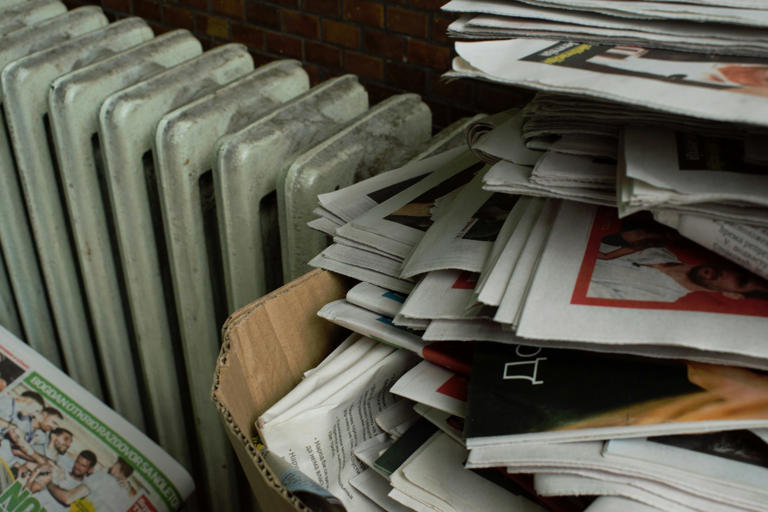
Image Credit: vuk burgic/Unsplash
The shift toward online shopping has made Canadian pulp and paper products more important than ever for American commerce. These materials supply a huge portion of everything from newspapers to the cardboard boxes that deliver packages to doorsteps. The entire logistics chain that Americans depend on for convenient delivery would break down if these supplies vanished.
Amazon, Walmart, and countless other retailers would need to raise prices or slow delivery times as they competed for limited domestic packaging supplies. Packaging costs would explode as companies scrambled to find alternatives. While the quality of books would suffer as well.
Aluminum production would grind to a halt
Canada’s abundant hydroelectric power makes aluminum smelting economically viable, and American manufacturers depend heavily on this supply for everything from beverage cans to aircraft parts. U.S. aluminum production costs significantly more because electricity prices are higher domestically. Canadian imports have become the practical choice for most manufacturers who need to keep their costs competitive.
Beer and soda companies would face higher costs for cans, while automakers would struggle to source lightweight materials for fuel-efficient vehicles. Some manufacturers might even relocate operations overseas to access cheaper aluminum sources, taking American jobs with them and further hollowing out domestic industrial capacity.
Rail transportation systems would face fuel crises
The rail industry has optimized its supply chains around reliable deliveries of Canadian diesel fuel, particularly for routes through northern states. Freight trains transport everything from agricultural products to manufactured goods across the country using this fuel. The entire transportation network would face disruptions and increased costs if railroads suddenly needed to source all their diesel somewhere else.
Products would sit in warehouses waiting for transportation as trains struggled with fuel shortages and higher operating costs. Store shelves would empty out in certain regions as shipping delays rippled through the economy. The trucking industry would face even more pressure to handle freight that trains couldn’t move, which would further drive up transportation costs across all sectors.'
Steel mills would shut down production lines

Image Credit: yasin hemmati/Unsplash
Canadian iron ore and other steelmaking materials arrive by ship across the Great Lakes or by rail, following supply routes that have existed for generations. U.S. steel producers have built their operations around the assumption of steady Canadian supplies at predictable prices. American steel mills produce the metal framework for buildings, bridges, and infrastructure projects using these essential raw materials.
Bridge repairs, highway construction, and building projects would get delayed or canceled as steel supplies dried up and prices climbed. Infrastructure projects would stall as costs exceeded what government budgets could handle. Construction workers would lose jobs, and some companies might face bankruptcy if they couldn’t source materials at the prices they had originally bid in their contracts.
The uranium supply for nuclear plants would dry up
Nuclear power plants generate about 20% of all electricity used in the United States, and Canada produces a significant portion of the uranium that fuels these facilities. Nuclear facilities require consistent supplies of properly processed uranium to maintain safe operations and meet their generation schedules. Finding alternative sources would take time and require extensive testing to meet strict nuclear safety regulations.
Some older nuclear facilities might even face early closure if they couldn’t secure affordable fuel supplies in the short term. Power companies would need to pay premium prices for uranium from other countries, costs they would pass directly to consumers. States that depend heavily on nuclear energy would face difficult choices about building expensive new natural gas plants or accepting higher electricity rates from their existing facilities.
Economic recession would spread across both countries
Thousands of Canadian workers would lose their jobs in mining, forestry, and energy sectors that depend almost entirely on American demand. Resource exports make up a massive portion of Canada’s GDP, so the sudden end of these sales would devastate the Canadian economy. It would spread quickly through Canadian communities that were built around resource extraction and have few alternative employment options.
Unemployment would spike on the American side as businesses closed or cut staff to cope with impossible operating costs. The combination of energy shortages, manufacturing disruptions, and soaring prices would likely trigger a severe recession lasting years. Meaning, it would affect both countries’ economies over time.
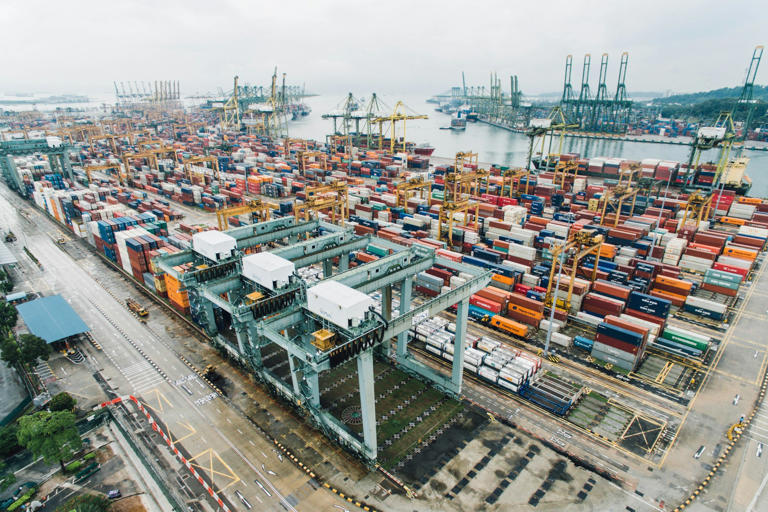
Image Credit: CHUTTERSNAP/Unsplash© Image Credit: CHUTTERSNAP/Unsplash
This article appeared first on Mastermind Quotes.

No comments:
Post a Comment