Trump administration threatens to break up Delta-Aeromexico alliance, restricts flights from Mexico
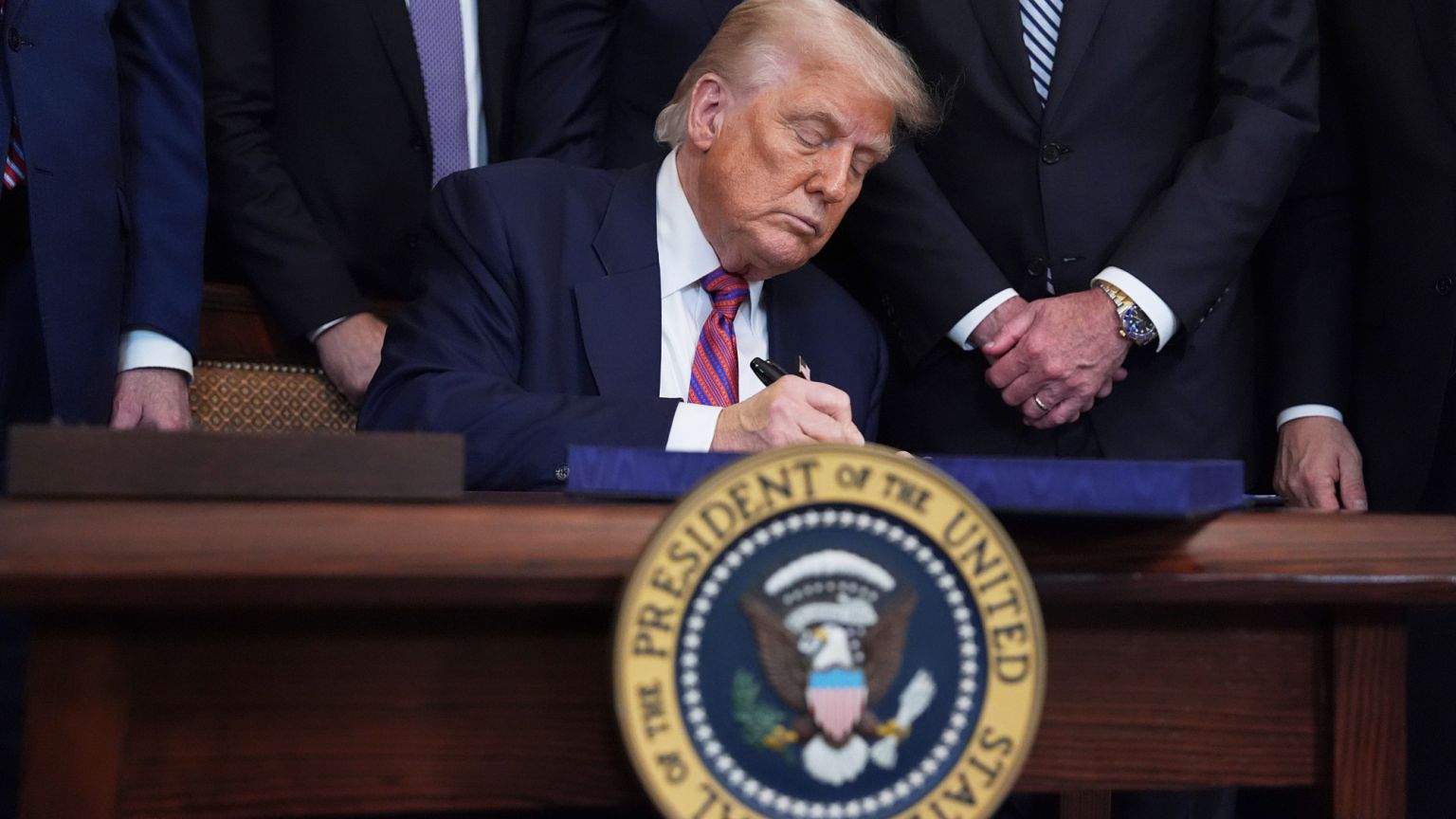
The Trump administration has imposed new restrictions on Mexican flights and threatens to cancel the Delta-Aeromexico alliance in response to Mexican government measures forcing airlines to relocate from AICM to Felipe Angeles airport.
The Trump administration imposed new restrictions Saturday on flights from Mexico and threatened to end a longstanding partnership between Delta Air Lines and Aeromexico in response to limits the Mexican government placed on passenger and cargo flights into Mexico City several years ago.
Transportation Secretary Sean Duffy said Mexico's actions to force arilines to move out of the main Benito Juarez International Airport to the newer Felipe Angeles International Airport 50 kilometers away violated a trade agreement between the two countries and gave domestic airlines an unfair advantage.
"Joe Biden and Pete Buttigieg deliberately allowed Mexico to break our bilateral aviation agreement,” Duffy said, referring to the previous president and his transportation secretary. “That ends today. Let these actions serve as a warning to any country who thinks it can take advantage of the US, our carriers, and our market. America First means fighting for the fundamental principle of fairness.”
Mexico is the top foreign destination for Americans with more than 40 million passengers flying there last year.
All Mexican passenger, cargo and charter airlines will now be required to submit their schedules to the Transportation Department and seek government approval of their flights until Duffy is satisfied with the way Mexico is treating US airlines.
It's not immediately clear how Duffy's actions might affect the broader trade war with Mexico and negotiations over tariffs. A spokesperson for Mexico’s President Claudia Sheinbaum didn’t reply immediately to a request for comment. Sheinbaum didn’t mention the new restrictions during either of her two speaking events on Saturday.
Airlines likely to fight for continued partnership
Delta and Aeromexico have been fighting the Transportation Department's efforts to end their partnership that began in 2016 since early last year. The airlines have argued that it's not fair to punish them for the Mexican government's actions, and they said ending their agreement would jeopardize nearly two dozen routes and $800 million in benefits to both countries' economies that come from tourism spending and jobs.
“The US Department of Transportation’s tentative proposal to terminate its approval of the strategic and pro-competitive partnership between Delta and Aeromexico would cause significant harm to consumers traveling between the US and Mexico, as well as US jobs, communities, and transborder competition," Delta said in a statement.
Aeromexico’s press office said it was reviewing the order and intended to present a joint response with Delta in the coming days.
But the order terminating approval of the agreement between the airlines wouldn't take effect until October, and the airlines are likely to continue fighting that decision.
The airlines said in a previous filing fighting the order that it believes the loss of direct flights would prompt over 140,000 American tourists and nearly 90,000 Mexican tourists not to visit the other country and hurt the economies of both countries with the loss of their spending.
US threatens Mexican flights over cargo, competition issues
Published : July 20, 2025 - (Reuters)
The Trump administration said on Saturday it will take action against Mexico after the Mexican government cut flight slots and forced cargo carriers to relocate operations in Mexico City, affecting US airlines.
US Transportation Secretary Sean Duffy said in a statement the department could disapprove flight requests from Mexico if the government fails to address US concerns over decisions made in 2022 and 2023.
The Department of Transportation is also proposing to withdraw antitrust immunity from Delta Air Lines' joint venture with Aeromexico to address competitive issues.
Mexico is the most popular international destination for US airline travelers.
Delta said if the DOT withdraws approval, it "would cause significant harm to consumers traveling between the US and Mexico, as well as US jobs, communities, and transborder competition." Aeromexico said it was preparing a joint response to the order, which it plans to issue in the coming days.
The DOT alleges Mexico has violated a bilateral air agreement by slashing slots for passenger flights and forcing all-cargo carriers to relocate operations.
Then-President Andres Manuel Lopez Obrador defended the decisions, arguing that the capital's main airport was too crowded and that the new, farther-away Felipe Angeles International Airport could handle the extra traffic.
Officials are rushing to renovate the aging Benito Juarez International Airport ahead of next year's World Cup, for which Mexico is a host country.
"By restricting slots and mandating that all-cargo operations move out of MEX, Mexico has broken its promise, disrupted the market, and left American businesses holding the bag for millions in increased costs," the DOT said.
The AIFA is already at full capacity for cargo handling and needs to be expanded. For passenger flights, it lags far behind MEX as transportation to and from the city remains spotty.
"The move not only disrupted critical air cargo operations and set a dangerous precedent for how all-cargo carriers may be treated in global markets, it also created uncertainty about how potential safety emergencies could be handled," said the Cargo Airline Association, which represents major UScargo carriers.
Mexico's Transportation Ministry did not immediately respond to a request for comment.
The DOT issued orders requiring Mexican airlines to file schedules with the department for all their US operations by a late-July deadline while requiring prior US approval for large charter flights to or from the US.
Airlines set to be affected by the measures, including Volaris and Viva Aerobus, did not immediately respond to requests for comment.
If the US rescinds antitrust approval for Delta and Aeromexico, they would be required to end their cooperation on pricing, capacity, and revenue sharing. Delta would be able to retain its equity stake in Aeromexico and continue other aspects of its partnership.
The DOT also said it could take action against European countries over limitations at airports.
The Trump administration plans action against Mexico over flight slot cuts, targeting Mexican flights and threatening to end the Delta-Aeromexico alliance, citing unfair treatment of US airlines.

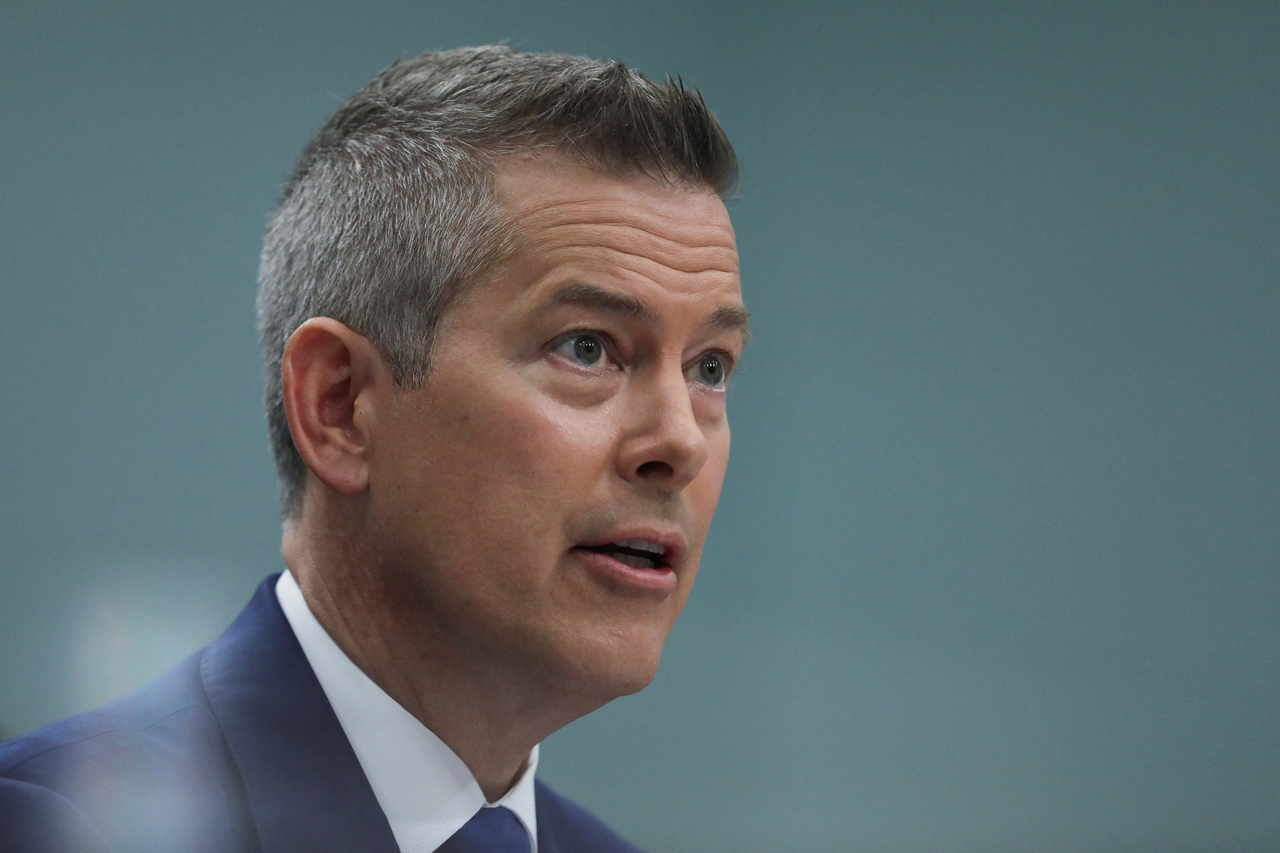
US Secretary of Transportation Sean Duffy (AP Photo)
India Today World Desk
UPDATED: Jul 20, 2025
In ShortDOT may disapprove Mexican flight requests without resolution
Stricter controls and possible antitrust immunity revocation planned
Delta-Aeromexico JV faces loss of revenue sharing and flight planning rights
The Trump administration on Saturday announced plans to take action against Mexico following the Mexican government’s move to cut flight slots and relocate cargo carriers from Mexico City’s main airport, steps that US officials say unfairly impact American airlines.
Transportation Secretary Sean Duffy warned that the US Department of Transportation may begin disapproving Mexican flight requests unless the country addresses concerns stemming from decisions made in 2022 and 2023.
In response to what it calls unfair treatment of US airlines, the US Department of Transportation (DOT) plans to impose stricter controls on Mexican flights and is considering terminating the antitrust immunity granted to the joint venture between Delta Air Lines and Aeromexico.
"By restricting slots and mandating that all-cargo operations move out of MEX, Mexico has broken its promise, disrupted the market, and left American businesses holding the bag for millions in increased costs," Duffy said.
Duffy said Mexico’s decision to cut flight slots and force cargo airlines to relocate operations from the overcrowded Benito Juarez International Airport (MEX) to the more remote Felipe Angeles International Airport (AIFA) violates the bilateral air services agreement between the two countries.
He argued these actions favored Mexican carriers and placed US airlines at a disadvantage. “Joe Biden and Pete Buttigieg deliberately allowed Mexico to break our bilateral aviation agreement,” Duffy said, blaming the previous administration. “That ends today. America First means standing up for fair treatment of US airlines and workers.”
As part of the new measures, all Mexican airlines must now submit their US flight schedules for DOT approval. Charter flights to and from the US will also face tighter scrutiny.
The DOT also moved to revoke antitrust immunity for the Delta-Aeromexico joint venture, which has operated since 2016, enabling the two airlines to coordinate pricing, capacity, and schedules.
While Delta would retain its equity stake in Aeromexico, it would lose the ability to collaborate on revenue sharing and flight planning.
Delta and Aeromexico criticised the proposal, saying it would harm consumers and hurt both economies by reducing connectivity and tourism.
The airlines warned that ending the partnership could result in the loss of 23 routes, over USD 800 million in economic benefits, and discourage nearly 230,000 travelers from visiting the neighboring countries.
Aeromexico is reviewing the order and said it plans to issue a joint response with Delta in the coming days. The DOT’s decision to revoke approval would not take effect until October, giving the airlines time to contest it further.
The flight relocation controversy traces back to decisions made in 2022 and 2023 under then-President Andrs Manuel Lpez Obrador, who claimed the shift to AIFA was necessary to reduce congestion at MEX.
The DOT also signaled it could take similar action against European nations over airport access limitations, highlighting a broader push to defend US airline interests globally. Mexico’s government and President Claudia Sheinbaum have yet to respond to the new measures.
- Ends
With inputs from agencies

No comments:
Post a Comment