Volcano in Kamchatka erupts for the first time in 600 years
The Krasheninnikov volcanic eruption - the first in 600 years - in Russia's Kamchatka region may be connected to the huge earthquake that rocked Russia's Far East last week, Russia's RIA state news agency and scientists reported.
REUTERS
Kamchatka quake may have awakened volcano dormant for 600 years, Russia says
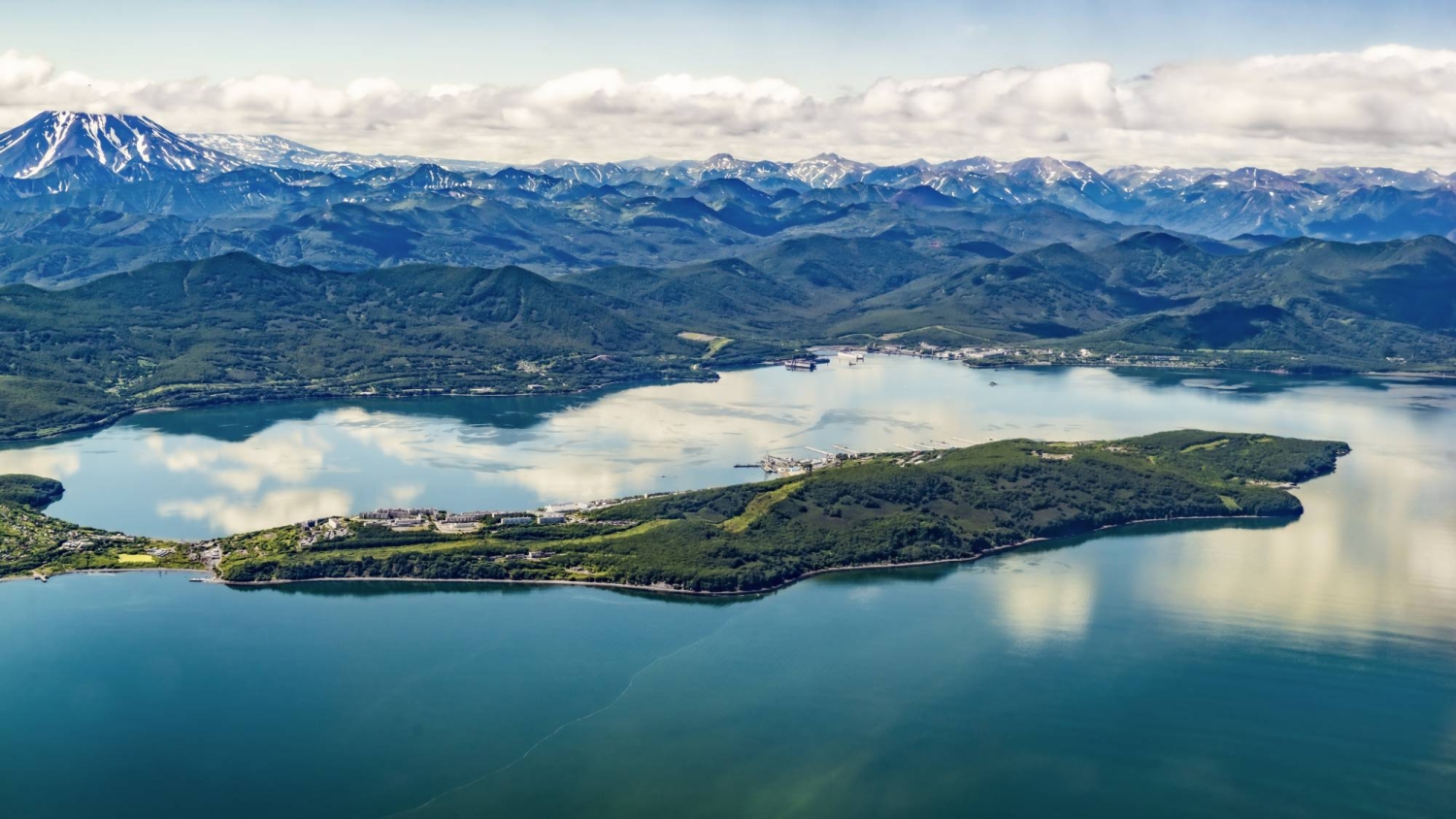
Reuters
Aug 3, 2025
The overnight eruption of the Krasheninnikov Volcano in Kamchatka, its first in 600 years, may be connected to the huge earthquake that rocked Russia's Far East last week, Russia's RIA state news agency and scientists reported on Sunday.
"This is the first historically confirmed eruption of Krasheninnikov Volcano in 600 years," RIA cited Olga Girina, head of the Kamchatka Volcanic Eruption Response Team, as saying
She added that the eruption may be connected to the earthquake on Wednesday that triggered tsunami warnings as far away as French Polynesia and Chile, and was followed by an eruption of Klyuchevskoy, the most active volcano on the Kamchatka Peninsula.
On the Telegram channel of the Institute of Volcanology and Seismology, Girina said that Krasheninnikov's last lava effusion took place on 1463 — plus/minus 40 years — and no eruption has been known since.
The Kamchatka branch of Russia's ministry for emergency services said that an ash plume rising up to 6,000 meters (3.7 miles) has been recorded following the volcano's eruption. The volcano itself stands at 1,856 meters.
"The ash cloud has drifted eastward, toward the Pacific Ocean. There are no populated areas along its path," the ministry said on Telegram.
The eruption of the volcano has been assigned an orange aviation code, indicating a heightened risk to aircraft, the ministry said.
Aug 3, 2025
The overnight eruption of the Krasheninnikov Volcano in Kamchatka, its first in 600 years, may be connected to the huge earthquake that rocked Russia's Far East last week, Russia's RIA state news agency and scientists reported on Sunday.
"This is the first historically confirmed eruption of Krasheninnikov Volcano in 600 years," RIA cited Olga Girina, head of the Kamchatka Volcanic Eruption Response Team, as saying
She added that the eruption may be connected to the earthquake on Wednesday that triggered tsunami warnings as far away as French Polynesia and Chile, and was followed by an eruption of Klyuchevskoy, the most active volcano on the Kamchatka Peninsula.
On the Telegram channel of the Institute of Volcanology and Seismology, Girina said that Krasheninnikov's last lava effusion took place on 1463 — plus/minus 40 years — and no eruption has been known since.
The Kamchatka branch of Russia's ministry for emergency services said that an ash plume rising up to 6,000 meters (3.7 miles) has been recorded following the volcano's eruption. The volcano itself stands at 1,856 meters.
"The ash cloud has drifted eastward, toward the Pacific Ocean. There are no populated areas along its path," the ministry said on Telegram.
The eruption of the volcano has been assigned an orange aviation code, indicating a heightened risk to aircraft, the ministry said.
Russian volcano erupts for the first time in 600 years near massive earthquake epicentre
Krasheninnikov's last lava effusion took place within 40 years of 1463, and no eruption has been known since
Rebecca Thomas
Sunday 03 August 2025
Krasheninnikov's last lava effusion took place within 40 years of 1463, and no eruption has been known since
Rebecca Thomas
Sunday 03 August 2025
The Independent
A volcano in Russia has erupted for the first time in 600 years and may be linked to a recent major earthquake in the east of the country.
The Krasheninnikov Volcano erupted on Saturday which was the epicentre of the 8.8-magnitude earthquake that triggered tsunami warnings for Japan, parts of the US and the Philippines on Wednesday.
Olga Girina, head of the Kamchatka Volcanic Eruption Response Team (KVERT), told Russia's state-run RIA news agency."This is the first historical eruption of the Krasheninnikov volcano in 600 years.”
According to RIA, Ms Girina suggested the eruption could be linked to the earthquake recorded in Kamchatka.
On the Telegram channel of the Institute of Volcanology and Seismology, Ms Girina said that Krasheninnikov's last lava effusion took place within 40 years of 1463, and no eruption has been known since.
The Kamchatka branch of Russia's ministry for emergency services said that an ash plume rising up to 6,000 meters (3.7 miles) has been recorded following the volcano's eruption.
The volcano itself stands at 1,856 metres."The ash cloud has drifted eastward, toward the Pacific Ocean. There are no populated areas along its path," the ministry said on Telegram.
Another earthquake was recorded earlier today, with German Research Centre for Geosciences, saying a magnitude 6.7 struck Russia's Kuril Islands.
The Kuril Islands stretch from the southern tip of the Kamchatka Peninsula.
The United States Geological Survey reported that the earthquake had a magnitude of 7, and the Pacific Tsunami Warning System (PTWS) also measured the quake at 7.
There was no tsunami warning from the PTWS after the quake.
However, Russia’s Ministry for Emergency Services said Tsunami said on the Telegram messaging app, after the latest seismic activity in the area, that: “The expected wave heights are low, but you must still move away from the shore.”
A volcano in Russia has erupted for the first time in 600 years and may be linked to a recent major earthquake in the east of the country.
The Krasheninnikov Volcano erupted on Saturday which was the epicentre of the 8.8-magnitude earthquake that triggered tsunami warnings for Japan, parts of the US and the Philippines on Wednesday.
Olga Girina, head of the Kamchatka Volcanic Eruption Response Team (KVERT), told Russia's state-run RIA news agency."This is the first historical eruption of the Krasheninnikov volcano in 600 years.”
According to RIA, Ms Girina suggested the eruption could be linked to the earthquake recorded in Kamchatka.
On the Telegram channel of the Institute of Volcanology and Seismology, Ms Girina said that Krasheninnikov's last lava effusion took place within 40 years of 1463, and no eruption has been known since.
The Kamchatka branch of Russia's ministry for emergency services said that an ash plume rising up to 6,000 meters (3.7 miles) has been recorded following the volcano's eruption.
The volcano itself stands at 1,856 metres."The ash cloud has drifted eastward, toward the Pacific Ocean. There are no populated areas along its path," the ministry said on Telegram.
Another earthquake was recorded earlier today, with German Research Centre for Geosciences, saying a magnitude 6.7 struck Russia's Kuril Islands.
The Kuril Islands stretch from the southern tip of the Kamchatka Peninsula.
The United States Geological Survey reported that the earthquake had a magnitude of 7, and the Pacific Tsunami Warning System (PTWS) also measured the quake at 7.
There was no tsunami warning from the PTWS after the quake.
However, Russia’s Ministry for Emergency Services said Tsunami said on the Telegram messaging app, after the latest seismic activity in the area, that: “The expected wave heights are low, but you must still move away from the shore.”

No comments:
Post a Comment