Australia’s VHM gets US interest of up to $200 million for rare earths project
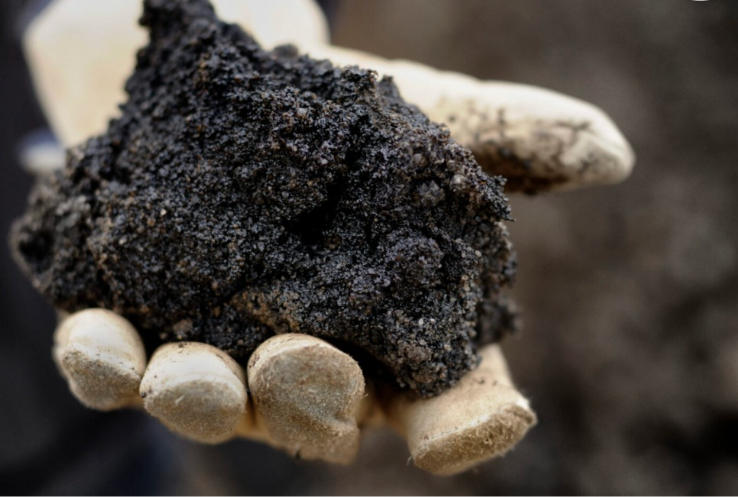
Australia’s VHM said on Monday it has received a letter of interest from the U.S. Export-Import Bank (EXIM) for up to $200 million in funding to support development of its Goschen rare earths and mineral sands project.

Earlier in the day, shares of the rare earths miner rose 6.1% to A$0.26, their highest since September 25.
The letter of interest from EXIM, the official export credit agency of the U.S. government, proposes funding with a maximum repayment term of 12 years, as Western economies work to diversify the crucial rare earths supply chain away from top producer China.
U.S. government officials have discussed taking a stake in Critical Metals Corp, which would give Washington a direct interest in the largest rare earths project in Greenland, Reuters reported on Saturday, citing people familiar with the matter.
VHM said EXIM has identified the Goschen project as a candidate under its Supply Chain Resiliency Initiative (SCRI), which aims to support projects that strengthen secure and diversified supply chains for U.S. industries.
“VHM is well positioned to advance the Goschen Project and become a globally significant solution to the current critical minerals supply chain issues”, CEO Andrew King said.
The Goschen Project, located in Australia’s Victoria, is classified as a Tier 1 integrated rare earth and mineral sands project.
(Reporting by Nichiket Sunil in Bengaluru; Editing by Sumana Nandy and Rashmi Aich)
Trump administration mulls stake in Greenland rare earth miner
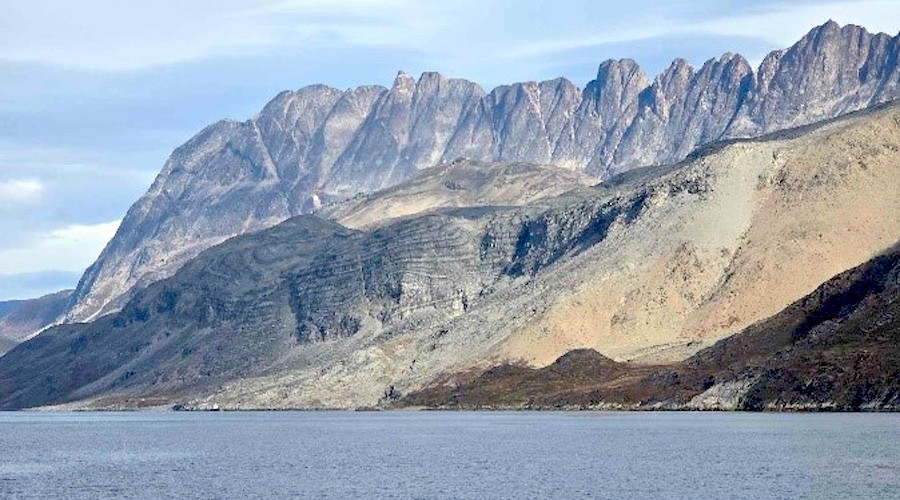
The US government is said to be interested in buying a stake in Critical Metals (NASDAQ: CRML), part of the Trump administration’s broader strategy to expand its control over the world’s supply of critical minerals, Reuters reported on Friday.
The deal, if finalized, would give Washington a direct interest in the Tanbreez project in southern Greenland, one of the largest rare earth deposits in the world. The Reuters report comes a day after Critical Metals more than doubled its interest in the project from 42% to 92.5%, effectively giving it near-control.
The reported government interest follows a series of high-profile transactions Washington made to acquire stakes in companies with projects or mines that could become key suppliers of critical minerals to the US market.
Last month, it bought a 5% stake in Lithium Americas (NYSE: LAC), whose flagship project in Nevada is slated to become the largest source of battery-grade lithium in the Western Hemisphere. Two months earlier, the US Department of Defence (now Department of War) purchased a $400 million or roughly 15% stake in MP Materials (NASDAQ: MP), the nation’s only rare earths producer.
In Critical Metals’ case, it is one of “hundreds of companies” with critical minerals projects that have approached the government for investment, a Trump official said when requested for commentary by Reuters.
One other source told Reuters that discussions have gone as long as six weeks involving the conversion of the company’s $50 million government grant, which it applied for in June, into stocks. This proposal, if accepted, would give Washington an approximate 8% stake in Critical Metals and its Tanbreeze rare earth project in southern Greenland.
Any equity investment, according to Reuters, would be separate from the $120 million loan being lined up by the US Export-Import Bank, also announced in June.
Reuters sources also said that the equity investment talks had been delayed due to the administration’s focus on the Lithium Americas deal.
Shares of the company exploded during after-hours trading on the Reuters report, rising as much as 80% over its 52-week high of $9.89. The stock closed Friday’s session at $7.98 with a market capitalization of $786.9 million.
Large rare earth project
Based on company estimates, the Tanbreez deposit has at least 45 million tonnes in total resources, hosted within a massive kakortokite unit that has largely been underexplored to date. About a third of that resource is categorized as “heavy” rare earths used widely in high-performance applications such as clean energy and defense, and are more sought after than the more common “light” rare earths.
According to Critical Metals, the Tanbreez rare earths were discovered in an orebody covering 8 km x 5 km, representing only 1% of the entire 4.7-billion-tonne host rock. Exploration is currently underway to further expand the resource in support of a bankable feasibility study.
Earlier this year, the New York-headquartered miner released a preliminary economic assessment for the Tanbreeze project based on the current resource, showing a net present value (NPV) of approximately $3 billion (approximately $2.8 billion to $3.6 billion at discount rates of 15% and 12.5%, respectively, before tax), with an internal rate of return (IRR) of 180%.
The report outlines a phased growth strategy for the Tanbreez project, with initial production of around 85,000 tonnes of rare earth oxides per annum, beginning as early as 2026, then scaled to 425,000 tonnes after modular expansion.
The company previously said that the Tanbreez project would cost $290 million to bring into commercial production, with initial work to be funded by the EXIM loan.
Greenland interest
Due to its vast endowment of resources and critical minerals, Greenland has been the subject of US economic interest dating back to the Biden administration. US officials visited Nuuk as recently as last November as part of ongoing efforts to get private investment in the island’s mineral sector.
According to Reuters, the Biden government successfully lobbied Tanbreez’s then-owner not to sell the project to a Chinese developer and instead sell it to Critical Metals for a cheaper price.
Current President Donald Trump also made no secret of his desire to “own” the Danish territory. Earlier this year, Vice President JD Vance made a quick trip to Greenland to make Trump’s pitch.
Despite growing interest, Greenland’s mining sector has seen little progress in recent years due to limited investor interest, bureaucratic challenges and environmental concerns. Currently, there are only two small mines in operation.
As for Critical Metals, the company would still have to build a processing facility, and its representatives said their goal is to process the material inside the US.

No comments:
Post a Comment