Watersports disturbing marine mammals in Scotland
New research has revealed that kayakers, paddleboarders and speedboats are frequently disturbing whales, dolphins and seals around Scotland's coasts.
The study undertaken by Heriot-Watt University in partnership with Whale and Dolphin Conservation recorded hundreds of interactions between vessels and marine mammals over more than 400 hours of land-based observation at five coastal sites, including Marine Protected Areas.
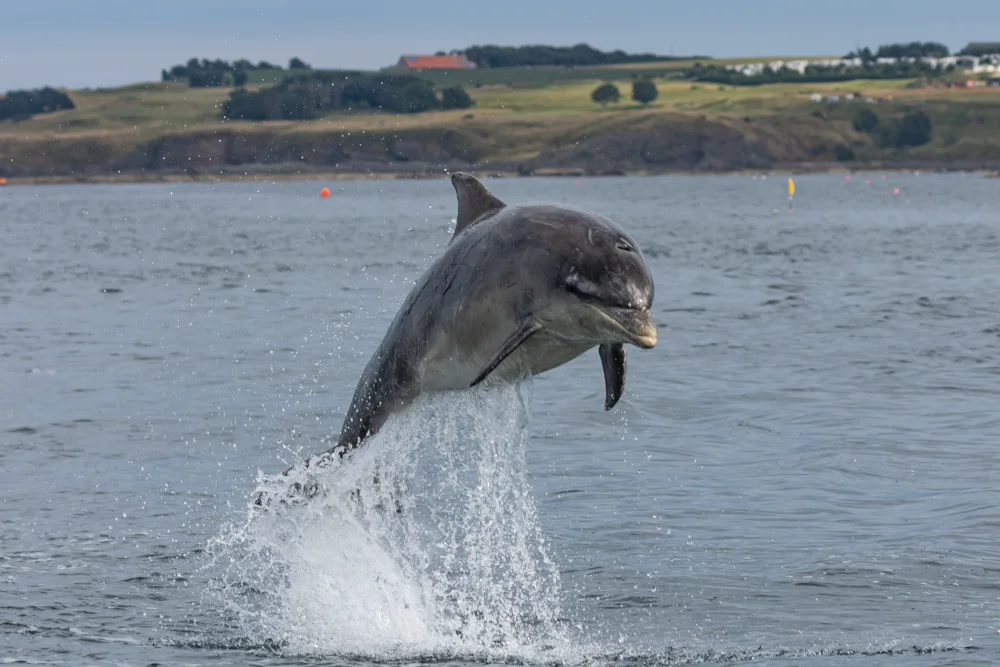
Marine mammals such as Common Bottlenose Dolphin are faced with disturbance from watersports, even in protected Scottish waters (Keith Simpson).
Widespread disturbance
Disturbance events from kayaks and paddleboards were documented in the Moray Firth, Clyde, Forth and Tay. Speedboats were also a source of disruption at all sites surveyed.
Lead researcher Dr Emily Hague said: "The truth is that all of Scotland's coastline is important habitat for marine mammals. Whether you're paddling off the coast of Fife or sailing around Skye, you're likely sharing the water with sensitive species.
"We want people to enjoy Scotland's waters, but to do so responsibly by keeping up to date on how best to respond should you spot marine wildlife. With a little more awareness and a few small changes, we can all help ensure that sharing the sea doesn’t come at a cost to the animals that call it home."
Code of conduct for marine mammals
NatureScot's Scottish Marine Wildlife Watching Code provides advice for minimising disturbance to marine mammals:
- Keep at least 100 m away from marine mammals;
- Avoid sudden changes in direction, speed, or noise, especially with engine-powered craft;
- Avoid surrounding animals;
- Limit encounters to a maximum of 15 minutes and move on if animals appear disturbed;
- Do not use fast-moving craft for wildlife watching due to their noise, speed and collision risk;
- Give seals hauled out on land a wide berth.
The study highlights the need for better awareness among recreational users and and stronger adherence to wildlife codes to protect Scotland's marine species.
The research can be read in full on ScienceDirect.com.

No comments:
Post a Comment