IMO and ILO Highlight Growing Issue of Seafarer Criminalization
 Earlier this month, in my capacity as Director for the Seamen’s Church Institute’s (SCI) Center for Mariner Advocacy (CMA), I had the good fortune to attend two significant international meetings in London, both addressing critical issues concerning the rights and safety of seafarers.
The first was a one-day conference titled “Protecting Seafarers Against Criminalization: What More Can Be Done?”, co-hosted by the International Maritime Organization (IMO), International Labour Organization (ILO), International Chamber of Shipping (ICS), and the International Transport Workers’ Federation (ITF). The event aimed to highlight and promote the implementation of the newly adopted Guidelines on Fair Treatment of Seafarers Detained in Connection with Alleged Crimes. These guidelines are the result of several years of collaborative work at the IMO and ILO, of which SCI has been privileged to be part of these proceedings and contribute to their development.
The conference addressed the growing concern surrounding the criminalization of seafarers and explored potential mechanisms for better monitoring such cases. One idea under discussion was whether criminalization cases could be tracked in a manner similar to how abandonment cases are currently recorded. Another proposal involved the possibility of initiating independent investigations in instances where seafarers allege unfair treatment in criminal proceedings. While there was strong interest in these ideas, consensus was not reached, acknowledging the practical and logistical challenges of implementation. Nevertheless, there was clear agreement on the need for continued international engagement on this issue.
Following that conference, I participated in the IMO Maritime Safety Committee meeting, where several agenda items that directly impacted seafarers were discussed,
- The human element in the context of autonomous vessels, including which safety and training considerations must be addressed immediately versus those that can be gradually implemented;
- Shipboard security improvements, especially in response to threats related to piracy and cybersecurity;
- Design enhancements to ensure safer escape routes from lower machinery spaces;
- Prevention strategies for accidental falls from height; and
- The integration of human-centered design principles into vessel architecture.
Of particular concern was the recurring discussion on seafarer fatigue. This topic includes issues such as working hours, rest periods, and appropriate manning levels. While time constraints prevented an in-depth discussion of the issue during a previous ILO session in April 2025, I was glad that it was revisited with a sharper focus at this IMO meeting. Fatigue mitigation is a longstanding challenge with direct implications for both safety and seafarer wellbeing. SCI and all of us who work to support seafarer wellbeing consider this to be one of the most urgent areas for advocacy, and CMA intends to prioritize it as a core element of our future engagement with international maritime policy.
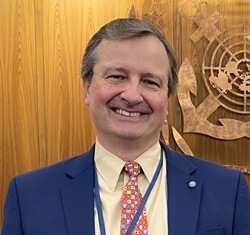
Philip C. Schifflin, Jr., Esq., is Director of the Center for Mariner Advocacy at the Seamen’s Church Institute.
The opinions expressed herein are the author's and not necessarily those of The Maritime Executive.
Trafigura Employee Named in Pertamina Oil Graft Investigation
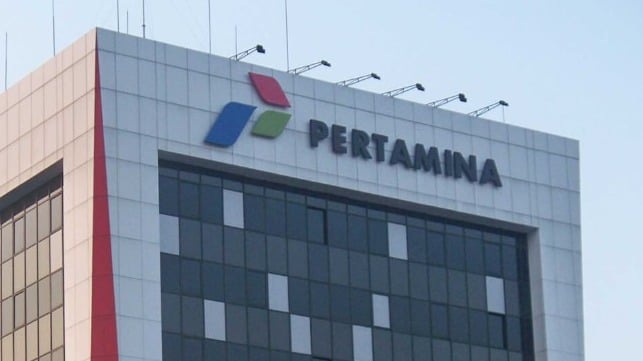
Commodity trader and shipowner Trafigura has been named in past scandals in Angola, Ivory Coast, Brazil, Myanmar and Mexico, and one of its employees is now implicated in Indonesia's oil-import fraud scandal as well. A sales manager of the Switzerland-based commodities giant has been detained in connection with an investigation into suspicious oil trading at state petroleum firm Pertamina, a scheme that spanned five years and allegedly cost the Indonesian state at least $12 billion.
Last Thursday, Indonesia's attorney general named nine new suspects in the sprawling case, doubling the size of the existing list. Prosecutors allege that the suspects were involved in a scheme to improperly import fuel and oil; one of the accused is a business development manager at Trafigura's Indonesian operating company, identified only as "MH." Trafigura said in a statement that it is providing the employee with legal representation, and awaits more detail on the specifics of the allegations.
Also named in the attorney general's announcement was Mohammad Riza Chalid, a well-known Indonesian businessman with a controversial past. Chalid owns shipowner PT Navigator Khatulistiwa and terminal operator PT Orbit Terminal Merak. An international manhunt for Chalid is said to be under way, and he is believed to be in Singapore.
Prosecutors allege that Pertamina - which has a near-monopoly on fuel sales in Indonesia - was improperly importing foreign oil and fuel, even though domestic sources were available. The state oil company is required by law to first source its products domestically, then resort to foreign suppliers only if there is no alternative. In this case, adequate domestic supplies existed, but Pertamina bought foreign imports anyways, prosecutors allege. The second part of the scheme allegedly saw Pertamina fraudulently sell a low-grade fuel blend to motorists as "premium" gas at inflated prices. The third and last component was an alleged scam to inflate the cost of Pertamina's petroleum shipping. Each step in this chain cost money for the Indonesian state - Pertamina's owner - while enriching the participants, according to prosecutors.
Top image: Akhmad Fauzi / CC BY SA 3.0


No comments:
Post a Comment