Reuters | April 9, 2025
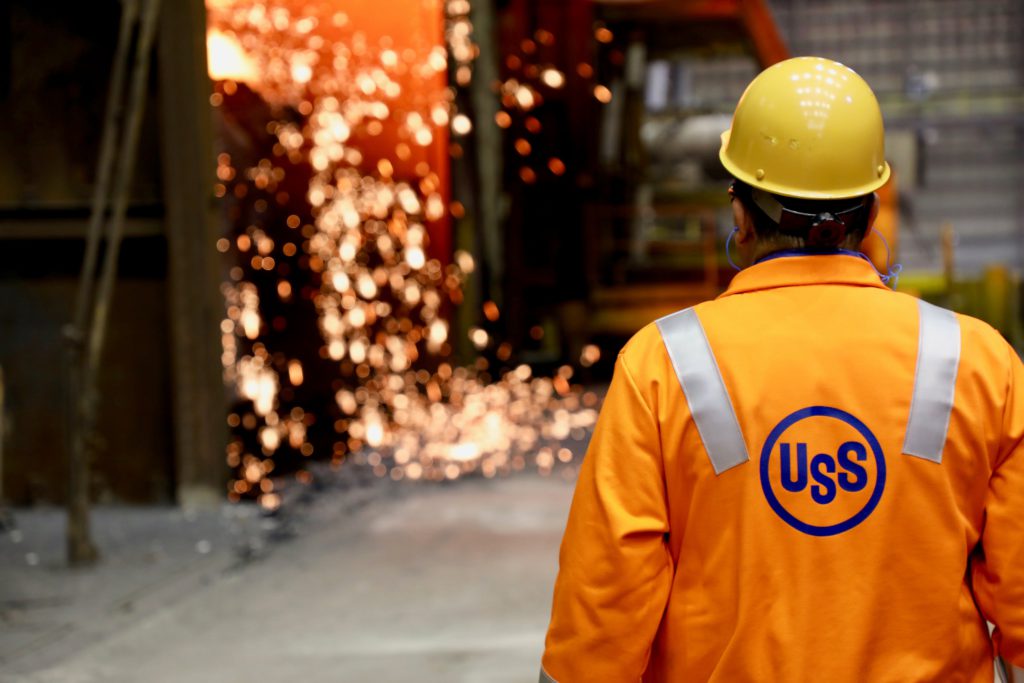
Credit: US Steel
US President Donald Trump said on Wednesday he does not want US Steel Corp to go to Japan, suggesting he does not support Nippon Steel’s $14 billion bid for the American steel producer.

The comment appeared to contradict recent actions by the Trump administration. On Monday, Trump directed a national security panel to take a fresh look at Nippon Steel’s all-cash bid for US Steel to help determine if “further action” is appropriate, raising hopes the deal could gain an elusive green light.
Following Trump’s latest comment, shares of US Steel fell as much as 14% to $38.57 in after hours trading before recovering slightly. They remained well below Nippon Steel’s $55 a share offer price.
“We don’t want to see it go to Japan,” Trump said, adding “We love Japan.”
“We don’t want it to go to Japan or any other place, and we’re working with them,” Trump said.
US Steel and Nippon Steel did not immediately respond to requests for comment.
The comment shows the future of the deal remains uncertain given sudden changes in thinking at the White House.
White House officials gave no details about Trump’s comments or whether they contradicted Monday’s action. “Everything’s always on the table with the president,” one official said.
Outgoing President Joe Biden had blocked the merger in January on national security grounds.
After Biden’s decision, the two companies sued the Committee on Foreign Investment in the United States (CFIUS), which scrutinizes foreign investments for national security risks, alleging Biden had prejudiced the committee’s decision and violated the companies’ right to a fair review.
The deal was announced in December 2023 and almost immediately ran into opposition across the political spectrum ahead of the November 5 US presidential election. Both then-candidates Trump and Biden vowed to block the purchase of the storied American company.
The companies had argued that Biden opposed the deal when he was running for reelection to win support from the United Steelworkers union in the battleground state of Pennsylvania, where US Steel is headquartered. The Biden administration had defended the review as essential to protecting security, infrastructure, and supply chains.
Last month, the Trump administration filed a motion to extend two deadlines in the lawsuit to give the government more time to wrap up merger talks with the firms.
Late on Monday, the Trump administration and the companies asked an appeals court to pause their litigation until June 5 while CFIUS reviews the tie-up again, noting that the process has the potential to “fully resolve” the companies’ claims.
(By Andrea Shalal; Editing by Scott Malone, Bill Berkrot and Jamie Freed)
Activist Ancora drops US Steel campaign after Trump orders review of Nippon Steel bid
Reuters | April 9, 2025
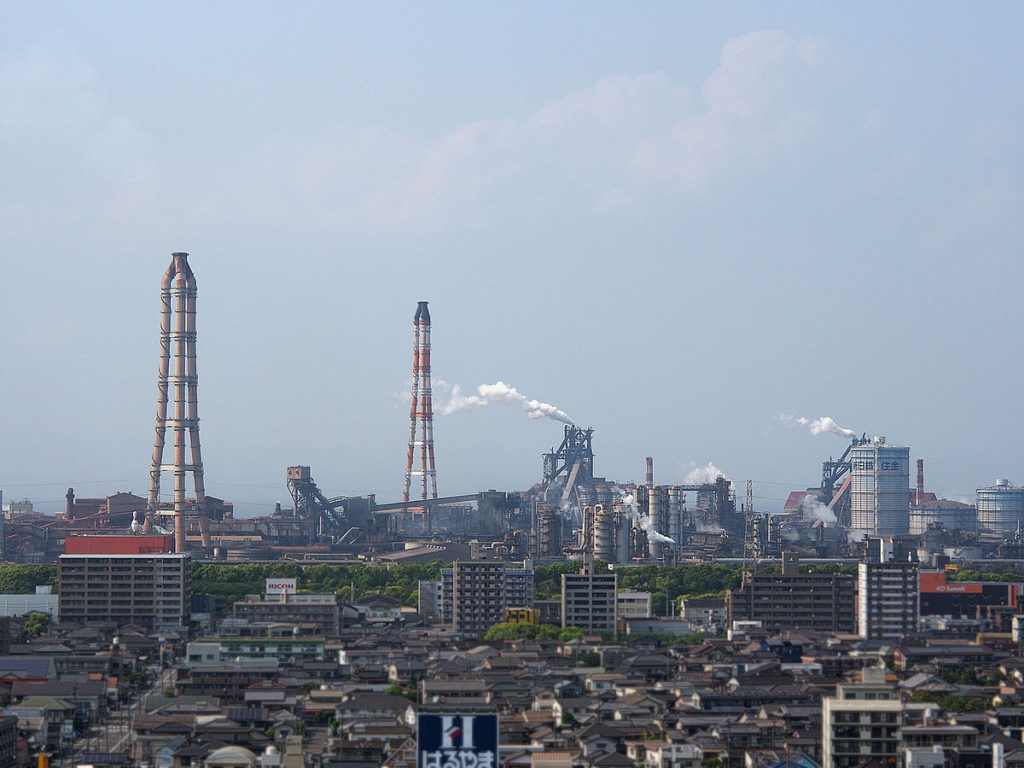
Nippon Steel plant. Source: Wikimedia Commons
Investment firm Ancora Holdings on Wednesday walked away from a bitter board room fight with US Steel, days after President Donald Trump signalled the iconic American company might be taken over by a Japanese rival after all.
Ancora, which owns roughly 1% of US Steel, in January mounted a proxy fight to oust the steelmaker’s chief executive officer after former President Joe Biden’s administration blocked a planned sale to Japan’s Nippon Steel.
Amid fresh signs this week that the sale may be resurrected, Ancora took the highly unusual step of withdrawing its nine director candidates thus scrapping one of the year’s most closely watched corporate fights.
“Ancora always wants fellow stockholders and stakeholders to benefit from the best outcomes, which in this case is the seemingly probable closing of the $55 per share transaction,” the investment firm said in a statement on Wednesday.
US Steel’s stock price was mostly flat, trading close to $44 a share. In the last five days it climbed nearly 9% even as the broader market tumbled on fears that global businesses will suffer from Trump’s tariffs.
From the start, Ancora said it wanted to help engineer a turnaround for US Steel, currently valued at roughly $10 billion, and came in only after news that the planned deal with Nippon was dead. It signalled to other shareholders that it was in favour of the deal but that in the absence of a sale it had plans to replace the CEO with Alan Kestenbaum, a former CEO of Canadian steel company Stelco.
But with Trump’s decision to have the US conduct a new review of the deal, Ancora and other investors changed their view on whether the deal might go through.
Trump on Monday directed the Committee on Foreign Investment in the United States, which scrutinizes foreign investments for national security risks, to review Nippon’s bid for US Steel to help determine if “further action” was appropriate.
A person familiar with Ancora’s thinking said the investment firm began contemplating ways to end its fight on Monday after the CFIUS decision, Following phone calls with other investors whose support would be necessary to win any board seats, the writing was on the wall. The biggest investors made clear they would not back Ancora’s fight and it was time to bow out, both not to be a distraction to a possible deal and to preserve the firm’s reputation, the person said.
Ancora has taken on a number of big companies and won board seats. Earlier this year, auto-parts company LKQ handed two board seats to the investor and a year ago Norfolk Southern shareholders elected three Ancora nominated directors to the railroad’s board. Late last year, Norfolk Southern pledged to work with Ancora to add a new director to avoid another fight with the firm.
Even for Trump, the move on US Steel marked a shift. He had previously opposed Nippon’s pursuit to buy the 123-year-old steelmaker as he pledged to radically limit foreign access to domestic markets to ensure the supply chain for essential goods would be 100% American.
(By Svea Herbst-Bayliss, Rishabh Jaiswal, Mrinmay Dey, Utkarsh Shetti and Aatreyee Dasgupta; Editing by Alan Barona and David Gregorio)
Reuters | April 9, 2025
Nippon Steel plant. Source: Wikimedia Commons
Investment firm Ancora Holdings on Wednesday walked away from a bitter board room fight with US Steel, days after President Donald Trump signalled the iconic American company might be taken over by a Japanese rival after all.
Ancora, which owns roughly 1% of US Steel, in January mounted a proxy fight to oust the steelmaker’s chief executive officer after former President Joe Biden’s administration blocked a planned sale to Japan’s Nippon Steel.
Amid fresh signs this week that the sale may be resurrected, Ancora took the highly unusual step of withdrawing its nine director candidates thus scrapping one of the year’s most closely watched corporate fights.
“Ancora always wants fellow stockholders and stakeholders to benefit from the best outcomes, which in this case is the seemingly probable closing of the $55 per share transaction,” the investment firm said in a statement on Wednesday.
US Steel’s stock price was mostly flat, trading close to $44 a share. In the last five days it climbed nearly 9% even as the broader market tumbled on fears that global businesses will suffer from Trump’s tariffs.
From the start, Ancora said it wanted to help engineer a turnaround for US Steel, currently valued at roughly $10 billion, and came in only after news that the planned deal with Nippon was dead. It signalled to other shareholders that it was in favour of the deal but that in the absence of a sale it had plans to replace the CEO with Alan Kestenbaum, a former CEO of Canadian steel company Stelco.
But with Trump’s decision to have the US conduct a new review of the deal, Ancora and other investors changed their view on whether the deal might go through.
Trump on Monday directed the Committee on Foreign Investment in the United States, which scrutinizes foreign investments for national security risks, to review Nippon’s bid for US Steel to help determine if “further action” was appropriate.
A person familiar with Ancora’s thinking said the investment firm began contemplating ways to end its fight on Monday after the CFIUS decision, Following phone calls with other investors whose support would be necessary to win any board seats, the writing was on the wall. The biggest investors made clear they would not back Ancora’s fight and it was time to bow out, both not to be a distraction to a possible deal and to preserve the firm’s reputation, the person said.
Ancora has taken on a number of big companies and won board seats. Earlier this year, auto-parts company LKQ handed two board seats to the investor and a year ago Norfolk Southern shareholders elected three Ancora nominated directors to the railroad’s board. Late last year, Norfolk Southern pledged to work with Ancora to add a new director to avoid another fight with the firm.
Even for Trump, the move on US Steel marked a shift. He had previously opposed Nippon’s pursuit to buy the 123-year-old steelmaker as he pledged to radically limit foreign access to domestic markets to ensure the supply chain for essential goods would be 100% American.
(By Svea Herbst-Bayliss, Rishabh Jaiswal, Mrinmay Dey, Utkarsh Shetti and Aatreyee Dasgupta; Editing by Alan Barona and David Gregorio)


No comments:
Post a Comment