India sends geologists to Zambia to explore copper and cobalt deposits
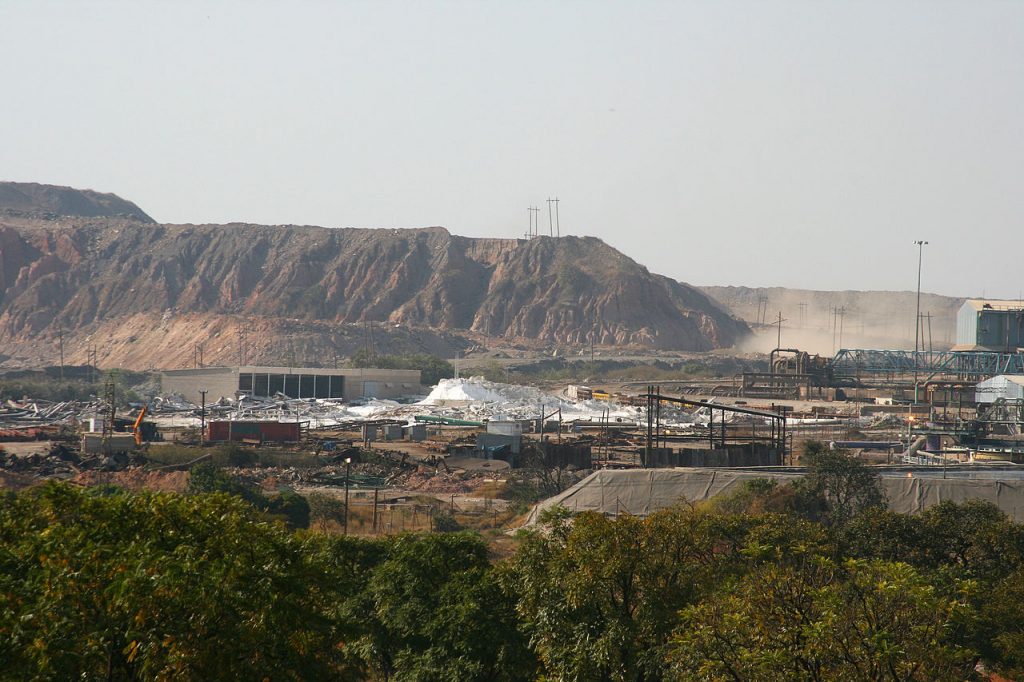
India has dispatched a team of geologists to Zambia to explore copper and cobalt deposits, two Indian government sources said, as New Delhi steps up efforts to secure critical mineral supplies essential to its energy transition.

The Zambian government this year agreed to allocate 9,000 square km (3,475 square miles) to India for the exploration of cobalt – a key component in batteries for electric vehicles and mobile phones – as well as for scouting copper, which is widely used in power generation, electronics, and construction.
The exploration project will last for three years and most of the analysis will be done in laboratories in India, one of the sources said.
The team is expected to make multiple visits over the course of the entire project, said the sources, who declined to be identified because the information is not public.
After assessing the mining potential, the Indian government will seek a mining lease from the Zambian government and may also invite private-sector companies to participate in the project, the sources said.
India’s Ministry of Mines did not respond to a request for comment.
New Delhi has been in talks with several African countries to acquire critical mineral blocks on a government-to-government basis, while also exploring opportunities in Australia and Latin America.
India is also in discussions with the Democratic Republic of Congo to sign an initial agreement to secure supplies of cobalt and copper, Reuters reported in March.
An Indian delegation attended a mining conference in Congo last month and toured local mines, the ministry said in a post on X.
India has held internal discussions over its growing vulnerability to a tightening global copper market and plans to explore ways to secure supply from resource-rich countries during ongoing trade negotiations, Reuters reported last week.
India’s copper imports have risen sharply since the 2018 closure of Vedanta’s Sterlite copper smelter. The country imported 1.2 million metric tons of copper in the fiscal year ending March 2025, up 4% from the previous year.
India is almost entirely dependent on cobalt imports and shipments of cobalt oxide rose 20% in 2024/25 to 693 metric tons, government data showed.
(By Neha Arora; Editing by Mayank Bhardwaj and Jamie Freed)
Critical minerals to top Modi’s agenda in five-nation tour
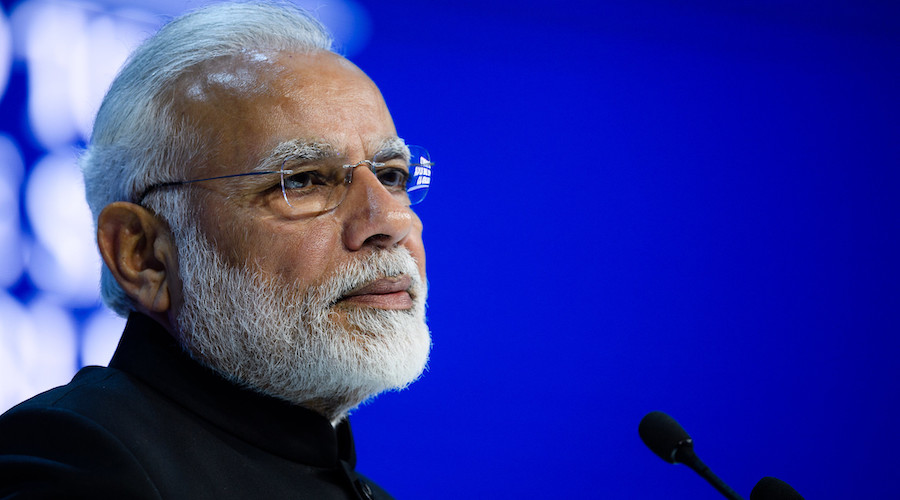
Supply agreements for critical minerals will dominate Indian Prime Minister Narendra Modi’s visit to Ghana, Namibia, Brazil, Argentina and Trinidad & Tobago starting Wednesday as the South Asian country’s industry grapples with restricted supplies from China.
“We have achieved good progress in Argentina,” Dammu Ravi, secretary for economic relations in the Ministry of External Affairs, told reporters in New Delhi on Monday ahead of the five-nation tour. “India’s state-owned Khanij Bidesh India Ltd. and NMDC Ltd. are looking at partnerships in Africa.”
China, the world’s biggest producer of rare earth elements, has begun restricting exports of the minerals as it increasingly uses its dominance for geopolitical leverage. The export curbs on rare earth magnets — used in everything from mobile phones to electric vehicles — are worrying Indian automakers fearing disruption to production.
Khanji Bidesh and Coal India Ltd. have four mining concessions for rare earths in Latin America and India is speaking with Argentina, Peru and Bolivia to acquire more concessions, Periasamy Kumaran, secretary in India foreign ministry, said.
(By Sudhi Ranjan Sen)
India Eyes New Sites to Boost Strategic Oil Reserves

India, the world’s third-largest crude oil importer, which depends on imports for about 85% of its daily consumption, considers building three new sites to raise its strategic petroleum reserves.
Engineers India Ltd, a state-run engineering consultancy, is doing feasibility studies, L R Jain, chief executive at the state company managing the reserve, Indian Strategic Petroleum Reserve Ltd, told Reuters on Wednesday.
“In case of exigencies, we will be better prepared,” Jain said.
Currently, India’s underground Strategic Petroleum Reserve storage has a total capacity of 5.33 million metric tons of crude oil, equal to only 39 million barrels of crude oil, or eight days’ worth of India’s oil consumption.
The storage sites are located in Vishakhapatnam in the state of Andhra Pradesh, and Mangaluru and Padur in the state of Karnataka.
Private companies, including Abu Dhabi National Oil Company (ADNOC), have been using and storing petroleum at the existing SPR sites.
With spiking petroleum demand and about 85% of its crude coming from imports, India is now looking to expand its SPR storage sites.
India’s storage capacity, including the SPR and other sites held by private companies and in transit, is currently enough to meet the country’s fuel demand for 75 days.
“We are looking for 90 days of reserves,” Jain told Reuters, adding that India needs additional storage sites as fuel demand keeps rising.
Reserves of at least 90 days of worth of oil consumption would allow India to join the International Energy Agency (IEA), which requires members to have a minimum of 90 days of oil reserves.
The new sites proposed for India’s SPR include another site at Mangalore, salt caverns in Bikaner in the desert state of Rajasthan in northwestern India, and a site at Bina in the central state of Madhya Pradesh, Jain told Reuters.
By Charles Kennedy for Oilprice.com

No comments:
Post a Comment