Forgotten Picasso portrait of Dora Maar sells for $37 mn
Paris (AFP) – A previously unknown portrait by Pablo Picasso of French artist Dora Maar -- the painter's best-known muse -- sold for 32 million euros ($37 million) in Paris on Friday, auction house Drouot told AFP.
Issued on: 24/10/2025 - FRANCE24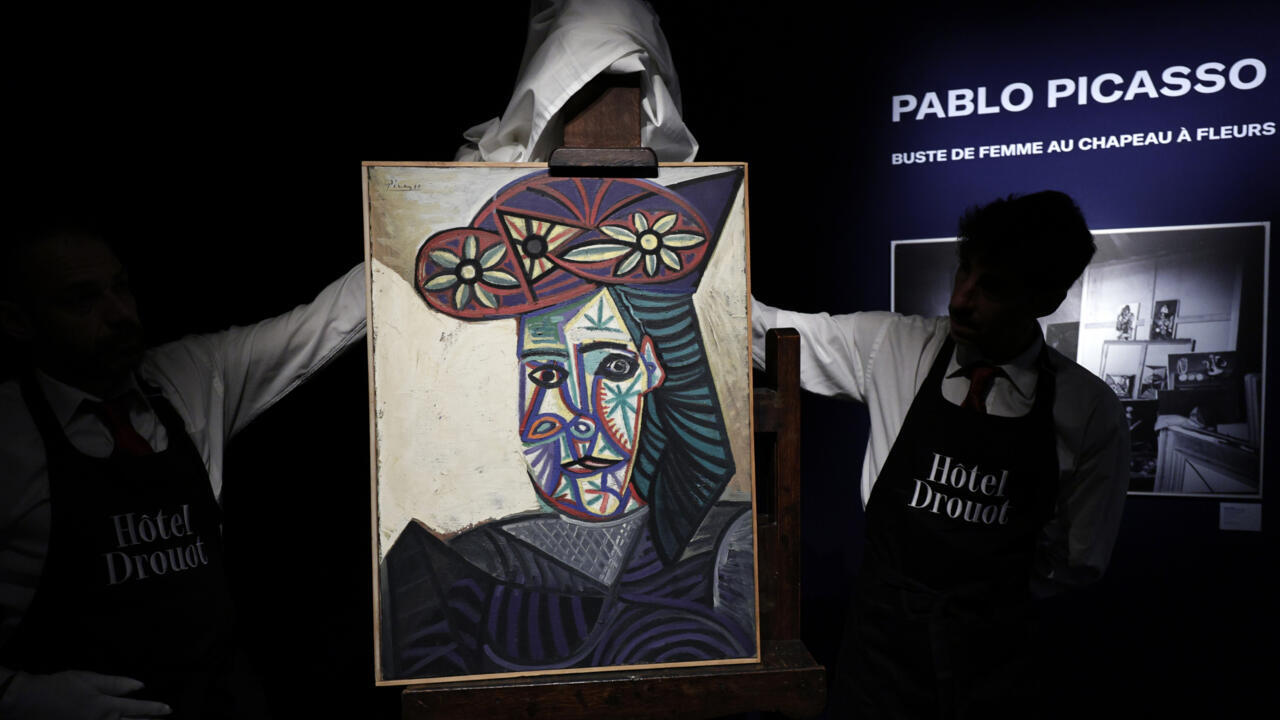 Employees unveil a painting by French artist Pablo Picasso titled 'Bust of a Woman With a Flowery Hat' ahead of an auction in Paris © STEPHANE DE SAKUTIN / AFP
Entitled "Bust of a Woman With a Flowery Hat", the oil portrait of photographer, painter and poet Maar is a riot of colours and thick, black lines.
It was "sold to a foreign buyer present in the room", the auction house said.
The Spanish master painted it on July 11, 1943 and it was acquired in August 1944 by a private French collector, grandfather of the former anonymous owners.
The sale far outstripped the reserve price of eight million euros ($9.5 million).
Picasso sales are used as a leading indicator for the art market as a whole, which has slumped in recent years.
© 2025 AFP
Entitled "Bust of a Woman With a Flowery Hat", the oil portrait of photographer, painter and poet Maar is a riot of colours and thick, black lines.
It was "sold to a foreign buyer present in the room", the auction house said.
The Spanish master painted it on July 11, 1943 and it was acquired in August 1944 by a private French collector, grandfather of the former anonymous owners.
The sale far outstripped the reserve price of eight million euros ($9.5 million).
Picasso sales are used as a leading indicator for the art market as a whole, which has slumped in recent years.
© 2025 AFP
Rediscovered Picasso portrait presented in Paris ahead of auction
Issued on: 24/10/2025 -
A brightly colored 1943 Picasso portrait of his muse and partner Dora Maar, titled Bust of a Woman with a Flowered Hat (Dora Maar), is set to be auctioned in Paris on Friday after more than 80 years out of public view. Painted as their seven-year relationship was nearing its end, the work captures Maar in a vivid floral hat. It was bought in 1944 and has remained in the same family collection ever since. Siobhan Silke reports.
Lost and found: Picasso painting discovered in Madrid after exhibition transfer confusion
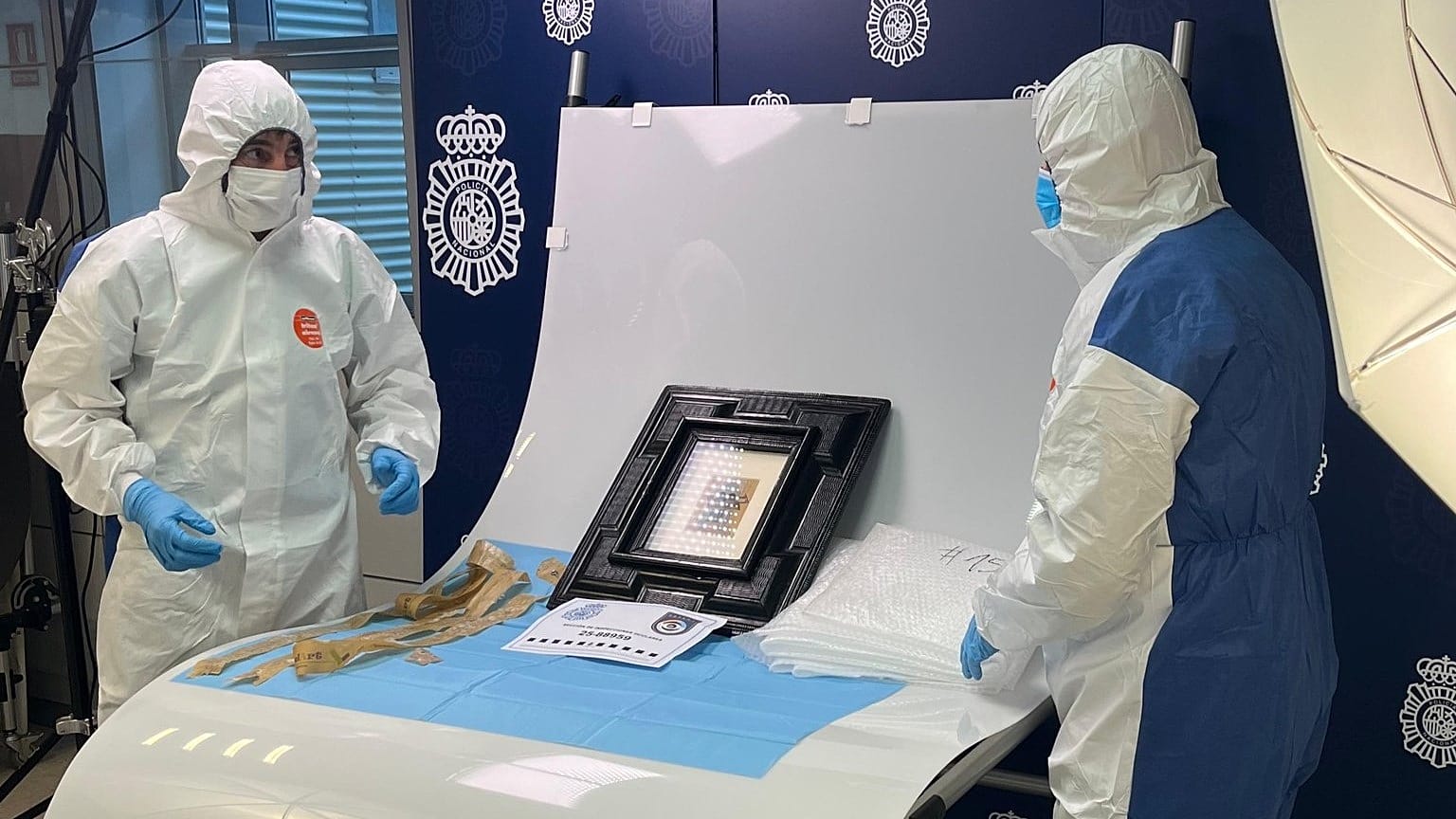
Heard the one about the Picasso painting meant to be moved from Madrid but didn't make it to the removal lorry? Well, Spanish police have now found 'Still Life with Guitar' which was reported to have disappeared earlier this month ahead of its display at a Granada exhibition.
Art market thefts are talk of the town these days following the notorious heist of the Louvre museum but Spanish police appear to have solved a case that left detectives scratching their heads for weeks.
Earlier this month, a Picasso painting was reported missing from a Madrid storeroom, from where it was meant to be taken to Granada for an exhibition at the Centro Cultural CajaGranada.
'Still Life with a Guitar', a small framed gouache from 1919 was part of 56 other works destined for display after leaving its depot in the capital on 25 September. The transport operation was captured by video surveillance.
The entire consignment was delivered just over a week later, however detectives now say as the packaging was not properly numbered, it was impossible to carry out an exhaustive check without unpacking them.
CajaGranada Fundación explained that specific checks were carried out and the consignment notes were signed, with the complete unpacking pending until 6 October, the date scheduled for the inauguration. It was precisely on that day that the absence of the Picasso work was detected. A complaint was subsequently lodged with the National Police on 10 October.
Packaging problems
The National Police launched an extensive search and issued a missing alert for the painting on Interpol's international database of stolen or missing art objects, which contains descriptions and images of more than 57,000 items.
When that hunt failed to turn up any significant clues, investigators tasked with examining the delivery load found discrepancies with the packaging numbers which led them back to Madrid and the missing work.
Forensic police officers inspected the depot and finally confirmed that it was 'Still Life with Guitar'. The main police hypothesis, for now, is that the painting, valued at €600,000 may not have made it onto the transport lorry at source.
The Scharf Collection opens for its first large-scale exhibit in Berlin
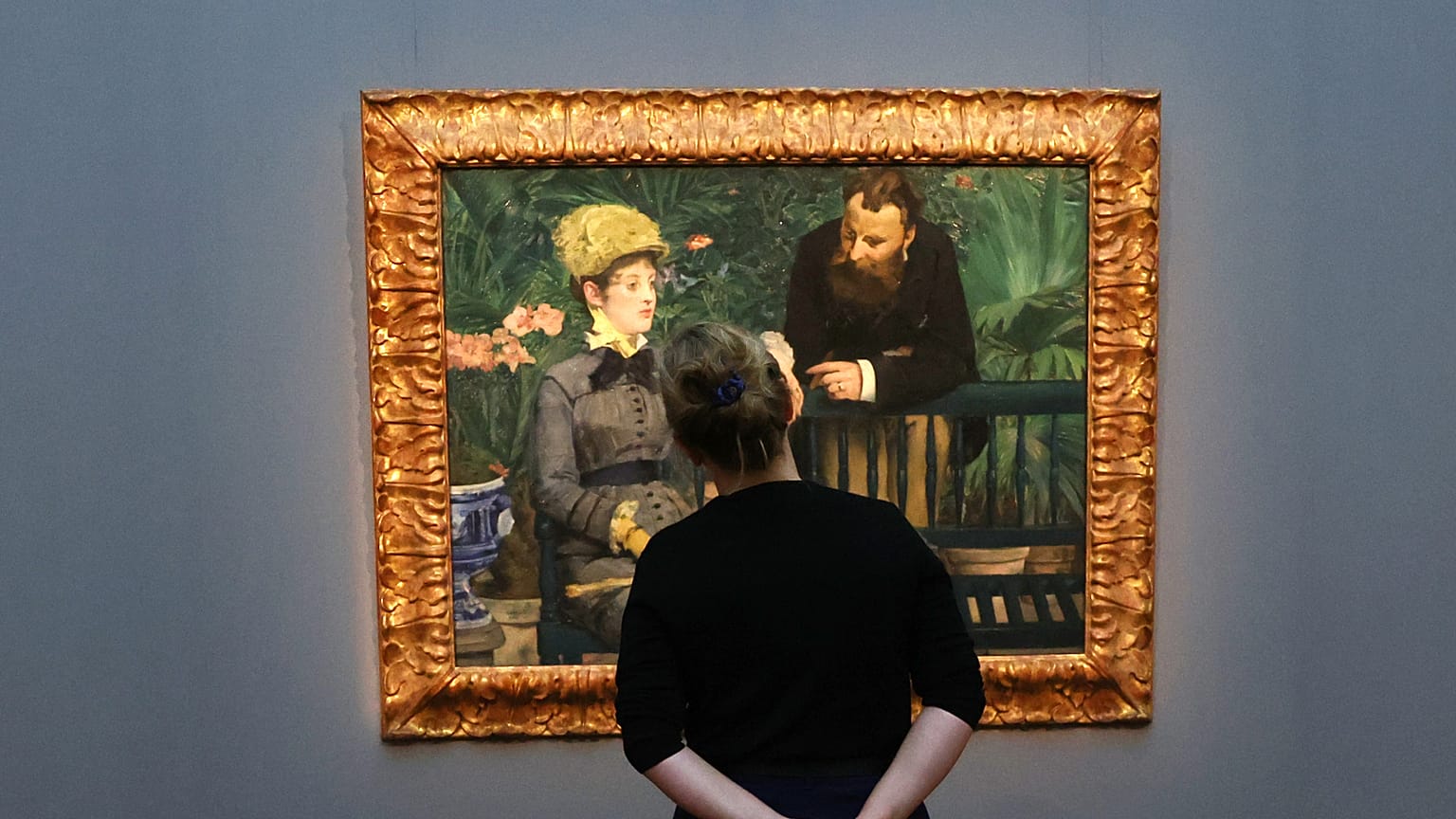
The iconic collection will feature more than 150 artworks by major artists like Manet, Degas and Picasso.
The Scharf Collection, one of Germany’s most important private art holdings, is opening its doors for its first major public exhibition in Berlin.
The collection, which was built over four generations, will feature 150 works from Goya to Grosse spanning 200 years of European and contemporary art.
Shown for the first time at Berlin’s Alte Nationalgalerie from October 2025 to February 2026, the exhibit will showcase the evolution of European art from the early 19th century to today.
Visitors will see prints by Francisco de Goya, Romantic and Realist paintings by Delacroix and Courbet, and Impressionist masterpieces by Monet, Renoir, Cézanne, and Degas.
The show will also include Post-Impressionists like Bonnard and Matisse, then move into Cubism with Picasso and Léger, and end with bold modern and contemporary works by artists such as Sam Francis, Jasper Johns, and Katharina Grosse.
This exhibition is important because it marks the first time the public can view such a large part of this historically rich and visually diverse private collection.
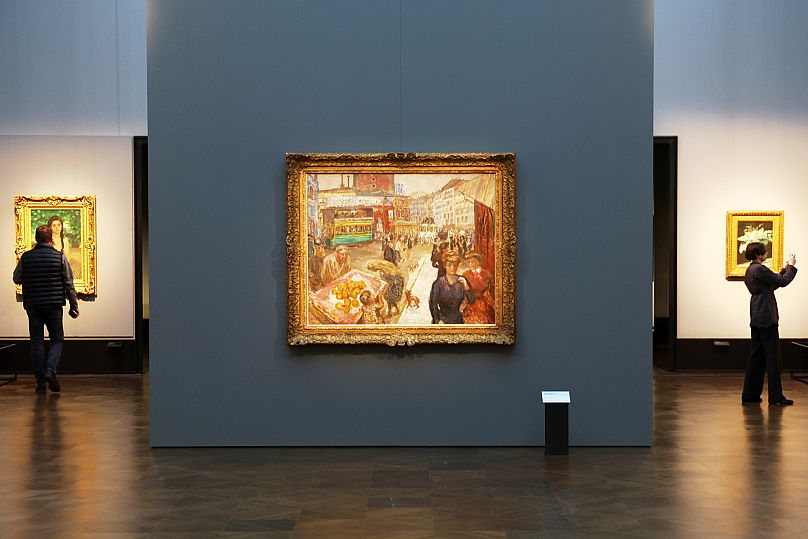
Until now, only a few visitors per year had access to individual works in private settings, and many pieces have never been displayed together. So the show not only honours the family’s legacy, which began with Otto Gerstenberg over a century ago, but also connects past and present through a thoughtful timeline of influential artworks.
So what can visitors expect from such an iconic show?
The exhibition takes them on a journey through 200 years of art, beginning with early 19th-century etchings by Spain’s Francisco de Goya, with his dramatic series The Disasters of War and La Tauromaq
From there, the show moves into the heart of French Romanticism and Realism, featuring works by Eugène Delacroix and portrayals of everyday life by Gustave Courbet. There are also works from Honoré Daumier, expressive caricatures and sculpted busts of lawmakers, from 19th century France.
The exhibition also has a very exciting Impressionist section, with key works by Claude Monet, including early realist scenes like Farmyard in Chailly and later Impressionist landscapes like Steep Cliffs near Dieppe and a moody Waterloo Bridge.
There are also beautiful works by Pierre-Auguste Renoir and Paul Cézanne, showing the changing light, colour, and movement that defined the period. And Edgar Degas is well represented with his classic studies of dancers and bathers, while the colourful, warm paintings of Pierre Bonnard offer scenes of Paris and private domestic life, including Place Clichy and The Large Bathtub.
Henri Matisse and Pablo Picasso, who helped reshape art through Cubism, will be included in the Post-Impressionist and Modernist sections, as well as Fernand Léger, whose paintings combined Cubist structure with vibrant colours and machine-like forms.
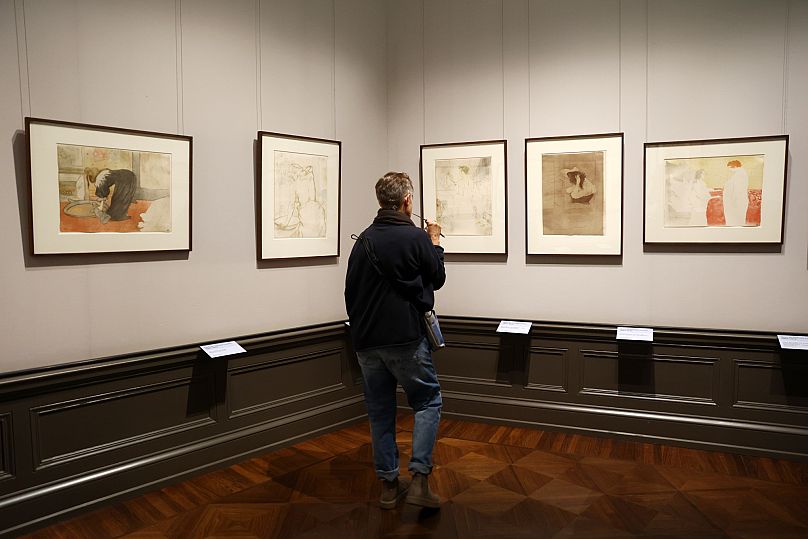
Toulouse-Lautrec is another standout, with a rich selection of his posters and lithographs showing the performers and nightlife of 1890s Paris. His Elles series, showing quiet moments in the lives of sex workers, will offer a look behind the scenes of the Belle Époque.
The exhibition finishes with some abstract and contemporary art, with paintings by American artists like Sam Francis and Jasper Johns bring strong colour and texture, while German artist Katharina Grosse’s massive, sprayed-on canvas fills the space with pinks and blues. Her work forms a visual echo of Monet’s, tying the past to the present.

No comments:
Post a Comment