Don't forget, the clocks go back tonight! Does it affect your health? Here’s what experts say
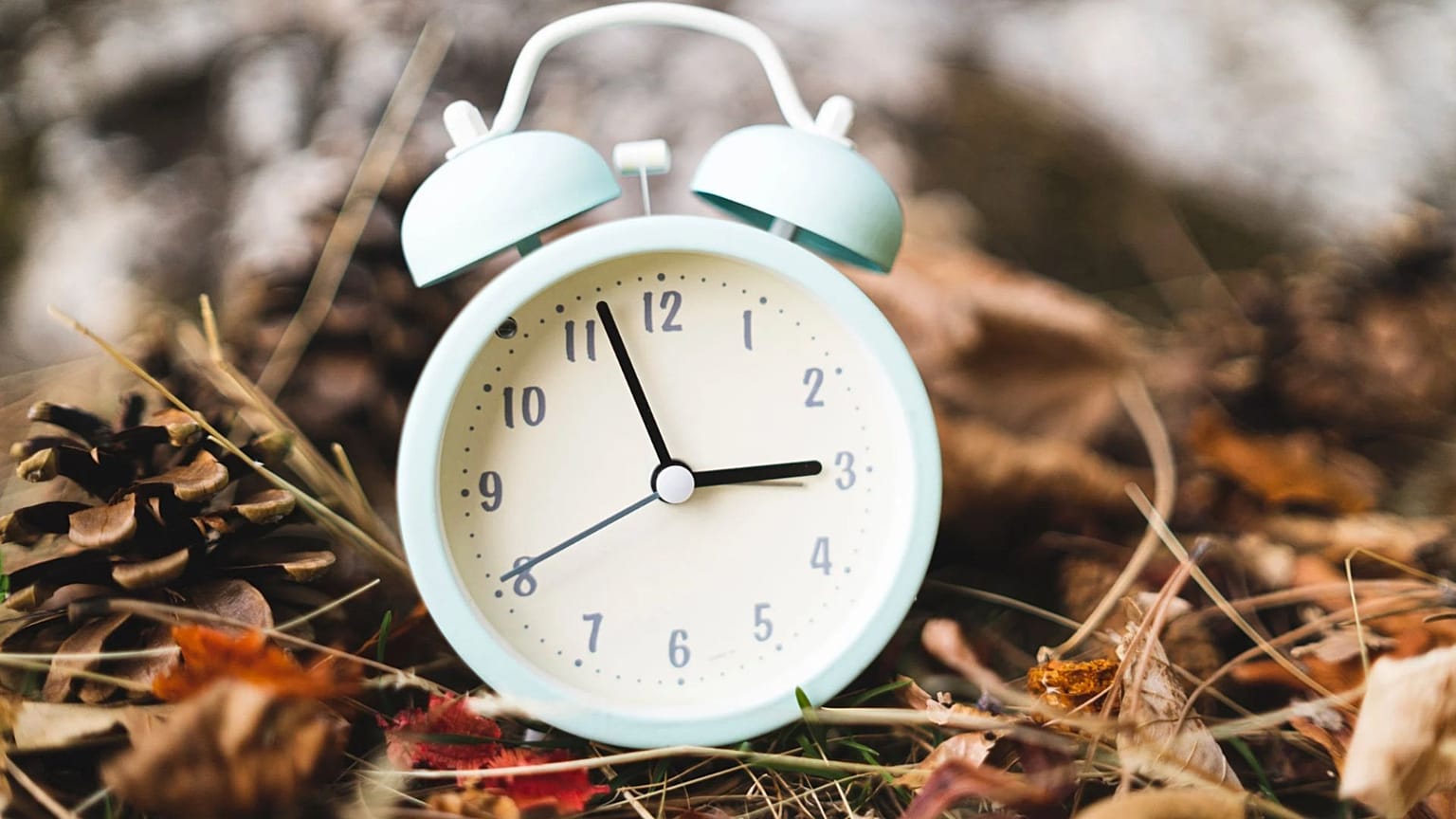
The clock going back for winter is far less disruptive than the spring shift, which has been linked to spikes in heart attacks and traffic accidents.
Every year, as clocks go back in October, millions of people celebrate an “extra hour” of sleep.
But how much does this small shift really affect our bodies, our sleep and our mood?
According to experts, the autumn transition is much milder than the springtime change - but it’s not entirely harmless. The shift subtly disrupts our circadian rhythm, the internal 24-hour clock that regulates sleep, alertness, hormone production and mood
Understanding circadian rhythms
"There’s a circadian clock in every cell of the body, but there’s also a principal clock: a group of neurons in the brain that automatically follows light, dawn, dusk, and darkness via signals from the eyes," Timo Partonen, associate professor of psychiatry at the University of Helsinki, told Euronews Health.
"How well this clock functions affects how well we sleep and how good or bad our mood is. That’s why it’s so important," he added.
What is Daylight Saving Time?
Daylight Saving Time (DST) is the practice of moving clocks forward by one hour in spring and back again in autumn to extend evening daylight. Most of Europe, North America, parts of Africa, and Asia follow this system.
This year, clocks will go back on Sunday, 26 October.
While many welcome the extra hour, the change still nudges our internal timing - and some people feel it more than others.
"Generally speaking, despite complaints about evenings getting darker, the autumn one is usually perceived as less painful," Professor Malcolm von Schantz, a chronobiologist at Northumbria University, told Euronews Health.
"Those who dislike the autumn change mainly complain that it’s suddenly dark when they leave work. But there are two points to that. First, it simply reflects where we live: at that time of year, there aren’t enough daylight hours to keep both mornings and evenings bright. That’s not a result of the clock change, just geography.
"Second, and less intuitively, is that biologically and physiologically, light in the morning is much more important for us," he said.
Partonen agreed, saying that "the autumn clock change is easier to adjust to because it gives us an extra hour to our day. It’s easier for the principal circadian clock to adapt to this new schedule".
However, he warned that initially, sleep may not feel as refreshing as during the summer months.
"There’s also the risk that people don’t use the extra hour for sleep - instead, they stay up later and continue to build sleep debt. The change could be an opportunity to catch up on rest, but most people don’t use it that way," he said.
How the time shift can affect our bodies
The springtime hour change - which steals an hour of sleep - has been linked to short-term spikes in traffic accidents, sleep loss, and heart attacks (one study cited by the American Heart Foundation found there was a 24 per cent increase in heart attacks on the day following the switch to daylight saving time).
But the October shift can still have subtler effects.
A 2025 study by Liverpool John Moores University and the University of Oxford found that women were more likely than men to report increased worry, confusion, and stress in the days after the clock change. Disruptions to children’s routines, such as later bedtimes and difficulty waking, also contributed to stress within households.
Broader health research suggests that frequent clock changes can carry more serious, long-term risks.
A recent analysis by Stanford Medicine scientists found that biannual clock shifts may lead to higher rates of stroke and obesity. The study compared three policies - permanent standard time, permanent daylight saving time, and the current biannual shifting - and concluded that seasonal time changes are the worst option.
By modelling light exposure, circadian alignment, and health outcomes across the United States, the researchers estimated that adopting permanent standard time could prevent around 300,000 strokes per year and reduce obesity in 2.6 million people. Permanent daylight saving time would achieve about two-thirds of that benefit, according to the research.
How to maintain a regular sleeping pattern
Maintaining a consistent sleep pattern is one of the most important - and often overlooked - aspects of our long-term health.
“We know it’s important, and we also know our bodies can cope with some irregularity. But from epidemiological data, we know that for long-term health it’s better to minimise fluctuations," explained Schantz.
He described the modern habit of catching up on sleep at weekends - known as “social jet lag” - as biologically disruptive.
“Many of us get up early during the week and then sleep in on weekends - essentially shifting our schedule as if travelling to another time zone on Friday and back on Monday. That pattern has the same long-term negative effects as frequent exposure to jet lag,” he said.
A study published in the Journal of Epidemiology & Community Health found that individuals with irregular sleep-wake cycles had a 26 per cent higher risk of experiencing major cardiovascular events, such as heart attacks and strokes, even if they obtained the recommended 7-9 hours of sleep per night.
Do we need to rethink Daylight Saving Time?
Many scientists and sleep organisations - including the British Sleep Society, which made an official statement on the matter last year - support ending the biannual clock changes in favour of permanent standard time.
The European Union proposed ending seasonal clock changes in 2018, and while the European Parliament supported it in principle, member states couldn’t agree on whether to adopt a permanent standard time or summer time.
For now, the clock continues to tick back and forth each year.
Experts agree that using the extra hour for genuine rest - rather than staying up later - can help smooth the transition.
“Go to sleep early enough,” advises Dr Partonen.
“If the clock change happens on the night between Saturday and Sunday, go to bed at your usual time - or slightly earlier - on Saturday. That way, you can use the extra hour for sleep and reduce any sleep deprivation”.
Precision timing for Britain's Big Ben as
clocks go back
London (AFP) – British clockmaker Ian Westworth is bracing for a wave of concern this weekend from Londoners convinced the country's most famous clock Big Ben has broken down.
Issued on: 24/10/2025 - FRANCE24
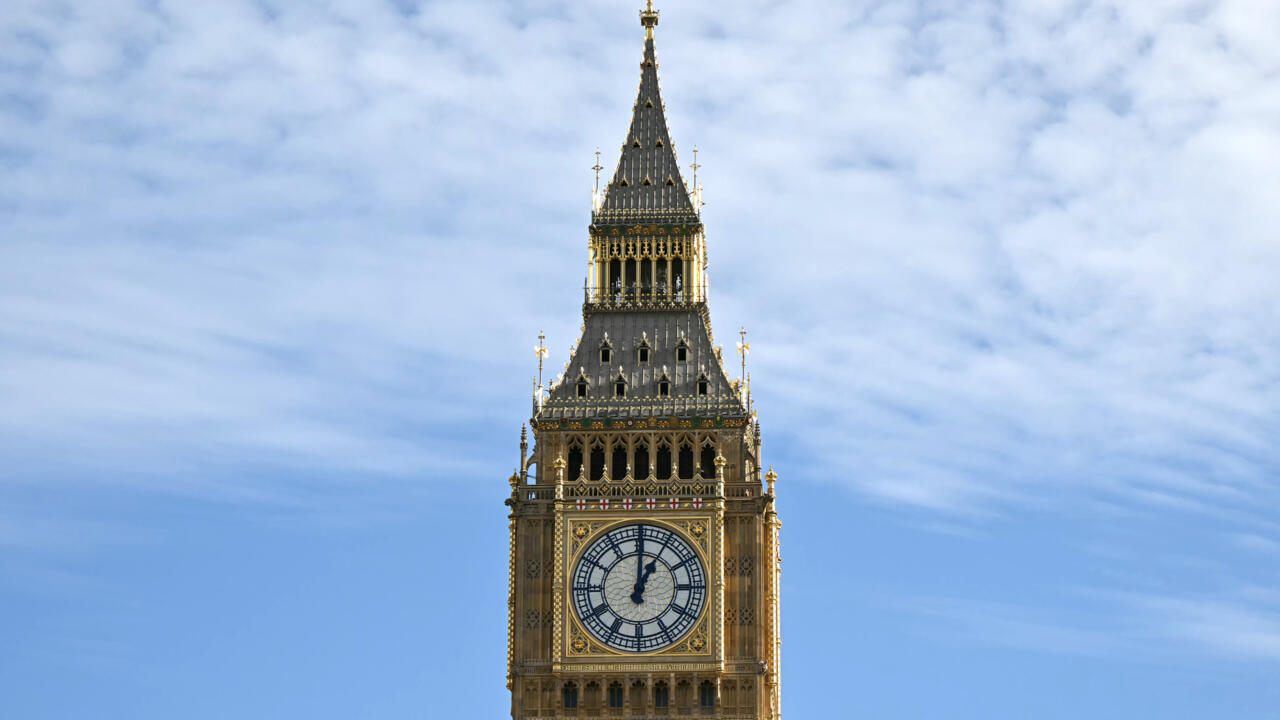 Popularly known as Big Ben, the clock towers of the British capital © JUSTIN TALLIS / AFP
Towering over the UK capital and its parliament, the clock will be stopped briefly to adjust for the switch to winter time -- one of only two occasions each year when it is allowed to pause.
The change takes place at 2:00 am (0100 GMT) on Sunday, when clocks across the UK are turned back one hour to 1:00 am, marking the end of British Summer Time and the return to Greenwich Mean Time (GMT).
Most European countries also revert to standard time ("winter time") Sunday, although there have been calls to scrap seasonal clock changes in recent years, most recently from Spain's leader Pedro Sanchez on Monday.
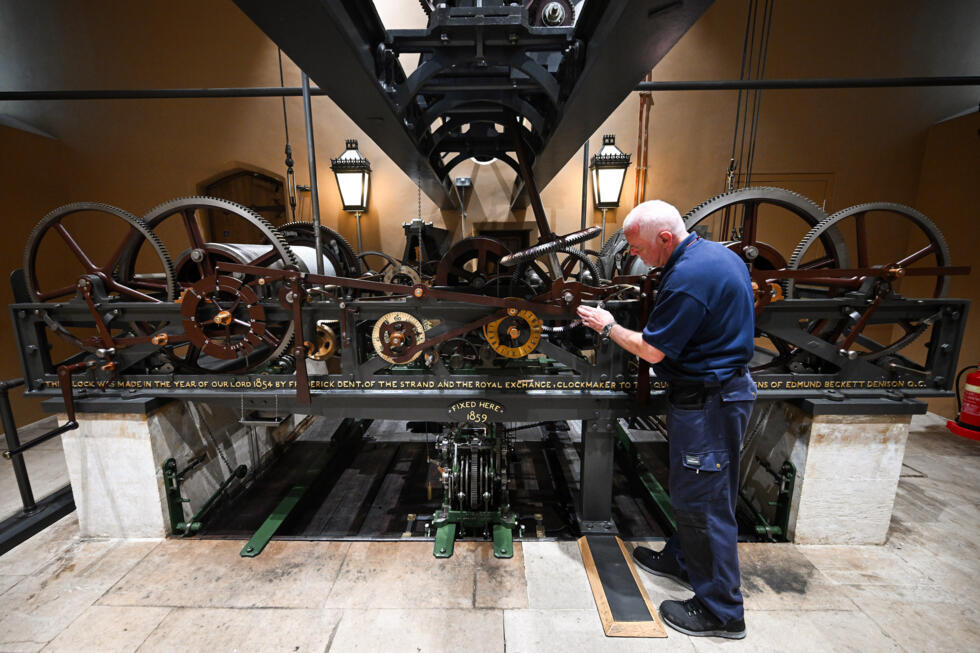
"We come up here and stop the Great Clock -- we really stop it," said Westworth, 63, who has worked in the Palace of Westminster's clock department for over 20 years.
Officially called The Great Clock of Westminster, it and the whole building are widely known as Big Ben -- the name of the largest of the four bells in the Elizabeth Tower.
The nickname is thought to derive from Benjamin Hall who oversaw the bell's installation.
The well-oiled process of turning the clock back begins around 6:00 pm Saturday, Westworth said.
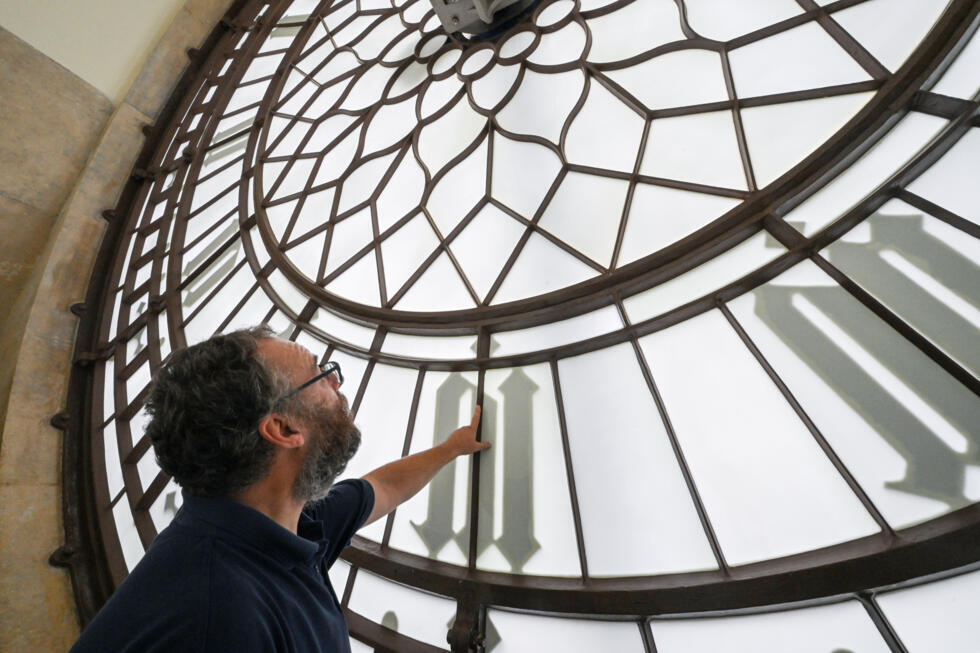
It includes silencing the chimes and switching off the dial lights to avoid passers-by seeing the clock showing an incorrect time.
With the clock paused, the four-person team carries out a full maintenance check, which this year includes tracking down the source of an audible squeak that occurs around the quarter to the hour mark.
"We'll take it apart, service it, put it back together again," Westworth said.
Once that's done the clock is set to the "new midnight".
Life-changing lift
"We don't switch the lights on and we don't have the bells on, but we get the clock ticking and then we've got from 12 o'clock till 2:00 am to get the time right," Westworth said.
At 2:00 am the clock's lights and bells will be switched back on.
"The Monday morning after the time change, we get a lot of emails saying, you know, your clock doesn't work, you know, or I missed my train because of you," he added.
The clock itself is checked and wound up three times a week. The minute hands are made of copper sheet while the hour hands are made of gun metal.
Getting to the clock means wearing a noise-cancelling helmet and used to entail climbing 334 steps to the top of the clock-tower. It stands 316 feet (96 m) high.
But after major renovation work was completed at the end of 2022, a service elevator was added.
"It changed our life," said Westworth, whose team looks after 2,000 clocks on the parliamentary estate, including around 400 which require winding up once a week.
"Back then, if we happened to forget a tool, we had to go all the way down and back up again. It was tough."
Aside from the lift and new LED lighting to illuminate Big Ben, the clock which dates back to 1859 remains largely the same. Before the recent renovation, his team used mobile phones to check the accuracy of the time.
Despite the pace of 21st century technology, Westworth is confident Big Ben's future is secure.
"As long as there is a good team of people behind it, we can keep this clock going for another 160 years," he said.
© 2025 AFP

No comments:
Post a Comment