HD Hyundai Set to Start Shipbuilding in 2026 in the Philippines
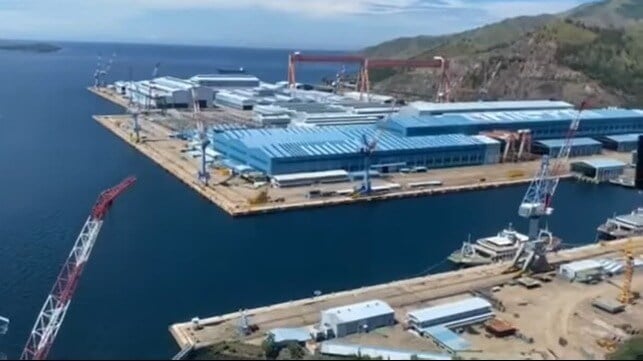
After years of planning and preparation, efforts are now underway to resume shipbuilding at the former Hanjin shipyard in the Philippines, operated by HD Hyundai. The move comes as South Korea’s largest shipbuilder looks to expand its lower-cost operations and increase capacity to realize opportunities it sees in the market.
The Manila Times reports that it toured the site in Subic Bay and was briefed on the efforts to restart the shipbuilding operations. During the site visit, reporters were told the goal is to build up to 10 ships a year within the next three to five years. The initial plan is to use the yard to build product carriers measuring 656 to 820 feet (200 to 250 meters) in length. The ships will be built in 16 to 18 months, and they also anticipate using the yard for offshore structures to support the wind energy sector.
Training for welders has already commenced, and preparations are underway at the former shipyard site. The Manila Times reports that 3,500 workers have been hired, with Hyundai targeting approximately 7,000 workers when the yard is fully operational.
Hanjin had been operating the facility since 2006, and at its peak, employed approximately 13,000 workers. However, with the downturn in shipbuilding, the yard encountered financial troubles and began layoffs, having reduced its employees by 7,000 before filing for bankruptcy at the beginning of 2019.
In March 2022, the Philippines reported that it had selected U.S.-based equity investment firm Cerberus Management Capital with Agila Naval to operate the southern portion of the site as a commercial shipyard. Cerberus was to settle Hanjin’s outstanding debts and assume the South Korean’s 50-year lease on the yard. The northern portion of the facility was converted into Naval Operating Base (NOB) Subic by the Department of National Defense and is used as a base for the Philippine Navy.
HD Hyundai was reported to be interested in the site in part because of its relationship with the Philippine Navy. In 2024, Philippine President Ferdinand Marcos Jr. announced a deal with Agila and Hyundai, calling it a landmark moment that would provide a “fresh start” and a “strong foundation” for shipbuilding in the Philippines.
The South Korean company is reported to have a 10-year lease for approximately 200 hectares and will be able to use some of the equipment, including cranes, from the former shipyard. Reports indicate that it has also committed to investing approximately $550 million over the next 10 years.
HD Hyundai is said to be seeking other international opportunities for its shipbuilding operations. It was recently reported that Hyundai was entering the bidding for a planned new shipyard to be developed in Morocco. It would provide the company with its first location close to the European market. The company has also signed a partnership agreement in the United States and is working on developing opportunities for shipbuilding in India.
Fincantieri Puts New Princess Cruise Ship Through Its Paces During Trials
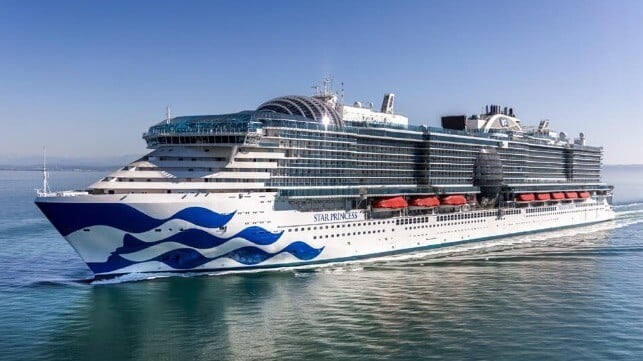
Italian shipbuilding Fincantieri completed sea trials for Princess Cruises' second Sphere-Class ship, the Star Princess. The cruise ship, which is one of the largest ever built in Italy, is also the last of the pre-pandemic orders by Carnival Corporation, while continuing a strong year for Fincantieri.
During the final sea trials from August 9 to 12, Star Princess departed the Fincantieri shipyard in Monfalcone, Italy, for the Adriatic Sea. The vessel completed a comprehensive series of tests, including steering, navigation systems, and propulsion. They report the ship is on track for delivery and its first cruise on October 4, sailing from Barcelona.
"We confidently led Star Princess through sea trials," said Captain Gennaro Arma, leader of the Sphere-Class newbuild site team, who oversaw the sea trials for Princess. "As the proud leader of our newest vessel, I'm extremely impressed with the ship's navigation capabilities and maneuverability.”
Currently under final construction at Fincantieri, the 177,800-gross ton Star Princess is a sister to the Sun Princess, which, after several construction delays, finally entered service at the end of February 2024 while final work was still being completed on the ship. Each ship accommodates 4,300 passengers and 1,600 crew, featuring 30 dining and bar venues, and entertainment, as well as over 1,500 balcony staterooms.
They will remain the largest cruise ships built in Italy until Carnival Cruise Line and Norwegian Cruise Line begin delivery from Fincantieri of their over 200,000 gross ton ships late in the decade. The Princess sister ships are also the first LNG dual-fuel ships for the line and the largest cruise ships operated by Princess Cruises. With the delivery of Star Princess scheduled for this fall, Carnival Corporation will begin a nearly two-year pause on new ship deliveries before Meyer Werft delivers Carnival Festivale to Carnival Cruise Line in 2027.
Fincantieri has already delivered four cruise ships in 2025: Mein Schiff Relax (160,000 GT) in February; Norwegian Aqua (156,300 GT) in March; Viking Vesta (54,300 GT) in June; and Oceania Allura (68,000 GT) in July. The shipbuilder has work underway on additional cruise ships for Norwegian Cruise Line, Oceania Cruises, Regent Seven Seas, Viking, TUI Cruises Mein Schiff, and Four Seasons Yachts. Its orderbook as of mid-2025 stands at a total of 36 cruise ships, including the seven ships each over 200,000 gross tons. Cruise continues to be the largest segment of the business, representing over 40 percent of the group’s total revenues in the first half of 2025.

No comments:
Post a Comment