DW
November 6, 2025
Women's rights groups have welcomed a decision by a Malawian court to allow safe abortions for women and girls subjected to sexual violence. But some religious groups oppose abortion.

Women's rights groups have welcomed a decision by a Malawian court to allow safe abortions for women and girls subjected to sexual violence. But some religious groups oppose abortion.

Family Planning Association of Malawi (FPAM) public relations officer Faith Kamtambe pictured with a client during outreach work in Ntcheu District, MalawiImage: Family Planning Association of Malawi (FPAM)
Until recently, abortion in Malawi was only permitted when a woman's life was in danger. But, recently, the country's High Court ruled that survivors of sexual violence who end up pregnant are entitled to the procedure.
According to Malawi's Gender Equality Law, every person has the right to adequate sexual and reproductive health and, subject to the law, the right to choose whether or not to have a child.
For more than 15 years, women's rights organizations have lobbied for a Termination of Pregnancy Bill. Although a draft bill exists, it has yet to be tabled in parliament.
"This judgment is a vindication for all of us who have been lobbying for proper services for those who go through defilement and rape," Emma Kaliya, chairperson of the Coalition on the Prevention of Unsafe Abortion (COPUA), told DW.
The teenager who sued her way to victory
The ruling follows a lawsuit filed by a 14-year-old girl who was denied a safe abortion at a public health institution after being raped.
She sued the health care provider, the medical facility and the Health Ministry, claiming violations of her sexual and reproductive health rights.
High Court Judge Michael Tembo ruled that forcing a child to carry a pregnancy conceived through violence constitutes cruel, inhuman and degrading treatment.
"It is harsh and inhumane to insist that such a girl keep the pregnancy," Tembo said in his judgment, adding that it was therefore only logical and in accordance with sexual and reproductive health rights that such girls be allowed, without hindrance, to demand abortion, if they so wish, upon exercise of their free will.
The court also directed the Health Ministry to amend its standards and guidelines for post-abortion care within 180 days to include explicit provisions ensuring that survivors of sexual and gender-based violence can access lawful terminations.
\
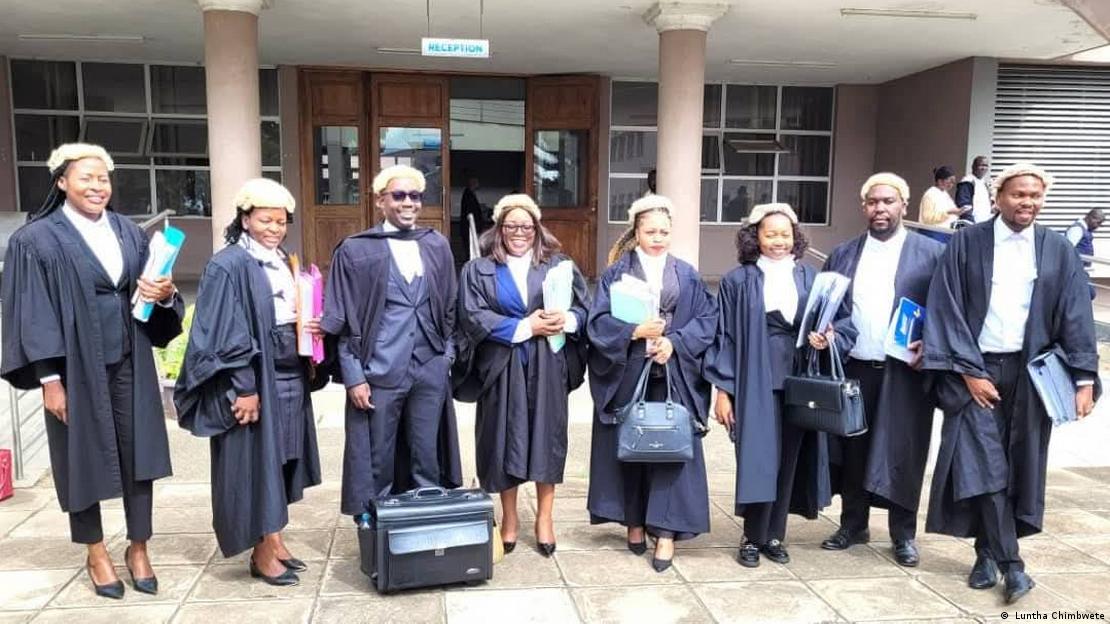
The legal team involved in Malawi's abortion case at the High Court in Blantyre in October 2025Image: Luntha Chimbwete
Unsafe abortions remain widespread
Unsafe abortions are among the leading causes of maternal deaths in Malawi. More than 141,000 women and girls are estimated to undergo abortions in Malawi each year, many through unsafe, clandestine procedures.
"Many people know that the law is restrictive, so they will abort and only go for postabortion care when complications arise," Kaliya said.
"Facilities end up spending huge sums treating avoidable cases," she said, "and the numbers are massive."
Official statistics show that more than 70,000 women seek backstreet abortions annually, with nearly 30,000 suffering complications, some of them fatal.
Post-abortion care in public hospitals costs the government nearly $1 million (€860,000) each year.
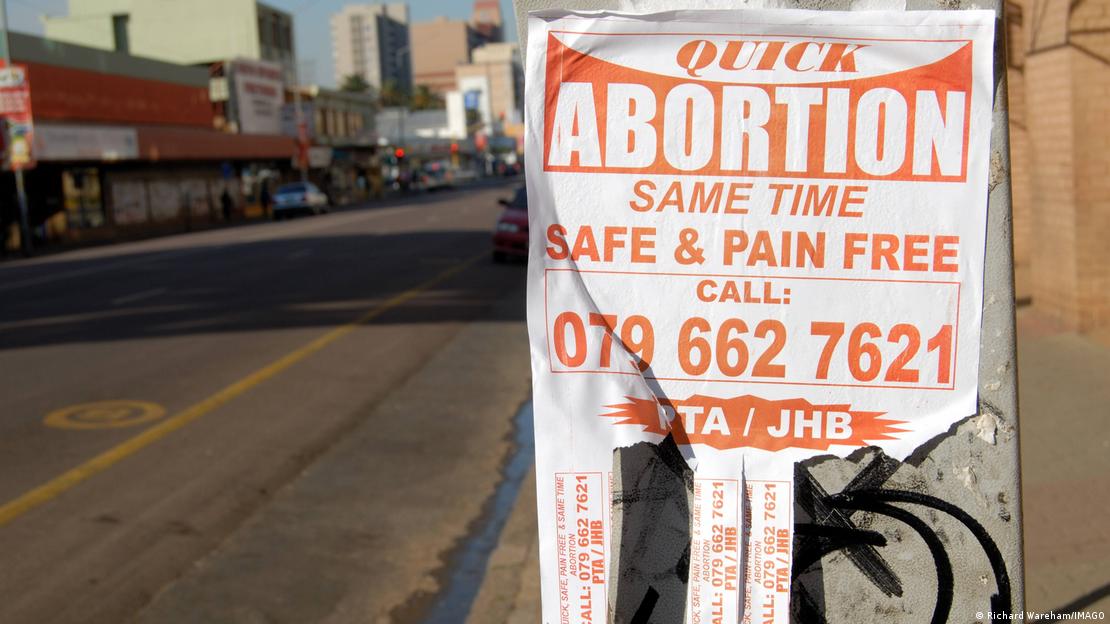
Abortion is legal under any circumstances in Malawi's regional neighbor South AfricaImage: Richard Wareham/IMAGO
Religious leaders against the ruling
Many faith-based organizations have strongly opposed any relaxation of Malawi's abortion laws, arguing that life begins at conception.
The Episcopal Conference of Malawi and the Evangelical Association of Malawi, representing more than 120 Christian denominations, have warned lawmakers against supporting the proposed reforms, saying they risk losing public support.
DW reached out to the Episcopal Conference of Malawi, which said it would comment once it had fully reviewed the ruling.
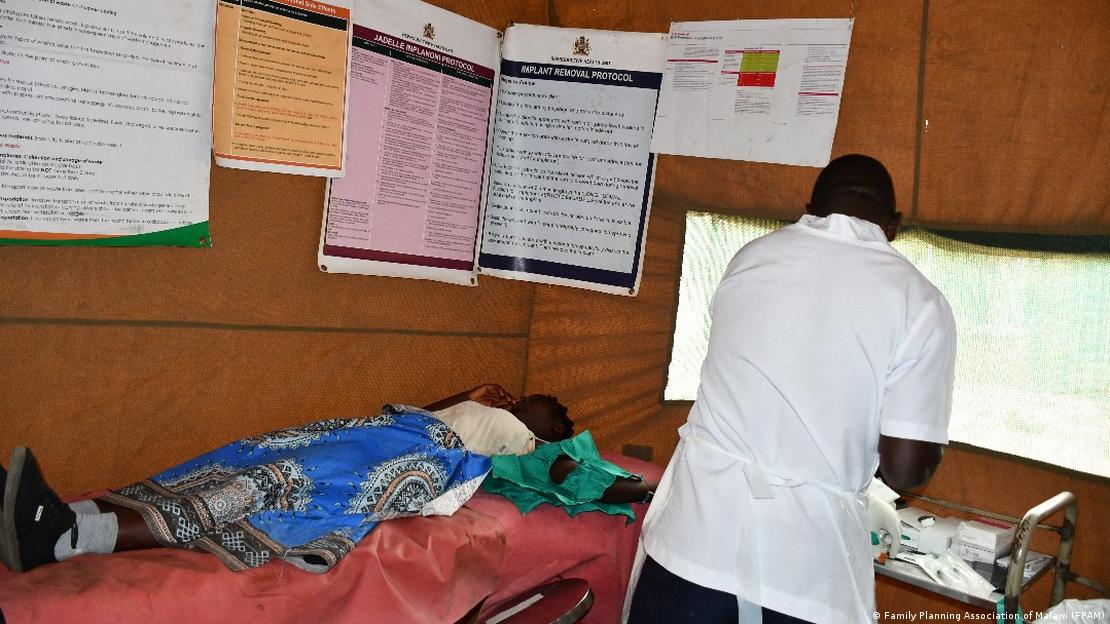
A doctor and patient at a clinic run by the Family Planning Association of Malawi
Image: Family Planning Association of Malawi (FPAM)
Some child rights advocates say the court's ruling fails to address the root causes of sexual abuse.
"The decision is unwise and far from the solution we need as a country," Memory Ngosi, a child rights advocate, told DW.
"Our justice system is failing us. We amended our penal code to give perpetrators of sexual abuse life sentences, yet courts rarely hand down stiff punishments. Instead, we tell our girls to go and abort."
Ngosi urged authorities to strengthen cultural, psychological and legal support for survivors rather than focusing on abortion access.
Rights advocates accuse anti-abortion campaigners of hypocrisy.
"Most anti-abortion advocates practice double standards," Kaliya said. "These things are happening in their backyards — even their relatives have procured abortions. But, in public, they pretend otherwise."
Some child rights advocates say the court's ruling fails to address the root causes of sexual abuse.
"The decision is unwise and far from the solution we need as a country," Memory Ngosi, a child rights advocate, told DW.
"Our justice system is failing us. We amended our penal code to give perpetrators of sexual abuse life sentences, yet courts rarely hand down stiff punishments. Instead, we tell our girls to go and abort."
Ngosi urged authorities to strengthen cultural, psychological and legal support for survivors rather than focusing on abortion access.
Rights advocates accuse anti-abortion campaigners of hypocrisy.
"Most anti-abortion advocates practice double standards," Kaliya said. "These things are happening in their backyards — even their relatives have procured abortions. But, in public, they pretend otherwise."
Chimwemwe Padatha contributed to this article.
Edited by: Chrispin Mwakideu

Privilege Musvanhiri is a multimedia freelance correspondent based in Harare, Zimbabwe

No comments:
Post a Comment