Days After U.S. Operation, Chevron Resumes Oil Shipments From Venezuela
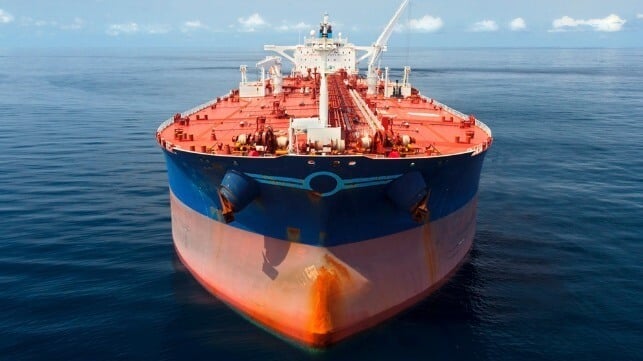
On Monday, the latest consignment of Venezuelan oil for U.S. supermajor Chevron departed for the Gulf Coast, a show of continuity after the U.S. capture of former dictator Nicolas Maduro last weekend. It was the first Chevron cargo to depart since January 1, according to Reuters.
Chevron is the only American oil major working in Venezuela, where it has more than a century of history in developing onshore E&P. It currently produces about 240,000 bpd of crude in the country, near its maximum planned capacity, Reuters reports.
After last weekend's developments in Caracas, Wall Street responded to the prospect of a foreign investment-friendly Venezuelan regime by bidding up share prices of the firms well-placed to capitalize on a stronger private participation in the oil industry. Chevron stock is up by 8.5 percent since last week, buoyed by its likely outlook in Venezuelan oil, as well as the first production from a new well off Angola. American oilfield-services firms SLB (formerly Schlumberger) and Halliburton, which would be well-positioned to carry out upgrades for Venezuela's deteriorated oil infrastructure, both rose more than 15 percent over the same period.
Oil prices have not changed appreciably since the takeover, a sign of investor expectation that Venezuelan exports will remain steady for the near future. A full restoration of peak production of Venezuela's extra-heavy crude would require significant infrastructure investment and years of effort, energy market analysts say.
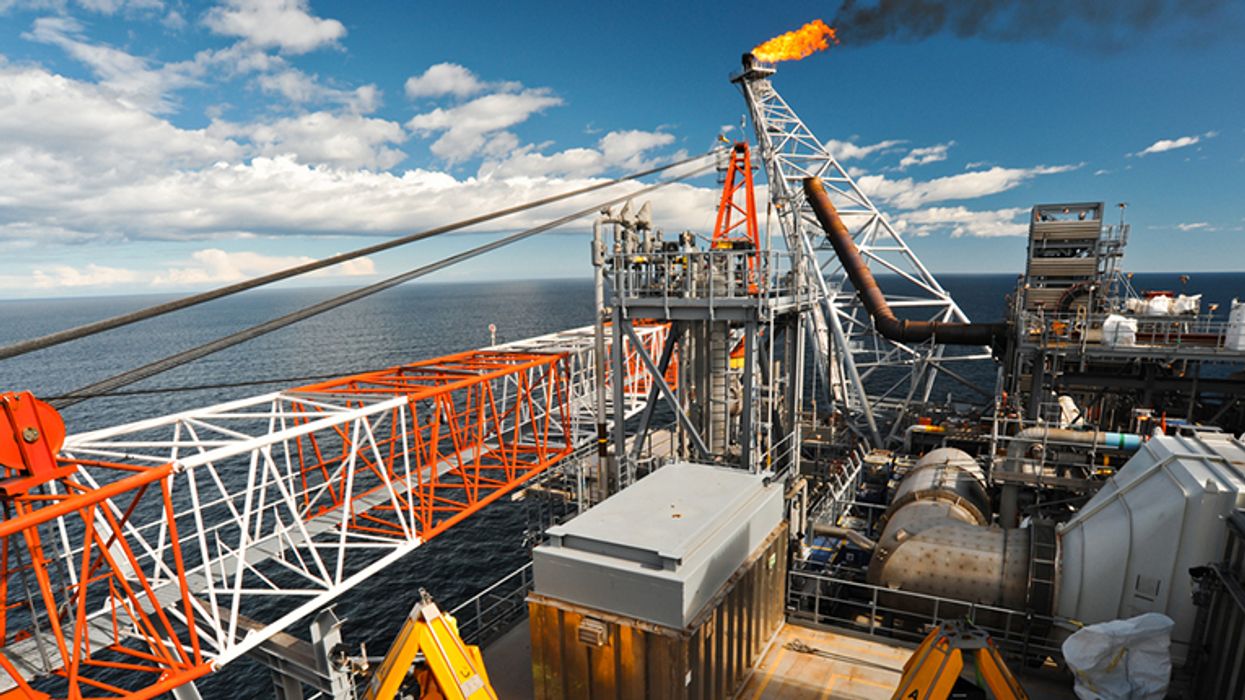
Flare system of the sea oil production platform.
Large oil companies aren't enthusiastic about taking over the oil field operations in Venezuela after President Donald Trump attacked the country and seized its leader Nicolás Maduro. It may mean a major blunder on Trump's part.
“The appetite for jumping into Venezuela right now is pretty low. We have no idea what the government there will look like,” said an oil industry source in an interview with CNN on Monday.
“The president’s desire is different than the industry’s. And the White House would have known that if they had communicated with the industry prior to the operation on Saturday," the person said.
It flies in the face of the White House's claim that all oil companies in the U.S. are "ready and willing to make big investments" to "rebuild their oil infrastructure, which was destroyed by the illegitimate Maduro regime."
"American oil companies will do an incredible job for the people of Venezuela and will represent the United States well," said White House spokesperson Taylor Rogers to CNN.
Trump said in a press conference Saturday at Mar-a-Lago that his enthusiasm about the invasion of Venezuela was, at least in part, the idea that U.S. oil companies would explode with profit.
“We’re going to have our very large United States oil companies — the biggest anywhere in the world — go in, spend billions of dollars, fix the badly broken infrastructure, the oil infrastructure,” Trump claimed.
But the companies aren't all on board, noting that it is a risky venture. The CNN report warned that this operation could have been "a major miscalculation" on Trump's part.
“Just because there are oil reserves – even the largest in the world – doesn’t mean you’re necessarily going to produce there... This isn’t like standing up a food truck operation," another industry source told CNN.
The same person went on to say that Trump's slapdash plan puts “rhetoric before reality” and noted that investing overseas requires political stability.
There are only a few oil companies that have the money and experience to build a production operation in Venezuela. Chevron is one of those, in large part because it's the only company that has remained the country despite decades of instability, CNN said.
Exxon and Conoco may have the capital, but they have already been burned by business in the country before.
"Conoco is still trying to recover an estimated $12 billion from the prior nationalization of its Venezuela assets, while ExxonMobil is seeking to recover almost $2 billion," wrote CNN, citing a previous Reuters report.
Luisa Palacios, a former Citgo chairwoman and Venezuela native, highlighted the dire state of Venezuela's economy and oil sector.
“Venezuela is broke. It doesn’t have any money. The national oil company is in disarray. It can barely feed its people," she told CNN.
Read the full report here.

No comments:
Post a Comment