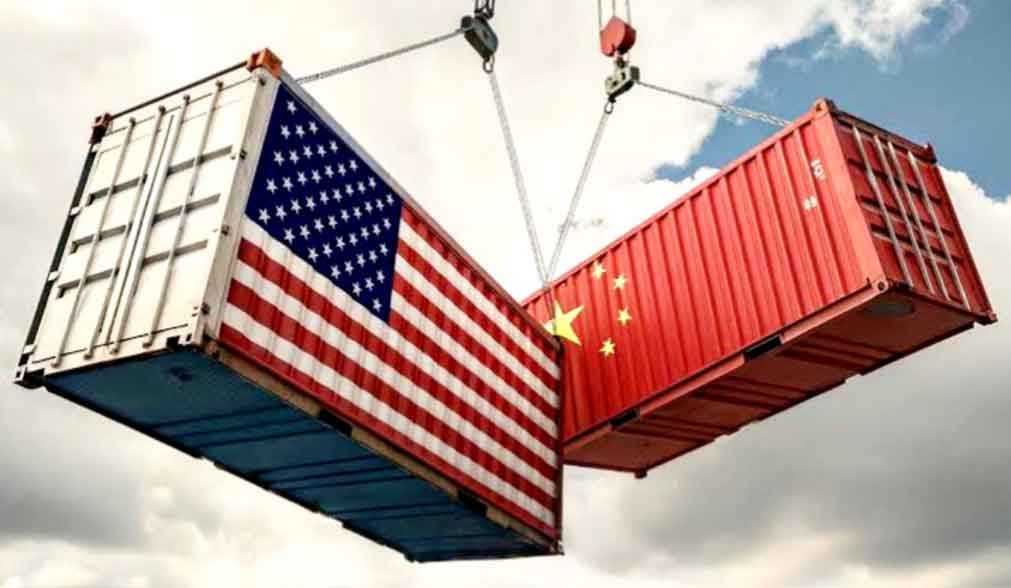
Washington, Apr 11 (Prensa Latina) The New York Times today expressed in an extensive article its concern about the possible Monumental rupture that could emanate from the tariffs imposed by the United States on China.
April 11, 2025 |
He sent the message that these discrepancies put the world economy on edge, and could further weaken the ties between the superpowers, with effects everywhere.
A dizzying escalation of tariffs unravels a decades-long trade relationship between the United States and China, jeopardizing the fate of the two superpowers and threatening to drag down the world economy.
The brinkmanship deployed by both countries already far exceeds the battles they fought during U.S. President Donald Trump's first term.
In 2018 and 2019, Trump raised tariffs on China for 14 months. Mostly, the most recent escalation unfolds in a matter of days, with levies that are much higher and apply to a wider group of goods.
On Wednesday, Trump responded to China's decision to match its 50 percent levy — a penalty for Beijing's countermeasure to an earlier U.S. tariff — with an additional levy, raising the rate on Chinese imports to at least 145 percent.
"We are approaching a monumental and disastrous rupture," said Arthur Ross director of the Asia Society in New York's Center for U.S.-China Relations. The fabric that we have so carefully woven over the past few decades is tearing apart.
A relationship that shaped the world economy in the 21st century is in jeopardy, he added.
For years, both sides benefited. The widespread use of Chinese factories by U.S. companies kept prices in check for U.S. consumers and boosted profits for the country's largest companies.
China obtained jobs and investments that lifted millions of families out of poverty. And as China's purchasing power grew, a gigantic and lucrative market opened up for American brands.
Economists predict that the split could tip the U.S. economy into recession.
At the same time, the Chinese economy is facing the prospect of a painful divorce from its largest trading partner, which buys more than $400 billion a year worth of goods from it.
MEM/RFC

No comments:
Post a Comment