Battery electric trucks hit Pilbara in joint BHP, Rio Tinto test
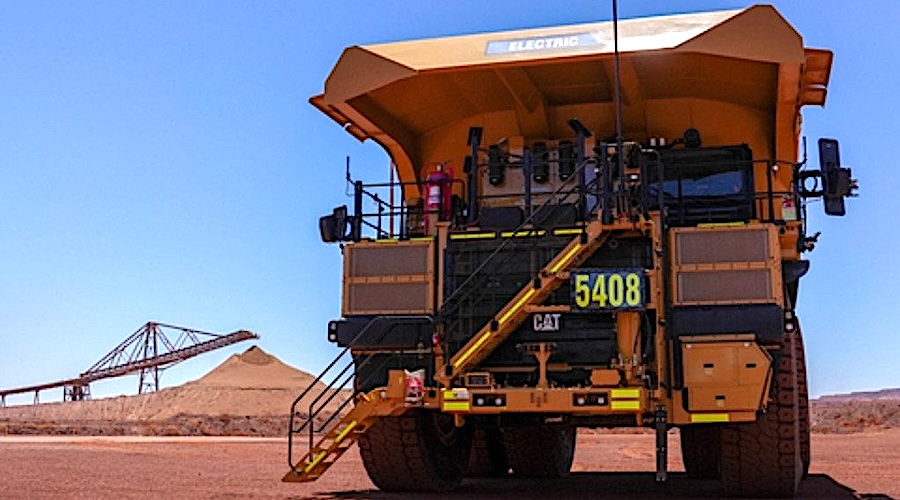
BHP (ASX: BHP) and Rio Tinto (ASX, LON: RIO) have begun testing two battery electric haul trucks at BHP’s Jimblebar iron ore mine in Australia’s Pilbara region as the miners look for ways to curb diesel use and cut emissions.

The units, supplied through a partnership with Caterpillar (NYSE: CAT), mark the first phase of a joint trial meant to gauge whether battery technology can support large-scale iron ore operations.
Each miner will decide on next steps after the joint testing period, including whether to move toward broader trials or fleet integration.
BHP said the work aims to confirm the performance of battery systems, charging infrastructure and supporting supply chains.
“Replacing diesel isn’t just about changing energy sources, it’s about reimagining how we operate and creating the technologies, infrastructure and supply chains to transform mining operations,” BHP’s Western Australia iron ore president Tim Day said.
Day added these trials will help the companies understand how “all the pieces of the puzzle fit together.”
Net zero by 2050
Rio Tinto iron ore Pilbara Mines MD Andrew Wilson said decarbonizing the company’s truck fleet across 18 mines remains a major challenge.
“By exploring solutions like this to reduce emissions, we hope that, over time, we will be able to move away from diesel,” he said, noting that “no single company can achieve zero emissions haulage on its own.”
Caterpillar senior vice president Marc Cameron said the collaboration was key to “accelerating innovation and shaping the next generation of mining technology.”
The companies said the effort supports their shared ambition to reach net zero operational emissions by 2050.
Vale to boost autonomous truck fleet in deal with Caterpillar
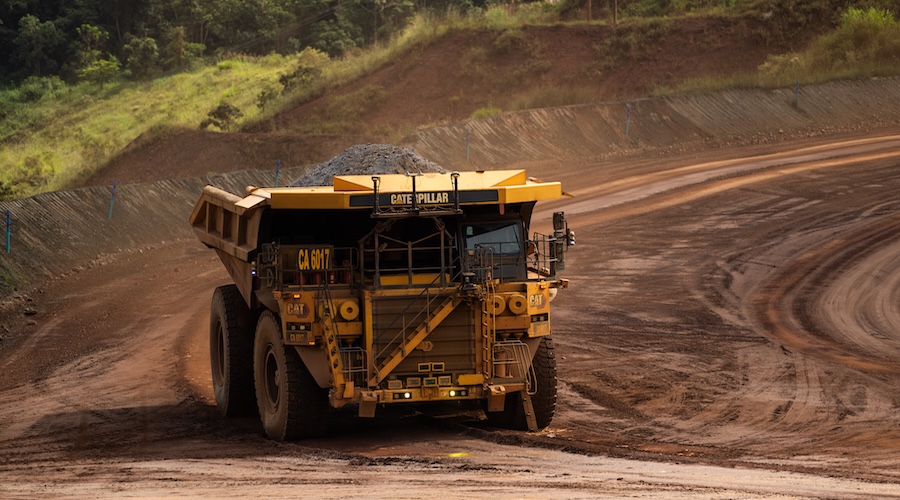
Brazilian miner Vale has signed an agreement with Caterpillar and Sotreq to quintuple its autonomous off-road truck fleet by 2028 at its Northern System area, executive vice president of operations Carlos Medeiros told Reuters.
“This contract is another step toward a larger plan we have, which is the adoption of these trucks on a large scale,” Medeiros said.
Vale’s fleet would reach 90 units, up from 18 at the end of this year, according to Medeiros.
The initiative will reduce emissions, improve safety and boost productivity at Vale’s Northern System, its largest iron ore- and copper-producing area, he said.
The bulk of the expansion will come from converting conventional vehicles already in use.
Large-scale adoption
Vale operates some 130-140 off-road trucks in the Northern System, including both autonomous and conventional vehicles.
Autonomous trucks in operation carry up to 320 metric tons, but the fresh deal includes 400-ton models.
Financial details were not disclosed, but Vale’s total investment in autonomous trucks reached about $210 million through 2024.
Vale’s autonomous truck program began in 2018 at the Brucutu mine in Minas Gerais, a state where it also plans to expand its fleet.
(By Marta Nogueira and Gabriel Araujo; Editing by Tomasz Janowski)

No comments:
Post a Comment