AU
Barrick to pay Mali $430M to settle mine dispute
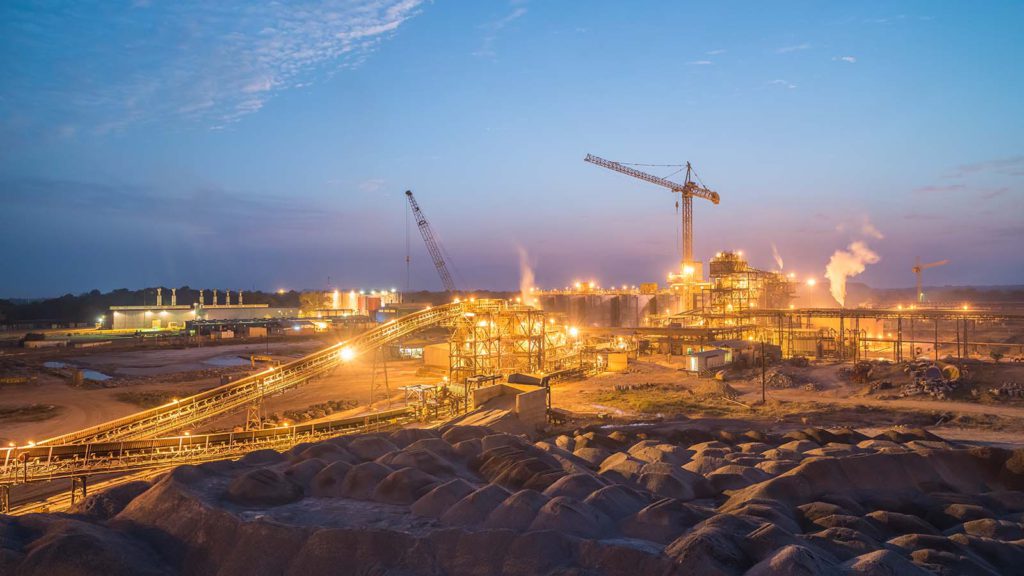
Barrick Mining (NYSE: B; TSX: ABX) is said to have agreed to pay 244 billion CFA francs ($430 million) in its settlement with Mali, as part of the company’s deal to end a two-year dispute that shuttered the Loulo-Gounkoto gold complex, Bloomberg reported Tuesday.

The payment would be done within six days of signing the agreement with Mali’s government. Another 50-billion CFA francs will come via VAT-credit offsets, while an installment of the same size was already paid last year, the report said.
The news comes as Barrick reached an agreement with Mali’s government to end their dispute, removing uncertainty surrounding the operation of its Loulo-Gounkoto complex in the African nation. Its stock surged.
In a press release Monday, the Toronto-based gold miner confirmed that the Malian state has dropped all charges against the company and its affiliates and will return operational control of Loulo-Gounkoto to Barrick. The Mali government will also arrange for the release of four Barrick employees that have been detained for a year.
In exchange, Barrick said it will withdraw its arbitration case against Mali, which it brought to the World Bank dispute tribunal in December after Mali’s junta-led government blocked gold shipments from the Loulo-Gounkoto site.
The announcement follows an earlier report by Reuters that the two sides had reached a verbal agreement to resolve their issues.
The agreement officially ends a protracted two-year fight over one of Africa’s largest mining assets. Last year, Loulo-Gounkoto produced 723,000 oz. of gold, ranking it amongst the top 10 producers globally. Ownership of the mine complex is held 80% by Barrick, with Mali retaining 20%.
Analysts at Jefferies said the mine restart and ramp-up could take around six to 12 months.
Shares of Barrick soared to a new 52-week high of $39.02 in New York after announcing the dispute resolution. By noon ET, it traded at $38.76 apiece with a market capitalization of nearly $62 billion. Year to date, the stock has gained over 143%, outperforming that of rivals Newmont (NYSE: NEM; TSX: TGT) and Agnico Eagle Mines (NYSE, TSX: AEM).
The dispute dates back to 2023 when Mali imposed a new mining code and demanded millions from Barrick in economic benefits and taxes. The situation escalated earlier this year when the Malian state seized Barrick’s gold, forcing it to suspend operations, and later placed it under provisional administration.
Amid the Malian dispute, Barrick had to write off $1 billion in revenue from the Malian operation and experience a significant leadership change with the departure of former CEO Mark Bristow, who played an instrumental role in the development of Loulo-Gounkoto.
Caledonia bets big on Bilboes as Zimbabwe’s next major gold mine
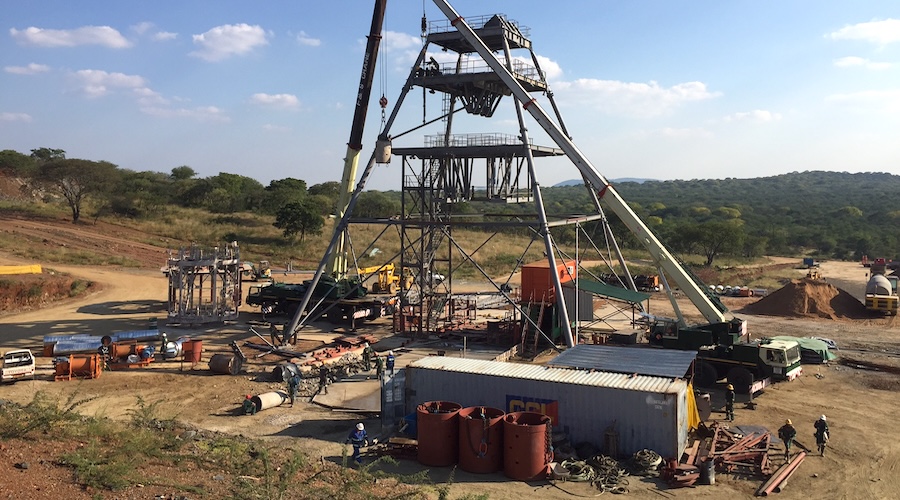
Caledonia Mining (LON: CMCL) has approved full development of its Bilboes gold project in Zimbabwe after a feasibility study projected strong returns for what is expected to become the country’s largest gold mine.
The company, which acquired Bilboes in 2023, estimates peak funding at $484 million and total capital costs at $584 million. The study identified a single-phase development plan as the most economic path forward. Caledonia plans to finance construction mainly through debt and equity generated from its Blanket gold mine in Matabeleland South.
Chief executive Mark Learmonth said the decision marks a milestone for a project “decades in the making,” adding that Bilboes could help Zimbabwe reclaim its position as a leading gold producer.
The project covers 2,731.6 hectares in Matabeleland North, about 80km north of Bulawayo. Proven and probable reserves stand at 1.75 million ounces of gold grading 2.26g/t. Measured and indicated resources, excluding reserves, total 532,000oz at 1.37g/t, while inferred resources are estimated at 984,000 ounces at 1.62g/t.
Online by late 2028
Bilboes will use Metso’s BIOX technology to process refractory ore by oxidizing sulphide minerals and improving gold recovery. The feasibility study outlines plant throughput of 240,000 tonnes per month during the first six years, tapering to 180,000 tonnes per month for the remainder of the nearly 11-year mine life. Metallurgical recovery is forecast to range from 83.6% to 88.9%.
Caledonia expects output to begin in late 2028, ramping up to roughly 200,000 ounces in 2029. Over the life of the mine, Bilboes is projected to produce 1.55 million ounces at an all-in sustaining cost of $1,061 per ounce.
Supported by investors including Allan Gray and BlackRock, Caledonia plans a phased financing strategy designed to accelerate development while limiting equity issuance to protect the project’s net present value per share.
Bolivia plans gold bank to bring order to unruly mining boom

Bolivia’s new government plans to create a gold bank with public and private capital to ensure sustainable mining and marketing practices, Finance Minister José Gabriel Espinoza said.
The administration of centrist President Rodrigo Paz, who took office this month following two decades of socialist rule, plans to continue state buying of locally mined gold but with different mechanisms from those in place since 2023, Espinoza said in an interview.
The new gold bank would help improve oversight, he said, without offering details on how it would operate.
“We’re going to create the gold bank, and what we need to do is set mechanisms that ensure traceability, development of the gold sector and respect for environmental standards,” Espinoza said.
Bolivia initiated a central bank gold purchasing program in mid-2023, raising billions of dollars to help pay back international bondholders amid a hard currency crisis exacerbated by fuel subsidies. But the buying program has lacked transparency and has helped fuel an unruly gold rush characterized by environmentally harmful practices and opaque trading.
Informal and illegal gold mining and trafficking in South America is surging along with bullion prices, which are up more than 50% this year due to central bank purchases and as investors seek havens from mounting government debt.
Through August of this year, Bolivia’s central bank had bought 28.5 metric tons of locally produced gold and monetized 48 tons. But it also sold gold in advance and still must deliver 6.7 tons next year. It paid producers in local currency, indirectly fueling inflation and encouraging smuggling.
The program’s sole purpose was “to feed dollars to a monetary-management system that was absolutely pernicious,” Espinoza said. Gold bought by the bank “very likely does not meet environmental standards, child labor standards, for example, and obviously it would not meet any of the traceability standards established today.”
Without offering details, Espinoza said the new administration intends to keep buying gold but would “reorder” its instruments, ensure environmental compliance, remove gold as a payment method in illegal sectors, and offer cooperative miners better labor conditions by promoting formalization.
“We will intervene there, but this will be coordinated with the central bank, which also has its own ideas,” he said.
(By Sergio Mendoza)

No comments:
Post a Comment