Flag Registry Strains the Cook Islands' Relations With New Zealand
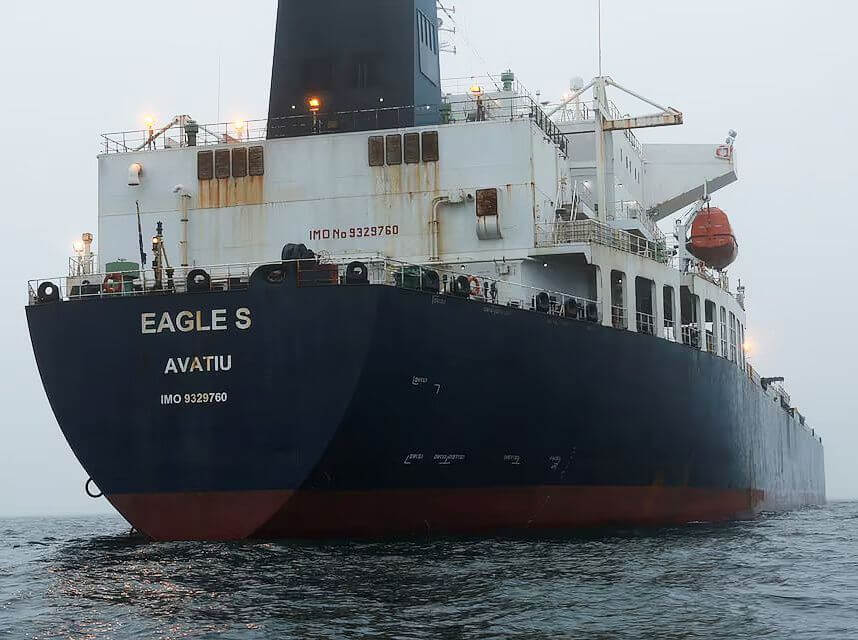
The government of New Zealand is displeased with a semi-independent territory, the Cook Islands, which has outsourced its maritime registry to a private firm and ruffled diplomatic feathers. Maritime Cook Islands, a for-profit flag based in Rarotonga, attracted attention for the shadow fleet tankers accumulating on its registry last year - and Auckland has yet to forgive it. Thanks to this dispute, plus the Cook Islands' increasingly close relationship with China, New Zealand has paused foreign aid and de facto suspended high-level diplomatic contacts with its government, the New Zealand Herald reports.
The concerns began after a spurt of explosive growth at the registry. In the first half of 2024, Maritime Cook Islands (MCI) expanded its fleet by 140 percent, putting it in the top thirty flag registries by tonnage worldwide - largely by adding older tankers, allegedly including some in the shadow fleet. As early as November 2024, New Zealand's diplomats raised "deep concerns" about an apparent pattern of sanctions evasion among certain Cook Islands-flagged tankers.
In or around May 2025, MCI was removed from the Registry Information Sharing Compact (RISC), an international database designed to help registry administrators identify sanctions-busting ships and shipowners. RISC's managers alleged that MCI had violated certain terms of service - much to MCI's dismay. The registry has vigorously denied any wrongdoing.
As of October 2025, the Cook Islands-flagged fleet no longer includes tankers that call at Russian ports, and its flagged tanker fleet is a third of its peak size in 2024, maritime intelligence firm Starboard told the Herald.
But for the government of New Zealand, MCI's past services for Russia-serving shipowners remain a cause for concern.
"It was both alarming and infuriating to discover that the Cook Islands’ shipping registry was effectively undermining international efforts to cut off funding to Russia’s war machine by providing the Cook Islands flag to vessels that form part of Russia’s shadow fleet," Foreign Minister Winston Peters told the New Zealand Herald last week. "This is a completely unacceptable and untenable foreign policy divergence."
IMO has also shown a certain level of interest in the Cook Islands registry, though it has not expressed any form of criticism. Secretary-General Arsenio Dominguez flew to the island nation in August to discuss topics of mutual interest with MCI and with Cook Islands' prime minister, the first time that any IMO secretary-general had visited the Cook Islands. Dominguez has prioritized the implementation of IMO conventions for his first term, and he was in the region to mark the opening of a regional presence office in Fiji. The office provides Pacific Island member states with capacity-building support and compliance auditing - a boost for a region with several growing registries.
New Zealand Gov't Blames Consultants for Ferry Program's Cost Blowout
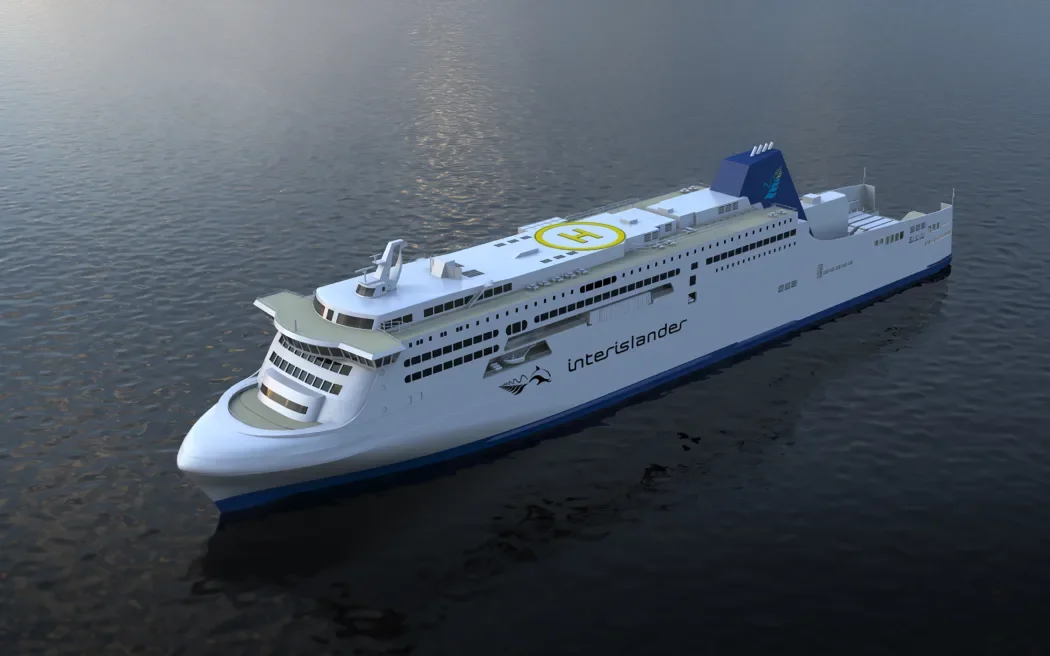
The controversy that has surrounded the procurement of two interisland ferries in New Zealand appears to have come to an end after the government announced that a new design will be built at a fixed price of US$335 million and will enter service in 2029.
In what has been described as a “no-nonsense solution” to the Cook Strait ferry replacement program, authorities are hailing the decision to do away with expensive consultants who - they claim - had “hijacked” the project, resulting in skyrocketing costs. Construction of the two ferries is now set to commence following the securing of the fixed price agreement with China’s Guangzhou Shipyard International (GSI).
Rail Minister Winston Peters said that the ferry deal, along with infrastructure upgrades that are being undertaken in Picton and Wellington to fit the new ferries, will cost about US$1.1 billion with taxpayers’ contribution in the range of US$950 million.
Considering that the country’s Treasury had warned that total cost for the entire project risked ballooning to US$2.2 billion, the government contends that it has managed to save US$1.2 billion after dismissing its consultants.
Early this year, the government established Ferry Holdings to oversee the project with the main aim of reducing costs and ensuring the timely delivery of the new ferries, following the cancellation of project iReX, which was responsible for the rising costs.
KiwiRail decided to terminate the contract for two large ferries that had been awarded to Korea’s Hyundai Mipo Shipyard in 2021 after the government decided not to provide funding to the iReX project. That cancellation was finalized in August 2025 at a total cost of about US$125 million. When including consulting fees and other expenses, the sunk cost for the iReX program came to a total of US$375 million.
Since its establishment in March, the new Ferry Holdings has been working closely with KiwiRail, CentrePort, Port Marlborough, and government agencies to ensure the program delivers better value for money.
The new ferries will transport passengers, cars, trucks and rail wagons across the Cook Strait for the next 30 years. They will be 200 metres long and will have a capacity for 1,530 passengers and 70 crews each, and 2,400 meters on each ferry of lanes for trucks, cars and 40 railcars.
The new ferries will be operated by KiwiRail and will replace aging vessels, including the retired Aratere. The ferry was removed from service in August and has since been sold for scrap.
“Spending less than NZ$1.7 billion means the taxpayer has saved NZ$2.3 billion while still getting the ferries and infrastructure they want, because we have done away with the expensive consultants who hijacked the project by adding more and more infrastructure until Treasury warned the project would cost NZ$4 billion,” said Peters.
Apart from the two ferries, the government is also determined to deliver “fit-for-purpose” infrastructure upgrades that include the building of new wharves and linkspans in Picton and modifying and strengthening the existing wharf in Wellington to suit the new ferries.
“We are delivering the infrastructure New Zealand needs—by reusing what works and upgrading only what’s essential. It’s a smart, sustainable approach that puts public value first,” said Chris Mackenzie, Ferry Holdings Chair.

No comments:
Post a Comment