FE
BHP ships Jimblebar iron ore to Malaysia, Vietnam as China ban stalls sales
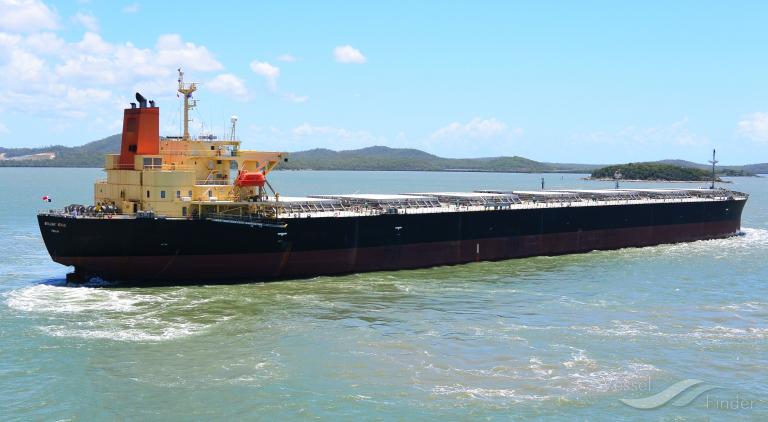
BHP Group has shipped iron ore cargoes barred from sale in China to Malaysia and Vietnam, seeking alternative buyers as its stocks of Jimblebar pile up at Chinese ports amid a protracted contract dispute with Beijing.

China Mineral Resources Group (CMRG), set up in 2022 to centralize iron ore purchasing and win better terms from miners, barred Chinese steel mills and traders from buying BHP’s Jimblebar Blend Fines (JMBF), a type of medium-grade iron ore, last September during talks over a new contract that have still not concluded.
As talks drag on, a vessel, Lowlands Blue, laden with around 95,000 metric tons of BHP’s JMBF, docked in Malaysia on January 14, the first such cargo discharged in Malaysia since shipping data tracker Kpler’s records began in 2019.
Meanwhile, the Cape Yamabuki shipped roughly 75,000 tons of JMBF to Vietnam in December, according to Kpler data and two traders with knowledge of the matter. It was the first such cargo to Vietnam since at least 2024, Kpler data showed.
BHP diversifies buyers
While the shipments are small compared to BHP’s annual production of more than 60 million tons of JMBF, the unusual trades demonstrate the Australian mining group’s efforts to diversify its buyers to mitigate its China difficulties.
The world’s No. 3 iron ore supplier said on Tuesday it was still hammering out annual contract terms with the state iron ore buyer and “optimizing distribution channels” in the meantime. It declined to comment on the reported shipments.
Stocks of BHP’s Jimblebar fines at major Chinese ports were up 360% from late September to 8.1 million tons as of January 13, according to two separate traders.
Chinese steelmakers are not allowed to take delivery of JMBF cargoes already at ports, sources told Reuters.
Meanwhile, daily global exports of JMBF are down 74% from January 2025, according to a Reuters calculation based on Kpler data.
BHP has been offering more discounts for its iron ore including the Jimblebar fines to try to facilitate sales in China, several trade sources said.
For example, discounts of BHP’s Newman fines, a type of medium-grade iron ore, for February shipments have widened to $4.73 a ton against the average of Argus and Mysteel’s benchmark 61% indices, versus $2.48 for January shipments, according to two of the traders.
The deep discount prompted the Vietnamese steel mill order, according to a trader with knowledge of the deal.
All sources requested anonymity given the sensitivity of the matter.
(By Reuters staff; Editing by Kevin Liffey)
Ivanhoe Atlantic pivots to US IPO after rail deal win
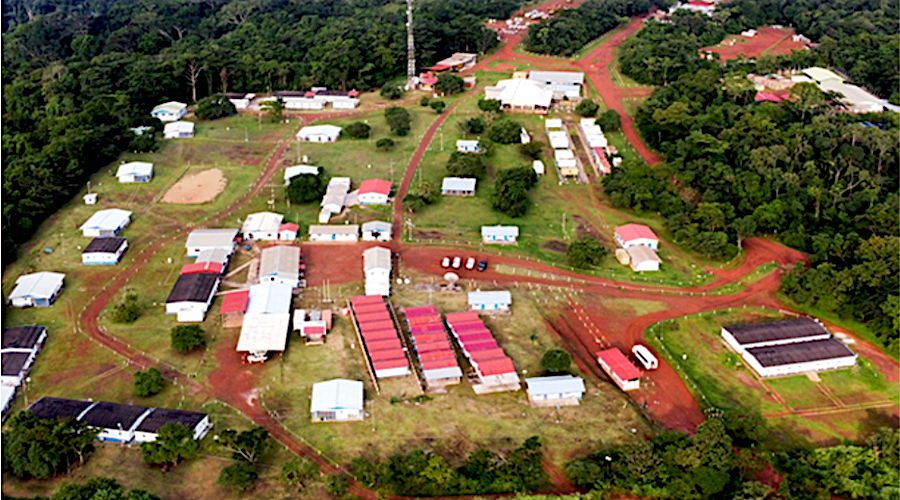
Ivanhoe Atlantic is weighing a US initial public offering later this year after securing long-awaited approval to use a key rail corridor to export iron ore from Guinea.
The move marks a reversal from plans to list in Australia and follows formal approval from Liberia earlier this month to rehabilitate and use its railway network. The move cleared the final regulatory hurdle for transporting iron ore from the company’s Kon Kweni project in Guinea.
Guinean lawmakers approved the cross-border arrangement in December, ending a dispute that has delayed development of the deposit for more than a decade.
Under a $1.8 billion agreement signed with Liberia in April last year, Ivanhoe Atlantic can move iron ore along what it calls the “Liberty corridor”, the shortest export route from Kon Kweni to port. The company expects construction to begin soon, with first shipments targeted for 2027.
Kon Kweni is designed to produce between 2 million and 5 million tonnes a year in its initial phase, before expanding to as much as 30 million tonnes annually. The first phase is expected to deliver ore grading about 66.5% iron, among the highest globally, while a second phase would require roughly $850 million in investment to upgrade export infrastructure.
Ivanhoe Atlantic is also advancing the nearby Nimba project, with both deposits known for high-grade ore used in lower-emissions steelmaking that requires less energy and produces fewer greenhouse gases.
Altered strategy
The company had previously lined up bankers to explore an Australian IPO, but shifting US policy has altered that plan.
“We are not in a hurry to go public; we want to do it well,” executive chair J. Peter Pham told the Financial Times, adding that increased mining support from the Trump administration had “affected our calculus” in choosing a listing venue.
Over its 25-year concession, Ivanhoe Atlantic expects to pay Liberia about $1.4 billion in rail user fees and roughly $600 million in other taxes and charges.
Ivanhoe Atlantic is majority-owned by I-Pulse Inc., founded and chaired by Canadian-American billionaire Robert Friedland, who is also co-chair of Ivanhoe Mines (TSX: IVN). Ivanhoe Mines partnered with China’s Zijin Mining Group to develop the Kamoa-Kakula copper complex in the Democratic Republic of Congo, one of the world’s largest copper mines.
Friedland rose to prominence with the 1996 sale of Canada’s Voisey’s Bay project and later helped develop Mongolia’s Oyu Tolgoi copper deposit, now owned by Rio Tinto (ASX, LON: RIO). He secured rights to Kon Kweni in 2019 after taking over from a BHP-led consortium.
The planned IPO would extend Friedland’s influence in West Africa, positioning the Kon Kweni mine and rail link as a US-backed alternative to large Chinese-led mining projects in the region. The US steel industry remains dependent on recycled material and lower-grade iron ore imports.

No comments:
Post a Comment