Newmont plans sweeping job cuts in cost-cutting drive – report
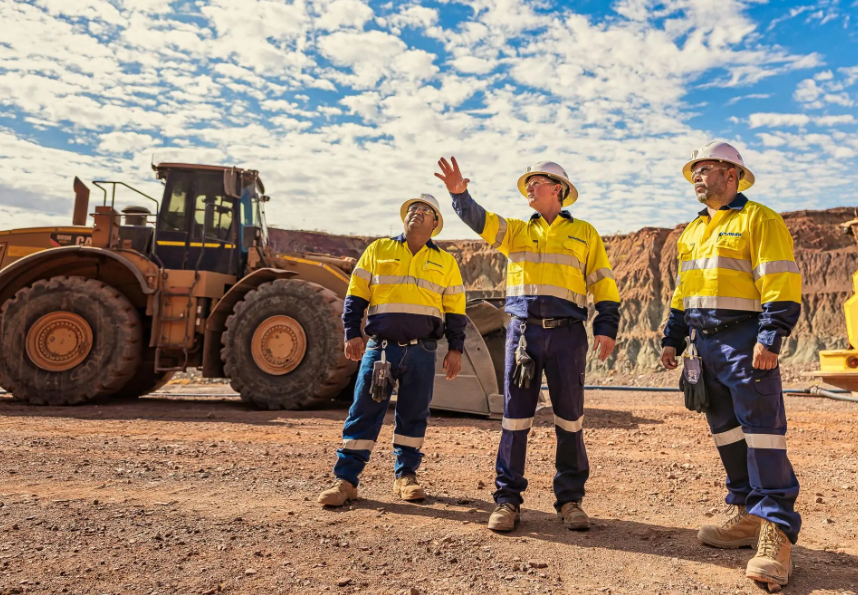
Newmont (NYSE: NEM), the world’s largest gold miner, is preparing a major cost-reduction plan that could lead to thousands of job losses, Bloomberg reported on Wednesday, citing people familiar with the matter.

The Denver, Colorado-based miner is said to be targeting a reduction of as much as $300 per ounce in all-in sustaining costs (AISC). That would represent a cut of about 20% and bring Newmont closer in line with its lowest-cost peers.
Rising costs
Newmont’s costs have surged in recent years, climbing more than 50% over the past five years due to higher energy, labor, and material prices. The situation reportedly worsened following its $15 billion acquisition of Newcrest in 2023, which expanded the mining portfolio to about 20 operations, including copper assets.
In the second quarter of 2025, Newmont reported an AISC of $1,593 per ounce, nearly 25% higher than Agnico Eagle Mines, one of the industry’s lowest-cost producers. The Lihir mine in Papua New Guinea and the Cadia operation in Australia, both legacy Newcrest assets, continue to struggle with cost overruns and underperformance.
Job cuts, structural changes
According to Bloomberg, Newmont has already begun notifying staff of redundancies, with executives and division managers holding calls to discuss job cuts and other measures. Alongside workforce reductions, the miner is considering scaling back long-term incentives as part of the restructuring.
At the end of 2024, Newmont employed 22,200 people and had an additional 20,400 contractors. While the company has not disclosed how many positions may be eliminated, sources told Bloomberg the cuts could affect “thousands” of employees.
The miner has hired Boston Consulting Group to assist with the cost-cutting plan, though no final decisions have been announced. A Newmont spokesperson said the company is executing on a cost and productivity program launched earlier this year.
The cost-cutting push comes even as the gold sector is benefiting from record bullion prices. Gold reached an all-time high of $3,500 an ounce in April and has mostly traded above $3,300 since, lifting gold equities. Newmont’s stock has surged 95% year-to-date.
“The bigger challenge for Newmont was that all the Newcrest assets were at a tough part of their life-cycle,” Bloomberg Intelligence analyst Grant Sporre said.
“They were and are still under-producing versus their employee base and need a lot of sustaining capex to catch up.”
“Moves to reshape our structure reflect one of several steps we are taking in 2025 to reduce our cost base and improve productivity — positioning Newmont to deliver on our commitments to shareholders and partners across a range of gold price environments, and for the long-term success of the business,” Newmont said in a statement.
(With files from Bloomberg and Reuters)
Rio Tinto overhaul cuts to three units, axes execs, reviews mines
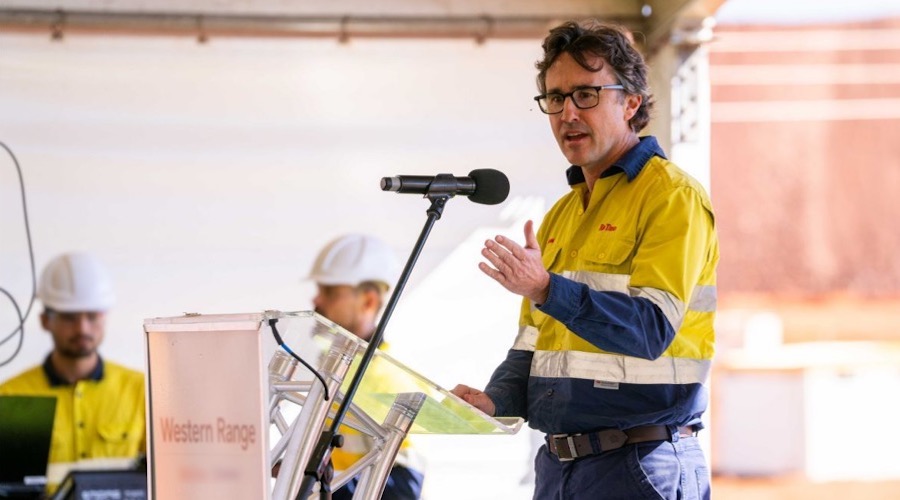
Rio Tinto’s (ASX, LON: RIO) new chief executive Simon Trott has launched a sweeping overhaul of the miner’s structure, consolidating operations into three core divisions while placing several non-core assets under review.
Trott, who took the helm on Monday after leading the company’s iron ore business, said the restructuring would simplify Rio Tinto’s portfolio into iron ore, copper, and aluminium–lithium units.
Matthew Holcz has been appointed chief executive of iron ore, Rio Tinto’s biggest profit driver. The newly unified division will combine Western Australian operations with Iron Ore Company of Canada (IoC) and, once operational, the Simandou project in Guinea.
Some mineral assets are moving to a different portfolio for review. Richards Bay Minerals in South Africa, Canada’s iron and titanium operations, and US borates mines will be transferred to Chief Commercial Officer Bold Baatar, who will oversee a strategic assessment that could lead to sales.
Rio Tinto is merging its lithium business with aluminium under the leadership of French national Jérôme Pécresse, based in Montreal. That group will comprise Atlantic Operations Aluminium, Pacific Operations Aluminium, and Lithium.
Executives exit
The shake-up also brings leadership changes. Kellie Parker, the chief executive of Australia who played a key role in rebuilding Rio’s reputation after sexual assault claims and the 2020 destruction of a sacred Indigenous site, is leaving the company. Minerals head Sinead Kaufman, who had been considered for the top job, is also departing.
The revamp comes as Rio Tinto grapples with falling iron ore and lithium prices and rising costs. Its July half-year profit of $4.8 billion was the lowest since 2020 and 16% lower than a year earlier.
The minerals division under review has been under pressure. It generated $143 million in underlying earnings in 2024, down from $312 million in 2023, and remained cash-flow negative for two straight years as growth spending outpaced revenue. Borates, used in glass and industrial cleaners, and titanium dioxide, a pigment for paints and ceramics, have both faced weak demand and prices.
Analysts at RBC Capital Markets said the scope of the review appeared limited, noting they had expected possible divestments in aluminum, iron ore and lithium. They described the review of borates and titanium as “low-hanging fruit” in a portfolio facing competing demands for lithium investment.

No comments:
Post a Comment